Glass Fiber Reinforced Plastic Products
CN → US| HS编码 | 关税税率 | 原产国 | 目的国 | 文档 |
|---|---|---|---|---|
| 6811820000 | 35.0% | CN | US | 官方文档 |
| 6815994170 | 35.0% | CN | US | 官方文档 |
| 6815190000 | 35.0% | CN | US | 官方文档 |
| 6811899000 | 35.0% | CN | US | 官方文档 |
商品图片
AI分析
🏗️ Glass Fiber Reinforced Plastic Products (GFRP)
🌐 HS Code Reference & Customs Clearance Guide | 2026 Latest Tariff Analysis | Professional Clearance Strategy
📌 Product Definition & Classification: Do You Really Know "GFRP"?
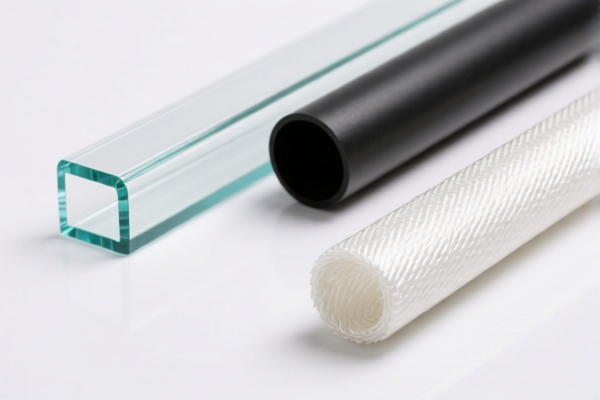
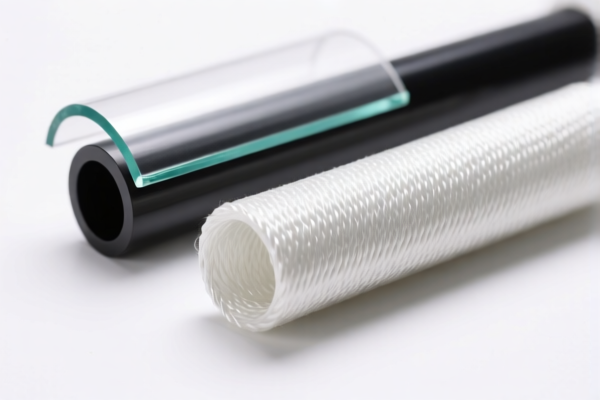
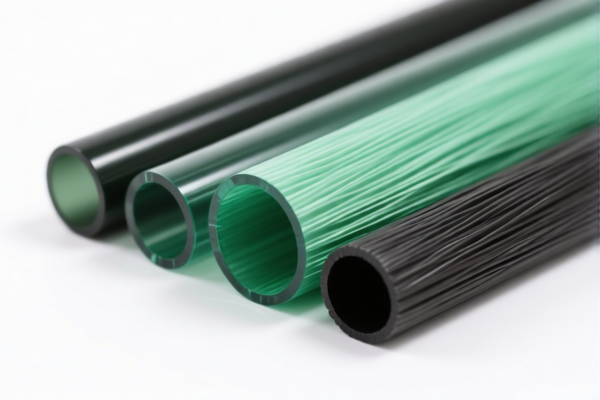
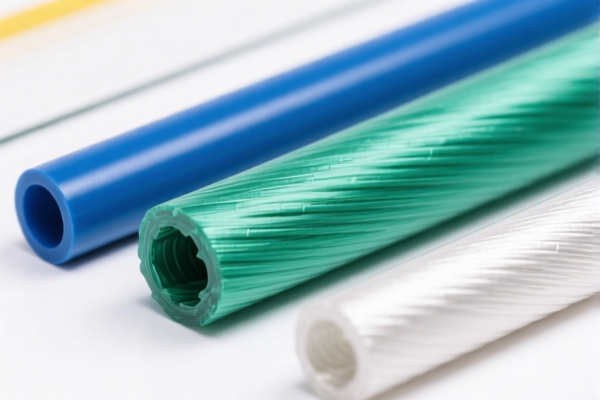
Glass Fiber Reinforced Plastic (GFRP), often referred to as Fiberglass, is a composite material made of a polymer matrix reinforced with glass fibers. In international trade, GFRP products are not categorized by a single HS code but depend heavily on their material composition (cement-like vs. stone-like vs. other) and form (sheets, plates, tubes, or general articles).
Key Distinction Points: * Cementitious Matrix: If the resin is mixed with cement or similar inorganic binders, it falls under Chapter 68.11 (Fibrous Cement or Similar). * Mineral/Stone-Based: If the product is made from crushed stone, mineral powder, or similar inorganic substances bound by resin, it may fall under Chapter 68.15. * General Articles: If it doesn't fit specific subcategories, it may fall under 68.15.99 (Other articles of stone or other mineral substances).
⚠️ Critical Compliance Alert:
The following analysis is based strictly on the provided data set. All four HS codes listed below carry the same total tax rate of 35.0% for imports into the United States from China. The distinction lies in the physical and chemical nature of the product to ensure accurate classification and avoid penalties.
📦 II. HS Code Classification Details (Based on Provided Data)
| HS Code | Product Description & Summary | Material/Physical Nature | Tax Detail Breakdown |
|---|---|---|---|
6811.82.00.00 |
Fibrous Cement Articles: Other articles of fibrous cement or of cemented fibrous materials. | Fibrous Cement/Similar: Complies with the description of products made from cement-like binders reinforced with fibers. | Total: 35.0% • Base: 0.0% • Additional (301): 25.0% • Section 122: 10% |
6815.99.41.70 |
Other Mineral Articles: Other articles of stone or other mineral substances, not elsewhere specified. | Mineral/Inorganic: Categorized under minerals/inorganics, fitting non-specific chemical restriction articles. | Total: 35.0% • Base: 0.0% • Additional (301): 25.0% • Section 122: 10% |
6815.19.00.00 |
Stoneware/Mineral Articles: Other articles of stone or other mineral substances, not elsewhere specified. | Stone/Mineral: Complies with non-electrical use mineral product categories. | Total: 35.0% • Base: 0.0% • Additional (301): 25.0% • Section 122: 10% |
6811.89.90.00 |
Other Fibrous Cement Articles: Other articles of fibrous cement or similar materials. | Fibrous Cement/Similar: Fits "articles" category with no material conflict. | Total: 35.0% • Base: 0.0% • Additional (301): 25.0% • Section 122: 10% |
🔍 Key Takeaway:
- All four HS codes result in a 35% Total Tax Rate. - The difference is classification accuracy. Misclassification (e.g., declaring a cement-based GFRP as a mineral-based one) can lead to customs disputes, even if the tax rate is identical, because the legal basis differs. - 6811 relates to Cementitious materials (cement + fibers).
- 6815 relates to Stone/Mineral materials (stone dust, quartz, etc., + binder).
💰 III. 2026 Latest Tariff Rate Breakdown (Including Surcharges)
✅ Applicable Country: United States (US)
✅ Origin: China (CN)
✅ Total Tax Rate: 35.0% for all listed HS Codes
🎯 1. Universal Tax Structure for GFRP Products (from Provided Data)
| Item | Content |
|---|---|
| Base Tariff | 0.0% (ad valorem) |
| USITC Additional Tariff (Section 301) | +25.0% |
| Section 122 Tariff | +10.0% |
| Total Effective Tax Rate | 35.0% |
| Tax Calculation | CIF Value × 35% |
| De Minimis Exemption Eligible? | ❌ No (High-value industrial goods typically excluded) |
| Legal Basis Path | Section 301 (35%) + Section 122 (10%) applied to Chapter 68.11/68.15 |
📌 Explanation:
- Base 0%: Standard MFN rate for these chapter headings is often low or zero. - 25% Additional Tariff: Under Section 301 of the Trade Act, many Chinese-made industrial components are subject to this surcharge. - 10% Section 122 Tariff: This refers to specific trade remedy duties or additional tariffs applied to certain Chinese imports. - Total 35%: This is a significant cost factor for GFRP exporters. It must be factored into pricing strategies.
🛠️ IV. Customs Clearance Practical Advice (Risk Avoidance Guide)
✅ 1. Required Documentation (Non-Negotiable)
| Document | Must Provide | Description |
|---|---|---|
| ✅ Product Specification Sheet | ✔️ | Must clearly state: Matrix Type (Cement vs. Stone/Mineral), Reinforcement (Glass Fiber Type), Dimensions, Weight. |
| ✅ Material Safety Data Sheet (MSDS) | ✔️ | To prove chemical composition and absence of restricted substances. |
| ✅ Photos of Product & Label | ✔️ | Must show product form (sheet, pipe, sculpture) and any markings indicating "Fiberglass" or "GFRP". |
| ✅ Commercial Invoice | ✔️ | Must describe goods accurately (e.g., "Fiberglass Reinforced Cement Panel" vs. "Stone Dust Composite Board"). |
| ✅ Packing List | ✔️ | Details packaging type to avoid damage claims. |
| ✅ Origin Certificate | ✔️ | Proof of Chinese origin triggers the 35% tax. |
✅ 2. Declaration Strategy (Key Tips)
🔥 "Describe the Matrix, Not Just the Fiber!"
| Scenario | Correct Declaration | Wrong Practice |
|---|---|---|
| GFRP Panels used in Construction | 6811.82.00.00 or 6811.89.90.00 (if cement-based) |
Declaring as "Plastic" → Wrong Chapter (39) → Rejection |
| GFRP Artificial Stone Countertops | 6815.19.00.00 or 6815.99.41.70 (if stone/mineral-based) |
Declaring as "Fiberglass" → Wrong Chapter |
| GFRP Pipes/Tubes | Depends on matrix (68.11 or 68.15) | Vague description "Plastic Pipes" → Delays |
| GFRP Sculptures/Decor | 6815.99.41.70 (if mineral-based) or 6811.89.90.00 |
"Artwork" → May attract different duties or inspections |
📌 Note:
- Do not use generic terms like "Fiberglass" without specifying the binding agent.
- If the product contains cement, use 6811.
- If the product contains stone dust/mineral powder as the main body, use 6815.
- Misclassification can lead to audits even if the tax rate is the same, because the regulatory requirements (e.g., EPA, ASTM standards) differ.
✅ 3. Special Cases & Handling
| Situation | Recommendation |
|---|---|
| Mixed Materials | If product has significant metal fittings, declare separately if value exceeds de minimis thresholds. |
| Custom Shapes | Provide CAD drawings or 3D renders to prove it is an "article" and not a raw material. |
| Pre-Certified Products | If already tested for fire rating (ASTM E84), include report to speed up customs inspection. |
| Section 122 Specifics | Verify if your product falls under the specific Section 122 list. Some GFRP items may have exemptions. |
🌍 V. Global Market Comparison (2026)
| Country/Region | Recommended HS Code | Estimated Duty | Notes |
|---|---|---|---|
| 🇺🇸 USA | 6811.82.00.00 / 6815.19.00.00 etc. |
35% (Total) | Highest cost due to 301 + Section 122 tariffs. |
| 🇨🇳 China | 6811.82.00.00 / 6815.19.00.00 |
Varies (5-10%) | Import duties for raw materials may differ. |
| 🇪🇺 EU | 6811.82.00.00 / 6815.19.00.00 |
0-6.5% | No Section 122 equivalent, but CE marking required. |
| 🇯🇵 Japan | 6811.82.00.00 / 6815.19.00.00 |
0-6% | JIS standards may apply. |
📌 Conclusion:
- The US market is the most costly for GFRP products from China due to the 35% total tariff.
- Consider supply chain diversification (e.g., manufacturing in Vietnam or Mexico) if possible to mitigate tariff impact.
- Accurate classification is crucial to avoid penalties, even if the tax rate is uniform.
📌 VI. Common Mistakes & Pitfalls (Lessons Learned)
❌ Mistake 1: Describing GFRP as "Plastic Products" (Chapter 39)
👉 Result: Incorrect HS Code → Customs seizure or reclassification + penalties.
Fix: Always specify the inorganic matrix (cement/mineral).
❌ Mistake 2: Omitting "Fiberglass Reinforced" in Description
👉 Result: Customs may classify as raw stone or cement → Different duty rate or inspection.
Fix: Be explicit: "Glass Fiber Reinforced Cement Panel".
❌ Mistake 3: Assuming All GFRP Products Have the Same HS Code
👉 Result: Audit risk.
Fix: Determine the primary binding agent (cement vs. mineral).
✅ Correct Declaration Example:
"Glass Fiber Reinforced Cement (GFRC) Architectural Panels, 12mm thick, non-load bearing, ASTM E84 compliant, Model: GFRC-100"
🎯 VII. Conclusion: Professional Classification Saves Money!
🎯 Remember the Golden Rules:
🔹 "Cement Matrix? Go to 6811."
🔹 "Stone/Mineral Matrix? Go to 6815."
🔹 "Always expect 35% total tax in the US from China."
🔹 "Describe the binder, not just the fiber!"
📌 Pro Tip:
If your GFRP products are exclusively for non-commercial use or have special exemptions, consult a licensed customs broker to apply for HTSUS exceptions.
Pre-clearance ruling is highly recommended for large shipments to avoid delays.
📣 Action Required:
📞 Engage a Customs Broker + Provide Detailed Specs + Apply for Pre-Ruling
🚀 Ensure accurate classification to avoid fines, delays, and unexpected costs!
✨ Precision in Classification is Key to Profitability!
💼 Every percentage point counts in international trade!
用户评价
关于 HS 编码归类
协调制度(HS)是由世界海关组织(WCO)制定的国际贸易商品分类标准。全球 200 多个国家采用 HS 系统作为海关关税、贸易统计和进出口监管的基础。
每个 HS 编码遵循以下层级结构:
- 章(2 位)——商品大类(例如:第 84 章:机器和机械设备)
- 品目(4 位)——章内的更具体分类
- 子目(6 位)——国际通用细分,所有 WCO 成员国统一使用
- 本国细分(8-10 位)——各国自行扩展的细分编码,如美国 HTSUS 10 位编码
正确的 HS 编码归类对于顺利通关、准确缴纳关税和遵守贸易法规至关重要。错误归类可能导致海关延误、多缴关税或罚款。
从CN进口到US时,适用的关税税率可能包括:
- 最惠国(MFN)税率——适用于 WTO 成员国的标准关税税率
- 普通税率——适用于无贸易协定国家
- 贸易救济关税——附加关税,如 301 条款(反倾销)、232 条款(国家安全)或反补贴税
本页内容仅供参考。如需正式归类,请咨询当地海关或持牌报关代理。