Glass Teapot
CN → US| HS编码 | 关税税率 | 原产国 | 目的国 | 文档 |
|---|---|---|---|---|
| 7013371001 | 46.0% | CN | US | 官方文档 |
| 7013372090 | 40.0% | CN | US | 官方文档 |
| 7010905039 | 35.0% | CN | US | 官方文档 |
| 7010905029 | 35.0% | CN | US | 官方文档 |
| 7013371001 | 46.0% | CN | US | 官方文档 |
商品图片
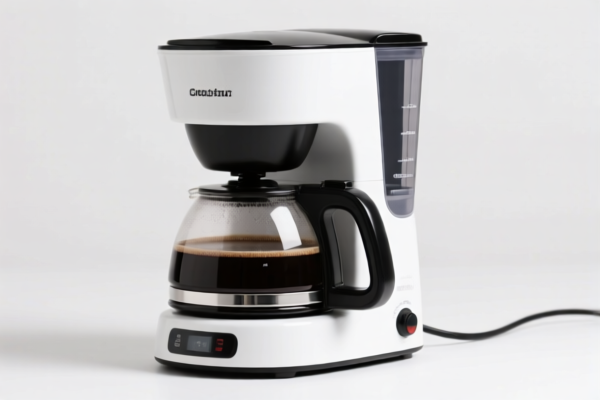
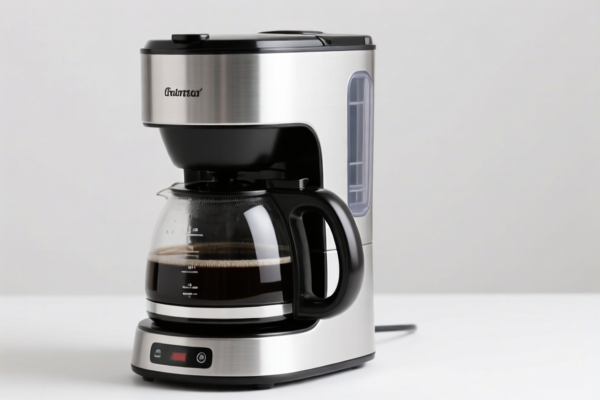
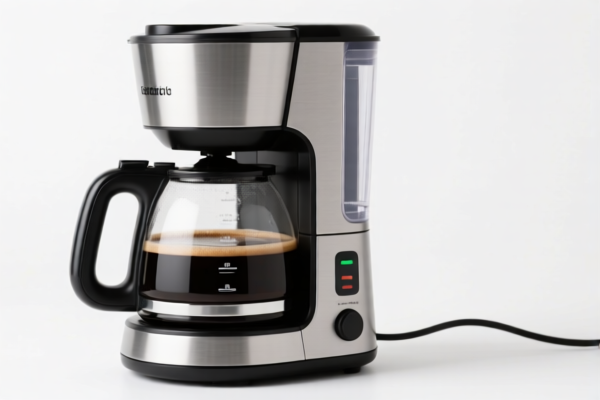
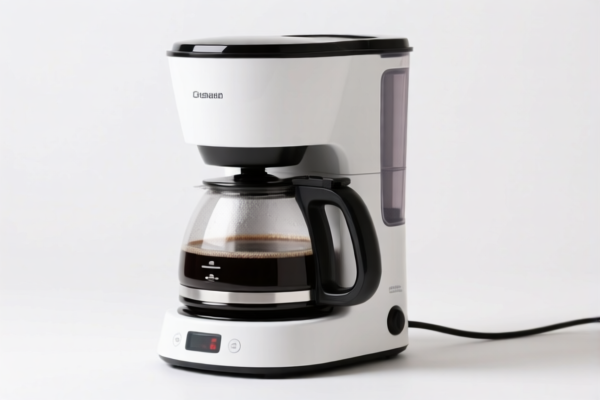
AI分析
🫖 Glass Teapot (Glass Vessels for Drinking)
🌐 HS Code Reference & Clearance Guide | 2026 Latest Tariff Analysis | Professional Customs Strategy
📌 I. Product Definition & Classification: Do You Know the "Glass Teapot" Truly?
In international trade, glass teapot-like drinking vessels are primarily classified under Chapter 70 (Glass and Articles Thereof). The classification hinges on whether the item is considered a specific "Drinking Glass" (Tableware) or falls under general "Glass Containers/Vessels."
1. Tableware Category (Drinking Glasses/Cups): If the item is shaped and marketed specifically as a cup, glass, or teapot for drinking, it often falls under Heading 7013. * Key Characteristic: Designed for direct consumption (water, tea, wine). * Material: Glass, regardless of type (unless crystal/silver-plated, which have different codes).
2. General Container Category (Fallback): If the item does not fit the specific definitions of tableware (e.g., unusual shapes, bulk storage) or is classified as a generic "vessel," it may fall under Heading 7010. * Key Characteristic: Generic glass container, often used as a "catch-all" or fallback classification.
⚠️ Critical Distinction:
- If the item is clearly a drinking vessel/teapot → It is likely 7013.
- If the item is a generic glass jar/vessel not specifically identified as tableware → It is likely 7010.
- Misclassification Risk: Declaring a teapot as a generic container (7010) to lower duties can lead to severe penalties if customs determines it is tableware.
📦 II. HS Code Classification Details (Based on Provided Data)
| HS Code | Product Description (Summary) | Classification Logic | Total Tax Rate |
|---|---|---|---|
7013.37.10.01 |
Glass material, vessel for drinking, matches "Glass Cup" category | Specific Tableware: Classified as a glass cup/teapot for drinking. | 46.0% |
7013.37.20.90 |
Glass material, vessel for drinking, matches "Glass Drinking Cup" description | Specific Tableware: Broader "Glass Cup" sub-category for drinking vessels. | 40.0% |
7010.90.50.39 |
Glass material, belongs to glass containers, judged by "Catch-all" category | Generic Container: Classified as a general glass vessel, not specific tableware. | 35.0% |
7010.90.50.29 |
Glass material, belongs to containers, morphology and classification match | Generic Container: Similar to above, generic container classification. | 35.0% |
🔍 Key Insight:
- Tableware (7013) incurs higher tariffs (40%-46%) due to specific anti-dumping or safeguard measures on glass tableware.
- Generic Containers (7010) incur lower tariffs (35%) but require strict justification that the item is not standard tableware.
- Duplicate Entry:7013.37.10.01appears twice in the data with identical descriptions and rates.
💰 III. 2026 Latest Tariff Rate Breakdown (Detailed Tax Clauses)
✅ Applicable Country: United States (US)
✅ Origin: China (CN)
✅ Effective Time: Current rates apply (Subject to Section 301 & Section 122 modifications)
🎯 1. 7013.37.10.01 & 7013.37.20.90 — Glass Drinking Vessels (Tableware)
| Item | Content |
|---|---|
| Base Tariff | 28.5% (for .01) / 22.5% (for .90) |
| Section 301 Additional Tariff | +7.5% |
| Section 122 Tariff | +10% (Note: Section 122 rates have fluctuated; current data indicates 10%) |
| Total Tax Rate | 46.0% (for .01) / 40.0% (for .90) |
| Calculation Base | CIF Value × Total Rate |
| De Minimis Exemption | ❌ Not Applicable (High-risk category, typically denied) |
📌 Explanation:
- Base Tariff: Reflects the standard Most Favored Nation (MFN) rate for glass tableware.
- Section 301 (7.5%): Part of the ongoing US-China trade tariffs on specific goods.
- Section 122 (10%): Often applied to certain Chinese imports for national security or supply chain reasons.
- Total: A combined rate of 40%-46% makes this a high-cost category for exporters.
🎯 2. 7010.90.50.39 & 7010.90.50.29 — Glass Containers (Generic/Fallback)
| Item | Content |
|---|---|
| Base Tariff | 0.0% |
| Section 301 Additional Tariff | +25.0% |
| Section 122 Tariff | +10% |
| Total Tax Rate | 35.0% |
| Calculation Base | CIF Value × 35% |
| De Minimis Exemption | ❌ Not Applicable (Likely subject to strict scrutiny) |
📌 Explanation:
- Base Tariff: Generic glass containers often have low or zero MFN rates.
- Section 301 (25%): A significant portion of the total tax, indicating these items are still targeted under trade policies.
- Total: 35% is lower than the tableware category, but classifying a teapot as a generic container is risky if it is clearly for drinking.
🛠️ IV. Customs Clearance Practical Advice (Pitfall Avoidance Guide)
✅ 1. Documentation Checklist (Essential)
| Document | Required? | Notes |
|---|---|---|
| ✅ Product Specification Sheet | ✔️ | Must state material (Glass), Use (Drinking Vessel/Teapot), and Capacity. |
| ✅ High-Resolution Photos | ✔️ | Show the item in use (e.g., with tea/water) to prove it is tableware. |
| ✅ Commercial Invoice | ✔️ | Clearly describe as "Glass Teapot" or "Glass Drinking Vessel." Avoid vague terms like "Glass Jar." |
| ✅ Country of Origin Certificate | ✔️ | Crucial for determining applicable Section 301/122 rates. |
| ✅ Customs Ruling (If Available) | ✔️ | Pre-approval from CBP significantly reduces clearance risk. |
✅ 2. Classification Strategy (Key Takeaways)
| Scenario | Recommended HS Code | Risk Level |
|---|---|---|
| Standard Glass Teapot | 7013.37.10.01 or 7013.37.20.90 |
Low Risk (Accurate classification) |
| Bulk Glass Vessels (Not for Direct Drinking) | 7010.90.50.39 |
Medium Risk (Must prove non-tableware use) |
| Mislabeling Teapot as "Jar" | 7010.90.50.29 |
High Risk (Penalties for misclassification) |
🔥 "Declare Truthfully, Classify Accurately!"
- If it’s a teapot, declare it as 7013. Trying to hide it under 7010 to save 5-11% in duties can lead to audits, fines, and shipment delays.
- If the item is unique and not a standard cup/glass, consult a customs broker before declaring under 7010.
✅ 3. Special Situations
| Situation | Handling Advice |
|---|---|
| Set Items (Teapot + Cups) | Declare as a Set if packaged together. The classification usually follows the essential character (often the teapot or cup). |
| Crystallized Glass (Lead Crystal) | Different HS Code (7013.99). Ensure material composition is specified if lead content is high. |
| Low-Value Shipments | Check if De Minimis ($800) applies. However, high tariff rates (Section 301/122) often negate this benefit for Chinese origin goods. Verify current CBP guidelines. |
🌍 V. Global Market Comparison (2026 Update)
| Country/Region | Recommended HS Code | Est. Total Duty | Notes |
|---|---|---|---|
| 🇺🇸 USA | 7013.37.10.01 |
46.0% | High due to Section 301 + 122. |
| 🇪🇺 EU | 7013.37.00.00 |
~6-12% | No Section 301/122. Lower total cost. |
| 🇨🇳 China | 7013.37.00.00 |
~5-10% | Import duties apply, but no anti-dumping on this specific code usually. |
| 🇨🇦 Canada | 7013.37.00.00 |
~6-12% | Similar to EU, no Section 301. |
📌 Conclusion:
- USA is the most expensive market for glass tableware due to additional tariffs.
- Consider supply chain diversification (e.g., manufacturing in Vietnam or Mexico) to mitigate US tariffs, if feasible.
📌 VI. Common Errors & Pitfalls (Lessons Learned)
❌ Error 1: Describing a Teapot as a "Glass Container" to avoid higher tableware tariffs.
👉 Consequence: Customs may reclassify, apply back-tariffs, and issue penalties.
❌ Error 2: Ignoring Section 122 Tariffs.
👉 Consequence: Unexpected 10% charge at clearance, causing cash flow issues.
❌ Error 3: Not providing clear photos.
👉 Consequence: CBP may detain the shipment for "Insufficient Information," delaying delivery by weeks.
✅ Correct Approach:
"Glass Teapot, Heat-Resistant, Borosilicate Glass, 1L Capacity, for Home Use"
→ Declare under 7013.37.10.01 (or relevant 7013 subheading) with accurate HS code.
🎯 VII. Conclusion: Precision Classification, Smooth Clearance
🎯 Key Takeaway:
🔹 "Teapots are Tableware (7013), Not Generic Containers (7010)."
🔹 "Total Tax in US: 40%-46%. Plan accordingly!"
🔹 "Transparency prevents penalties. Accuracy saves time."
📌 Pro Tip:
If your glass teapot is crystal (lead content >24%), use 7013.99 codes, which may have different duty rates. Always verify material composition.
📣 Immediate Action:
📞 Consult a licensed customs broker for a Binding Ruling if you are unsure about the classification.
🚀 Ensure your commercial invoice and packing list match the declared HS Code exactly.
✨ Professional Clearance Starts with Accurate Classification!
💼 Your Cost Savings Depend on Precision!
用户评价
关于 HS 编码归类
协调制度(HS)是由世界海关组织(WCO)制定的国际贸易商品分类标准。全球 200 多个国家采用 HS 系统作为海关关税、贸易统计和进出口监管的基础。
每个 HS 编码遵循以下层级结构:
- 章(2 位)——商品大类(例如:第 84 章:机器和机械设备)
- 品目(4 位)——章内的更具体分类
- 子目(6 位)——国际通用细分,所有 WCO 成员国统一使用
- 本国细分(8-10 位)——各国自行扩展的细分编码,如美国 HTSUS 10 位编码
正确的 HS 编码归类对于顺利通关、准确缴纳关税和遵守贸易法规至关重要。错误归类可能导致海关延误、多缴关税或罚款。
从CN进口到US时,适用的关税税率可能包括:
- 最惠国(MFN)税率——适用于 WTO 成员国的标准关税税率
- 普通税率——适用于无贸易协定国家
- 贸易救济关税——附加关税,如 301 条款(反倾销)、232 条款(国家安全)或反补贴税
本页内容仅供参考。如需正式归类,请咨询当地海关或持牌报关代理。