Glass Teapot
CN → US| HS Code | Tariff Rate | Origin | Destination | Doc |
|---|---|---|---|---|
| 7013371001 | 46.0% | CN | US | Official Doc |
| 7013372090 | 40.0% | CN | US | Official Doc |
| 7010905039 | 35.0% | CN | US | Official Doc |
| 7010905029 | 35.0% | CN | US | Official Doc |
| 7013371001 | 46.0% | CN | US | Official Doc |
Product Images
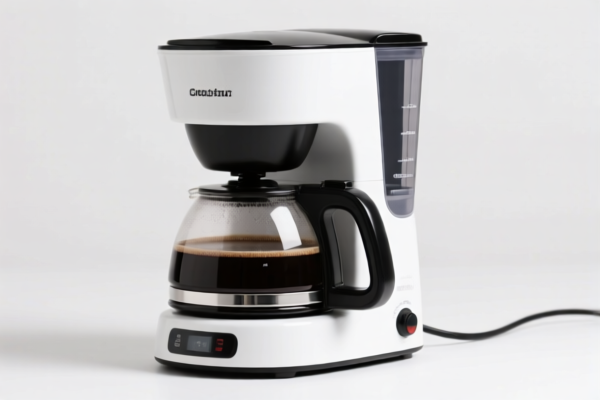
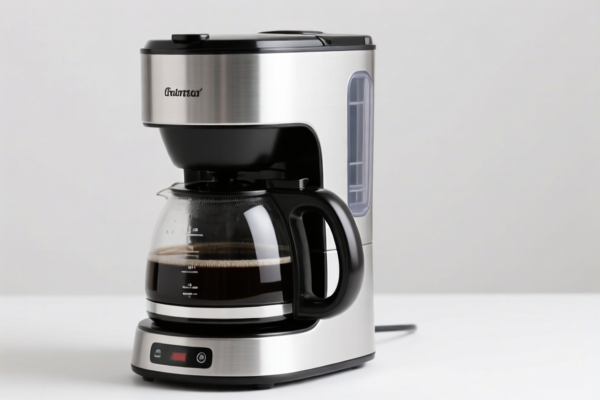
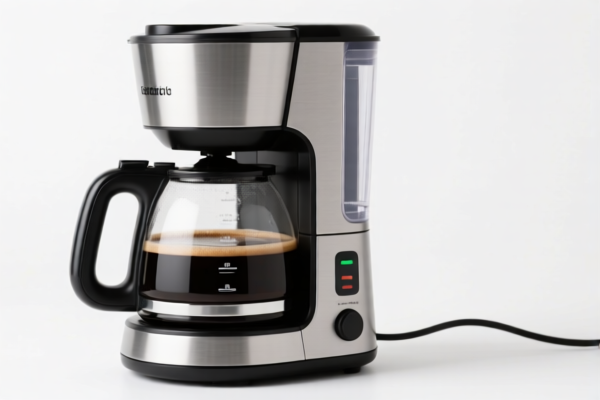
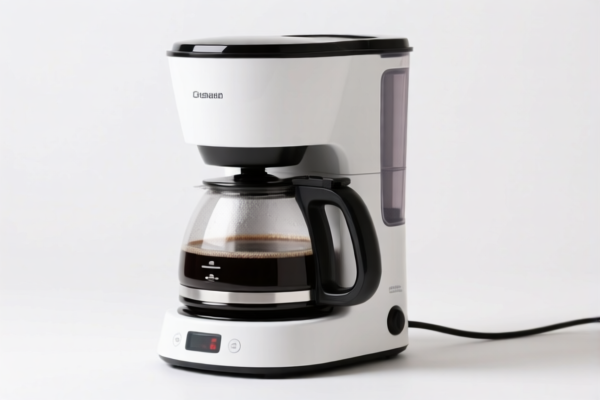
AI Analysis
🫖 Glass Teapot (Glass Vessels for Drinking)
🌐 HS Code Reference & Clearance Guide | 2026 Latest Tariff Analysis | Professional Customs Strategy
📌 I. Product Definition & Classification: Do You Know the "Glass Teapot" Truly?
In international trade, glass teapot-like drinking vessels are primarily classified under Chapter 70 (Glass and Articles Thereof). The classification hinges on whether the item is considered a specific "Drinking Glass" (Tableware) or falls under general "Glass Containers/Vessels."
1. Tableware Category (Drinking Glasses/Cups): If the item is shaped and marketed specifically as a cup, glass, or teapot for drinking, it often falls under Heading 7013. * Key Characteristic: Designed for direct consumption (water, tea, wine). * Material: Glass, regardless of type (unless crystal/silver-plated, which have different codes).
2. General Container Category (Fallback): If the item does not fit the specific definitions of tableware (e.g., unusual shapes, bulk storage) or is classified as a generic "vessel," it may fall under Heading 7010. * Key Characteristic: Generic glass container, often used as a "catch-all" or fallback classification.
⚠️ Critical Distinction:
- If the item is clearly a drinking vessel/teapot → It is likely 7013.
- If the item is a generic glass jar/vessel not specifically identified as tableware → It is likely 7010.
- Misclassification Risk: Declaring a teapot as a generic container (7010) to lower duties can lead to severe penalties if customs determines it is tableware.
📦 II. HS Code Classification Details (Based on Provided Data)
| HS Code | Product Description (Summary) | Classification Logic | Total Tax Rate |
|---|---|---|---|
7013.37.10.01 |
Glass material, vessel for drinking, matches "Glass Cup" category | Specific Tableware: Classified as a glass cup/teapot for drinking. | 46.0% |
7013.37.20.90 |
Glass material, vessel for drinking, matches "Glass Drinking Cup" description | Specific Tableware: Broader "Glass Cup" sub-category for drinking vessels. | 40.0% |
7010.90.50.39 |
Glass material, belongs to glass containers, judged by "Catch-all" category | Generic Container: Classified as a general glass vessel, not specific tableware. | 35.0% |
7010.90.50.29 |
Glass material, belongs to containers, morphology and classification match | Generic Container: Similar to above, generic container classification. | 35.0% |
🔍 Key Insight:
- Tableware (7013) incurs higher tariffs (40%-46%) due to specific anti-dumping or safeguard measures on glass tableware.
- Generic Containers (7010) incur lower tariffs (35%) but require strict justification that the item is not standard tableware.
- Duplicate Entry:7013.37.10.01appears twice in the data with identical descriptions and rates.
💰 III. 2026 Latest Tariff Rate Breakdown (Detailed Tax Clauses)
✅ Applicable Country: United States (US)
✅ Origin: China (CN)
✅ Effective Time: Current rates apply (Subject to Section 301 & Section 122 modifications)
🎯 1. 7013.37.10.01 & 7013.37.20.90 — Glass Drinking Vessels (Tableware)
| Item | Content |
|---|---|
| Base Tariff | 28.5% (for .01) / 22.5% (for .90) |
| Section 301 Additional Tariff | +7.5% |
| Section 122 Tariff | +10% (Note: Section 122 rates have fluctuated; current data indicates 10%) |
| Total Tax Rate | 46.0% (for .01) / 40.0% (for .90) |
| Calculation Base | CIF Value × Total Rate |
| De Minimis Exemption | ❌ Not Applicable (High-risk category, typically denied) |
📌 Explanation:
- Base Tariff: Reflects the standard Most Favored Nation (MFN) rate for glass tableware.
- Section 301 (7.5%): Part of the ongoing US-China trade tariffs on specific goods.
- Section 122 (10%): Often applied to certain Chinese imports for national security or supply chain reasons.
- Total: A combined rate of 40%-46% makes this a high-cost category for exporters.
🎯 2. 7010.90.50.39 & 7010.90.50.29 — Glass Containers (Generic/Fallback)
| Item | Content |
|---|---|
| Base Tariff | 0.0% |
| Section 301 Additional Tariff | +25.0% |
| Section 122 Tariff | +10% |
| Total Tax Rate | 35.0% |
| Calculation Base | CIF Value × 35% |
| De Minimis Exemption | ❌ Not Applicable (Likely subject to strict scrutiny) |
📌 Explanation:
- Base Tariff: Generic glass containers often have low or zero MFN rates.
- Section 301 (25%): A significant portion of the total tax, indicating these items are still targeted under trade policies.
- Total: 35% is lower than the tableware category, but classifying a teapot as a generic container is risky if it is clearly for drinking.
🛠️ IV. Customs Clearance Practical Advice (Pitfall Avoidance Guide)
✅ 1. Documentation Checklist (Essential)
| Document | Required? | Notes |
|---|---|---|
| ✅ Product Specification Sheet | ✔️ | Must state material (Glass), Use (Drinking Vessel/Teapot), and Capacity. |
| ✅ High-Resolution Photos | ✔️ | Show the item in use (e.g., with tea/water) to prove it is tableware. |
| ✅ Commercial Invoice | ✔️ | Clearly describe as "Glass Teapot" or "Glass Drinking Vessel." Avoid vague terms like "Glass Jar." |
| ✅ Country of Origin Certificate | ✔️ | Crucial for determining applicable Section 301/122 rates. |
| ✅ Customs Ruling (If Available) | ✔️ | Pre-approval from CBP significantly reduces clearance risk. |
✅ 2. Classification Strategy (Key Takeaways)
| Scenario | Recommended HS Code | Risk Level |
|---|---|---|
| Standard Glass Teapot | 7013.37.10.01 or 7013.37.20.90 |
Low Risk (Accurate classification) |
| Bulk Glass Vessels (Not for Direct Drinking) | 7010.90.50.39 |
Medium Risk (Must prove non-tableware use) |
| Mislabeling Teapot as "Jar" | 7010.90.50.29 |
High Risk (Penalties for misclassification) |
🔥 "Declare Truthfully, Classify Accurately!"
- If it’s a teapot, declare it as 7013. Trying to hide it under 7010 to save 5-11% in duties can lead to audits, fines, and shipment delays.
- If the item is unique and not a standard cup/glass, consult a customs broker before declaring under 7010.
✅ 3. Special Situations
| Situation | Handling Advice |
|---|---|
| Set Items (Teapot + Cups) | Declare as a Set if packaged together. The classification usually follows the essential character (often the teapot or cup). |
| Crystallized Glass (Lead Crystal) | Different HS Code (7013.99). Ensure material composition is specified if lead content is high. |
| Low-Value Shipments | Check if De Minimis ($800) applies. However, high tariff rates (Section 301/122) often negate this benefit for Chinese origin goods. Verify current CBP guidelines. |
🌍 V. Global Market Comparison (2026 Update)
| Country/Region | Recommended HS Code | Est. Total Duty | Notes |
|---|---|---|---|
| 🇺🇸 USA | 7013.37.10.01 |
46.0% | High due to Section 301 + 122. |
| 🇪🇺 EU | 7013.37.00.00 |
~6-12% | No Section 301/122. Lower total cost. |
| 🇨🇳 China | 7013.37.00.00 |
~5-10% | Import duties apply, but no anti-dumping on this specific code usually. |
| 🇨🇦 Canada | 7013.37.00.00 |
~6-12% | Similar to EU, no Section 301. |
📌 Conclusion:
- USA is the most expensive market for glass tableware due to additional tariffs.
- Consider supply chain diversification (e.g., manufacturing in Vietnam or Mexico) to mitigate US tariffs, if feasible.
📌 VI. Common Errors & Pitfalls (Lessons Learned)
❌ Error 1: Describing a Teapot as a "Glass Container" to avoid higher tableware tariffs.
👉 Consequence: Customs may reclassify, apply back-tariffs, and issue penalties.
❌ Error 2: Ignoring Section 122 Tariffs.
👉 Consequence: Unexpected 10% charge at clearance, causing cash flow issues.
❌ Error 3: Not providing clear photos.
👉 Consequence: CBP may detain the shipment for "Insufficient Information," delaying delivery by weeks.
✅ Correct Approach:
"Glass Teapot, Heat-Resistant, Borosilicate Glass, 1L Capacity, for Home Use"
→ Declare under 7013.37.10.01 (or relevant 7013 subheading) with accurate HS code.
🎯 VII. Conclusion: Precision Classification, Smooth Clearance
🎯 Key Takeaway:
🔹 "Teapots are Tableware (7013), Not Generic Containers (7010)."
🔹 "Total Tax in US: 40%-46%. Plan accordingly!"
🔹 "Transparency prevents penalties. Accuracy saves time."
📌 Pro Tip:
If your glass teapot is crystal (lead content >24%), use 7013.99 codes, which may have different duty rates. Always verify material composition.
📣 Immediate Action:
📞 Consult a licensed customs broker for a Binding Ruling if you are unsure about the classification.
🚀 Ensure your commercial invoice and packing list match the declared HS Code exactly.
✨ Professional Clearance Starts with Accurate Classification!
💼 Your Cost Savings Depend on Precision!
Customer Reviews
About HS Code Classification
The Harmonized System (HS) is an internationally standardized nomenclature developed by the World Customs Organization (WCO) to classify traded products. Over 200 countries use the HS system as the basis for customs tariffs, trade statistics, and import/export regulations.
Each HS code follows a hierarchical structure:
- Chapter (2 digits) — Broad category of goods (e.g., Chapter 84: Machinery and Mechanical Appliances)
- Heading (4 digits) — More specific grouping within the chapter
- Subheading (6 digits) — Internationally standardized breakdown, used by all WCO member countries
- National subdivisions (8-10 digits) — Country-specific extensions for further classification, such as US HTSUS 10-digit codes
Correct HS code classification is essential for smooth customs clearance, accurate duty payment, and compliance with trade regulations. Misclassification can lead to customs delays, overpayment of duties, or penalties.
When importing from CN to US, the applicable tariff rates may include:
- Most-Favored-Nation (MFN) rate — The standard duty rate applied to WTO members
- General rate — Applied to countries without trade agreements
- Trade remedy duties — Additional tariffs such as Section 301 (anti-dumping), Section 232 (national security), or countervailing duties
The information provided on this page is for reference purposes only. For official classification, please consult with your local customs authority or a licensed customs broker.