Goat Skin (Dry, Unprocessed)
CN → US| HS编码 | 关税税率 | 原产国 | 目的国 | 文档 |
|---|---|---|---|---|
| 4105300000 | 12.0% | CN | US | 官方文档 |
| 4105109000 | 12.0% | CN | US | 官方文档 |
| 4102291090 | 17.5% | CN | US | 官方文档 |
| 4102101000 | 17.5% | CN | US | 官方文档 |
| 4301900000 | 10.0% | CN | US | 官方文档 |
| 4301300000 | 10.0% | CN | US | 官方文档 |
商品图片
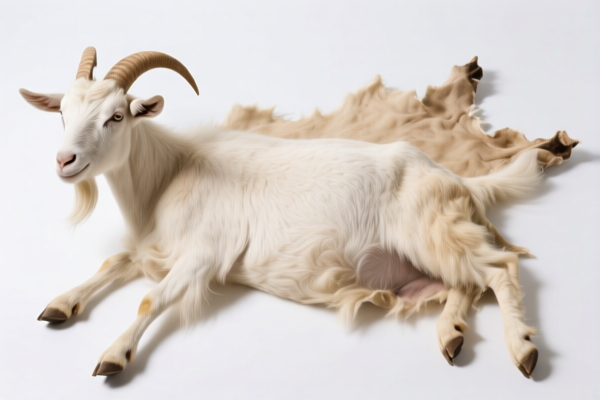
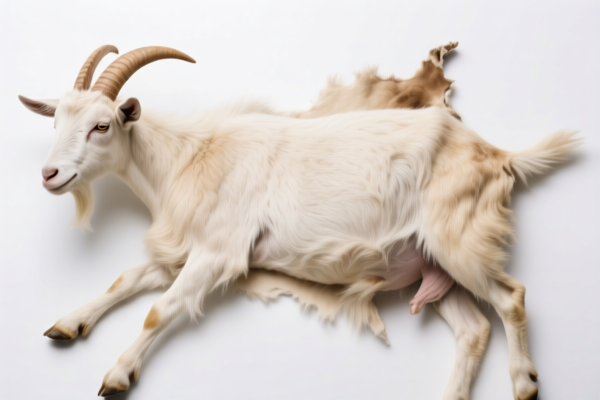
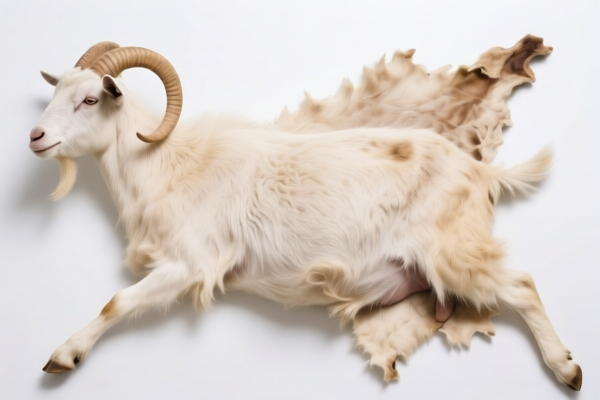
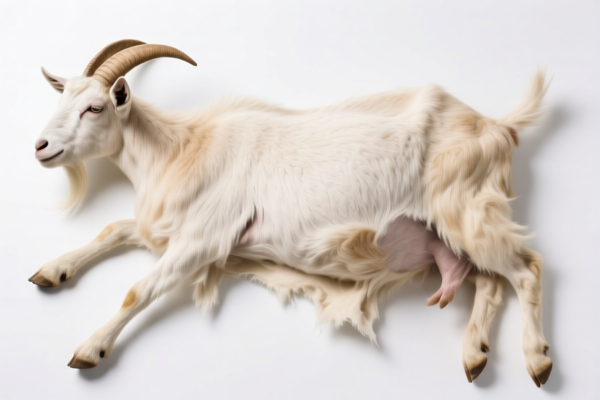
AI分析
🐐 Goat Skin (Dry, Unprocessed)
🌐 HS Code Reference & Customs Clearance Guide | 2026 Latest Tariff Analysis | Professional Clearance Strategy
📌 One: Product Definition & Classification: Do You Really Understand “Goat Skin”?
Goat skin, specifically in its dry and unprocessed state, is a raw material primarily used for leather manufacturing, parchment, or fur. In international trade, the classification depends heavily on three factors: 1. Species: Is it explicitly "Goat" (Capra) or "Sheep" (Ovis)? (Often confused in trade). 2. State: Is it dry, crust, wet-salted, or fresh? 3. With/Without Wool: Does it retain the hair/fleece?
⚠️ Key Distinction Point:
- If labeled strictly as "Goat" (Capra) and Dry/Unprocessed → Look at 4105.
- If labeled as "Sheep" (Ovis) or generic "Lamb/Sheep skin" but you believe it is Goat → Look at 4102.
- If it is considered a "Fur Skin" (intended for fur wear rather than leather tanning) → Look at 4301.
📦 Two: HS Code Classification Details (2026 Latest Tariff Authoritative Comparison)
| HS Code | Product Description | Applicable Scenario | Tax Rate (US/China Origin) |
|---|---|---|---|
4105.30.00.00 |
Goat/Goat Skin, Dry, Unprocessed | Explicitly Goat skin, dry state, no tanning. | 12.0% (Base 2% + Section 122 10%) |
4105.10.90.00 |
Sheep/Lamb Skin, Dry, Unprocessed | Sheep skin, dry state. Often used if species is ambiguous but fits sheep characteristics. | 12.0% (Base 2% + Section 122 10%) |
4102.29.10.90 |
Sheep Skin, Unprocessed, Dry, Without Wool | Sheep skin, dry, de-haired (no fleece). | 17.5% (Base 0% + Section 301 7.5% + Section 122 10%) |
4102.10.10.00 |
Sheep Skin, Unprocessed, With Wool | Sheep skin, dry, with wool/fleece intact. | 17.5% (Base 0% + Section 301 7.5% + Section 122 10%) |
4301.90.00.00 |
Fur Skins, Other (Unprocessed) | Classified as fur raw material (for furriers), not leather. | 10.0% (Base 0% + Section 122 10%) |
4301.30.00.00 |
Lamb/Fur Skins, Unprocessed | Specific fur lamb skins, unprocessed. | 10.0% (Base 0% + Section 122 10%) |
🔍 Key Reminder:
- 4105 vs. 4102: The primary difference is often the species. 4105 is for Goat (and kids of goats). 4102 is for Sheep/Lamb.
- Section 122 Tariff: A 10% additional tariff applies to most of these items under recent trade provisions.
- Section 301 Tariff: Applies to 4102 codes (Sheep/Lamb) at 7.5%, NOT to 4105 (Goat) or 4301 (Fur).
- Misclassification Risk: Declaring Sheep skin as Goat skin to save taxes is a common audit target.
💰 Three: 2026 Latest Tariff Rate Detailed Explanation
✅ Applicable Country: United States (US)
✅ Country of Origin: China (CN)
✅ Effective Date: Current trade policy applies (including Section 122 and Section 301).
🎯 1. 4105.30.00.00 —— Goat Skin, Dry, Unprocessed (The "Pure Goat" Category)
| Item | Details |
|---|---|
| Base Tariff | 2.0% (ad valorem) |
| Section 301 Surcharge | 0.0% (Does not apply to 4105) |
| Section 122 Surcharge | +10.0% |
| Total Tariff Rate | 12.0% |
| Tax Calculation | CIF Value × 12% |
| De Minimis Exemption | ❌ Not Applicable (High value raw material) |
| Legal Basis | USITC:4105.30.00.00 + Section 122: 10% |
📌 Explanation:
- This is the most favorable rate for Goat skins.
- It avoids the 7.5% Section 301 tariff that hits Sheep/Lamb skins.
- Crucial: Must be genuinely Goat skin. If Customs determines it is Sheep, you will be reassessed to 4102 (17.5%).
🎯 2. 4105.10.90.00 —— Sheep/Lamb Skin, Dry, Unprocessed (Ambiguous Species)
| Item | Details |
|---|---|
| Base Tariff | 2.0% |
| Section 301 Surcharge | 0.0% |
| Section 122 Surcharge | +10.0% |
| Total Tariff Rate | 12.0% |
| Tax Calculation | CIF Value × 12% |
| Legal Basis | USITC:4105.10.90.00 + Section 122: 10% |
📌 Note:
- Often used if the skin is Sheep but fits the general "dry/unprocessed" criteria under 4105.
- Same rate as Goat (12%), but subject to stricter species verification.
🎯 3. 4102.29.10.90 & 4102.10.10.00 —— Sheep/Lamb Skins (With/Without Wool)
| Item | Details |
|---|---|
| Base Tariff | 0.0% |
| Section 301 Surcharge | +7.5% |
| Section 122 Surcharge | +10.0% |
| Total Tariff Rate | 17.5% |
| Tax Calculation | CIF Value × 17.5% |
| Difference | +$5.5% higher than Goat/4105 codes. |
📌 Critical Alert:
- If your "Goat" skin is actually Sheep skin, you pay 17.5%.
- 4102.29.10.90: Dry, unprocessed, without wool.
- 4102.10.10.00: Dry, unprocessed, with wool.
🎯 4. 4301.90.00.00 & 4301.30.00.00 —— Fur Skins (Not Leather)
| Item | Details |
|---|---|
| Base Tariff | 0.0% |
| Section 301 Surcharge | 0.0% |
| Section 122 Surcharge | +10.0% |
| Total Tariff Rate | 10.0% |
| Purpose | Intended for furriers (coat linings, trim), not tanneries (leather). |
📌 Distinction:
- If the skin is processed for fur (not leather), it goes to Chapter 43.
- Cheaper rate (10%), but requires proof of fur use.
- Risk: Misdeclaring leather skins as fur to save taxes is a major audit risk.
🛠️ Four: Customs Clearance Practical Advice (Pitfall Avoidance Guide)
✅ 1. Required Documentation Checklist (None Can Be Omitted)
| Document | Mandatory? | Notes |
|---|---|---|
| ✅ Species Declaration | ✔️ Critical | Must specify Goat (Capra) vs. Sheep (Ovis). Botanical/Zoological details help. |
| ✅ State of Processing | ✔️ Critical | Must confirm Dry and Unprocessed (No tanning, no curing). |
| ✅ Photos of Skins | ✔️ Essential | Clear images showing hair follicles, texture, and any wool presence. |
| ✅ Commercial Invoice | ✔️ Required | Describe as "Dry Goat Skin, Unprocessed, for Leather Manufacturing". |
| ✅ Packing List | ✔️ Required | Detail weight, quantity, and skin sizes. |
| ✅ Lab Test Report | ⚠️ Optional but Recommended | DNA test or microscopic analysis to prove species if disputed. |
✅ 2. Declaration Tips (Key Mantras)
🔥 “Species First, State Clear, Fur vs Leather, Choose Carefully!”
| Scenario | Correct Declaration | Common Error |
|---|---|---|
| Goat Skin, Dry | 4105.30.00.00 |
Mislabeling as Sheep → 17.5% instead of 12% |
| Sheep Skin, Dry, No Wool | 4102.29.10.90 |
Labeling as Goat → Audit Risk & Penalties |
| Sheep Skin, Dry, With Wool | 4102.10.10.00 |
Labeling as Goat → Audit Risk & Penalties |
| Fur Lamb Skin | 4301.30.00.00 |
Labeling as Leather Raw → Wrong Chapter (41 vs 43) |
| Generic "Animal Skin" | ❌ Avoid | Vague descriptions lead to manual inspection & delays |
✅ 3. Special Cases Handling
| Situation | Recommendation |
|---|---|
| Ambiguous Species | If you cannot distinguish Goat vs. Sheep, use 4105.10.90.00 (12%) but be prepared to justify. If it’s clearly Sheep, use 4102 (17.5%) to avoid fraud allegations. |
| Mixed Batches (Goat & Sheep) | Do not mix in one HS Code. Separate shipments or declare accurately. Mixed declaration is high-risk. |
| Intended for Fur | If selling to furriers, use Chapter 43. Provide end-user certificate or fur industry association letter. |
| Intended for Leather | Must use Chapter 41. Provide tannery contract or leather manufacturing plan. |
🌍 Five: Global Market Customs Comparison (2026 Latest)
| Country/Region | Recommended HS Code | Tariff Rate | Certification | Notes |
|---|---|---|---|---|
| 🇺🇸 USA | 4105.30.00.00 |
12.0% | None | Section 122 (10%) applies. |
| 🇨🇳 China | 4105.30.00.00 |
~10-15% | None | Import duties vary; check latest Chinese tariff book. |
| 🇪🇺 EU | 4105.30.00 |
~2.5% + 3% | REACH | No Section 122/301. Lower base rate. |
| 🇬🇧 UK | 4105.30.00 |
~2.5% | UKCA | Post-Brexit tariffs apply. |
| 🇦🇺 Australia | 4105.30.00 |
~5% | None | Lower tariffs generally. |
📌 Conclusion:
- USA has higher effective tariffs due to Section 122 (10%).
- EU/UK/Australia are cheaper for raw skins (~2-5%).
- Cost Benefit: If shipping to US, ensure species accuracy to avoid 5.5% penalty on Sheep skins.
📌 Six: Common Mistakes & Pitfall Guide (Lessons Learned)
❌ Mistake 1: Declaring Sheep Skin as Goat Skin
👉 Consequence: Customs audits → Reassignment to 4102.10/4102.29 → +$5.5% tax + Penalties.
❌ Mistake 2: Declaring Leather Skin as Fur Skin (4301)
👉 Consequence: Misuse of Chapter 43 → Seizure or heavy fines. Leather skins belong in Chapter 41.
❌ Mistake 3: Vague Description "Animal Skin"
👉 Consequence: Customs holds shipment → Requires species verification → Delays & Storage Fees.
❌ Mistake 4: Ignoring Section 122
👉 Consequence: Underpaying tariff. All listed codes include 10% Section 122. Total cost must reflect this.
✅ Correct Practice:
"Dry, Unprocessed Goat Skin (Capra hircus), for Leather Tanning, HS 4105.30.00.00"
🎯 Seven: Conclusion: Precision in Classification Saves Money!
🎯 Remember the Mantra:
🔹 "Goat is 12%, Sheep is 17.5%. Fur is 10%. Get the species right!"
🔹 "Chapter 41 for Leather, Chapter 43 for Fur. Don’t mix them!"
🔹 "Section 122 adds 10%. Include it in your cost model."
📌 Pro Tip:
If you are unsure of the species, order a DNA test from a lab before shipment. The cost of the test is far less than the 5.5% difference between Goat (12%) and Sheep (17.5%) tariffs, plus the risk of penalties.
📣 Immediate Action:
📞 Verify Species with your supplier.
📋 Prepare Photos showing skin texture and hair follicles.
🚀 Declare Accurately using4105.30.00.00for Goats or4102.xxxxfor Sheep.
✨ Professional Customs Clearance Starts with Accurate Classification!
💼 Every Percent of Tariff Counts!
用户评价
关于 HS 编码归类
协调制度(HS)是由世界海关组织(WCO)制定的国际贸易商品分类标准。全球 200 多个国家采用 HS 系统作为海关关税、贸易统计和进出口监管的基础。
每个 HS 编码遵循以下层级结构:
- 章(2 位)——商品大类(例如:第 84 章:机器和机械设备)
- 品目(4 位)——章内的更具体分类
- 子目(6 位)——国际通用细分,所有 WCO 成员国统一使用
- 本国细分(8-10 位)——各国自行扩展的细分编码,如美国 HTSUS 10 位编码
正确的 HS 编码归类对于顺利通关、准确缴纳关税和遵守贸易法规至关重要。错误归类可能导致海关延误、多缴关税或罚款。
从CN进口到US时,适用的关税税率可能包括:
- 最惠国(MFN)税率——适用于 WTO 成员国的标准关税税率
- 普通税率——适用于无贸易协定国家
- 贸易救济关税——附加关税,如 301 条款(反倾销)、232 条款(国家安全)或反补贴税
本页内容仅供参考。如需正式归类,请咨询当地海关或持牌报关代理。