Goat Skin (Dry, Unprocessed)
CN → US| HS Code | Tariff Rate | Origin | Destination | Doc |
|---|---|---|---|---|
| 4105300000 | 12.0% | CN | US | Official Doc |
| 4105109000 | 12.0% | CN | US | Official Doc |
| 4102291090 | 17.5% | CN | US | Official Doc |
| 4102101000 | 17.5% | CN | US | Official Doc |
| 4301900000 | 10.0% | CN | US | Official Doc |
| 4301300000 | 10.0% | CN | US | Official Doc |
Product Images
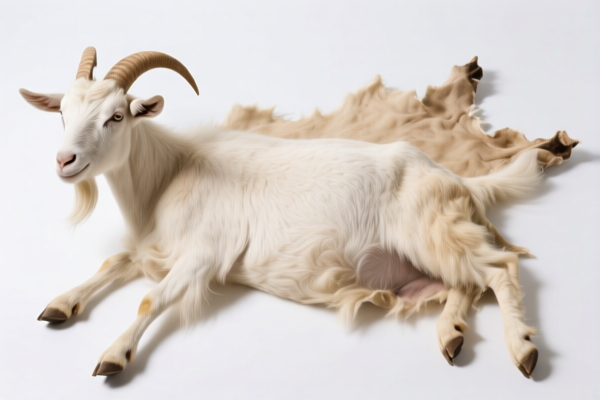
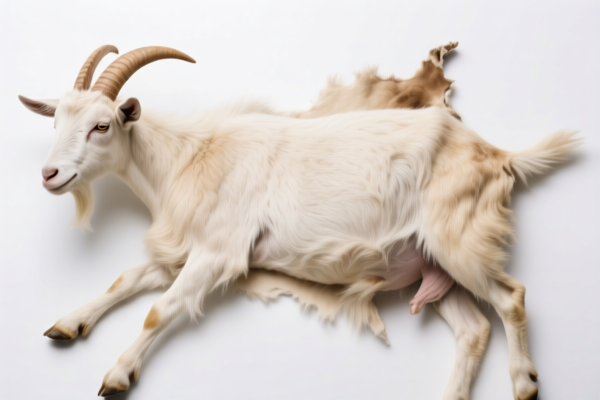
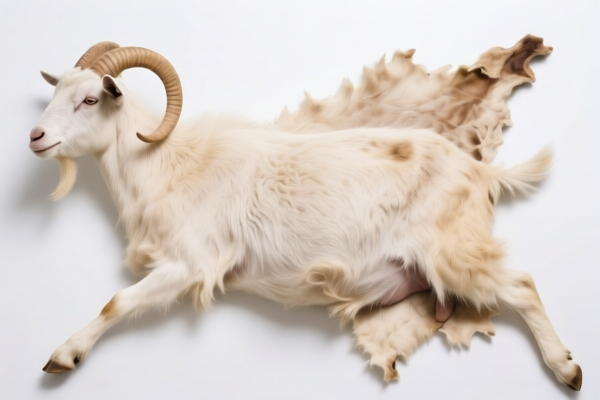
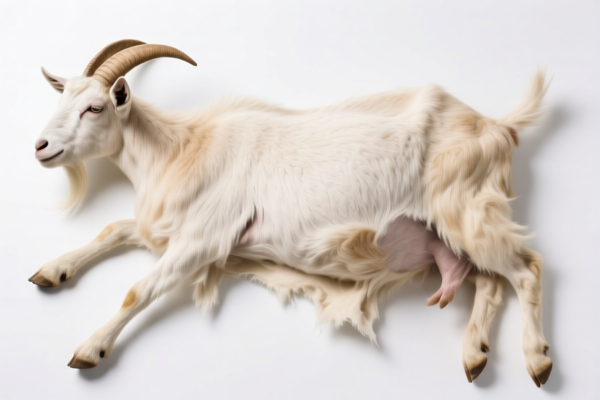
AI Analysis
🐐 Goat Skin (Dry, Unprocessed)
🌐 HS Code Reference & Customs Clearance Guide | 2026 Latest Tariff Analysis | Professional Clearance Strategy
📌 One: Product Definition & Classification: Do You Really Understand “Goat Skin”?
Goat skin, specifically in its dry and unprocessed state, is a raw material primarily used for leather manufacturing, parchment, or fur. In international trade, the classification depends heavily on three factors: 1. Species: Is it explicitly "Goat" (Capra) or "Sheep" (Ovis)? (Often confused in trade). 2. State: Is it dry, crust, wet-salted, or fresh? 3. With/Without Wool: Does it retain the hair/fleece?
⚠️ Key Distinction Point:
- If labeled strictly as "Goat" (Capra) and Dry/Unprocessed → Look at 4105.
- If labeled as "Sheep" (Ovis) or generic "Lamb/Sheep skin" but you believe it is Goat → Look at 4102.
- If it is considered a "Fur Skin" (intended for fur wear rather than leather tanning) → Look at 4301.
📦 Two: HS Code Classification Details (2026 Latest Tariff Authoritative Comparison)
| HS Code | Product Description | Applicable Scenario | Tax Rate (US/China Origin) |
|---|---|---|---|
4105.30.00.00 |
Goat/Goat Skin, Dry, Unprocessed | Explicitly Goat skin, dry state, no tanning. | 12.0% (Base 2% + Section 122 10%) |
4105.10.90.00 |
Sheep/Lamb Skin, Dry, Unprocessed | Sheep skin, dry state. Often used if species is ambiguous but fits sheep characteristics. | 12.0% (Base 2% + Section 122 10%) |
4102.29.10.90 |
Sheep Skin, Unprocessed, Dry, Without Wool | Sheep skin, dry, de-haired (no fleece). | 17.5% (Base 0% + Section 301 7.5% + Section 122 10%) |
4102.10.10.00 |
Sheep Skin, Unprocessed, With Wool | Sheep skin, dry, with wool/fleece intact. | 17.5% (Base 0% + Section 301 7.5% + Section 122 10%) |
4301.90.00.00 |
Fur Skins, Other (Unprocessed) | Classified as fur raw material (for furriers), not leather. | 10.0% (Base 0% + Section 122 10%) |
4301.30.00.00 |
Lamb/Fur Skins, Unprocessed | Specific fur lamb skins, unprocessed. | 10.0% (Base 0% + Section 122 10%) |
🔍 Key Reminder:
- 4105 vs. 4102: The primary difference is often the species. 4105 is for Goat (and kids of goats). 4102 is for Sheep/Lamb.
- Section 122 Tariff: A 10% additional tariff applies to most of these items under recent trade provisions.
- Section 301 Tariff: Applies to 4102 codes (Sheep/Lamb) at 7.5%, NOT to 4105 (Goat) or 4301 (Fur).
- Misclassification Risk: Declaring Sheep skin as Goat skin to save taxes is a common audit target.
💰 Three: 2026 Latest Tariff Rate Detailed Explanation
✅ Applicable Country: United States (US)
✅ Country of Origin: China (CN)
✅ Effective Date: Current trade policy applies (including Section 122 and Section 301).
🎯 1. 4105.30.00.00 —— Goat Skin, Dry, Unprocessed (The "Pure Goat" Category)
| Item | Details |
|---|---|
| Base Tariff | 2.0% (ad valorem) |
| Section 301 Surcharge | 0.0% (Does not apply to 4105) |
| Section 122 Surcharge | +10.0% |
| Total Tariff Rate | 12.0% |
| Tax Calculation | CIF Value × 12% |
| De Minimis Exemption | ❌ Not Applicable (High value raw material) |
| Legal Basis | USITC:4105.30.00.00 + Section 122: 10% |
📌 Explanation:
- This is the most favorable rate for Goat skins.
- It avoids the 7.5% Section 301 tariff that hits Sheep/Lamb skins.
- Crucial: Must be genuinely Goat skin. If Customs determines it is Sheep, you will be reassessed to 4102 (17.5%).
🎯 2. 4105.10.90.00 —— Sheep/Lamb Skin, Dry, Unprocessed (Ambiguous Species)
| Item | Details |
|---|---|
| Base Tariff | 2.0% |
| Section 301 Surcharge | 0.0% |
| Section 122 Surcharge | +10.0% |
| Total Tariff Rate | 12.0% |
| Tax Calculation | CIF Value × 12% |
| Legal Basis | USITC:4105.10.90.00 + Section 122: 10% |
📌 Note:
- Often used if the skin is Sheep but fits the general "dry/unprocessed" criteria under 4105.
- Same rate as Goat (12%), but subject to stricter species verification.
🎯 3. 4102.29.10.90 & 4102.10.10.00 —— Sheep/Lamb Skins (With/Without Wool)
| Item | Details |
|---|---|
| Base Tariff | 0.0% |
| Section 301 Surcharge | +7.5% |
| Section 122 Surcharge | +10.0% |
| Total Tariff Rate | 17.5% |
| Tax Calculation | CIF Value × 17.5% |
| Difference | +$5.5% higher than Goat/4105 codes. |
📌 Critical Alert:
- If your "Goat" skin is actually Sheep skin, you pay 17.5%.
- 4102.29.10.90: Dry, unprocessed, without wool.
- 4102.10.10.00: Dry, unprocessed, with wool.
🎯 4. 4301.90.00.00 & 4301.30.00.00 —— Fur Skins (Not Leather)
| Item | Details |
|---|---|
| Base Tariff | 0.0% |
| Section 301 Surcharge | 0.0% |
| Section 122 Surcharge | +10.0% |
| Total Tariff Rate | 10.0% |
| Purpose | Intended for furriers (coat linings, trim), not tanneries (leather). |
📌 Distinction:
- If the skin is processed for fur (not leather), it goes to Chapter 43.
- Cheaper rate (10%), but requires proof of fur use.
- Risk: Misdeclaring leather skins as fur to save taxes is a major audit risk.
🛠️ Four: Customs Clearance Practical Advice (Pitfall Avoidance Guide)
✅ 1. Required Documentation Checklist (None Can Be Omitted)
| Document | Mandatory? | Notes |
|---|---|---|
| ✅ Species Declaration | ✔️ Critical | Must specify Goat (Capra) vs. Sheep (Ovis). Botanical/Zoological details help. |
| ✅ State of Processing | ✔️ Critical | Must confirm Dry and Unprocessed (No tanning, no curing). |
| ✅ Photos of Skins | ✔️ Essential | Clear images showing hair follicles, texture, and any wool presence. |
| ✅ Commercial Invoice | ✔️ Required | Describe as "Dry Goat Skin, Unprocessed, for Leather Manufacturing". |
| ✅ Packing List | ✔️ Required | Detail weight, quantity, and skin sizes. |
| ✅ Lab Test Report | ⚠️ Optional but Recommended | DNA test or microscopic analysis to prove species if disputed. |
✅ 2. Declaration Tips (Key Mantras)
🔥 “Species First, State Clear, Fur vs Leather, Choose Carefully!”
| Scenario | Correct Declaration | Common Error |
|---|---|---|
| Goat Skin, Dry | 4105.30.00.00 |
Mislabeling as Sheep → 17.5% instead of 12% |
| Sheep Skin, Dry, No Wool | 4102.29.10.90 |
Labeling as Goat → Audit Risk & Penalties |
| Sheep Skin, Dry, With Wool | 4102.10.10.00 |
Labeling as Goat → Audit Risk & Penalties |
| Fur Lamb Skin | 4301.30.00.00 |
Labeling as Leather Raw → Wrong Chapter (41 vs 43) |
| Generic "Animal Skin" | ❌ Avoid | Vague descriptions lead to manual inspection & delays |
✅ 3. Special Cases Handling
| Situation | Recommendation |
|---|---|
| Ambiguous Species | If you cannot distinguish Goat vs. Sheep, use 4105.10.90.00 (12%) but be prepared to justify. If it’s clearly Sheep, use 4102 (17.5%) to avoid fraud allegations. |
| Mixed Batches (Goat & Sheep) | Do not mix in one HS Code. Separate shipments or declare accurately. Mixed declaration is high-risk. |
| Intended for Fur | If selling to furriers, use Chapter 43. Provide end-user certificate or fur industry association letter. |
| Intended for Leather | Must use Chapter 41. Provide tannery contract or leather manufacturing plan. |
🌍 Five: Global Market Customs Comparison (2026 Latest)
| Country/Region | Recommended HS Code | Tariff Rate | Certification | Notes |
|---|---|---|---|---|
| 🇺🇸 USA | 4105.30.00.00 |
12.0% | None | Section 122 (10%) applies. |
| 🇨🇳 China | 4105.30.00.00 |
~10-15% | None | Import duties vary; check latest Chinese tariff book. |
| 🇪🇺 EU | 4105.30.00 |
~2.5% + 3% | REACH | No Section 122/301. Lower base rate. |
| 🇬🇧 UK | 4105.30.00 |
~2.5% | UKCA | Post-Brexit tariffs apply. |
| 🇦🇺 Australia | 4105.30.00 |
~5% | None | Lower tariffs generally. |
📌 Conclusion:
- USA has higher effective tariffs due to Section 122 (10%).
- EU/UK/Australia are cheaper for raw skins (~2-5%).
- Cost Benefit: If shipping to US, ensure species accuracy to avoid 5.5% penalty on Sheep skins.
📌 Six: Common Mistakes & Pitfall Guide (Lessons Learned)
❌ Mistake 1: Declaring Sheep Skin as Goat Skin
👉 Consequence: Customs audits → Reassignment to 4102.10/4102.29 → +$5.5% tax + Penalties.
❌ Mistake 2: Declaring Leather Skin as Fur Skin (4301)
👉 Consequence: Misuse of Chapter 43 → Seizure or heavy fines. Leather skins belong in Chapter 41.
❌ Mistake 3: Vague Description "Animal Skin"
👉 Consequence: Customs holds shipment → Requires species verification → Delays & Storage Fees.
❌ Mistake 4: Ignoring Section 122
👉 Consequence: Underpaying tariff. All listed codes include 10% Section 122. Total cost must reflect this.
✅ Correct Practice:
"Dry, Unprocessed Goat Skin (Capra hircus), for Leather Tanning, HS 4105.30.00.00"
🎯 Seven: Conclusion: Precision in Classification Saves Money!
🎯 Remember the Mantra:
🔹 "Goat is 12%, Sheep is 17.5%. Fur is 10%. Get the species right!"
🔹 "Chapter 41 for Leather, Chapter 43 for Fur. Don’t mix them!"
🔹 "Section 122 adds 10%. Include it in your cost model."
📌 Pro Tip:
If you are unsure of the species, order a DNA test from a lab before shipment. The cost of the test is far less than the 5.5% difference between Goat (12%) and Sheep (17.5%) tariffs, plus the risk of penalties.
📣 Immediate Action:
📞 Verify Species with your supplier.
📋 Prepare Photos showing skin texture and hair follicles.
🚀 Declare Accurately using4105.30.00.00for Goats or4102.xxxxfor Sheep.
✨ Professional Customs Clearance Starts with Accurate Classification!
💼 Every Percent of Tariff Counts!
Customer Reviews
About HS Code Classification
The Harmonized System (HS) is an internationally standardized nomenclature developed by the World Customs Organization (WCO) to classify traded products. Over 200 countries use the HS system as the basis for customs tariffs, trade statistics, and import/export regulations.
Each HS code follows a hierarchical structure:
- Chapter (2 digits) — Broad category of goods (e.g., Chapter 84: Machinery and Mechanical Appliances)
- Heading (4 digits) — More specific grouping within the chapter
- Subheading (6 digits) — Internationally standardized breakdown, used by all WCO member countries
- National subdivisions (8-10 digits) — Country-specific extensions for further classification, such as US HTSUS 10-digit codes
Correct HS code classification is essential for smooth customs clearance, accurate duty payment, and compliance with trade regulations. Misclassification can lead to customs delays, overpayment of duties, or penalties.
When importing from CN to US, the applicable tariff rates may include:
- Most-Favored-Nation (MFN) rate — The standard duty rate applied to WTO members
- General rate — Applied to countries without trade agreements
- Trade remedy duties — Additional tariffs such as Section 301 (anti-dumping), Section 232 (national security), or countervailing duties
The information provided on this page is for reference purposes only. For official classification, please consult with your local customs authority or a licensed customs broker.