Gray Plastic Toilet Seat
CN → US| HS编码 | 关税税率 | 原产国 | 目的国 | 文档 |
|---|---|---|---|---|
| 9403708031 | 35.0% | CN | US | 官方文档 |
| 9403708002 | 35.0% | CN | US | 官方文档 |
| 3926902100 | 21.7% | CN | US | 官方文档 |
| 3926909950 | 22.8% | CN | US | 官方文档 |
| 9403708031 | 35.0% | CN | US | 官方文档 |
商品图片
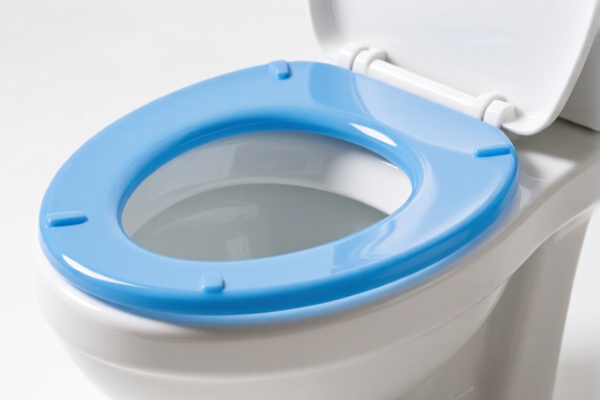
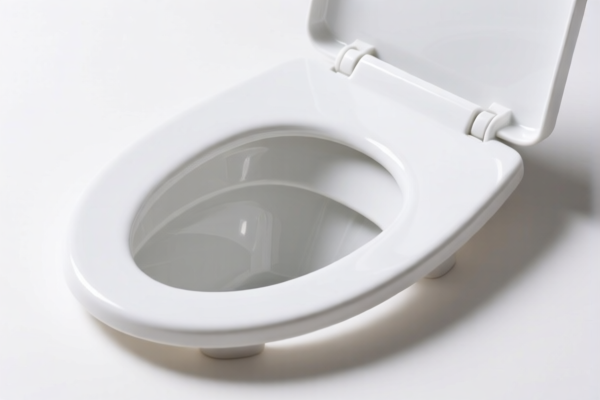
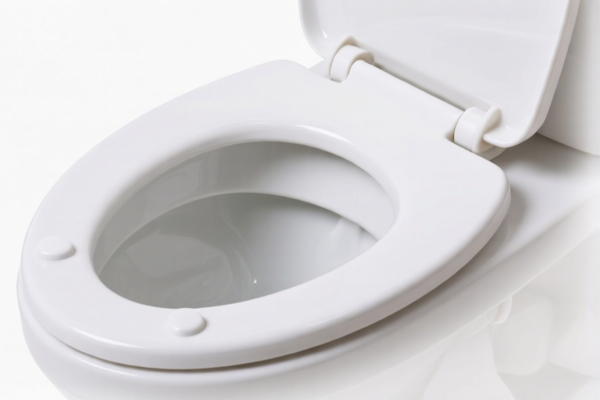
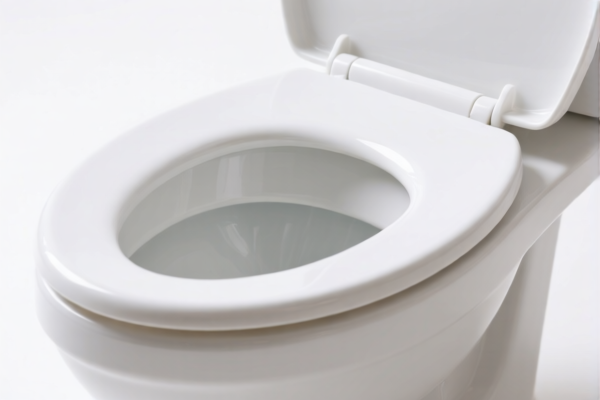
AI分析
🚽 Gray Plastic Toilet Seat (Plastic Household Accessories)
🌐 HS Code Reference & Customs Clearance Guide | 2026 Latest Tariff Analysis | Professional-Level Compliance Strategy
📌 I. Product Definition & Classification: Do You Truly Understand "Plastic Toilet Seats"?
A gray plastic toilet seat is a critical component of bathroom fixtures, categorized under plastic articles or furniture accessories depending on its structural integration. In international trade, the classification hinges on whether it is viewed as a standalone "plastic article" (Chapter 39) or an integral part of "furniture" (Chapter 94).
Key Classification Logic:
1. As Furniture Accessory (Chapter 94): If marketed specifically as a replacement part for a toilet (considered furniture in HS nomenclature), it may fall under 9403.
2. As Plastic Article (Chapter 39): If treated as a generic plastic molded household item without specific furniture integration, it falls under 3926.
⚠️ Critical Distinction:
- If declared as "Toilet Seat" or "Furniture Part": Tends toward 9403.70.80.x (Furniture parts).
- If declared as "Plastic Household Accessory" or "Molded Plastic Part": Tends toward 3926.90.x (Other plastic articles).
📦 II. HS Code Classification Details (2026 Authorized Reference)
Based on the provided dataset, here are the four valid HS Codes for Gray Plastic Toilet Seats, along with their specific tax implications.
| HS Code | Product Description | Classification Logic | Total Tax Rate (US/CN) |
|---|---|---|---|
9403.70.80.31 |
Plastic Furniture Part – Gray plastic toilet seat classified as a furniture accessory. | Fits logic of furniture accessories/components made of plastic. | 35.0% |
9403.70.80.02 |
Plastic Home/Furniture Accessory – General plastic home goods零配件. | Broad category for plastic parts under furniture/home goods. | 35.0% |
3926.90.21.00 |
Plastic Household Accessory – Other plastic products for home use. | Classified as a generic plastic household item, not specific furniture part. | 21.7% |
3926.90.99.50 |
Other Plastic Articles – No specific medical or furniture intent declared. | Catch-all for plastic products not elsewhere specified. | 22.8% |
🔍 Key Insight:
- Cheapest Route:3926.90.21.00(21.7%) – Best for generic plastic household accessories.
- Most Expensive Route:9403.70.80.x(35.0%) – Higher base due to "furniture" classification + higher add-on tariffs.
- Why the Difference? The "Furniture" chapter (94) often carries higher punitive tariffs under US-China trade terms (Section 301) compared to general "Plastic Articles" (39).
💰 III. 2026 Tariff Breakdown (Including Surtaxes & Policy Add-ons)
✅ Applicable Country: United States (US)
✅ Origin: China (CN)
✅ Effective Date: November 10, 2025 (and subsequent imports)
🎯 1. High-Tariff Route: Furniture Parts (9403.70.80.31 & 9403.70.80.02)
| Item | Detail |
|---|---|
| Base Tariff | 0.0% (Ad Valorem) |
| Section 301 Surcharge | +25.0% (USITC Footnote for Chinese imports) |
| Section 122 Surcharge | +10.0% (Specific tariff for certain Chinese goods) |
| Total Tax Rate | 35.0% |
| Tax Calculation | CIF Value × 35% |
| De Minimis Exemption | ❌ Not Eligible (Deny de minimis) |
| Legal Path | Section 301: 9403 → Section 122: 10% → 35% Total |
📌 Explanation:
- 0% Base: Furniture parts often have 0% MFN base rate.
- 25% Section 301: Standard punitive tariff on Chinese furniture/plastic furniture parts.
- 10% Section 122: Additional levy under specific trade enforcement clauses.
- Result: 35% is a heavy burden. Not recommended unless legally required by specific product design.
🎯 2. Lower-Tariff Route: Plastic Household Accessory (3926.90.21.00)
| Item | Detail |
|---|---|
| Base Tariff | 4.2% |
| Section 301 Surcharge | +7.5% (Reduced Section 301 rate for some plastic articles) |
| Section 122 Surcharge | +10.0% |
| Total Tax Rate | 21.7% |
| Tax Calculation | CIF Value × 21.7% |
| De Minimis Exemption | ❌ Not Eligible (Deny de minimis) |
| Legal Path | Base: 4.2% → Section 301: 7.5% → Section 122: 10% → 21.7% Total |
📌 Note:
- This is the most cost-effective classification for generic plastic toilet seats.
- Justify as "Plastic Household Accessory" rather than "Furniture Part" in commercial invoices.
🎯 3. Mid-Tariff Route: Other Plastic Articles (3926.90.99.50)
| Item | Detail |
|---|---|
| Base Tariff | 5.3% |
| Section 301 Surcharge | +7.5% |
| Section 122 Surcharge | +10.0% |
| Total Tax Rate | 22.8% |
| Tax Calculation | CIF Value × 22.8% |
| De Minimis Exemption | ❌ Not Eligible |
| Legal Path | Base: 5.3% → Section 301: 7.5% → Section 122: 10% → 22.8% Total |
📌 Note:
- Slightly higher than3926.90.21.00due to higher base rate (5.3% vs 4.2%).
- Use if the product doesn’t fit "household accessory" but is still clearly a plastic article.
🛠️ IV. Customs Clearance Practical Advice (Pitfall Avoidance Guide)
✅ 1. Document Checklist (Essential)
| Document | Required | Notes |
|---|---|---|
| Product Specification Sheet | ✔️ | Must state: Material (PP/PE), Color (Gray), Use (Toilet Seat), Dimensions. |
| Commercial Invoice | ✔️ | CRITICAL: Use generic description like "Plastic Household Accessory" NOT "Toilet Seat" if aiming for 21.7%. |
| Packing List | ✔️ | Detail weight, volume, and number of pieces. |
| Material Declaration | ✔️ | Confirm plastic type (e.g., Polypropylene) to support Chapter 39 classification. |
| Photos of Product | ✔️ | Show no mechanical parts, hinges, or metal fixtures (which would trigger Chapter 94 or 73). |
✅ 2. Declaration Strategy (Key Mantra)
🔥 “Avoid ‘Furniture,’ Embrace ‘Plastic Article’! Lower Tax, Smoother Pass!”
| Scenario | Recommended Declaration | Risk if Incorrect |
|---|---|---|
| Generic Gray Plastic Seat | "Plastic Household Accessory, Model XYZ" | ❌ If declared as "Toilet Seat" → May be routed to 9403 (35%). |
| Seat with Metal Hinges | "Plastic Part with Metal Hardware" | ❌ Risk of misclassification; may require separate HS codes for metal/plastic. |
| OEM/White Label | "Private Label Plastic Sanitary Accessory" | ✅ Supports Chapter 39 classification. |
| Medical-Grade Seat | "Plastic Article, Non-Medical" | ❌ If claimed medical, different rules apply. Keep it "household." |
✅ 3. Special Considerations
| Issue | Advice |
|---|---|
| Hinges & Hardware | If the seat includes metal hinges, customs may split the classification. Consider declaring hinges separately or using plastic hinges to stay in Chapter 39. |
| Packaging | Ensure packaging does not resemble "furniture" branding. Use plain or generic "Plastic Household Items" labeling. |
| Valuation | Declare accurate CIF value. High tariffs (21–35%) mean even small value errors lead to large tax discrepancies. |
| Section 122 & 301 | Both apply. No exemptions for de minimis (under $800). All shipments face full taxation. |
🌍 V. Global Market Comparison (2026)
| Market | Recommended HS Code | Total Tax (China Origin) | Key Requirement |
|---|---|---|---|
| 🇺🇸 USA | 3926.90.21.00 |
21.7% | Clear plastic material declaration. |
| 🇺🇸 USA (Furniture Route) | 9403.70.80.31 |
35.0% | Avoid if possible. |
| 🇨🇳 China | 3926.90.21.00 |
~5–10% | Standard import duty. |
| 🇪🇺 EU | 3926.90.99.00 |
~6–10% | CE Compliance if applicable. |
| 🇬🇧 UK | 3926.90.99.00 |
~6–10% | Post-Brexit duties apply. |
📌 Conclusion:
- USA is the most expensive market due to Section 301 and 122 tariffs.
- Choosing the right HS Code (3926vs9403) can save 13.2% in duties.
- Always prioritize Chapter 39 for plastic toilet seats unless structurally inseparable from furniture.
📌 VI. Common Mistakes & Pitfalls (Lessons Learned)
❌ Mistake 1: Declaring as "Toilet Seat" (Furniture Part)
👉 Consequence: Tax jumps from 21.7% to 35.0% → $13.2 extra per $100 value!
❌ Mistake 2: Using "Plastic Toilet" in Description
👉 Consequence: Customs may classify under 9403. Use "Plastic Household Accessory" instead.
❌ Mistake 3: Ignoring Metal Hinges
👉 Consequence: If hinges are metal, the product may be split-classified. Use plastic hinges to stay in Chapter 39.
❌ Mistake 4: Assuming De Minimis Exemption
👉 Consequence: No exemption for these HS codes under current US-China trade rules. All shipments taxed.
✅ Correct Approach:
"Gray Plastic Household Accessory (Toilet Seat), Polypropylene, No Metal Parts, Model XYZ"
🎯 VII. Conclusion: Strategic Classification for Cost Savings
🎯 Remember the Mantra:
🔹 "Plastic Article, Not Furniture! Save 13% Daily!"
🔹 "HS Code is King, Tax Rate is Queen, Choose Wisely!"
📌 Pro Tip:
- If your product has plastic hinges, emphasize "All-Plastic Construction" in documentation.
- If possible, apply for a Pre-Ruling from US CBP to lock in the 3926.90.21.00 classification.
- Avoid "Furniture" keywords in marketing materials sent to customs.
📣 Immediate Action:
📞 Contact a Customs Broker + Provide Product Photos + Use Generic Description
🚀 Minimize Duty, Maximize Profit!
✨ Smart Customs Clearance Starts with Accurate Classification!
💼 Every Percent Saved is Pure Profit!
用户评价
关于 HS 编码归类
协调制度(HS)是由世界海关组织(WCO)制定的国际贸易商品分类标准。全球 200 多个国家采用 HS 系统作为海关关税、贸易统计和进出口监管的基础。
每个 HS 编码遵循以下层级结构:
- 章(2 位)——商品大类(例如:第 84 章:机器和机械设备)
- 品目(4 位)——章内的更具体分类
- 子目(6 位)——国际通用细分,所有 WCO 成员国统一使用
- 本国细分(8-10 位)——各国自行扩展的细分编码,如美国 HTSUS 10 位编码
正确的 HS 编码归类对于顺利通关、准确缴纳关税和遵守贸易法规至关重要。错误归类可能导致海关延误、多缴关税或罚款。
从CN进口到US时,适用的关税税率可能包括:
- 最惠国(MFN)税率——适用于 WTO 成员国的标准关税税率
- 普通税率——适用于无贸易协定国家
- 贸易救济关税——附加关税,如 301 条款(反倾销)、232 条款(国家安全)或反补贴税
本页内容仅供参考。如需正式归类,请咨询当地海关或持牌报关代理。