Gray Plastic Toilet Seat
CN → US| HS Code | Tariff Rate | Origin | Destination | Doc |
|---|---|---|---|---|
| 9403708031 | 35.0% | CN | US | Official Doc |
| 9403708002 | 35.0% | CN | US | Official Doc |
| 3926902100 | 21.7% | CN | US | Official Doc |
| 3926909950 | 22.8% | CN | US | Official Doc |
| 9403708031 | 35.0% | CN | US | Official Doc |
Product Images
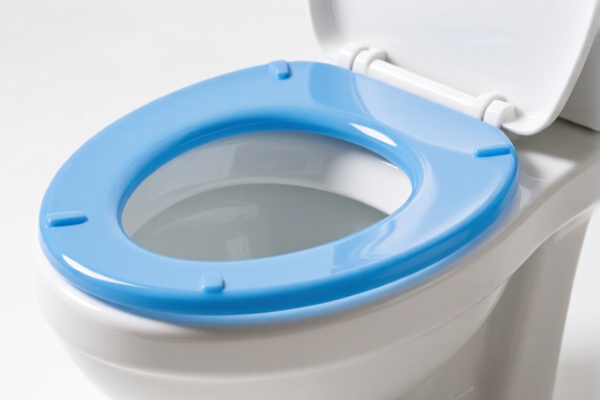
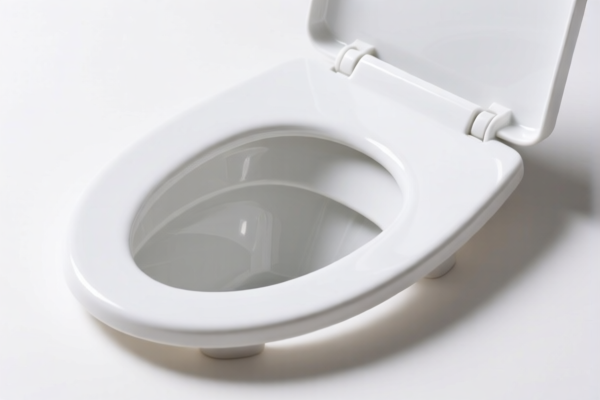
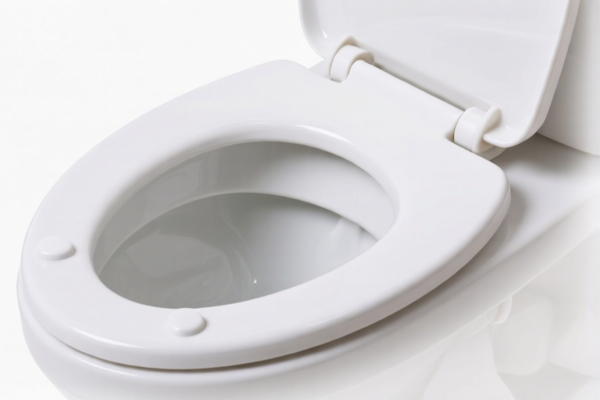
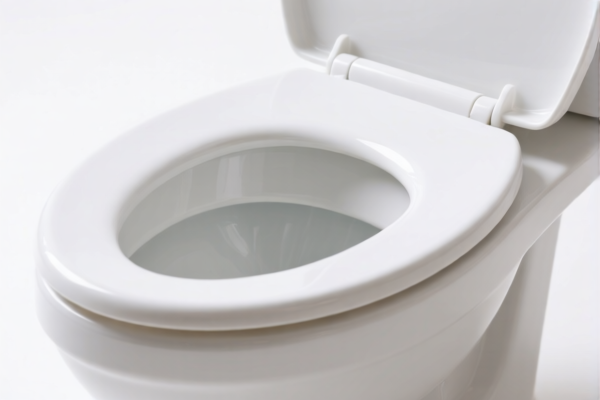
AI Analysis
🚽 Gray Plastic Toilet Seat (Plastic Household Accessories)
🌐 HS Code Reference & Customs Clearance Guide | 2026 Latest Tariff Analysis | Professional-Level Compliance Strategy
📌 I. Product Definition & Classification: Do You Truly Understand "Plastic Toilet Seats"?
A gray plastic toilet seat is a critical component of bathroom fixtures, categorized under plastic articles or furniture accessories depending on its structural integration. In international trade, the classification hinges on whether it is viewed as a standalone "plastic article" (Chapter 39) or an integral part of "furniture" (Chapter 94).
Key Classification Logic:
1. As Furniture Accessory (Chapter 94): If marketed specifically as a replacement part for a toilet (considered furniture in HS nomenclature), it may fall under 9403.
2. As Plastic Article (Chapter 39): If treated as a generic plastic molded household item without specific furniture integration, it falls under 3926.
⚠️ Critical Distinction:
- If declared as "Toilet Seat" or "Furniture Part": Tends toward 9403.70.80.x (Furniture parts).
- If declared as "Plastic Household Accessory" or "Molded Plastic Part": Tends toward 3926.90.x (Other plastic articles).
📦 II. HS Code Classification Details (2026 Authorized Reference)
Based on the provided dataset, here are the four valid HS Codes for Gray Plastic Toilet Seats, along with their specific tax implications.
| HS Code | Product Description | Classification Logic | Total Tax Rate (US/CN) |
|---|---|---|---|
9403.70.80.31 |
Plastic Furniture Part – Gray plastic toilet seat classified as a furniture accessory. | Fits logic of furniture accessories/components made of plastic. | 35.0% |
9403.70.80.02 |
Plastic Home/Furniture Accessory – General plastic home goods零配件. | Broad category for plastic parts under furniture/home goods. | 35.0% |
3926.90.21.00 |
Plastic Household Accessory – Other plastic products for home use. | Classified as a generic plastic household item, not specific furniture part. | 21.7% |
3926.90.99.50 |
Other Plastic Articles – No specific medical or furniture intent declared. | Catch-all for plastic products not elsewhere specified. | 22.8% |
🔍 Key Insight:
- Cheapest Route:3926.90.21.00(21.7%) – Best for generic plastic household accessories.
- Most Expensive Route:9403.70.80.x(35.0%) – Higher base due to "furniture" classification + higher add-on tariffs.
- Why the Difference? The "Furniture" chapter (94) often carries higher punitive tariffs under US-China trade terms (Section 301) compared to general "Plastic Articles" (39).
💰 III. 2026 Tariff Breakdown (Including Surtaxes & Policy Add-ons)
✅ Applicable Country: United States (US)
✅ Origin: China (CN)
✅ Effective Date: November 10, 2025 (and subsequent imports)
🎯 1. High-Tariff Route: Furniture Parts (9403.70.80.31 & 9403.70.80.02)
| Item | Detail |
|---|---|
| Base Tariff | 0.0% (Ad Valorem) |
| Section 301 Surcharge | +25.0% (USITC Footnote for Chinese imports) |
| Section 122 Surcharge | +10.0% (Specific tariff for certain Chinese goods) |
| Total Tax Rate | 35.0% |
| Tax Calculation | CIF Value × 35% |
| De Minimis Exemption | ❌ Not Eligible (Deny de minimis) |
| Legal Path | Section 301: 9403 → Section 122: 10% → 35% Total |
📌 Explanation:
- 0% Base: Furniture parts often have 0% MFN base rate.
- 25% Section 301: Standard punitive tariff on Chinese furniture/plastic furniture parts.
- 10% Section 122: Additional levy under specific trade enforcement clauses.
- Result: 35% is a heavy burden. Not recommended unless legally required by specific product design.
🎯 2. Lower-Tariff Route: Plastic Household Accessory (3926.90.21.00)
| Item | Detail |
|---|---|
| Base Tariff | 4.2% |
| Section 301 Surcharge | +7.5% (Reduced Section 301 rate for some plastic articles) |
| Section 122 Surcharge | +10.0% |
| Total Tax Rate | 21.7% |
| Tax Calculation | CIF Value × 21.7% |
| De Minimis Exemption | ❌ Not Eligible (Deny de minimis) |
| Legal Path | Base: 4.2% → Section 301: 7.5% → Section 122: 10% → 21.7% Total |
📌 Note:
- This is the most cost-effective classification for generic plastic toilet seats.
- Justify as "Plastic Household Accessory" rather than "Furniture Part" in commercial invoices.
🎯 3. Mid-Tariff Route: Other Plastic Articles (3926.90.99.50)
| Item | Detail |
|---|---|
| Base Tariff | 5.3% |
| Section 301 Surcharge | +7.5% |
| Section 122 Surcharge | +10.0% |
| Total Tax Rate | 22.8% |
| Tax Calculation | CIF Value × 22.8% |
| De Minimis Exemption | ❌ Not Eligible |
| Legal Path | Base: 5.3% → Section 301: 7.5% → Section 122: 10% → 22.8% Total |
📌 Note:
- Slightly higher than3926.90.21.00due to higher base rate (5.3% vs 4.2%).
- Use if the product doesn’t fit "household accessory" but is still clearly a plastic article.
🛠️ IV. Customs Clearance Practical Advice (Pitfall Avoidance Guide)
✅ 1. Document Checklist (Essential)
| Document | Required | Notes |
|---|---|---|
| Product Specification Sheet | ✔️ | Must state: Material (PP/PE), Color (Gray), Use (Toilet Seat), Dimensions. |
| Commercial Invoice | ✔️ | CRITICAL: Use generic description like "Plastic Household Accessory" NOT "Toilet Seat" if aiming for 21.7%. |
| Packing List | ✔️ | Detail weight, volume, and number of pieces. |
| Material Declaration | ✔️ | Confirm plastic type (e.g., Polypropylene) to support Chapter 39 classification. |
| Photos of Product | ✔️ | Show no mechanical parts, hinges, or metal fixtures (which would trigger Chapter 94 or 73). |
✅ 2. Declaration Strategy (Key Mantra)
🔥 “Avoid ‘Furniture,’ Embrace ‘Plastic Article’! Lower Tax, Smoother Pass!”
| Scenario | Recommended Declaration | Risk if Incorrect |
|---|---|---|
| Generic Gray Plastic Seat | "Plastic Household Accessory, Model XYZ" | ❌ If declared as "Toilet Seat" → May be routed to 9403 (35%). |
| Seat with Metal Hinges | "Plastic Part with Metal Hardware" | ❌ Risk of misclassification; may require separate HS codes for metal/plastic. |
| OEM/White Label | "Private Label Plastic Sanitary Accessory" | ✅ Supports Chapter 39 classification. |
| Medical-Grade Seat | "Plastic Article, Non-Medical" | ❌ If claimed medical, different rules apply. Keep it "household." |
✅ 3. Special Considerations
| Issue | Advice |
|---|---|
| Hinges & Hardware | If the seat includes metal hinges, customs may split the classification. Consider declaring hinges separately or using plastic hinges to stay in Chapter 39. |
| Packaging | Ensure packaging does not resemble "furniture" branding. Use plain or generic "Plastic Household Items" labeling. |
| Valuation | Declare accurate CIF value. High tariffs (21–35%) mean even small value errors lead to large tax discrepancies. |
| Section 122 & 301 | Both apply. No exemptions for de minimis (under $800). All shipments face full taxation. |
🌍 V. Global Market Comparison (2026)
| Market | Recommended HS Code | Total Tax (China Origin) | Key Requirement |
|---|---|---|---|
| 🇺🇸 USA | 3926.90.21.00 |
21.7% | Clear plastic material declaration. |
| 🇺🇸 USA (Furniture Route) | 9403.70.80.31 |
35.0% | Avoid if possible. |
| 🇨🇳 China | 3926.90.21.00 |
~5–10% | Standard import duty. |
| 🇪🇺 EU | 3926.90.99.00 |
~6–10% | CE Compliance if applicable. |
| 🇬🇧 UK | 3926.90.99.00 |
~6–10% | Post-Brexit duties apply. |
📌 Conclusion:
- USA is the most expensive market due to Section 301 and 122 tariffs.
- Choosing the right HS Code (3926vs9403) can save 13.2% in duties.
- Always prioritize Chapter 39 for plastic toilet seats unless structurally inseparable from furniture.
📌 VI. Common Mistakes & Pitfalls (Lessons Learned)
❌ Mistake 1: Declaring as "Toilet Seat" (Furniture Part)
👉 Consequence: Tax jumps from 21.7% to 35.0% → $13.2 extra per $100 value!
❌ Mistake 2: Using "Plastic Toilet" in Description
👉 Consequence: Customs may classify under 9403. Use "Plastic Household Accessory" instead.
❌ Mistake 3: Ignoring Metal Hinges
👉 Consequence: If hinges are metal, the product may be split-classified. Use plastic hinges to stay in Chapter 39.
❌ Mistake 4: Assuming De Minimis Exemption
👉 Consequence: No exemption for these HS codes under current US-China trade rules. All shipments taxed.
✅ Correct Approach:
"Gray Plastic Household Accessory (Toilet Seat), Polypropylene, No Metal Parts, Model XYZ"
🎯 VII. Conclusion: Strategic Classification for Cost Savings
🎯 Remember the Mantra:
🔹 "Plastic Article, Not Furniture! Save 13% Daily!"
🔹 "HS Code is King, Tax Rate is Queen, Choose Wisely!"
📌 Pro Tip:
- If your product has plastic hinges, emphasize "All-Plastic Construction" in documentation.
- If possible, apply for a Pre-Ruling from US CBP to lock in the 3926.90.21.00 classification.
- Avoid "Furniture" keywords in marketing materials sent to customs.
📣 Immediate Action:
📞 Contact a Customs Broker + Provide Product Photos + Use Generic Description
🚀 Minimize Duty, Maximize Profit!
✨ Smart Customs Clearance Starts with Accurate Classification!
💼 Every Percent Saved is Pure Profit!
Customer Reviews
About HS Code Classification
The Harmonized System (HS) is an internationally standardized nomenclature developed by the World Customs Organization (WCO) to classify traded products. Over 200 countries use the HS system as the basis for customs tariffs, trade statistics, and import/export regulations.
Each HS code follows a hierarchical structure:
- Chapter (2 digits) — Broad category of goods (e.g., Chapter 84: Machinery and Mechanical Appliances)
- Heading (4 digits) — More specific grouping within the chapter
- Subheading (6 digits) — Internationally standardized breakdown, used by all WCO member countries
- National subdivisions (8-10 digits) — Country-specific extensions for further classification, such as US HTSUS 10-digit codes
Correct HS code classification is essential for smooth customs clearance, accurate duty payment, and compliance with trade regulations. Misclassification can lead to customs delays, overpayment of duties, or penalties.
When importing from CN to US, the applicable tariff rates may include:
- Most-Favored-Nation (MFN) rate — The standard duty rate applied to WTO members
- General rate — Applied to countries without trade agreements
- Trade remedy duties — Additional tariffs such as Section 301 (anti-dumping), Section 232 (national security), or countervailing duties
The information provided on this page is for reference purposes only. For official classification, please consult with your local customs authority or a licensed customs broker.