Hair Band Face Mask
CN → US| HS编码 | 关税税率 | 原产国 | 目的国 | 文档 |
|---|---|---|---|---|
| 6217101010 | 19.8% | CN | US | 官方文档 |
| 6117802000 | 18.7% | CN | US | 官方文档 |
| 6117808500 | 32.1% | CN | US | 官方文档 |
| 9615114000 | 15.3% | CN | US | 官方文档 |
| 9615196000 | 21.0% | CN | US | 官方文档 |
| 6217108500 | 24.6% | CN | US | 官方文档 |
商品图片
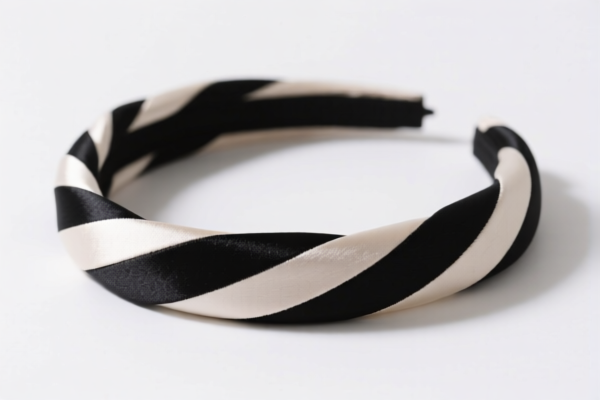
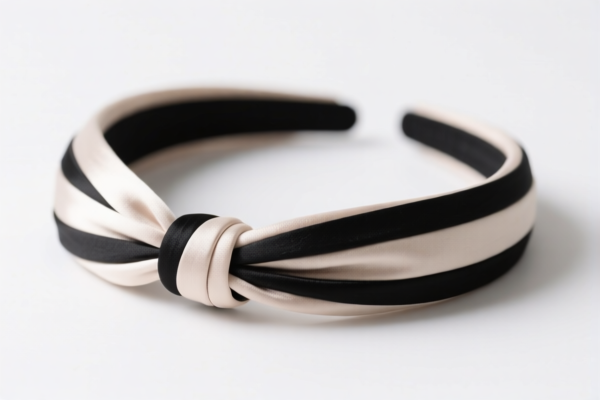
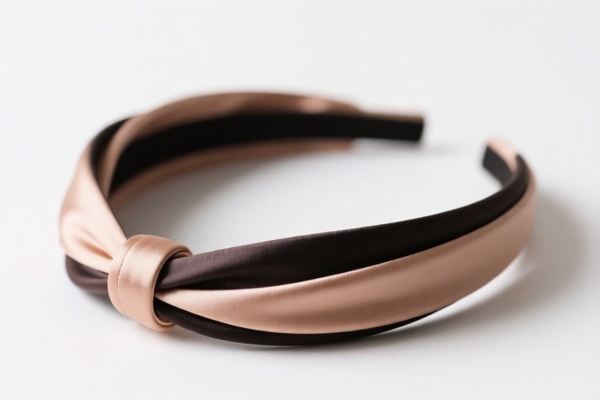
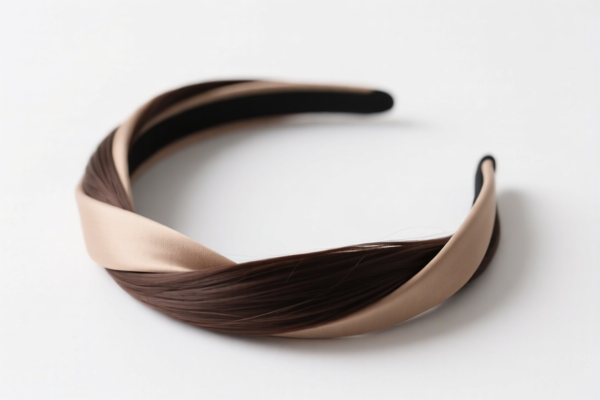
AI分析
🎀 Hair Band / Face Mask (Headwear & Accessories)
🌐 HS Code Reference & Customs Clearance Guide | 2026 Latest Tariff Analysis | Professional Clearance Strategy
📌 I. Product Definition & Classification: Do You Really Understand "Hair Bands"?
Hair bands are versatile accessories primarily used for securing hair or, in some contexts, as decorative face masks/headbands. In international trade, they are classified based on their material composition, knitted vs. non-knitted nature, and functionality.
1. Knitted or Crocheted Headbands (Garment Accessories):
- Made from fabric, yarn, or textile materials that are knitted or crocheted.
- Often categorized as "parts of clothing" or "accessories."
2. Non-Knitted Hair Ornaments (Plastic/Hard Rubber):
- Made from plastic, hard rubber, or other non-textile materials.
- Classified as "hair ornaments" rather than clothing accessories.
⚠️ Key Distinction Point:
- If the item is knitted/crocheted fabric → It falls under Chapter 61 (Articles of apparel and clothing accessories, knitted or crocheted).
- If the item is plastic/hard rubber → It falls under Chapter 96 (Miscellaneous manufactured articles).
- Material matters most: Silk, cotton, polyester, or acrylic content determines the specific sub-heading within these chapters.
📦 II. HS Code Classification Details (2026 Latest Tariff Authority Match)
| HS Code | Product Description | Material/Type | Applicable Scenario |
|---|---|---|---|
6217.10.10.10 |
Hair bands, shape-matched, possibly containing silk components | Woven/Semi-woven Fabric | High-end fashion hairbands, silk-blend accessories |
6117.80.20.00 |
Hair bands, garment accessories, woven/knitted fabric | Woven or Knitted Textile | Common fabric headbands, elastic bands, basic accessories |
6117.80.85.00 |
Hair bands, headbands, knitted or crocheted material | Knitted/Crocheted Fabric | Thick knitted headbands, winter warmers, crochet designs |
9615.11.40.00 |
Hair bands, hair ornaments, plastic or hard rubber material | Plastic / Hard Rubber | Plastic clips, rubber hair ties, non-fabric headbands |
9615.19.60.00 |
Hair bands, hair ornaments, fabric or plastic mix | Mixed Material (Fabric/Plastic) | Hybrid designs, e.g., fabric-covered elastic with plastic ends |
🔍 Key Reminder:
- Knitted vs. Woven: Chapter 61 covers knitted/crocheted items; Chapter 62 covers woven items. This is the most common source of classification errors. - Plastic vs. Fabric: If the main component is plastic, it goes to Chapter 96. If fabric, it goes to Chapter 61/62. - "Hair Ornament" vs. "Garment Accessory": Items designed purely for decoration (often rigid or semi-rigid) may fall under Chapter 96, while soft, wearable bands fall under Chapter 61/62.
💰 III. 2026 Latest Tariff Rate Details (Including Additional Taxes, Policy Surcharges)
✅ Applicable Country: United States (US)
✅ Country of Origin: China (CN)
✅ Effective Date: From November 10, 2025 (for subsequent imports)
🎯 1. 6217.10.10.10 —— Hair Bands, Shape-Matched, Possibly Silk-Content
| Item | Content |
|---|---|
| Base Duty Rate | 2.3% (ad valorem) |
| Section 301 Additional Duty | +7.5% |
| Section 122 Duty (122 Clause) | +10% |
| Total Tariff Rate | 19.8% |
| Tax Calculation | CIF Value × 19.8% |
| De Minimis Exemption Eligibility | ❌ No (Denied) |
| Legal Basis Path | Section 122: 9903.03.19 → Section 301: 9903.01.24 → USITC:6217.10.10.10 |
📌 Explanation:
- "Section 122 Duty" is a 10% tariff under the Trade Expansion Act of 1962, Section 122, applied to broad categories of imports to protect domestic industry. - "Section 301" is the standard trade remedy tariff on Chinese goods. - Total 19.8% is moderate but significant for low-margin accessories.
🎯 2. 6117.80.20.00 —— Hair Bands, Garment Accessories, Woven/Knitted Fabric
| Item | Content |
|---|---|
| Base Duty Rate | 1.2% (ad valorem) |
| Section 301 Additional Duty | +7.5% |
| Section 122 Duty (122 Clause) | +10% |
| Total Tariff Rate | 18.7% |
| Tax Calculation | CIF Value × 18.7% |
| De Minimis Exemption Eligibility | ❌ No (Denied) |
| Legal Basis Path | Section 122: 9903.03.19 → Section 301: 9903.01.24 → USITC:6117.80.20.00 |
📌 Note:
- Lower base duty than silk-blend items due to simpler fabric classification. - Still subject to both Section 301 and Section 122 tariffs.
🎯 3. 6117.80.85.00 —— Hair Bands, Headbands, Knitted/Crocheted Material
| Item | Content |
|---|---|
| Base Duty Rate | 14.6% (ad valorem) |
| Section 301 Additional Duty | +7.5% |
| Section 122 Duty (122 Clause) | +10% |
| Total Tariff Rate | 32.1% |
| Tax Calculation | CIF Value × 32.1% |
| De Minimis Exemption Eligibility | ❌ No (Denied) |
| Legal Basis Path | Section 122: 9903.03.19 → Section 301: 9903.01.24 → USITC:6117.80.85.00 |
📌 Critical Alert:
- Highest Tariff Rate among fabric-based hair bands! - Likely classified under "other" knitted accessories without specific lower-rate sub-headings. - High risk for margin erosion. Consider reclassifying if product allows.
🎯 4. 9615.11.40.00 —— Hair Bands, Hair Ornaments, Plastic/Hard Rubber
| Item | Content |
|---|---|
| Base Duty Rate | 5.3% (ad valorem) |
| Section 301 Additional Duty | +0.0% |
| Section 122 Duty (122 Clause) | +10% |
| Total Tariff Rate | 15.3% |
| Tax Calculation | CIF Value × 15.3% |
| De Minimis Exemption Eligibility | ❌ No (Denied) |
| Legal Basis Path | Section 122: 9903.03.19 → USITC:9615.11.40.00 |
📌 Advantage:
- No Section 301 tariff (0%)! - Only subject to Section 122 (10%) + Base (5.3%). - Lowest total tariff for non-textile hair bands. Ideal for plastic/rubber products.
🎯 5. 9615.19.60.00 —— Hair Bands, Hair Ornaments, Fabric/Plastic Mix
| Item | Content |
|---|---|
| Base Duty Rate | 11.0% (ad valorem) |
| Section 301 Additional Duty | +0.0% |
| Section 122 Duty (122 Clause) | +10% |
| Total Tariff Rate | 21.0% |
| Tax Calculation | CIF Value × 21.0% |
| De Minimis Exemption Eligibility | ❌ No (Denied) |
| Legal Basis Path | Section 122: 9903.03.19 → USITC:9615.19.60.00 |
📌 Note:
- Mixed material items classified under "other" hair ornaments. - No Section 301, but higher base duty than pure plastic items. - Moderate tariff burden.
🛠️ IV. Customs Clearance Practical Advice (Battle-Tested Pitfall Guide)
✅ 1. Required Documentation Checklist (Non-Negotiable)
| Document | Mandatory | Explanation |
|---|---|---|
| ✅ Product Specification Sheet | ✔️ | Must specify material (e.g., "100% Cotton," "Polyester Blend," "Hard Rubber") |
| ✅ Product Photos | ✔️ | Clear images showing construction, elastic, clips, or plastic components |
| ✅ Commercial Invoice | ✔️ | Must clearly state "Hair Band" or "Headband," not generic "Accessory" |
| ✅ Packing List | ✔️ | Include quantity, weight, dimensions |
| ✅ Origin Certificate (if applicable) | ✔️ | For non-Chinese origins to claim FTA benefits (if any) |
| ✅ Third-Test Reports | ✔️ | CPSIA (for children’s items), REACH, Prop 65 (if applicable) |
✅ 2. Declaration Tips (Key Mantras)
🔥 “Material First, Structure Second, Name Specific, Tariff Optimized!”
| Scenario | Correct Declaration | Wrong Practice |
|---|---|---|
| Knitted Cotton Hair Band | 6117.80.20.00 |
Misclassified as 6117.80.85.00 → 32.1% vs 18.7% |
| Plastic Hair Clip/Band | 9615.11.40.00 |
Misclassified as fabric → 15.3% vs 32.1% |
| Silk-Blend Woven Band | 6217.10.10.10 |
Misclassified as knitted → 19.8% vs 32.1% |
| Mixed Fabric/Plastic Band | 9615.19.60.00 |
Misclassified as purely fabric → 21.0% vs 32.1% |
✅ 3. Special Cases Handling
| Scenario | Handling Advice |
|---|---|
| Children’s Hair Bands | Must comply with CPSIA (Children’s Product Certificate). Failure leads to seizure. |
| Silk-Content Bands | If silk >50%, ensure accurate fiber content disclosure. Mislabeling leads to penalties. |
| OEM Custom Designs | Provide design sketches or samples to prove classification. Avoid "general" descriptions. |
| Hybrid Products (Mask+Band) | If primarily a mask, may fall under different HTS. Clearly state primary function. |
🌍 V. Global Market Clearance Comparison (2026 Latest)
| Country/Region | Recommended HS Code | Tariff (CN Origin) | Certification Requirements | Notes |
|---|---|---|---|---|
| 🇺🇸 USA | 6117.80.20.00 or 9615.11.40.00 |
18.7% – 32.1% | CPSIA, Prop 65 | Section 122 + 301 apply |
| 🇨🇳 China | 6117.80.20.00 |
0% – 5% | No major restrictions | Low duty, easy clearance |
| 🇪🇺 EU | 6117.80.20.00 |
0% (GSP may apply) | CE (if applicable), REACH | No Section 122/301 |
| 🇬🇧 UK | 6117.80.20.00 |
0% – 6% | UKCA | Post-Brexit rules apply |
| 🇯🇵 Japan | 6117.80.20.00 |
0% – 5% | PSE (if electrical) | No major tariffs |
📌 Conclusion:
- USA is the most complex market due to Section 122 and Section 301 tariffs. - Plastic-based bands (9615.11.40.00) are tariff-efficient (15.3% total). - Knitted fabric bands (6117.80.85.00) are the most expensive (32.1% total).
📌 VI. Common Errors & Pitfall Guide (Lessons Learned)
❌ Error 1: Classifying all hair bands under one generic code
👉 Consequence: Overpaying tariffs. Plastic bands should not be grouped with knitted fabric.
❌ Error 2: Ignoring Section 122 Tariffs
👉 Consequence: Unexpected 10% surcharge on every shipment. Always check Section 122 applicability.
❌ Error 3: Misdeclaring "Hair Ornament" vs. "Garment Accessory"
👉 Consequence: Customs may reclassify, leading to delays, fines, or back-tariffs.
❌ Error 4: Using vague terms like "Accessory" or "Headwear"
👉 Consequence: Customs agent may guess, leading to incorrect HS Code assignment.
✅ Correct Practice:
"Hair Band, Knitted, 100% Cotton, Elastic, Model ABC, CPSIA Compliant"
🎯 VII. Conclusion: Precise Classification Saves Money!
🎯 Remember the Mantra:
🔹 “Plastic is cheaper (15.3%), Knitted is dear (32.1%), Fabric is middle (18.7–21.0%)!”
🔹 “Section 122 is mandatory (10%), Section 301 is on fabric, off plastic!”
📌 Pro Tip:
- If your hair bands are made in Vietnam, Mexico, or Thailand, you may exempt Section 301 (0%) and Section 122 (0% if eligible under local rules), resulting in near-zero tariffs.
- Apply for Advance Ruling from U.S. Customs and Border Protection (CBP) if you have large, consistent shipments.
📣 Immediate Action:
📞 Contact a licensed customs broker + Provide product specs + Apply for HS Code Advance Ruling
🚀 Clear your hair bands smoothly, protect your margins, and scale globally!
✨ Professional clearance starts with precise classification!
💼 Every cent of duty is worth optimizing!
用户评价
关于 HS 编码归类
协调制度(HS)是由世界海关组织(WCO)制定的国际贸易商品分类标准。全球 200 多个国家采用 HS 系统作为海关关税、贸易统计和进出口监管的基础。
每个 HS 编码遵循以下层级结构:
- 章(2 位)——商品大类(例如:第 84 章:机器和机械设备)
- 品目(4 位)——章内的更具体分类
- 子目(6 位)——国际通用细分,所有 WCO 成员国统一使用
- 本国细分(8-10 位)——各国自行扩展的细分编码,如美国 HTSUS 10 位编码
正确的 HS 编码归类对于顺利通关、准确缴纳关税和遵守贸易法规至关重要。错误归类可能导致海关延误、多缴关税或罚款。
从CN进口到US时,适用的关税税率可能包括:
- 最惠国(MFN)税率——适用于 WTO 成员国的标准关税税率
- 普通税率——适用于无贸易协定国家
- 贸易救济关税——附加关税,如 301 条款(反倾销)、232 条款(国家安全)或反补贴税
本页内容仅供参考。如需正式归类,请咨询当地海关或持牌报关代理。