Hair Band Face Mask
CN → US| HS Code | Tariff Rate | Origin | Destination | Doc |
|---|---|---|---|---|
| 6217101010 | 19.8% | CN | US | Official Doc |
| 6117802000 | 18.7% | CN | US | Official Doc |
| 6117808500 | 32.1% | CN | US | Official Doc |
| 9615114000 | 15.3% | CN | US | Official Doc |
| 9615196000 | 21.0% | CN | US | Official Doc |
| 6217108500 | 24.6% | CN | US | Official Doc |
Product Images
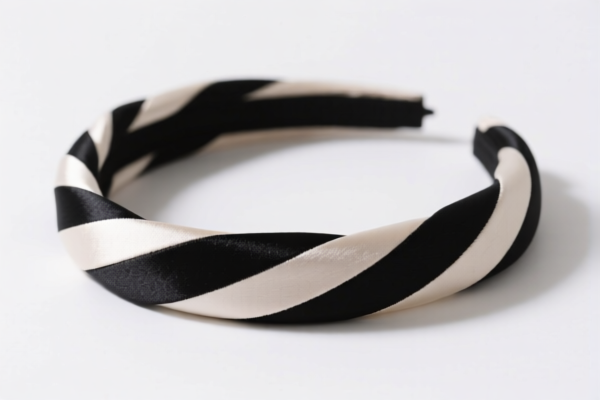
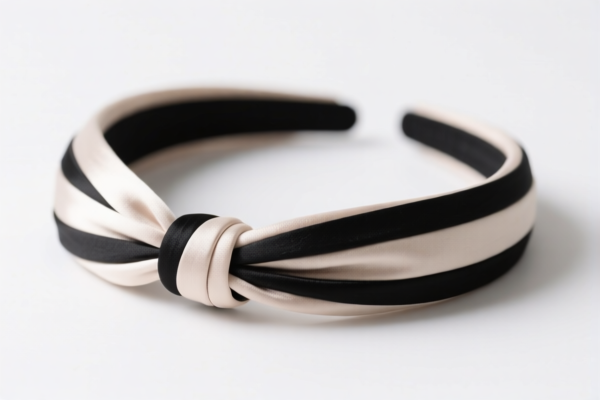
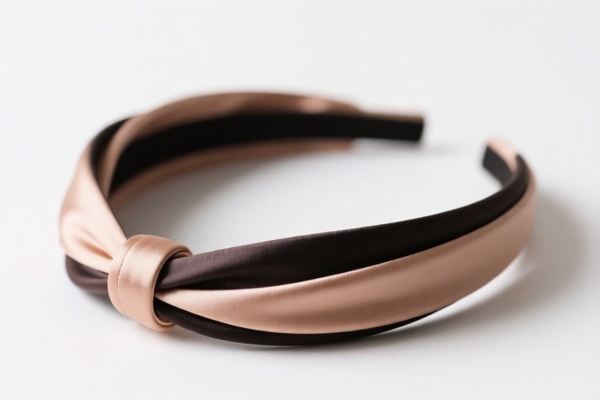
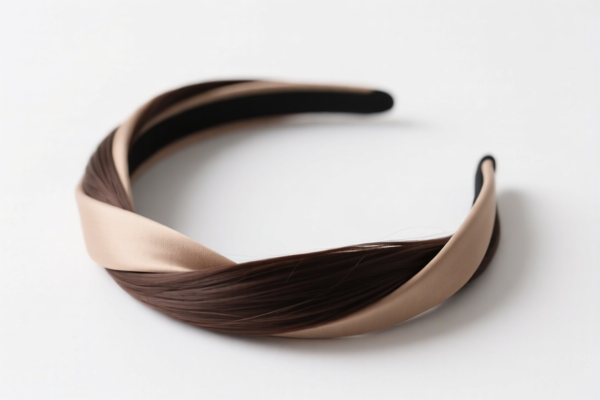
AI Analysis
🎀 Hair Band / Face Mask (Headwear & Accessories)
🌐 HS Code Reference & Customs Clearance Guide | 2026 Latest Tariff Analysis | Professional Clearance Strategy
📌 I. Product Definition & Classification: Do You Really Understand "Hair Bands"?
Hair bands are versatile accessories primarily used for securing hair or, in some contexts, as decorative face masks/headbands. In international trade, they are classified based on their material composition, knitted vs. non-knitted nature, and functionality.
1. Knitted or Crocheted Headbands (Garment Accessories):
- Made from fabric, yarn, or textile materials that are knitted or crocheted.
- Often categorized as "parts of clothing" or "accessories."
2. Non-Knitted Hair Ornaments (Plastic/Hard Rubber):
- Made from plastic, hard rubber, or other non-textile materials.
- Classified as "hair ornaments" rather than clothing accessories.
⚠️ Key Distinction Point:
- If the item is knitted/crocheted fabric → It falls under Chapter 61 (Articles of apparel and clothing accessories, knitted or crocheted).
- If the item is plastic/hard rubber → It falls under Chapter 96 (Miscellaneous manufactured articles).
- Material matters most: Silk, cotton, polyester, or acrylic content determines the specific sub-heading within these chapters.
📦 II. HS Code Classification Details (2026 Latest Tariff Authority Match)
| HS Code | Product Description | Material/Type | Applicable Scenario |
|---|---|---|---|
6217.10.10.10 |
Hair bands, shape-matched, possibly containing silk components | Woven/Semi-woven Fabric | High-end fashion hairbands, silk-blend accessories |
6117.80.20.00 |
Hair bands, garment accessories, woven/knitted fabric | Woven or Knitted Textile | Common fabric headbands, elastic bands, basic accessories |
6117.80.85.00 |
Hair bands, headbands, knitted or crocheted material | Knitted/Crocheted Fabric | Thick knitted headbands, winter warmers, crochet designs |
9615.11.40.00 |
Hair bands, hair ornaments, plastic or hard rubber material | Plastic / Hard Rubber | Plastic clips, rubber hair ties, non-fabric headbands |
9615.19.60.00 |
Hair bands, hair ornaments, fabric or plastic mix | Mixed Material (Fabric/Plastic) | Hybrid designs, e.g., fabric-covered elastic with plastic ends |
🔍 Key Reminder:
- Knitted vs. Woven: Chapter 61 covers knitted/crocheted items; Chapter 62 covers woven items. This is the most common source of classification errors. - Plastic vs. Fabric: If the main component is plastic, it goes to Chapter 96. If fabric, it goes to Chapter 61/62. - "Hair Ornament" vs. "Garment Accessory": Items designed purely for decoration (often rigid or semi-rigid) may fall under Chapter 96, while soft, wearable bands fall under Chapter 61/62.
💰 III. 2026 Latest Tariff Rate Details (Including Additional Taxes, Policy Surcharges)
✅ Applicable Country: United States (US)
✅ Country of Origin: China (CN)
✅ Effective Date: From November 10, 2025 (for subsequent imports)
🎯 1. 6217.10.10.10 —— Hair Bands, Shape-Matched, Possibly Silk-Content
| Item | Content |
|---|---|
| Base Duty Rate | 2.3% (ad valorem) |
| Section 301 Additional Duty | +7.5% |
| Section 122 Duty (122 Clause) | +10% |
| Total Tariff Rate | 19.8% |
| Tax Calculation | CIF Value × 19.8% |
| De Minimis Exemption Eligibility | ❌ No (Denied) |
| Legal Basis Path | Section 122: 9903.03.19 → Section 301: 9903.01.24 → USITC:6217.10.10.10 |
📌 Explanation:
- "Section 122 Duty" is a 10% tariff under the Trade Expansion Act of 1962, Section 122, applied to broad categories of imports to protect domestic industry. - "Section 301" is the standard trade remedy tariff on Chinese goods. - Total 19.8% is moderate but significant for low-margin accessories.
🎯 2. 6117.80.20.00 —— Hair Bands, Garment Accessories, Woven/Knitted Fabric
| Item | Content |
|---|---|
| Base Duty Rate | 1.2% (ad valorem) |
| Section 301 Additional Duty | +7.5% |
| Section 122 Duty (122 Clause) | +10% |
| Total Tariff Rate | 18.7% |
| Tax Calculation | CIF Value × 18.7% |
| De Minimis Exemption Eligibility | ❌ No (Denied) |
| Legal Basis Path | Section 122: 9903.03.19 → Section 301: 9903.01.24 → USITC:6117.80.20.00 |
📌 Note:
- Lower base duty than silk-blend items due to simpler fabric classification. - Still subject to both Section 301 and Section 122 tariffs.
🎯 3. 6117.80.85.00 —— Hair Bands, Headbands, Knitted/Crocheted Material
| Item | Content |
|---|---|
| Base Duty Rate | 14.6% (ad valorem) |
| Section 301 Additional Duty | +7.5% |
| Section 122 Duty (122 Clause) | +10% |
| Total Tariff Rate | 32.1% |
| Tax Calculation | CIF Value × 32.1% |
| De Minimis Exemption Eligibility | ❌ No (Denied) |
| Legal Basis Path | Section 122: 9903.03.19 → Section 301: 9903.01.24 → USITC:6117.80.85.00 |
📌 Critical Alert:
- Highest Tariff Rate among fabric-based hair bands! - Likely classified under "other" knitted accessories without specific lower-rate sub-headings. - High risk for margin erosion. Consider reclassifying if product allows.
🎯 4. 9615.11.40.00 —— Hair Bands, Hair Ornaments, Plastic/Hard Rubber
| Item | Content |
|---|---|
| Base Duty Rate | 5.3% (ad valorem) |
| Section 301 Additional Duty | +0.0% |
| Section 122 Duty (122 Clause) | +10% |
| Total Tariff Rate | 15.3% |
| Tax Calculation | CIF Value × 15.3% |
| De Minimis Exemption Eligibility | ❌ No (Denied) |
| Legal Basis Path | Section 122: 9903.03.19 → USITC:9615.11.40.00 |
📌 Advantage:
- No Section 301 tariff (0%)! - Only subject to Section 122 (10%) + Base (5.3%). - Lowest total tariff for non-textile hair bands. Ideal for plastic/rubber products.
🎯 5. 9615.19.60.00 —— Hair Bands, Hair Ornaments, Fabric/Plastic Mix
| Item | Content |
|---|---|
| Base Duty Rate | 11.0% (ad valorem) |
| Section 301 Additional Duty | +0.0% |
| Section 122 Duty (122 Clause) | +10% |
| Total Tariff Rate | 21.0% |
| Tax Calculation | CIF Value × 21.0% |
| De Minimis Exemption Eligibility | ❌ No (Denied) |
| Legal Basis Path | Section 122: 9903.03.19 → USITC:9615.19.60.00 |
📌 Note:
- Mixed material items classified under "other" hair ornaments. - No Section 301, but higher base duty than pure plastic items. - Moderate tariff burden.
🛠️ IV. Customs Clearance Practical Advice (Battle-Tested Pitfall Guide)
✅ 1. Required Documentation Checklist (Non-Negotiable)
| Document | Mandatory | Explanation |
|---|---|---|
| ✅ Product Specification Sheet | ✔️ | Must specify material (e.g., "100% Cotton," "Polyester Blend," "Hard Rubber") |
| ✅ Product Photos | ✔️ | Clear images showing construction, elastic, clips, or plastic components |
| ✅ Commercial Invoice | ✔️ | Must clearly state "Hair Band" or "Headband," not generic "Accessory" |
| ✅ Packing List | ✔️ | Include quantity, weight, dimensions |
| ✅ Origin Certificate (if applicable) | ✔️ | For non-Chinese origins to claim FTA benefits (if any) |
| ✅ Third-Test Reports | ✔️ | CPSIA (for children’s items), REACH, Prop 65 (if applicable) |
✅ 2. Declaration Tips (Key Mantras)
🔥 “Material First, Structure Second, Name Specific, Tariff Optimized!”
| Scenario | Correct Declaration | Wrong Practice |
|---|---|---|
| Knitted Cotton Hair Band | 6117.80.20.00 |
Misclassified as 6117.80.85.00 → 32.1% vs 18.7% |
| Plastic Hair Clip/Band | 9615.11.40.00 |
Misclassified as fabric → 15.3% vs 32.1% |
| Silk-Blend Woven Band | 6217.10.10.10 |
Misclassified as knitted → 19.8% vs 32.1% |
| Mixed Fabric/Plastic Band | 9615.19.60.00 |
Misclassified as purely fabric → 21.0% vs 32.1% |
✅ 3. Special Cases Handling
| Scenario | Handling Advice |
|---|---|
| Children’s Hair Bands | Must comply with CPSIA (Children’s Product Certificate). Failure leads to seizure. |
| Silk-Content Bands | If silk >50%, ensure accurate fiber content disclosure. Mislabeling leads to penalties. |
| OEM Custom Designs | Provide design sketches or samples to prove classification. Avoid "general" descriptions. |
| Hybrid Products (Mask+Band) | If primarily a mask, may fall under different HTS. Clearly state primary function. |
🌍 V. Global Market Clearance Comparison (2026 Latest)
| Country/Region | Recommended HS Code | Tariff (CN Origin) | Certification Requirements | Notes |
|---|---|---|---|---|
| 🇺🇸 USA | 6117.80.20.00 or 9615.11.40.00 |
18.7% – 32.1% | CPSIA, Prop 65 | Section 122 + 301 apply |
| 🇨🇳 China | 6117.80.20.00 |
0% – 5% | No major restrictions | Low duty, easy clearance |
| 🇪🇺 EU | 6117.80.20.00 |
0% (GSP may apply) | CE (if applicable), REACH | No Section 122/301 |
| 🇬🇧 UK | 6117.80.20.00 |
0% – 6% | UKCA | Post-Brexit rules apply |
| 🇯🇵 Japan | 6117.80.20.00 |
0% – 5% | PSE (if electrical) | No major tariffs |
📌 Conclusion:
- USA is the most complex market due to Section 122 and Section 301 tariffs. - Plastic-based bands (9615.11.40.00) are tariff-efficient (15.3% total). - Knitted fabric bands (6117.80.85.00) are the most expensive (32.1% total).
📌 VI. Common Errors & Pitfall Guide (Lessons Learned)
❌ Error 1: Classifying all hair bands under one generic code
👉 Consequence: Overpaying tariffs. Plastic bands should not be grouped with knitted fabric.
❌ Error 2: Ignoring Section 122 Tariffs
👉 Consequence: Unexpected 10% surcharge on every shipment. Always check Section 122 applicability.
❌ Error 3: Misdeclaring "Hair Ornament" vs. "Garment Accessory"
👉 Consequence: Customs may reclassify, leading to delays, fines, or back-tariffs.
❌ Error 4: Using vague terms like "Accessory" or "Headwear"
👉 Consequence: Customs agent may guess, leading to incorrect HS Code assignment.
✅ Correct Practice:
"Hair Band, Knitted, 100% Cotton, Elastic, Model ABC, CPSIA Compliant"
🎯 VII. Conclusion: Precise Classification Saves Money!
🎯 Remember the Mantra:
🔹 “Plastic is cheaper (15.3%), Knitted is dear (32.1%), Fabric is middle (18.7–21.0%)!”
🔹 “Section 122 is mandatory (10%), Section 301 is on fabric, off plastic!”
📌 Pro Tip:
- If your hair bands are made in Vietnam, Mexico, or Thailand, you may exempt Section 301 (0%) and Section 122 (0% if eligible under local rules), resulting in near-zero tariffs.
- Apply for Advance Ruling from U.S. Customs and Border Protection (CBP) if you have large, consistent shipments.
📣 Immediate Action:
📞 Contact a licensed customs broker + Provide product specs + Apply for HS Code Advance Ruling
🚀 Clear your hair bands smoothly, protect your margins, and scale globally!
✨ Professional clearance starts with precise classification!
💼 Every cent of duty is worth optimizing!
Customer Reviews
About HS Code Classification
The Harmonized System (HS) is an internationally standardized nomenclature developed by the World Customs Organization (WCO) to classify traded products. Over 200 countries use the HS system as the basis for customs tariffs, trade statistics, and import/export regulations.
Each HS code follows a hierarchical structure:
- Chapter (2 digits) — Broad category of goods (e.g., Chapter 84: Machinery and Mechanical Appliances)
- Heading (4 digits) — More specific grouping within the chapter
- Subheading (6 digits) — Internationally standardized breakdown, used by all WCO member countries
- National subdivisions (8-10 digits) — Country-specific extensions for further classification, such as US HTSUS 10-digit codes
Correct HS code classification is essential for smooth customs clearance, accurate duty payment, and compliance with trade regulations. Misclassification can lead to customs delays, overpayment of duties, or penalties.
When importing from CN to US, the applicable tariff rates may include:
- Most-Favored-Nation (MFN) rate — The standard duty rate applied to WTO members
- General rate — Applied to countries without trade agreements
- Trade remedy duties — Additional tariffs such as Section 301 (anti-dumping), Section 232 (national security), or countervailing duties
The information provided on this page is for reference purposes only. For official classification, please consult with your local customs authority or a licensed customs broker.