Halogen Silver Photosensitive Paper
CN → US| HS编码 | 关税税率 | 原产国 | 目的国 | 文档 |
|---|---|---|---|---|
| 3703906000 | 37.8% | CN | US | 官方文档 |
| 3703903090 | 38.7% | CN | US | 官方文档 |
| 3707100005 | 38.0% | CN | US | 官方文档 |
| 2843290100 | 38.7% | CN | US | 官方文档 |
| 2843210000 | 38.7% | CN | US | 官方文档 |
商品图片
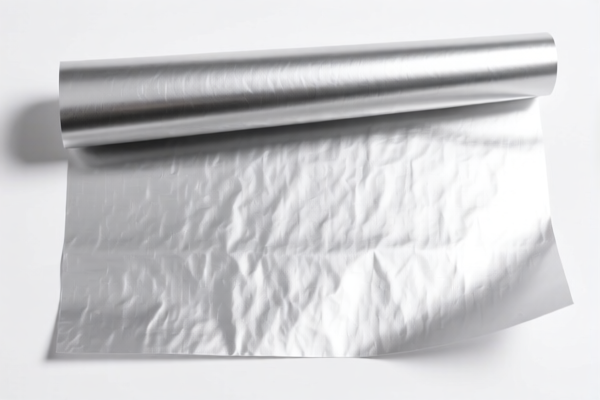
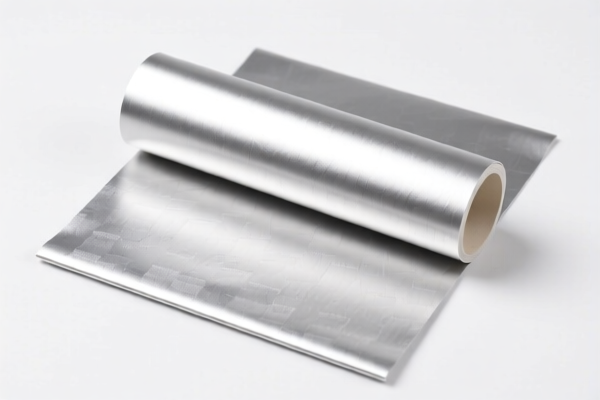
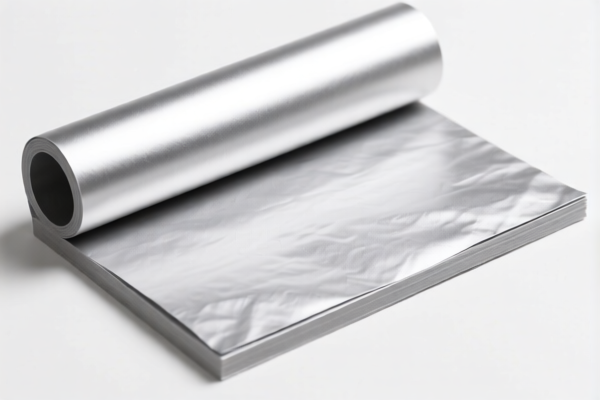
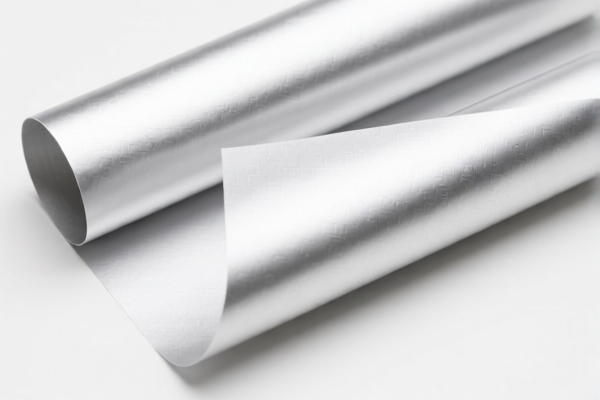
AI分析
🎞️ Halogen Silver Photosensitive Paper
🌐 HS Code Reference & Customs Clearance Guide | 2026 Latest Tariff Analysis | Professional-Level Entry Strategy
📌 I. Product Definition & Classification: What exactly is "Halogen Silver Photosensitive Paper"?
Halogen Silver Photosensitive Paper (commonly known as Silver Halide Paper) is a specialized chemical material used primarily in traditional photography, printing, and industrial imaging. It consists of a paper base coated with a light-sensitive emulsion containing silver halides (such as silver chloride, silver bromide, or silver iodide).
Key Distinction Points:
- Chemical Nature: The core component is Silver Halides (inorganic silver compounds).
- State: It is Unexposed (unused). If exposed and developed, it falls under different categories.
- Material: Paper base + Chemical Emulsion.
⚠️ Critical Classification Logic:
Customs authorities often struggle between classifying this as a Photographic Paper (Ch 37) or a Silver Chemical Compound (Ch 28).
- If the primary function is imaging/printing → Chapter 37.
- If sold purely as a raw chemical reagent (emulsion not yet coated or for further processing) → Chapter 28.
📦 II. HS Code Classification Details (2026 Latest Tariff Authority Comparison)
Based on the provided data, there are five potential HS Codes, reflecting the ambiguity between "Finished Photographic Product" vs. "Raw Chemical Compound."
| HS Code | Product Description & Matching Logic | Tax Rate | Tax Breakdown |
|---|---|---|---|
3703.90.60.00 |
Photographic Paper: Matches "Photosensitive Paper" core keyword. "Silver Halides" are感光 (light-sensitive) materials. Fits the description of unexposed photographic paper/board. | 37.8% | Base: 2.8% Add-on: 25.0% (Sec 301) 122 Clause: 10% |
3703.90.30.90 |
Other Silver Halide Paper: "Silver Halide" matches material; "Film/Emulsion" matches the unexposed state. Fits "Other Silver Halide Paper." | 38.7% | Base: 3.7% Add-on: 25.0% (Sec 301) 122 Clause: 10% |
3707.10.00.05 |
Prepared Emulsion: "Photosensitive Emulsion" matches usage; "Silver Halide" matches chemical nature. Fits "Prepared Photographic Emulsions." | 38.0% | Base: 3.0% Add-on: 25.0% (Sec 301) 122 Clause: 10% |
2843.29.01.00 |
Silver Compounds: Explicitly contains "Silver" (in Silver Halides). As an emulsion, it is a chemical compound. Fits "Other Silver Compounds." | 38.7% | Base: 3.7% Add-on: 25.0% (Sec 301) 122 Clause: 10% |
2843.21.00.00 |
Silver Nitrate/Compounds: Key features: "Silver Compound" + "Chemical Form." Silver Halides are inorganic silver compounds. No material conflict. Fits "Silver Nitrate & Other Silver Salts." | 38.7% | Base: 3.7% Add-on: 25.0% (Sec 301) 122 Clause: 10% |
🔍 Key Observation:
- All five codes result in high total tariffs (37.8% - 38.7%).
- The main difference lies in the Base Tariff (2.8% vs 3.7% vs 3.0%) due to the same 25% Section 301 Tariff and 10% Clause 122 Tariff.
- Risk: Misclassification between Ch 37 (Photographic) and Ch 28 (Chemical) can lead to customs delays or audits regarding the product's end-use.
💰 III. 2026 Latest Tariff Rate Details (Including Surcharges)
✅ Applicable Country: United States (US)
✅ Origin: China (CN)
✅ Effective Time: Post-2025 policies (Section 301 & Clause 122 remain active)
🎯 1. 3703.90.60.00 & 3703.90.30.90 —— Photographic Papers
| Item | Detail |
|---|---|
| Base Tariff | 2.8% ~ 3.7% |
| USITC Surcharge (Section 301) | +25.0% |
| Clause 122 Surcharge | +10.0% |
| Total Tariff | 37.8% ~ 38.7% |
| Calculation | CIF Value × Total Rate |
| De Minimis Exemption | ❌ Not Applicable (High value goods) |
📌 Interpretation:
- These codes treat the product as a finished photographic good.
- The 25% is the standard US trade war tariff on Chinese goods.
- The 10% is an additional punitive tariff (Clause 122).
🎯 2. 3707.10.00.05 —— Prepared Emulsions
| Item | Detail |
|---|---|
| Base Tariff | 3.0% |
| USITC Surcharge | +25.0% |
| Clause 122 Surcharge | +10.0% |
| Total Tariff | 38.0% |
| Calculation | CIF Value × 38.0% |
📌 Interpretation:
- If the paper is considered a "prepared emulsion" rather than finished paper, the base rate is slightly higher than3703.90.60.00but lower than other3703variants.
🎯 3. 2843.29.01.00 & 2843.21.00.00 —— Silver Compounds
| Item | Detail |
|---|---|
| Base Tariff | 3.7% |
| USITC Surcharge | +25.0% |
| Clause 122 Surcharge | +10.0% |
| Total Tariff | 38.7% |
| Calculation | CIF Value × 38.7% |
📌 Interpretation:
- These codes treat the product as a chemical raw material.
- Highest Base Tariff (3.7%) among all options, leading to the highest total rate (38.7%).
- Risk: Customs may reject Ch 28 if the product is clearly marketed as "Photographic Paper" for end-use, arguing for Ch 37 classification.
🛠️ IV. Customs Clearance Operational Advice
✅ 1. Documentation Checklist (Essential for Smooth Clearance)
| Document | Required? | Description |
|---|---|---|
| ✅ Product Specification Sheet | ✔️ | Must explicitly state: "Unexposed," "Silver Halide Emulsion," "Paper Base." |
| ✅ Formula/Composition List | ✔️ | Breakdown of Silver Halide types (e.g., AgCl, AgBr) and binder content. |
| ✅ Product Photos | ✔️ | Show packaging, labeling, and the paper itself. |
| ✅ Safety Data Sheet (SDS) | ✔️ | Required for chemical components (Silver Halides). |
| ✅ Commercial Invoice | ✔️ | Description must match HS Code logic (e.g., "Photographic Paper" vs. "Silver Compound"). |
| ✅ Statement of Use | ✔️ | Clarify if it is for consumer photography (Ch 37) or industrial chemical processing (Ch 28). |
✅ 2. Declaration Strategy (Key Mantra)
🔥 "Clarify Form, Define Use, Avoid Ambiguity!"
| Scenario | Recommended Declaration | Reason |
|---|---|---|
| Finished Paper Rolls/Sheets | 3703.90.60.00 |
Most common for photographic paper. Lower base rate (2.8%). |
| Bulk Chemical Emulsion | 2843.29.01.00 |
Only if sold as liquid/semi-solid chemical for coating. Higher risk of audit. |
| Specialty Printing Paper | 3703.90.30.90 |
If not standard photographic paper but specialized silver halide printing media. |
📌 Critical Advice:
- Do NOT describe as "Silver Metal" or "Silver Waste" (wrong category).
- Do NOT use vague terms like "Chemical Paper." Use precise terms: "Unexposed Silver Halide Photographic Paper."
✅ 3. Special Situation Handling
| Situation | Handling Advice |
|---|---|
| Mixed Shipment | If packing both photographic paper and chemical reagents, declare separately. Do not combine Ch 37 and Ch 28 in one line item. |
| New Formula | If the silver halide composition changes significantly, request a Pre-Ruling from US CBP to avoid misclassification. |
| High Value | Given the ~38% tariff, ensure Valuation is accurate. Undervaluation can lead to severe penalties. |
🌍 V. Global Market Comparison (2026)
| Region | Recommended HS Code | Approx. Tariff | Remarks |
|---|---|---|---|
| 🇺🇸 USA | 3703.90.60.00 |
37.8% | High tariffs due to Section 301 + Clause 122. |
| 🇪🇺 EU | 3703.90.00 |
~5-7% | No Section 301. Standard MFN rates apply. |
| 🇨🇳 China | 3703.90.00 |
~5-10% | Import duty for foreign photographic paper. |
| 🇯🇵 Japan | 3703.90.00 |
~0-5% | Generally low tariffs for photographic materials. |
📌 Conclusion:
- USA is the most expensive market for this product due to political tariffs.
- EU/JP/CN offer significantly better tariff conditions. Consider supply chain adjustments if targeting the US market heavily.
📌 VI. Common Errors & Pitfalls
❌ Error 1: Classifying as "Silver Bullion" or "Silver Coins"
👉 Consequence: Incorrect HS Code (e.g., 7106), leading to immediate rejection and fines.
❌ Error 2: Omitting "Unexposed" in description
👉 Consequence: Customs may suspect it is waste or used material, triggering health/environmental inspections.
❌ Error 3: Using Ch 28 (2843) for finished paper
👉 Consequence: Customs may argue it is a "manufactured good" (Ch 37) and impose penalties for misdeclaration, despite similar tax rates. Better to use Ch 37 for finished goods.
✅ Correct Practice:
"Halogen Silver Photosensitive Paper, Unexposed, 30cm x 100m roll, for photographic printing, containing Silver Chloride Emulsion."
🎯 VII. Conclusion: Professional Declaration Saves Money!
🎯 Remember:
🔹 "Form determines Code, Use determines Rate!"
🔹 "37.8% is the floor, 38.7% is the ceiling for China-Origin US-bound goods."
📌 Pro Tip:
If your customer in the US can provide an End-Use Certification proving the paper is for scientific/educational use rather than commercial photography, you might explore additional exemptions (though unlikely for Section 301).
Always request a Pre-Ruling from US CBP if the shipment value is high (> $10,000).
📣 Immediate Action:
📞 Consult a licensed US Customs Broker.
📄 Prepare SDS and Detailed Product Specs.
🚀 Accurate Declaration = Faster Clearance = Cost Control!
✨ Professional Customs Clearance Starts with Accurate Classification!
💼 Every percentage point counts in international trade!
用户评价
关于 HS 编码归类
协调制度(HS)是由世界海关组织(WCO)制定的国际贸易商品分类标准。全球 200 多个国家采用 HS 系统作为海关关税、贸易统计和进出口监管的基础。
每个 HS 编码遵循以下层级结构:
- 章(2 位)——商品大类(例如:第 84 章:机器和机械设备)
- 品目(4 位)——章内的更具体分类
- 子目(6 位)——国际通用细分,所有 WCO 成员国统一使用
- 本国细分(8-10 位)——各国自行扩展的细分编码,如美国 HTSUS 10 位编码
正确的 HS 编码归类对于顺利通关、准确缴纳关税和遵守贸易法规至关重要。错误归类可能导致海关延误、多缴关税或罚款。
从CN进口到US时,适用的关税税率可能包括:
- 最惠国(MFN)税率——适用于 WTO 成员国的标准关税税率
- 普通税率——适用于无贸易协定国家
- 贸易救济关税——附加关税,如 301 条款(反倾销)、232 条款(国家安全)或反补贴税
本页内容仅供参考。如需正式归类,请咨询当地海关或持牌报关代理。