Halogen Silver Photosensitive Paper
CN → US| HS Code | Tariff Rate | Origin | Destination | Doc |
|---|---|---|---|---|
| 3703906000 | 37.8% | CN | US | Official Doc |
| 3703903090 | 38.7% | CN | US | Official Doc |
| 3707100005 | 38.0% | CN | US | Official Doc |
| 2843290100 | 38.7% | CN | US | Official Doc |
| 2843210000 | 38.7% | CN | US | Official Doc |
Product Images
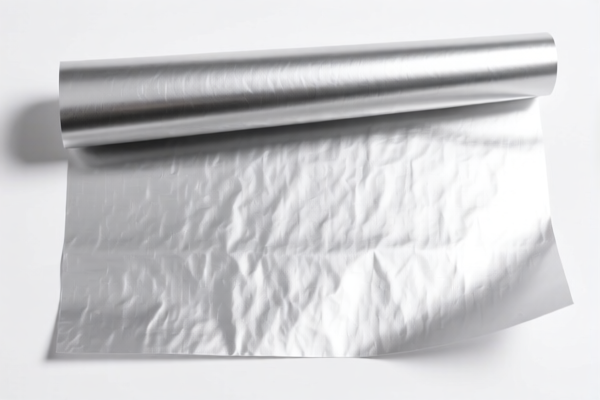
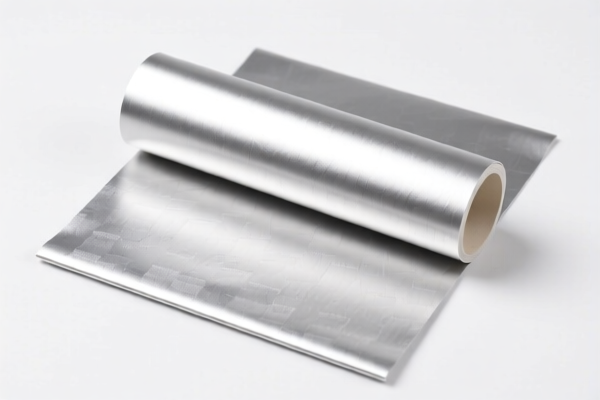
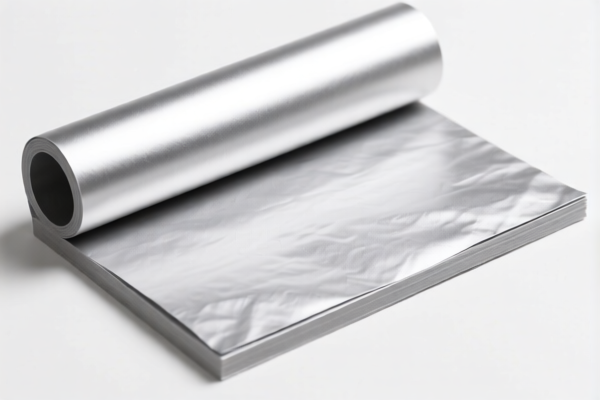
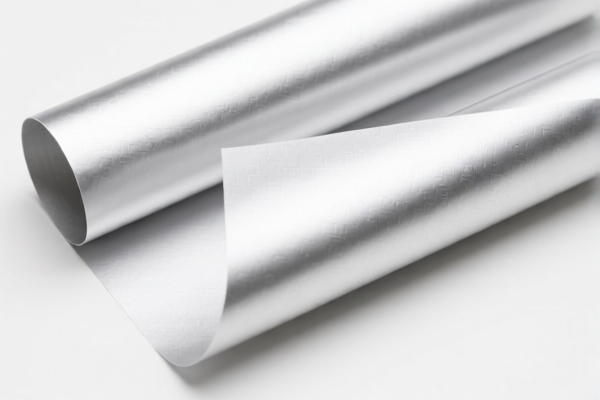
AI Analysis
🎞️ Halogen Silver Photosensitive Paper
🌐 HS Code Reference & Customs Clearance Guide | 2026 Latest Tariff Analysis | Professional-Level Entry Strategy
📌 I. Product Definition & Classification: What exactly is "Halogen Silver Photosensitive Paper"?
Halogen Silver Photosensitive Paper (commonly known as Silver Halide Paper) is a specialized chemical material used primarily in traditional photography, printing, and industrial imaging. It consists of a paper base coated with a light-sensitive emulsion containing silver halides (such as silver chloride, silver bromide, or silver iodide).
Key Distinction Points:
- Chemical Nature: The core component is Silver Halides (inorganic silver compounds).
- State: It is Unexposed (unused). If exposed and developed, it falls under different categories.
- Material: Paper base + Chemical Emulsion.
⚠️ Critical Classification Logic:
Customs authorities often struggle between classifying this as a Photographic Paper (Ch 37) or a Silver Chemical Compound (Ch 28).
- If the primary function is imaging/printing → Chapter 37.
- If sold purely as a raw chemical reagent (emulsion not yet coated or for further processing) → Chapter 28.
📦 II. HS Code Classification Details (2026 Latest Tariff Authority Comparison)
Based on the provided data, there are five potential HS Codes, reflecting the ambiguity between "Finished Photographic Product" vs. "Raw Chemical Compound."
| HS Code | Product Description & Matching Logic | Tax Rate | Tax Breakdown |
|---|---|---|---|
3703.90.60.00 |
Photographic Paper: Matches "Photosensitive Paper" core keyword. "Silver Halides" are感光 (light-sensitive) materials. Fits the description of unexposed photographic paper/board. | 37.8% | Base: 2.8% Add-on: 25.0% (Sec 301) 122 Clause: 10% |
3703.90.30.90 |
Other Silver Halide Paper: "Silver Halide" matches material; "Film/Emulsion" matches the unexposed state. Fits "Other Silver Halide Paper." | 38.7% | Base: 3.7% Add-on: 25.0% (Sec 301) 122 Clause: 10% |
3707.10.00.05 |
Prepared Emulsion: "Photosensitive Emulsion" matches usage; "Silver Halide" matches chemical nature. Fits "Prepared Photographic Emulsions." | 38.0% | Base: 3.0% Add-on: 25.0% (Sec 301) 122 Clause: 10% |
2843.29.01.00 |
Silver Compounds: Explicitly contains "Silver" (in Silver Halides). As an emulsion, it is a chemical compound. Fits "Other Silver Compounds." | 38.7% | Base: 3.7% Add-on: 25.0% (Sec 301) 122 Clause: 10% |
2843.21.00.00 |
Silver Nitrate/Compounds: Key features: "Silver Compound" + "Chemical Form." Silver Halides are inorganic silver compounds. No material conflict. Fits "Silver Nitrate & Other Silver Salts." | 38.7% | Base: 3.7% Add-on: 25.0% (Sec 301) 122 Clause: 10% |
🔍 Key Observation:
- All five codes result in high total tariffs (37.8% - 38.7%).
- The main difference lies in the Base Tariff (2.8% vs 3.7% vs 3.0%) due to the same 25% Section 301 Tariff and 10% Clause 122 Tariff.
- Risk: Misclassification between Ch 37 (Photographic) and Ch 28 (Chemical) can lead to customs delays or audits regarding the product's end-use.
💰 III. 2026 Latest Tariff Rate Details (Including Surcharges)
✅ Applicable Country: United States (US)
✅ Origin: China (CN)
✅ Effective Time: Post-2025 policies (Section 301 & Clause 122 remain active)
🎯 1. 3703.90.60.00 & 3703.90.30.90 —— Photographic Papers
| Item | Detail |
|---|---|
| Base Tariff | 2.8% ~ 3.7% |
| USITC Surcharge (Section 301) | +25.0% |
| Clause 122 Surcharge | +10.0% |
| Total Tariff | 37.8% ~ 38.7% |
| Calculation | CIF Value × Total Rate |
| De Minimis Exemption | ❌ Not Applicable (High value goods) |
📌 Interpretation:
- These codes treat the product as a finished photographic good.
- The 25% is the standard US trade war tariff on Chinese goods.
- The 10% is an additional punitive tariff (Clause 122).
🎯 2. 3707.10.00.05 —— Prepared Emulsions
| Item | Detail |
|---|---|
| Base Tariff | 3.0% |
| USITC Surcharge | +25.0% |
| Clause 122 Surcharge | +10.0% |
| Total Tariff | 38.0% |
| Calculation | CIF Value × 38.0% |
📌 Interpretation:
- If the paper is considered a "prepared emulsion" rather than finished paper, the base rate is slightly higher than3703.90.60.00but lower than other3703variants.
🎯 3. 2843.29.01.00 & 2843.21.00.00 —— Silver Compounds
| Item | Detail |
|---|---|
| Base Tariff | 3.7% |
| USITC Surcharge | +25.0% |
| Clause 122 Surcharge | +10.0% |
| Total Tariff | 38.7% |
| Calculation | CIF Value × 38.7% |
📌 Interpretation:
- These codes treat the product as a chemical raw material.
- Highest Base Tariff (3.7%) among all options, leading to the highest total rate (38.7%).
- Risk: Customs may reject Ch 28 if the product is clearly marketed as "Photographic Paper" for end-use, arguing for Ch 37 classification.
🛠️ IV. Customs Clearance Operational Advice
✅ 1. Documentation Checklist (Essential for Smooth Clearance)
| Document | Required? | Description |
|---|---|---|
| ✅ Product Specification Sheet | ✔️ | Must explicitly state: "Unexposed," "Silver Halide Emulsion," "Paper Base." |
| ✅ Formula/Composition List | ✔️ | Breakdown of Silver Halide types (e.g., AgCl, AgBr) and binder content. |
| ✅ Product Photos | ✔️ | Show packaging, labeling, and the paper itself. |
| ✅ Safety Data Sheet (SDS) | ✔️ | Required for chemical components (Silver Halides). |
| ✅ Commercial Invoice | ✔️ | Description must match HS Code logic (e.g., "Photographic Paper" vs. "Silver Compound"). |
| ✅ Statement of Use | ✔️ | Clarify if it is for consumer photography (Ch 37) or industrial chemical processing (Ch 28). |
✅ 2. Declaration Strategy (Key Mantra)
🔥 "Clarify Form, Define Use, Avoid Ambiguity!"
| Scenario | Recommended Declaration | Reason |
|---|---|---|
| Finished Paper Rolls/Sheets | 3703.90.60.00 |
Most common for photographic paper. Lower base rate (2.8%). |
| Bulk Chemical Emulsion | 2843.29.01.00 |
Only if sold as liquid/semi-solid chemical for coating. Higher risk of audit. |
| Specialty Printing Paper | 3703.90.30.90 |
If not standard photographic paper but specialized silver halide printing media. |
📌 Critical Advice:
- Do NOT describe as "Silver Metal" or "Silver Waste" (wrong category).
- Do NOT use vague terms like "Chemical Paper." Use precise terms: "Unexposed Silver Halide Photographic Paper."
✅ 3. Special Situation Handling
| Situation | Handling Advice |
|---|---|
| Mixed Shipment | If packing both photographic paper and chemical reagents, declare separately. Do not combine Ch 37 and Ch 28 in one line item. |
| New Formula | If the silver halide composition changes significantly, request a Pre-Ruling from US CBP to avoid misclassification. |
| High Value | Given the ~38% tariff, ensure Valuation is accurate. Undervaluation can lead to severe penalties. |
🌍 V. Global Market Comparison (2026)
| Region | Recommended HS Code | Approx. Tariff | Remarks |
|---|---|---|---|
| 🇺🇸 USA | 3703.90.60.00 |
37.8% | High tariffs due to Section 301 + Clause 122. |
| 🇪🇺 EU | 3703.90.00 |
~5-7% | No Section 301. Standard MFN rates apply. |
| 🇨🇳 China | 3703.90.00 |
~5-10% | Import duty for foreign photographic paper. |
| 🇯🇵 Japan | 3703.90.00 |
~0-5% | Generally low tariffs for photographic materials. |
📌 Conclusion:
- USA is the most expensive market for this product due to political tariffs.
- EU/JP/CN offer significantly better tariff conditions. Consider supply chain adjustments if targeting the US market heavily.
📌 VI. Common Errors & Pitfalls
❌ Error 1: Classifying as "Silver Bullion" or "Silver Coins"
👉 Consequence: Incorrect HS Code (e.g., 7106), leading to immediate rejection and fines.
❌ Error 2: Omitting "Unexposed" in description
👉 Consequence: Customs may suspect it is waste or used material, triggering health/environmental inspections.
❌ Error 3: Using Ch 28 (2843) for finished paper
👉 Consequence: Customs may argue it is a "manufactured good" (Ch 37) and impose penalties for misdeclaration, despite similar tax rates. Better to use Ch 37 for finished goods.
✅ Correct Practice:
"Halogen Silver Photosensitive Paper, Unexposed, 30cm x 100m roll, for photographic printing, containing Silver Chloride Emulsion."
🎯 VII. Conclusion: Professional Declaration Saves Money!
🎯 Remember:
🔹 "Form determines Code, Use determines Rate!"
🔹 "37.8% is the floor, 38.7% is the ceiling for China-Origin US-bound goods."
📌 Pro Tip:
If your customer in the US can provide an End-Use Certification proving the paper is for scientific/educational use rather than commercial photography, you might explore additional exemptions (though unlikely for Section 301).
Always request a Pre-Ruling from US CBP if the shipment value is high (> $10,000).
📣 Immediate Action:
📞 Consult a licensed US Customs Broker.
📄 Prepare SDS and Detailed Product Specs.
🚀 Accurate Declaration = Faster Clearance = Cost Control!
✨ Professional Customs Clearance Starts with Accurate Classification!
💼 Every percentage point counts in international trade!
Customer Reviews
About HS Code Classification
The Harmonized System (HS) is an internationally standardized nomenclature developed by the World Customs Organization (WCO) to classify traded products. Over 200 countries use the HS system as the basis for customs tariffs, trade statistics, and import/export regulations.
Each HS code follows a hierarchical structure:
- Chapter (2 digits) — Broad category of goods (e.g., Chapter 84: Machinery and Mechanical Appliances)
- Heading (4 digits) — More specific grouping within the chapter
- Subheading (6 digits) — Internationally standardized breakdown, used by all WCO member countries
- National subdivisions (8-10 digits) — Country-specific extensions for further classification, such as US HTSUS 10-digit codes
Correct HS code classification is essential for smooth customs clearance, accurate duty payment, and compliance with trade regulations. Misclassification can lead to customs delays, overpayment of duties, or penalties.
When importing from CN to US, the applicable tariff rates may include:
- Most-Favored-Nation (MFN) rate — The standard duty rate applied to WTO members
- General rate — Applied to countries without trade agreements
- Trade remedy duties — Additional tariffs such as Section 301 (anti-dumping), Section 232 (national security), or countervailing duties
The information provided on this page is for reference purposes only. For official classification, please consult with your local customs authority or a licensed customs broker.