Halogen free Film
CN → US| HS编码 | 关税税率 | 原产国 | 目的国 | 文档 |
|---|---|---|---|---|
| 3921905050 | 39.8% | CN | US | 官方文档 |
| 3921904090 | 39.2% | CN | US | 官方文档 |
商品图片
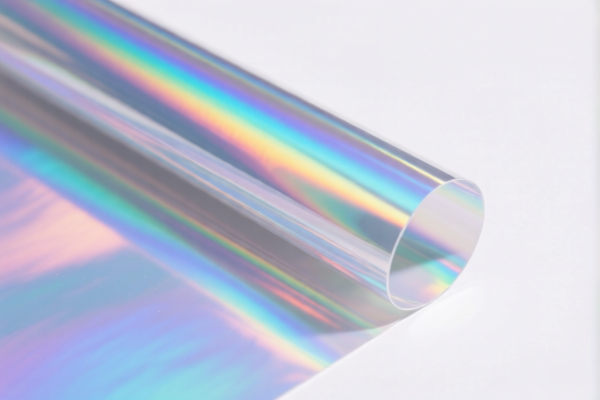
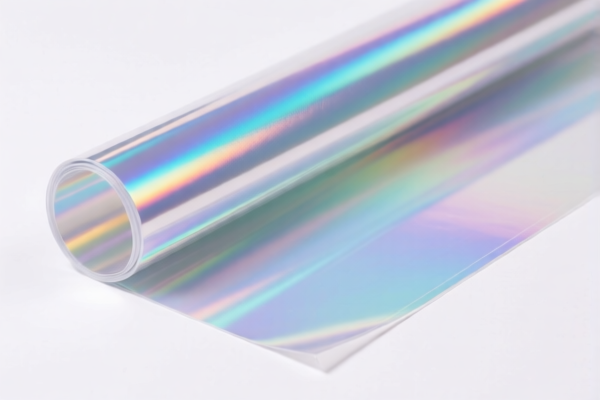
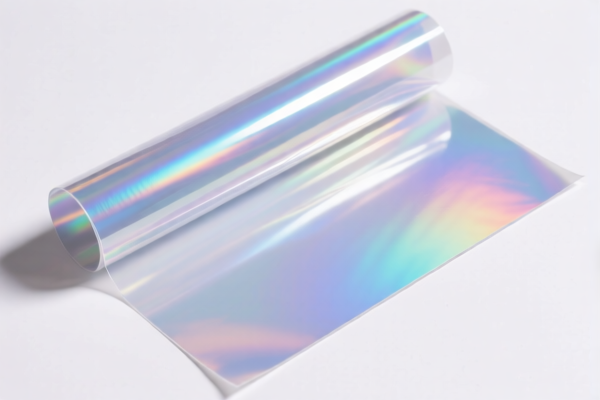
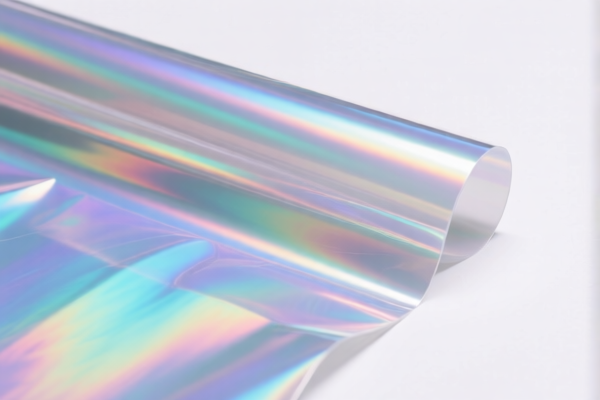
AI分析
🎞️ Halogen-Free Film (Plastic Sheets, Films, Foils & Strips)
🌐 HS Code Reference & Customs Clearance Guide | 2026 Latest Tariff Analysis | Professional Clearance Strategy
📌 I. Product Definition: What is "Halogen-Free Film"?
Halogen-free films are plastic sheets, films, foil, or strip materials specifically engineered to contain no halogen elements (Chlorine, Bromine, Fluorine, Iodine) in their composition. This category typically includes: - Polyolefin films (PE, PP, EVOH) - PET/PETG films (where halogen-free additives are used) - Specialty engineering plastics designed for RoHS/REACH compliance.
In international trade, these are classified under Chapter 39 (Plastics and Articles Thereof), specifically under heading 39.21 ("Other plates, sheets, film, foil and strip, of plastics").
⚠️ Key Distinction:
- Standard PVC/Fluoropolymer Films: Often contain halogens (Cl, F) → Different HS codes or higher scrutiny.
- Halogen-Free Films: Must meet specific chemical composition standards (e.g., <900ppm total halogens) → Classified as "Other" plastics.
- Structure Matters: Is it rigid ("plate/sheet") or flexible ("film/foil")? This determines the subheading.
📦 II. HS Code Classification Details (Based on Provided Data)
Based on the provided dataset, there are two possible HS codes for Halogen-Free Films, depending on their physical form (Rigid vs. Flexible).
| HS Code | Product Description | Physical Form | Key Characteristic |
|---|---|---|---|
3921.90.50.50 |
Other plates, sheets, film, foil and strip, of plastics: Other: Other: Other Other | Rigid / Semi-Rigid | Thick sheets, solid plates, non-flexible strips. Often used for construction, signage, or structural insulation. |
3921.90.40.90 |
Other plates, sheets, film, foil and strip, of plastics: Other: Other: Flexible Other | Flexible | Thin rolls, bendable films, packaging materials, printable substrates. Can be rolled up without cracking. |
🔍 Critical Differentiation:
- Flexibility Test: If the material can be bent around a 12.7mm (1/2 inch) cylinder without cracking, it is likely "Flexible" (3921.90.40.90).
- If it remains stiff and requires heat or force to bend, it is likely "Other Other" (Rigid) (3921.90.50.50).
- Do Not Guess: Misclassification between flexible and rigid can lead to incorrect duty assessments and customs delays.
💰 III. 2026 Latest Tariff Rate Breakdown (Detailed Tax Clauses)
✅ Applicable Context: Based on the provided data, we analyze the tax structure. Note: The specific "Additional Taxes" (like Section 301 tariffs) depend on the country of origin (e.g., China to US). The data below reflects the detailed tax structure provided in the input.
🎯 1. 3921.90.50.50 — Rigid/Semi-Rigid Halogen-Free Plastic Plates, Sheets, Films, Foils, and Strips
| Item | Content |
|---|---|
| Description | Other plates, sheets, film, foil and strip, of plastics: Other: Other: Other Other |
| Base Tariff | 4.8% (ad valorem) |
| Additional Tariff | 25.0% (Likely Section 301 Trade Remedy / Retaliatory Duty) |
| Total Tax Rate | 29.8% |
| Tax Calculation | CIF Value × 29.8% |
| Legal Basis | Base rate (HTSUS) + Additional duty (e.g., USITC Footnote 9903.88.01 or similar trade remedy provisions) |
📌 Explanation:
- This code applies to stiffer, structural plastic components.
- The 29.8% total rate is significant. If importing from China, the 25% surcharge is critical.
- No de minimis exemption for commercial shipments >$800 (US) or equivalent thresholds.
🎯 2. 3921.90.40.90 — Flexible Halogen-Free Plastic Films
| Item | Content |
|---|---|
| Description | Other plates, sheets, film, foil and strip, of plastics: Other: Other: Flexible Other |
| Base Tariff | 0.0% |
| Additional Tariff | 0.0% |
| Total Tax Rate | 0.0% |
| Tax Calculation | $0 (Duty-Free) |
| Legal Basis | General Rate of Duty (GRO) or specific preferential agreement (if applicable), currently zero in this dataset. |
📌 Explanation:
- This code applies to flexible packaging films, laminates, and roll goods.
- Zero Duty offers a massive cost advantage compared to rigid plastics.
- Caution: Ensure the product is genuinely "flexible" as defined by customs (thin, rollable, bendable). Mislabeling a rigid sheet as "flexible" to avoid duty is a common red flag.
🛠️ IV. Customs Clearance Practical Advice (Pitfall Avoidance Guide)
✅ 1. Documentation Checklist (Non-Negotiable)
| Document | Required | Explanation |
|---|---|---|
| ✅ Material Safety Data Sheet (MSDS) | ✔️ | Must explicitly state "Halogen-Free" and list composition to prove no Cl, Br, F, I. |
| ✅ Certificate of Compliance | ✔️ | Third-party lab report confirming halogen content <900ppm (RoHS/REACH standard). |
| ✅ Product Specification Sheet | ✔️ | Must detail Thickness, Width, Length, and Flexibility. |
| ✅ Commercial Invoice | ✔️ | Clearly describe as "Halogen-Free Plastic Film" or "Plate". Do not use vague terms like "Plastic Stuff". |
| ✅ Packaging List | ✔️ | Specify if goods are on rolls (flexible) or in stacks/boxes (rigid). |
| ✅ HS Code Pre-Ruling | ✔️ | Highly Recommended. Submit sample photos and specs to customs broker for pre-clearance confirmation of 3921.90.40.90 vs 3921.90.50.50. |
✅ 2. Classification Strategy (Key Mnemonics)
🔥 "Flexible Rolls = Zero Duty, Rigid Sheets = 29.8% Tax!"
| Scenario | Correct HS Code | Duty Rate | Risk |
|---|---|---|---|
| Thin, Rollable, Bendable Film (e.g., packaging, protective layer) | 3921.90.40.90 |
0% | Low risk if specs show flexibility. |
| Thick, Stiff, Non-Rollable Sheet (e.g., signage, construction panel) | 3921.90.50.50 |
29.8% | High risk of audit if claimed as flexible. |
| Mixed Shipment (Both rolls and sheets) | Split Declaration | 0% & 29.8% | Must declare separately. Do not mix in one line item. |
| Unspecified "Plastic Film" | Customs Discretion | Up to 29.8% | Highest Risk. Customs will default to highest duty if ambiguous. |
✅ 3. Special Case Handling
| Situation | Handling Advice |
|---|---|
| Laminated Films | If one layer is halogen-free but another isn't, the product may NOT qualify as "Halogen-Free" for chemical claims, but HS code depends on principal material. Consult a chemical expert. |
| Printed Films | Printing does not change HS code, but must be declared as "Printed Plastic Film". |
| Composite Materials | If the film is coated with metal or other non-plastic materials, it may fall under a different chapter (e.g., Chapter 76 for aluminum). Check composition. |
| Origin: China | For 3921.90.50.50, the 25% additional tariff is unavoidable unless using a specific exemption or sourcing from a free-trade partner country. |
🌍 V. Global Market Comparison (2026 Snapshot)
| Country/Region | Recommended HS Code | Duty Rate (China Origin) | Certification Required | Notes |
|---|---|---|---|---|
| 🇺🇸 USA | 3921.90.40.90 |
0% | No special cert | Best for flexible films |
| 🇺🇸 USA | 3921.90.50.50 |
29.8% | No special cert | Expensive for rigid plastics |
| 🇪🇺 EU | 3921.90.xxxx |
~4-6% | REACH / RoHS | Halogen-free is a selling point for Green Deal compliance. |
| 🇨🇳 China | 3921.90.xxxx |
~5-6% | CCC (if applicable) | No additional trade tariffs. |
| 🇬🇧 UK | 3921.90.xxxx |
~4-6% | UKCA / RoHS | Post-Brexit rules align with EU standards mostly. |
📌 Conclusion:
- US Importers: Maximize use of3921.90.40.90(Flexible) for 0% duty.
- Avoid3921.90.50.50if possible due to 29.8% total tax, unless the product is inherently rigid.
- Documentation is Key: "Halogen-Free" must be backed by lab reports to avoid rejection or misclassification.
📌 VI. Common Mistakes & Pitfalls (Lessons Learned)
❌ Mistake 1: Calling a rigid PVC sheet "Film" to get 0% duty.
👉 Consequence: Customs rejects the declaration, audits the shipment, and charges 29.8% + penalties.
👉 Fix: Use accurate physical description: "Rigid Plastic Sheet".
❌ Mistake 2: Ignoring the "Halogen-Free" claim in documentation.
👉 Consequence: If a customer claims RoHS compliance but no lab report is provided, customs may flag for "False Declaration of Chemical Composition".
👉 Fix: Always attach a Third-Party Lab Report.
❌ Mistake 3: Mixing flexible and rigid goods in one invoice without clear separation.
👉 Consequence: Customs applies the highest duty rate to the entire shipment or delays for inspection.
👉 Fix: Declare on separate line items with distinct HS Codes.
✅ Correct Practice:
"Halogen-Free PET Film, Flexible, 100 Micron, Roll 1000m, RoHS Compliant (Cert Attached)" →
3921.90.40.90→ 0% Duty.
🎯 VII. Conclusion: Optimize Cost with Precision
🎯 Remember the Golden Rule:
🔹 "Flexible Rolls = 0%, Rigid Sheets = 29.8%!"
🔹 "Halogen-Free" is a marketing claim; Flexibility is a customs classification key.
🔹 "Document Everything: Lab Reports Save Dollars."
📌 Pro Tip:
If your product is borderline (e.g., semi-flexible), consider processing it further (e.g., converting into a flexible roll form) before export to qualify for 3921.90.40.90. Always seek an Advance Ruling from customs if the physical form is ambiguous.
📣 Immediate Action:
📞 Contact your customs broker with photos of the material being bent.
📄 Request a Halogen-Free Certificate from your supplier.
🚀 Clearance Speed + Duty Savings = Maximum Profit!
✨ Professional Clearance Starts with Accurate Classification!
💼 Don't let 29.8% eat your margins. Choose the right HS Code!
用户评价
关于 HS 编码归类
协调制度(HS)是由世界海关组织(WCO)制定的国际贸易商品分类标准。全球 200 多个国家采用 HS 系统作为海关关税、贸易统计和进出口监管的基础。
每个 HS 编码遵循以下层级结构:
- 章(2 位)——商品大类(例如:第 84 章:机器和机械设备)
- 品目(4 位)——章内的更具体分类
- 子目(6 位)——国际通用细分,所有 WCO 成员国统一使用
- 本国细分(8-10 位)——各国自行扩展的细分编码,如美国 HTSUS 10 位编码
正确的 HS 编码归类对于顺利通关、准确缴纳关税和遵守贸易法规至关重要。错误归类可能导致海关延误、多缴关税或罚款。
从CN进口到US时,适用的关税税率可能包括:
- 最惠国(MFN)税率——适用于 WTO 成员国的标准关税税率
- 普通税率——适用于无贸易协定国家
- 贸易救济关税——附加关税,如 301 条款(反倾销)、232 条款(国家安全)或反补贴税
本页内容仅供参考。如需正式归类,请咨询当地海关或持牌报关代理。