Halogen free Film
CN → US| HS Code | Tariff Rate | Origin | Destination | Doc |
|---|---|---|---|---|
| 3921905050 | 39.8% | CN | US | Official Doc |
| 3921904090 | 39.2% | CN | US | Official Doc |
Product Images
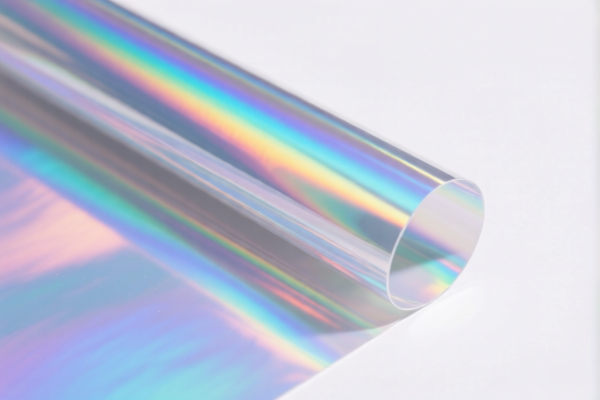
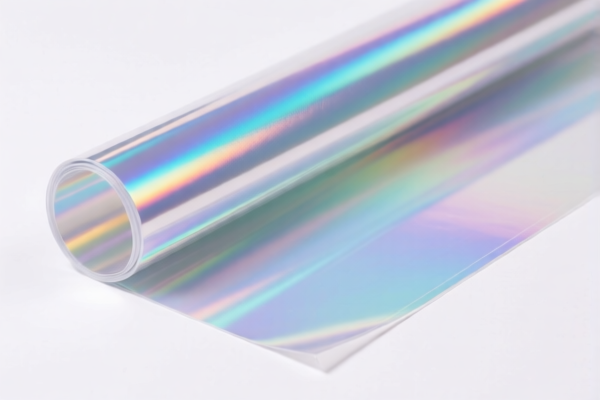
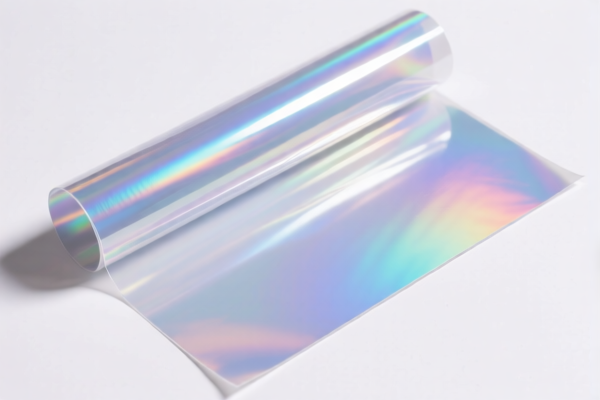
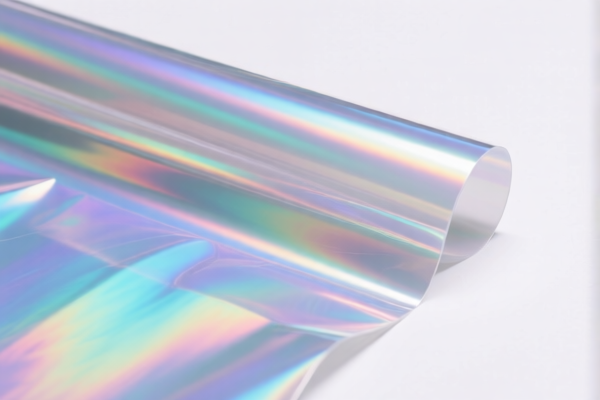
AI Analysis
🎞️ Halogen-Free Film (Plastic Sheets, Films, Foils & Strips)
🌐 HS Code Reference & Customs Clearance Guide | 2026 Latest Tariff Analysis | Professional Clearance Strategy
📌 I. Product Definition: What is "Halogen-Free Film"?
Halogen-free films are plastic sheets, films, foil, or strip materials specifically engineered to contain no halogen elements (Chlorine, Bromine, Fluorine, Iodine) in their composition. This category typically includes: - Polyolefin films (PE, PP, EVOH) - PET/PETG films (where halogen-free additives are used) - Specialty engineering plastics designed for RoHS/REACH compliance.
In international trade, these are classified under Chapter 39 (Plastics and Articles Thereof), specifically under heading 39.21 ("Other plates, sheets, film, foil and strip, of plastics").
⚠️ Key Distinction:
- Standard PVC/Fluoropolymer Films: Often contain halogens (Cl, F) → Different HS codes or higher scrutiny.
- Halogen-Free Films: Must meet specific chemical composition standards (e.g., <900ppm total halogens) → Classified as "Other" plastics.
- Structure Matters: Is it rigid ("plate/sheet") or flexible ("film/foil")? This determines the subheading.
📦 II. HS Code Classification Details (Based on Provided Data)
Based on the provided dataset, there are two possible HS codes for Halogen-Free Films, depending on their physical form (Rigid vs. Flexible).
| HS Code | Product Description | Physical Form | Key Characteristic |
|---|---|---|---|
3921.90.50.50 |
Other plates, sheets, film, foil and strip, of plastics: Other: Other: Other Other | Rigid / Semi-Rigid | Thick sheets, solid plates, non-flexible strips. Often used for construction, signage, or structural insulation. |
3921.90.40.90 |
Other plates, sheets, film, foil and strip, of plastics: Other: Other: Flexible Other | Flexible | Thin rolls, bendable films, packaging materials, printable substrates. Can be rolled up without cracking. |
🔍 Critical Differentiation:
- Flexibility Test: If the material can be bent around a 12.7mm (1/2 inch) cylinder without cracking, it is likely "Flexible" (3921.90.40.90).
- If it remains stiff and requires heat or force to bend, it is likely "Other Other" (Rigid) (3921.90.50.50).
- Do Not Guess: Misclassification between flexible and rigid can lead to incorrect duty assessments and customs delays.
💰 III. 2026 Latest Tariff Rate Breakdown (Detailed Tax Clauses)
✅ Applicable Context: Based on the provided data, we analyze the tax structure. Note: The specific "Additional Taxes" (like Section 301 tariffs) depend on the country of origin (e.g., China to US). The data below reflects the detailed tax structure provided in the input.
🎯 1. 3921.90.50.50 — Rigid/Semi-Rigid Halogen-Free Plastic Plates, Sheets, Films, Foils, and Strips
| Item | Content |
|---|---|
| Description | Other plates, sheets, film, foil and strip, of plastics: Other: Other: Other Other |
| Base Tariff | 4.8% (ad valorem) |
| Additional Tariff | 25.0% (Likely Section 301 Trade Remedy / Retaliatory Duty) |
| Total Tax Rate | 29.8% |
| Tax Calculation | CIF Value × 29.8% |
| Legal Basis | Base rate (HTSUS) + Additional duty (e.g., USITC Footnote 9903.88.01 or similar trade remedy provisions) |
📌 Explanation:
- This code applies to stiffer, structural plastic components.
- The 29.8% total rate is significant. If importing from China, the 25% surcharge is critical.
- No de minimis exemption for commercial shipments >$800 (US) or equivalent thresholds.
🎯 2. 3921.90.40.90 — Flexible Halogen-Free Plastic Films
| Item | Content |
|---|---|
| Description | Other plates, sheets, film, foil and strip, of plastics: Other: Other: Flexible Other |
| Base Tariff | 0.0% |
| Additional Tariff | 0.0% |
| Total Tax Rate | 0.0% |
| Tax Calculation | $0 (Duty-Free) |
| Legal Basis | General Rate of Duty (GRO) or specific preferential agreement (if applicable), currently zero in this dataset. |
📌 Explanation:
- This code applies to flexible packaging films, laminates, and roll goods.
- Zero Duty offers a massive cost advantage compared to rigid plastics.
- Caution: Ensure the product is genuinely "flexible" as defined by customs (thin, rollable, bendable). Mislabeling a rigid sheet as "flexible" to avoid duty is a common red flag.
🛠️ IV. Customs Clearance Practical Advice (Pitfall Avoidance Guide)
✅ 1. Documentation Checklist (Non-Negotiable)
| Document | Required | Explanation |
|---|---|---|
| ✅ Material Safety Data Sheet (MSDS) | ✔️ | Must explicitly state "Halogen-Free" and list composition to prove no Cl, Br, F, I. |
| ✅ Certificate of Compliance | ✔️ | Third-party lab report confirming halogen content <900ppm (RoHS/REACH standard). |
| ✅ Product Specification Sheet | ✔️ | Must detail Thickness, Width, Length, and Flexibility. |
| ✅ Commercial Invoice | ✔️ | Clearly describe as "Halogen-Free Plastic Film" or "Plate". Do not use vague terms like "Plastic Stuff". |
| ✅ Packaging List | ✔️ | Specify if goods are on rolls (flexible) or in stacks/boxes (rigid). |
| ✅ HS Code Pre-Ruling | ✔️ | Highly Recommended. Submit sample photos and specs to customs broker for pre-clearance confirmation of 3921.90.40.90 vs 3921.90.50.50. |
✅ 2. Classification Strategy (Key Mnemonics)
🔥 "Flexible Rolls = Zero Duty, Rigid Sheets = 29.8% Tax!"
| Scenario | Correct HS Code | Duty Rate | Risk |
|---|---|---|---|
| Thin, Rollable, Bendable Film (e.g., packaging, protective layer) | 3921.90.40.90 |
0% | Low risk if specs show flexibility. |
| Thick, Stiff, Non-Rollable Sheet (e.g., signage, construction panel) | 3921.90.50.50 |
29.8% | High risk of audit if claimed as flexible. |
| Mixed Shipment (Both rolls and sheets) | Split Declaration | 0% & 29.8% | Must declare separately. Do not mix in one line item. |
| Unspecified "Plastic Film" | Customs Discretion | Up to 29.8% | Highest Risk. Customs will default to highest duty if ambiguous. |
✅ 3. Special Case Handling
| Situation | Handling Advice |
|---|---|
| Laminated Films | If one layer is halogen-free but another isn't, the product may NOT qualify as "Halogen-Free" for chemical claims, but HS code depends on principal material. Consult a chemical expert. |
| Printed Films | Printing does not change HS code, but must be declared as "Printed Plastic Film". |
| Composite Materials | If the film is coated with metal or other non-plastic materials, it may fall under a different chapter (e.g., Chapter 76 for aluminum). Check composition. |
| Origin: China | For 3921.90.50.50, the 25% additional tariff is unavoidable unless using a specific exemption or sourcing from a free-trade partner country. |
🌍 V. Global Market Comparison (2026 Snapshot)
| Country/Region | Recommended HS Code | Duty Rate (China Origin) | Certification Required | Notes |
|---|---|---|---|---|
| 🇺🇸 USA | 3921.90.40.90 |
0% | No special cert | Best for flexible films |
| 🇺🇸 USA | 3921.90.50.50 |
29.8% | No special cert | Expensive for rigid plastics |
| 🇪🇺 EU | 3921.90.xxxx |
~4-6% | REACH / RoHS | Halogen-free is a selling point for Green Deal compliance. |
| 🇨🇳 China | 3921.90.xxxx |
~5-6% | CCC (if applicable) | No additional trade tariffs. |
| 🇬🇧 UK | 3921.90.xxxx |
~4-6% | UKCA / RoHS | Post-Brexit rules align with EU standards mostly. |
📌 Conclusion:
- US Importers: Maximize use of3921.90.40.90(Flexible) for 0% duty.
- Avoid3921.90.50.50if possible due to 29.8% total tax, unless the product is inherently rigid.
- Documentation is Key: "Halogen-Free" must be backed by lab reports to avoid rejection or misclassification.
📌 VI. Common Mistakes & Pitfalls (Lessons Learned)
❌ Mistake 1: Calling a rigid PVC sheet "Film" to get 0% duty.
👉 Consequence: Customs rejects the declaration, audits the shipment, and charges 29.8% + penalties.
👉 Fix: Use accurate physical description: "Rigid Plastic Sheet".
❌ Mistake 2: Ignoring the "Halogen-Free" claim in documentation.
👉 Consequence: If a customer claims RoHS compliance but no lab report is provided, customs may flag for "False Declaration of Chemical Composition".
👉 Fix: Always attach a Third-Party Lab Report.
❌ Mistake 3: Mixing flexible and rigid goods in one invoice without clear separation.
👉 Consequence: Customs applies the highest duty rate to the entire shipment or delays for inspection.
👉 Fix: Declare on separate line items with distinct HS Codes.
✅ Correct Practice:
"Halogen-Free PET Film, Flexible, 100 Micron, Roll 1000m, RoHS Compliant (Cert Attached)" →
3921.90.40.90→ 0% Duty.
🎯 VII. Conclusion: Optimize Cost with Precision
🎯 Remember the Golden Rule:
🔹 "Flexible Rolls = 0%, Rigid Sheets = 29.8%!"
🔹 "Halogen-Free" is a marketing claim; Flexibility is a customs classification key.
🔹 "Document Everything: Lab Reports Save Dollars."
📌 Pro Tip:
If your product is borderline (e.g., semi-flexible), consider processing it further (e.g., converting into a flexible roll form) before export to qualify for 3921.90.40.90. Always seek an Advance Ruling from customs if the physical form is ambiguous.
📣 Immediate Action:
📞 Contact your customs broker with photos of the material being bent.
📄 Request a Halogen-Free Certificate from your supplier.
🚀 Clearance Speed + Duty Savings = Maximum Profit!
✨ Professional Clearance Starts with Accurate Classification!
💼 Don't let 29.8% eat your margins. Choose the right HS Code!
Customer Reviews
About HS Code Classification
The Harmonized System (HS) is an internationally standardized nomenclature developed by the World Customs Organization (WCO) to classify traded products. Over 200 countries use the HS system as the basis for customs tariffs, trade statistics, and import/export regulations.
Each HS code follows a hierarchical structure:
- Chapter (2 digits) — Broad category of goods (e.g., Chapter 84: Machinery and Mechanical Appliances)
- Heading (4 digits) — More specific grouping within the chapter
- Subheading (6 digits) — Internationally standardized breakdown, used by all WCO member countries
- National subdivisions (8-10 digits) — Country-specific extensions for further classification, such as US HTSUS 10-digit codes
Correct HS code classification is essential for smooth customs clearance, accurate duty payment, and compliance with trade regulations. Misclassification can lead to customs delays, overpayment of duties, or penalties.
When importing from CN to US, the applicable tariff rates may include:
- Most-Favored-Nation (MFN) rate — The standard duty rate applied to WTO members
- General rate — Applied to countries without trade agreements
- Trade remedy duties — Additional tariffs such as Section 301 (anti-dumping), Section 232 (national security), or countervailing duties
The information provided on this page is for reference purposes only. For official classification, please consult with your local customs authority or a licensed customs broker.