Hand knotted Silk Prayer Mat
CN → US| HS编码 | 关税税率 | 原产国 | 目的国 | 文档 |
|---|---|---|---|---|
| 6302991000 | 20.2% | CN | US | 官方文档 |
| 6302992000 | 25.9% | CN | US | 官方文档 |
| 5007200015 | 35.0% | CN | US | 官方文档 |
| 5007903090 | 35.8% | CN | US | 官方文档 |
| 9404909623 | 17.3% | CN | US | 官方文档 |
商品图片
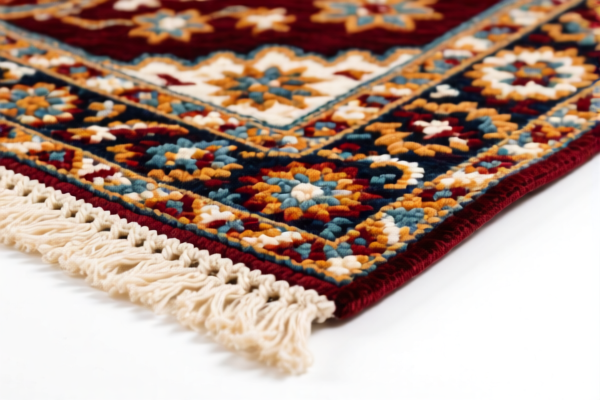
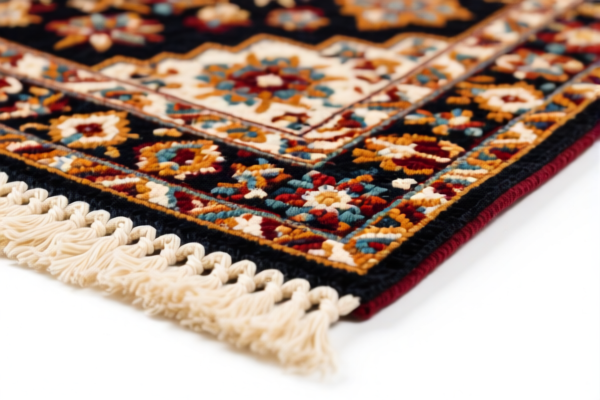
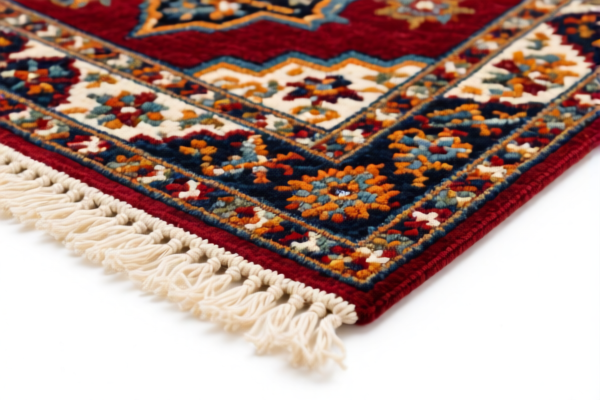
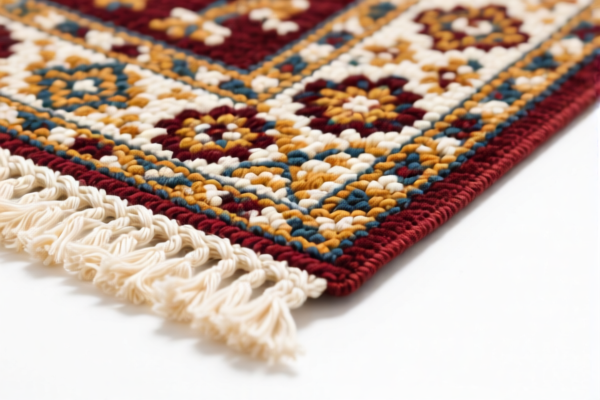
AI分析
🕌 Hand-Knotted Silk Prayer Mat (Silk Prayer Rug)
🌐 HS Code Reference & Customs Clearance Guide | 2026 Latest Tariff Analysis | Strategic Clearance Strategy
📌 I. Product Definition & Classification: Do You Really Understand "Silk Prayer Mats"?
Hand-knotted silk prayer mats are not merely textile items; they are precision-crafted religious artifacts. In international trade, their classification hinges on a critical distinction: Are they classified as "Textile Products of a Kind Used for Prayer" or "General Textile Fabrics/Pads"?
The confusion often arises because they look like "rugs" or "pillows" but are made of high-value silk. The US Customs and Border Protection (CBP) looks at: 1. Material Composition: Is it >85% silk? 2. Function: Is it exclusively for prayer? 3. Construction: Is it knotted (carpet-like) or woven (fabric-like)?
⚠️ Key Distinction Point:
- If classified as a specific textile article (Chapter 63), it may benefit from lower base tariffs but faces specific "Section 301" or "Section 122" penalties.
- If classified as Silk Fabric (Chapter 50), it triggers higher base rates and aggressive punitive tariffs.
- If classified as a Generic Pad/Other Textile (Chapter 94 or residual), the tariff structure changes dramatically, sometimes resulting in lower total duties due to differing penalty applications.
📦 II. HS Code Classification Details (2026 Latest Tariff Authority Cross-Reference)
| HS Code | Product Description | Application Scenario | Material/Feature Logic |
|---|---|---|---|
6302.99.10.00 |
Silk Prayer Mat: "Bedding, Sanitary, or Kitchen Textile Articles" – Specifically categorized under "Pad-type" uses within textile articles. | Standard prayer mats deemed as specialized "textile articles." | ✅ Textile Article (Ch. 63) |
6302.99.20.00 |
Silk Prayer Mat: "Sheet, Table Linen, Sanitary/Kitchen Cloth" – Categorized as "Pad-type" under bed/table linens. | Viewed as a specific type of linen/cloth pad. | ✅ Textile Article (Ch. 63) |
5007.20.00.15 |
Silk Prayer Mat: "Woven Fabric" – Classified under woven silk fabrics, fitting the "other" category inference principle. | Treated primarily as raw silk fabric rather than a finished textile article. | ✅ Silk Fabric (Ch. 50) |
5007.90.30.90 |
Silk Prayer Mat: "Other Woven Silk Fabrics" – Meets >85% silk/silk waste requirement; classified as fabric. | High-silk content triggers Chapter 50 classification. | ✅ Silk Fabric (Ch. 50) |
9404.90.96.23 |
Silk Prayer Mat: "Other Textile Material Articles" – Classified as a "Pad" with inferred high silk content shell. | Treated as a generic pad/mattress item, not specifically a prayer textile. | ✅ General Textile Item (Ch. 94) |
🔍 Key Insight:
- Ch. 63 (6302): Views the mat as a functional textile accessory.
- Ch. 50 (5007): Views the mat as silk fabric due to material content, ignoring the "prayer" function for classification purposes.
- Ch. 94 (9404): Views the mat as a pad (like a cushion), potentially avoiding specific textile penalties depending on the "122 Clause" application.
💰 III. 2026 Latest Tariff Rate Breakdown (Including Additional Taxes, Policy Surcharges)
✅ Applicable Country: United States (US)
✅ Origin: China (CN)
✅ Effective Date: Post-2025 Trade Policy Adjustments
🎯 1. 6302.99.10.00 – Silk Prayer Mat (Textile Article - Pad Use)
| Item | Content |
|---|---|
| Base Tariff | 2.7% (ad valorem) |
| Section 301 Add-on | +7.5% |
| Section 122 Surcharge | +10% |
| Total Tariff Rate | 20.2% |
| Tax Calculation | CIF Value × 20.2% |
| De Minimis Eligibility | ❌ Not Applicable (Commercial shipment) |
| Legal Basis Path | HTSUS:6302.99.10.00 → Section 301: 7.5% → Section 122: 10% |
📌 Explanation:
- This is one of the lower total tariff options available for silk prayer mats.
- The base rate (2.7%) is low because it falls under specific textile articles.
- However, it still incurs both the 7.5% Section 301 tariff and the 10% Section 122 surcharge.
🎯 2. 6302.99.20.00 – Silk Prayer Mat (Textile Article - Linen/Cloth Category)
| Item | Content |
|---|---|
| Base Tariff | 8.4% (ad valorem) |
| Section 301 Add-on | +7.5% |
| Section 122 Surcharge | +10% |
| Total Tariff Rate | 25.9% |
| Tax Calculation | CIF Value × 25.9% |
| De Minimis Eligibility | ❌ Not Applicable |
| Legal Basis Path | HTSUS:6302.99.20.00 → Section 301: 7.5% → Section 122: 10% |
📌 Note:
- Slightly higher than the previous code due to a higher base tariff (8.4%).
- Same additional penalties apply.
- Not recommended if6302.99.10.00is legally justifiable.
🎯 3. 5007.20.00.15 – Silk Prayer Mat (Woven Silk Fabric)
| Item | Content |
|---|---|
| Base Tariff | 0.0% (ad valorem) |
| Section 301 Add-on | +25.0% |
| Section 122 Surcharge | +10% |
| Total Tariff Rate | 35.0% |
| Tax Calculation | CIF Value × 35.0% |
| De Minimis Eligibility | ❌ Not Applicable |
| Legal Basis Path | HTSUS:5007.20.00.15 → Section 301: 25.0% → Section 122: 10% |
📌 Explanation:
- Zero base tariff sounds good, but the Section 301 rate jumps to 25% for silk fabrics!
- This is significantly more expensive than the Chapter 63 options.
- CBP often prefers this classification for high-silk content items if the "prayer" function isn't explicitly documented in the commercial invoice to trigger Ch. 63.
🎯 4. 5007.90.30.90 – Silk Prayer Mat (Other Woven Silk Fabrics)
| Item | Content |
|---|---|
| Base Tariff | 0.8% (ad valorem) |
| Section 301 Add-on | +25.0% |
| Section 122 Surcharge | +10% |
| Total Tariff Rate | 35.8% |
| Tax Calculation | CIF Value × 35.8% |
| De Minimis Eligibility | ❌ Not Applicable |
| Legal Basis Path | HTSUS:5007.90.30.90 → Section 301: 25.0% → Section 122: 10% |
📌 Note:
- Similar to the previous code but with a minimal base rate.
- Avoid unless you have no choice; the 25% Section 301 penalty dominates the cost.
🎯 5. 9404.90.96.23 – Silk Prayer Mat (Other Textile Material Pads)
| Item | Content |
|---|---|
| Base Tariff | 7.3% (ad valorem) |
| Section 301 Add-on | 0.0% |
| Section 122 Surcharge | +10% |
| Total Tariff Rate | 17.3% |
| Tax Calculation | CIF Value × 17.3% |
| De Minimis Eligibility | ❌ Not Applicable |
| Legal Basis Path | HTSUS:9404.90.96.23 → Section 122: 10% |
📌 Critical Insight:
- THIS IS THE LOWEST TOTAL TARIFF!
- Why? Because it avoids the Section 301 25% (or 7.5%) penalty.
- Section 301 often exempts certain "Other Textile Material" articles or applies differently, whereas Chapter 63 and 50 explicitly carry the surcharge.
- Risk: CBP may challenge this classification, arguing it should be a textile article (Ch. 63). However, if legally defensible as a "pad" with high silk content, this offers significant savings.
🛠️ IV. Customs Clearance Practical Advice (Combat-Ready Pitfall Guide)
✅ 1. Documentation Checklist (Non-Negotiable)
| Document | Must Provide | Explanation |
|---|---|---|
| ✅ Product Specification | ✔️ | Detail: Hand-knotted vs. Woven, Silk Content %, Dimensions, Thickness. |
| ✅ Commercial Invoice | ✔️ | Must clearly state "Hand-Knotted Silk Prayer Mat". Do not just write "Silk Rug." |
| ✅ Material Composition Label | ✔️ | Proof of >85% silk (if claiming Ch. 50/94) or specific textile article nature. |
| ✅ Product Photos | ✔️ | Show the backing, knotting, and label clearly. |
| ✅ HTS Code Justification | ✔️ | A brief memo explaining why you chose the specific code (e.g., "Classified as Pad per GRI 1"). |
✅ 2. Declaration Strategy (Key Mantra)
🔥 “Function Defines Chapter, Material Defines Subheading, Penalty Defines Cost!”
| Scenario | Correct Declaration | Incorrect Practice |
|---|---|---|
| Lowest Duty Strategy | 9404.90.96.23 (Pad) |
Declare as "Textile Mat" → Triggers Ch. 63 penalties. |
| Standard Strategy | 6302.99.10.00 (Textile Article) |
Declare as "Silk Fabric" → Triggers 35% duty. |
| High-Value Silk | 5007.20.00.15 (Fabric) |
Only use if Ch. 63/94 are rejected by CBP. |
| Generic "Rug" | Avoid vague terms like "Oriental Rug" | Leads to reclassification and penalties. |
✅ 3. Special Handling Cases
| Case | Handling Advice |
|---|---|
| OEM Custom Prayer Mats | Provide the design blueprint and material breakdown. Prove it's not a generic rug. |
| High Silk Content (>85%) | If using 9404.90.96.23, ensure the invoice states "Pad, 85% Silk". CBP may still challenge, but it's the best legal argument for 17.3%. |
| Knotted vs. Woven | If knotted, it resembles a carpet. CBP may push for Ch. 57. If woven, Ch. 63 or 50 is easier. 9404 works for both if framed as a "pad." |
| Mixed Materials | If silk + wool, classification changes. Stick to pure silk for the codes above. |
🌍 V. Global Market Comparison (2026 Latest)
| Country/Region | Recommended HS Code | Total Tariff (China Origin) | Key Certifications | Notes |
|---|---|---|---|---|
| 🇺🇸 USA | 9404.90.96.23 |
17.3% | None specific | Lowest tariff due to avoided Section 301. |
| 🇺🇸 USA | 6302.99.10.00 |
20.2% | None specific | Safe, standard textile article classification. |
| 🇨🇳 China | 6302.99.10.00 |
~10-15% | CCC (if applicable) | Import duties are lower; focus on VAT. |
| 🇪🇺 EU | 6302.99.10.00 |
~12% | CE (if functional) | No Section 301 equivalent. |
| 🇦🇺 Australia | 6302.99.10.00 |
~5-10% | None | Competitive market. |
| 🇯🇵 Japan | 6302.99.10.00 |
~5-10% | None | Stable tariffs. |
📌 Conclusion:
- The US market is the most complex due to Section 301 and 122 tariffs.
- USA Importers: Fight for9404.90.96.23to save 17.3% vs 35%.
- Other Markets: Standard textile classification (6302) is usually safe and cost-effective.
📌 VI. Common Errors & Pitfall Guide (Blood-Stained Lessons)
❌ Error 1: Declaring as "Silk Rug" under 5703 (Carpet)
👉 Consequence: High duties + CBP reclassification to textile article → Penalties & Delays!
❌ Error 2: Using 5007 (Fabric) for a finished mat
👉 Consequence: 35% Tariff instead of 17-20%. You paid for Section 301 25% unnecessarily.
❌ Error 3: Ignoring "Section 122"
👉 Consequence: All textile articles from China face this 10% surcharge. Factor it into pricing!
❌ Error 4: Vague Description: "Silk Mat"
👉 Consequence: CBP uses Highest Dutiable Rate as a default. Be Specific!
✅ Correct Practice:
“Hand-Knotted Silk Prayer Mat, 85% Silk, 100% Cotton Backing, Size 2x3 ft, Commercial Invoice Value: $50 USD”
🎯 VII. Conclusion: Professional Declaration, Save Time, Cut Costs!
🎯 Remember the Mantra:
🔹 “Pad Class 17, Textile Class 20, Fabric Class 35!”
🔹 “Avoid Section 301 if you can! ‘Pad’ is your friend!”
🔹 “HS Code determines tax, Tax determines profit, Declaration determines speed!”
📌 Pro Tip:
If your prayer mat is originating from Vietnam, India, or Turkey, you may qualify for Section 301 Exclusions or Lower Base Rates.
Always apply for a Pre-Ruling (Advance Ruling) from CBP if the volume is high. It provides legal certainty.
📣 Take Action Now:
📞 Contact a Licensed Customs Broker + Provide Product Photos + Request HS Code Pre-Ruling
🚀 Let your Silk Prayer Mats, Clear Smoothly, Profit Maximized, Exit Efficiently!
✨ Professional Clearance Starts with Accurate Classification!
💼 Every cent of your cost deserves precise calculation!
用户评价
关于 HS 编码归类
协调制度(HS)是由世界海关组织(WCO)制定的国际贸易商品分类标准。全球 200 多个国家采用 HS 系统作为海关关税、贸易统计和进出口监管的基础。
每个 HS 编码遵循以下层级结构:
- 章(2 位)——商品大类(例如:第 84 章:机器和机械设备)
- 品目(4 位)——章内的更具体分类
- 子目(6 位)——国际通用细分,所有 WCO 成员国统一使用
- 本国细分(8-10 位)——各国自行扩展的细分编码,如美国 HTSUS 10 位编码
正确的 HS 编码归类对于顺利通关、准确缴纳关税和遵守贸易法规至关重要。错误归类可能导致海关延误、多缴关税或罚款。
从CN进口到US时,适用的关税税率可能包括:
- 最惠国(MFN)税率——适用于 WTO 成员国的标准关税税率
- 普通税率——适用于无贸易协定国家
- 贸易救济关税——附加关税,如 301 条款(反倾销)、232 条款(国家安全)或反补贴税
本页内容仅供参考。如需正式归类,请咨询当地海关或持牌报关代理。