Hand knotted Silk Prayer Mat
CN → US| HS Code | Tariff Rate | Origin | Destination | Doc |
|---|---|---|---|---|
| 6302991000 | 20.2% | CN | US | Official Doc |
| 6302992000 | 25.9% | CN | US | Official Doc |
| 5007200015 | 35.0% | CN | US | Official Doc |
| 5007903090 | 35.8% | CN | US | Official Doc |
| 9404909623 | 17.3% | CN | US | Official Doc |
Product Images
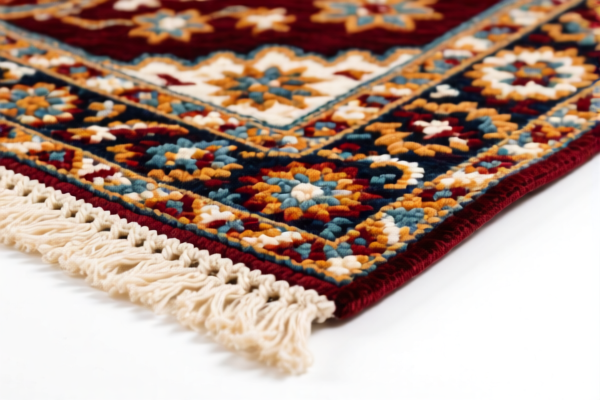
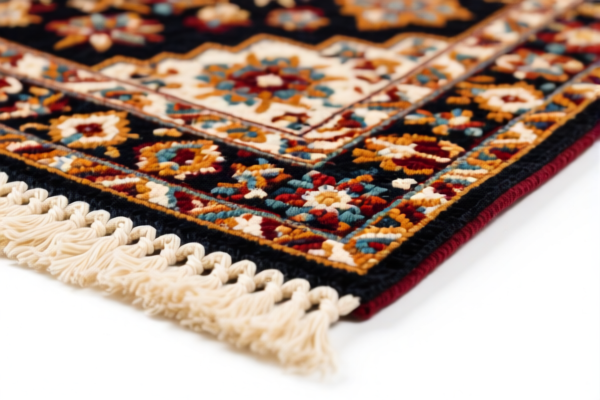
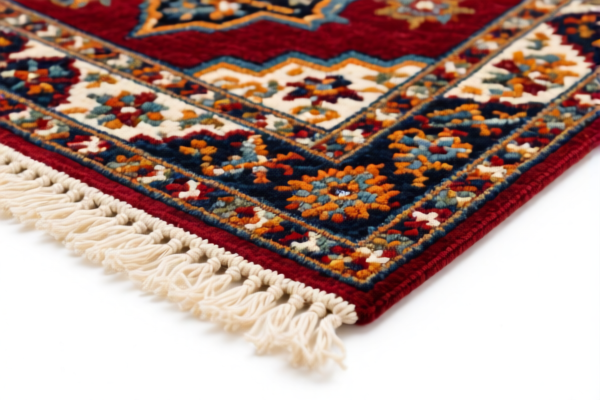
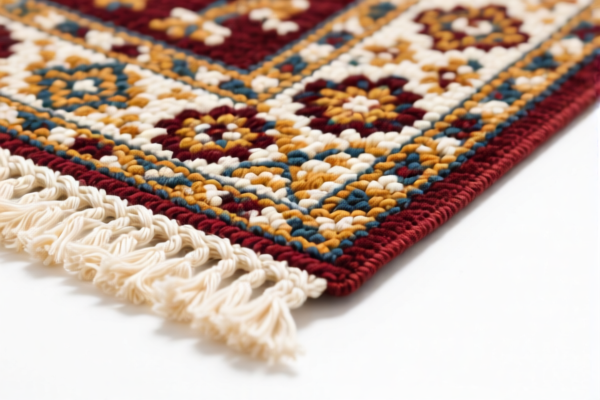
AI Analysis
🕌 Hand-Knotted Silk Prayer Mat (Silk Prayer Rug)
🌐 HS Code Reference & Customs Clearance Guide | 2026 Latest Tariff Analysis | Strategic Clearance Strategy
📌 I. Product Definition & Classification: Do You Really Understand "Silk Prayer Mats"?
Hand-knotted silk prayer mats are not merely textile items; they are precision-crafted religious artifacts. In international trade, their classification hinges on a critical distinction: Are they classified as "Textile Products of a Kind Used for Prayer" or "General Textile Fabrics/Pads"?
The confusion often arises because they look like "rugs" or "pillows" but are made of high-value silk. The US Customs and Border Protection (CBP) looks at: 1. Material Composition: Is it >85% silk? 2. Function: Is it exclusively for prayer? 3. Construction: Is it knotted (carpet-like) or woven (fabric-like)?
⚠️ Key Distinction Point:
- If classified as a specific textile article (Chapter 63), it may benefit from lower base tariffs but faces specific "Section 301" or "Section 122" penalties.
- If classified as Silk Fabric (Chapter 50), it triggers higher base rates and aggressive punitive tariffs.
- If classified as a Generic Pad/Other Textile (Chapter 94 or residual), the tariff structure changes dramatically, sometimes resulting in lower total duties due to differing penalty applications.
📦 II. HS Code Classification Details (2026 Latest Tariff Authority Cross-Reference)
| HS Code | Product Description | Application Scenario | Material/Feature Logic |
|---|---|---|---|
6302.99.10.00 |
Silk Prayer Mat: "Bedding, Sanitary, or Kitchen Textile Articles" – Specifically categorized under "Pad-type" uses within textile articles. | Standard prayer mats deemed as specialized "textile articles." | ✅ Textile Article (Ch. 63) |
6302.99.20.00 |
Silk Prayer Mat: "Sheet, Table Linen, Sanitary/Kitchen Cloth" – Categorized as "Pad-type" under bed/table linens. | Viewed as a specific type of linen/cloth pad. | ✅ Textile Article (Ch. 63) |
5007.20.00.15 |
Silk Prayer Mat: "Woven Fabric" – Classified under woven silk fabrics, fitting the "other" category inference principle. | Treated primarily as raw silk fabric rather than a finished textile article. | ✅ Silk Fabric (Ch. 50) |
5007.90.30.90 |
Silk Prayer Mat: "Other Woven Silk Fabrics" – Meets >85% silk/silk waste requirement; classified as fabric. | High-silk content triggers Chapter 50 classification. | ✅ Silk Fabric (Ch. 50) |
9404.90.96.23 |
Silk Prayer Mat: "Other Textile Material Articles" – Classified as a "Pad" with inferred high silk content shell. | Treated as a generic pad/mattress item, not specifically a prayer textile. | ✅ General Textile Item (Ch. 94) |
🔍 Key Insight:
- Ch. 63 (6302): Views the mat as a functional textile accessory.
- Ch. 50 (5007): Views the mat as silk fabric due to material content, ignoring the "prayer" function for classification purposes.
- Ch. 94 (9404): Views the mat as a pad (like a cushion), potentially avoiding specific textile penalties depending on the "122 Clause" application.
💰 III. 2026 Latest Tariff Rate Breakdown (Including Additional Taxes, Policy Surcharges)
✅ Applicable Country: United States (US)
✅ Origin: China (CN)
✅ Effective Date: Post-2025 Trade Policy Adjustments
🎯 1. 6302.99.10.00 – Silk Prayer Mat (Textile Article - Pad Use)
| Item | Content |
|---|---|
| Base Tariff | 2.7% (ad valorem) |
| Section 301 Add-on | +7.5% |
| Section 122 Surcharge | +10% |
| Total Tariff Rate | 20.2% |
| Tax Calculation | CIF Value × 20.2% |
| De Minimis Eligibility | ❌ Not Applicable (Commercial shipment) |
| Legal Basis Path | HTSUS:6302.99.10.00 → Section 301: 7.5% → Section 122: 10% |
📌 Explanation:
- This is one of the lower total tariff options available for silk prayer mats.
- The base rate (2.7%) is low because it falls under specific textile articles.
- However, it still incurs both the 7.5% Section 301 tariff and the 10% Section 122 surcharge.
🎯 2. 6302.99.20.00 – Silk Prayer Mat (Textile Article - Linen/Cloth Category)
| Item | Content |
|---|---|
| Base Tariff | 8.4% (ad valorem) |
| Section 301 Add-on | +7.5% |
| Section 122 Surcharge | +10% |
| Total Tariff Rate | 25.9% |
| Tax Calculation | CIF Value × 25.9% |
| De Minimis Eligibility | ❌ Not Applicable |
| Legal Basis Path | HTSUS:6302.99.20.00 → Section 301: 7.5% → Section 122: 10% |
📌 Note:
- Slightly higher than the previous code due to a higher base tariff (8.4%).
- Same additional penalties apply.
- Not recommended if6302.99.10.00is legally justifiable.
🎯 3. 5007.20.00.15 – Silk Prayer Mat (Woven Silk Fabric)
| Item | Content |
|---|---|
| Base Tariff | 0.0% (ad valorem) |
| Section 301 Add-on | +25.0% |
| Section 122 Surcharge | +10% |
| Total Tariff Rate | 35.0% |
| Tax Calculation | CIF Value × 35.0% |
| De Minimis Eligibility | ❌ Not Applicable |
| Legal Basis Path | HTSUS:5007.20.00.15 → Section 301: 25.0% → Section 122: 10% |
📌 Explanation:
- Zero base tariff sounds good, but the Section 301 rate jumps to 25% for silk fabrics!
- This is significantly more expensive than the Chapter 63 options.
- CBP often prefers this classification for high-silk content items if the "prayer" function isn't explicitly documented in the commercial invoice to trigger Ch. 63.
🎯 4. 5007.90.30.90 – Silk Prayer Mat (Other Woven Silk Fabrics)
| Item | Content |
|---|---|
| Base Tariff | 0.8% (ad valorem) |
| Section 301 Add-on | +25.0% |
| Section 122 Surcharge | +10% |
| Total Tariff Rate | 35.8% |
| Tax Calculation | CIF Value × 35.8% |
| De Minimis Eligibility | ❌ Not Applicable |
| Legal Basis Path | HTSUS:5007.90.30.90 → Section 301: 25.0% → Section 122: 10% |
📌 Note:
- Similar to the previous code but with a minimal base rate.
- Avoid unless you have no choice; the 25% Section 301 penalty dominates the cost.
🎯 5. 9404.90.96.23 – Silk Prayer Mat (Other Textile Material Pads)
| Item | Content |
|---|---|
| Base Tariff | 7.3% (ad valorem) |
| Section 301 Add-on | 0.0% |
| Section 122 Surcharge | +10% |
| Total Tariff Rate | 17.3% |
| Tax Calculation | CIF Value × 17.3% |
| De Minimis Eligibility | ❌ Not Applicable |
| Legal Basis Path | HTSUS:9404.90.96.23 → Section 122: 10% |
📌 Critical Insight:
- THIS IS THE LOWEST TOTAL TARIFF!
- Why? Because it avoids the Section 301 25% (or 7.5%) penalty.
- Section 301 often exempts certain "Other Textile Material" articles or applies differently, whereas Chapter 63 and 50 explicitly carry the surcharge.
- Risk: CBP may challenge this classification, arguing it should be a textile article (Ch. 63). However, if legally defensible as a "pad" with high silk content, this offers significant savings.
🛠️ IV. Customs Clearance Practical Advice (Combat-Ready Pitfall Guide)
✅ 1. Documentation Checklist (Non-Negotiable)
| Document | Must Provide | Explanation |
|---|---|---|
| ✅ Product Specification | ✔️ | Detail: Hand-knotted vs. Woven, Silk Content %, Dimensions, Thickness. |
| ✅ Commercial Invoice | ✔️ | Must clearly state "Hand-Knotted Silk Prayer Mat". Do not just write "Silk Rug." |
| ✅ Material Composition Label | ✔️ | Proof of >85% silk (if claiming Ch. 50/94) or specific textile article nature. |
| ✅ Product Photos | ✔️ | Show the backing, knotting, and label clearly. |
| ✅ HTS Code Justification | ✔️ | A brief memo explaining why you chose the specific code (e.g., "Classified as Pad per GRI 1"). |
✅ 2. Declaration Strategy (Key Mantra)
🔥 “Function Defines Chapter, Material Defines Subheading, Penalty Defines Cost!”
| Scenario | Correct Declaration | Incorrect Practice |
|---|---|---|
| Lowest Duty Strategy | 9404.90.96.23 (Pad) |
Declare as "Textile Mat" → Triggers Ch. 63 penalties. |
| Standard Strategy | 6302.99.10.00 (Textile Article) |
Declare as "Silk Fabric" → Triggers 35% duty. |
| High-Value Silk | 5007.20.00.15 (Fabric) |
Only use if Ch. 63/94 are rejected by CBP. |
| Generic "Rug" | Avoid vague terms like "Oriental Rug" | Leads to reclassification and penalties. |
✅ 3. Special Handling Cases
| Case | Handling Advice |
|---|---|
| OEM Custom Prayer Mats | Provide the design blueprint and material breakdown. Prove it's not a generic rug. |
| High Silk Content (>85%) | If using 9404.90.96.23, ensure the invoice states "Pad, 85% Silk". CBP may still challenge, but it's the best legal argument for 17.3%. |
| Knotted vs. Woven | If knotted, it resembles a carpet. CBP may push for Ch. 57. If woven, Ch. 63 or 50 is easier. 9404 works for both if framed as a "pad." |
| Mixed Materials | If silk + wool, classification changes. Stick to pure silk for the codes above. |
🌍 V. Global Market Comparison (2026 Latest)
| Country/Region | Recommended HS Code | Total Tariff (China Origin) | Key Certifications | Notes |
|---|---|---|---|---|
| 🇺🇸 USA | 9404.90.96.23 |
17.3% | None specific | Lowest tariff due to avoided Section 301. |
| 🇺🇸 USA | 6302.99.10.00 |
20.2% | None specific | Safe, standard textile article classification. |
| 🇨🇳 China | 6302.99.10.00 |
~10-15% | CCC (if applicable) | Import duties are lower; focus on VAT. |
| 🇪🇺 EU | 6302.99.10.00 |
~12% | CE (if functional) | No Section 301 equivalent. |
| 🇦🇺 Australia | 6302.99.10.00 |
~5-10% | None | Competitive market. |
| 🇯🇵 Japan | 6302.99.10.00 |
~5-10% | None | Stable tariffs. |
📌 Conclusion:
- The US market is the most complex due to Section 301 and 122 tariffs.
- USA Importers: Fight for9404.90.96.23to save 17.3% vs 35%.
- Other Markets: Standard textile classification (6302) is usually safe and cost-effective.
📌 VI. Common Errors & Pitfall Guide (Blood-Stained Lessons)
❌ Error 1: Declaring as "Silk Rug" under 5703 (Carpet)
👉 Consequence: High duties + CBP reclassification to textile article → Penalties & Delays!
❌ Error 2: Using 5007 (Fabric) for a finished mat
👉 Consequence: 35% Tariff instead of 17-20%. You paid for Section 301 25% unnecessarily.
❌ Error 3: Ignoring "Section 122"
👉 Consequence: All textile articles from China face this 10% surcharge. Factor it into pricing!
❌ Error 4: Vague Description: "Silk Mat"
👉 Consequence: CBP uses Highest Dutiable Rate as a default. Be Specific!
✅ Correct Practice:
“Hand-Knotted Silk Prayer Mat, 85% Silk, 100% Cotton Backing, Size 2x3 ft, Commercial Invoice Value: $50 USD”
🎯 VII. Conclusion: Professional Declaration, Save Time, Cut Costs!
🎯 Remember the Mantra:
🔹 “Pad Class 17, Textile Class 20, Fabric Class 35!”
🔹 “Avoid Section 301 if you can! ‘Pad’ is your friend!”
🔹 “HS Code determines tax, Tax determines profit, Declaration determines speed!”
📌 Pro Tip:
If your prayer mat is originating from Vietnam, India, or Turkey, you may qualify for Section 301 Exclusions or Lower Base Rates.
Always apply for a Pre-Ruling (Advance Ruling) from CBP if the volume is high. It provides legal certainty.
📣 Take Action Now:
📞 Contact a Licensed Customs Broker + Provide Product Photos + Request HS Code Pre-Ruling
🚀 Let your Silk Prayer Mats, Clear Smoothly, Profit Maximized, Exit Efficiently!
✨ Professional Clearance Starts with Accurate Classification!
💼 Every cent of your cost deserves precise calculation!
Customer Reviews
About HS Code Classification
The Harmonized System (HS) is an internationally standardized nomenclature developed by the World Customs Organization (WCO) to classify traded products. Over 200 countries use the HS system as the basis for customs tariffs, trade statistics, and import/export regulations.
Each HS code follows a hierarchical structure:
- Chapter (2 digits) — Broad category of goods (e.g., Chapter 84: Machinery and Mechanical Appliances)
- Heading (4 digits) — More specific grouping within the chapter
- Subheading (6 digits) — Internationally standardized breakdown, used by all WCO member countries
- National subdivisions (8-10 digits) — Country-specific extensions for further classification, such as US HTSUS 10-digit codes
Correct HS code classification is essential for smooth customs clearance, accurate duty payment, and compliance with trade regulations. Misclassification can lead to customs delays, overpayment of duties, or penalties.
When importing from CN to US, the applicable tariff rates may include:
- Most-Favored-Nation (MFN) rate — The standard duty rate applied to WTO members
- General rate — Applied to countries without trade agreements
- Trade remedy duties — Additional tariffs such as Section 301 (anti-dumping), Section 232 (national security), or countervailing duties
The information provided on this page is for reference purposes only. For official classification, please consult with your local customs authority or a licensed customs broker.