Handbag Shopping Bag
CN → US| HS编码 | 关税税率 | 原产国 | 目的国 | 文档 |
|---|---|---|---|---|
| 4202228980 | 52.6% | CN | US | 官方文档 |
| 6305330080 | 25.9% | CN | US | 官方文档 |
| 4819400040 | 35.0% | CN | US | 官方文档 |
| 4819300040 | 35.0% | CN | US | 官方文档 |
| 3926905900 | 37.4% | CN | US | 官方文档 |
| 3926903300 | 16.5% | CN | US | 官方文档 |
商品图片
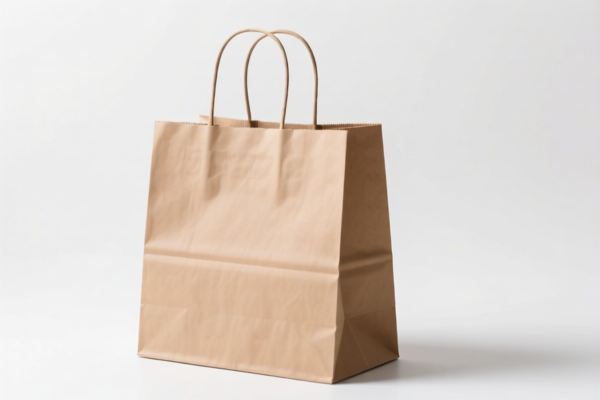
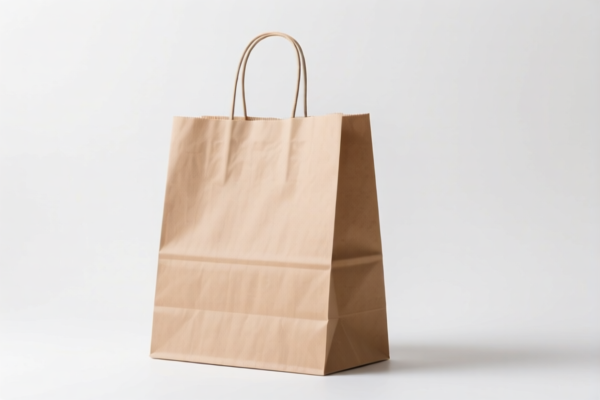
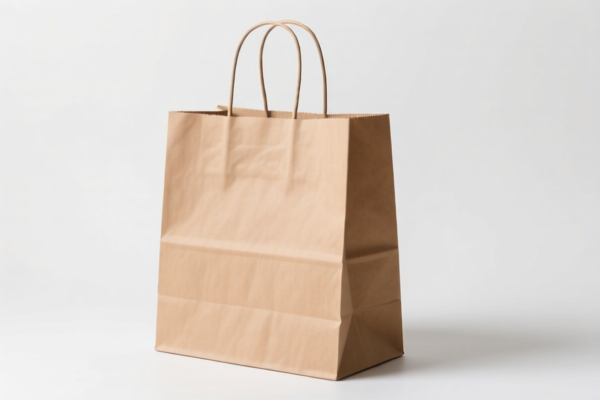
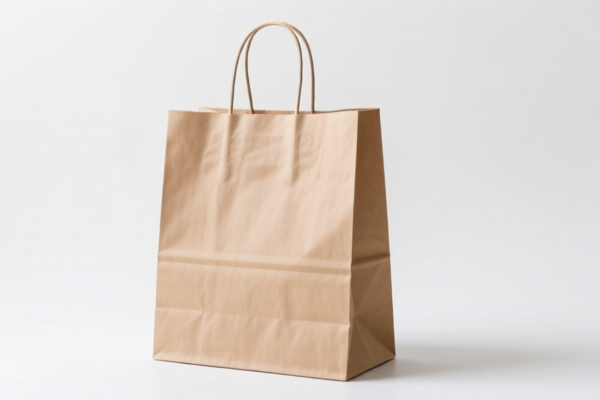
AI分析
👜 Handbag & Shopping Bag: The Ultimate HS Code Classification & Duty Guide (2026)
🌐 HS Code Reference & Customs Clearance Guide | Latest Tariff Analysis for US Imports from China | Strategic Clearance Strategy
📌 I. Product Definition: What Exactly Is a "Handbag" or "Shopping Bag"?
In international trade, "Handbags" and "Shopping Bags" are not a single unified category. They are split into multiple HS codes based on material composition and structural form. Misclassification can lead to severe duty penalties (up to 52.6%) or customs seizures.
The key to correct classification lies in answering two questions: 1. What is it made of? (Textile, Plastic, Paper, Leather) 2. What is its primary use? (Fashion accessory vs. Disposable packaging)
⚠️ Critical Distinction:
- Fashion Handbags: Structured, often with lining, handles, and closures → Typically Chapter 42.
- Disposable/Utility Bags: Flimsy, single-use, or bulk packaging → Typically Chapter 48 (Paper) or Chapter 39 (Plastic).
📦 II. HS Code Classification Matrix (Based on Provided Data)
| HS Code | Material | Product Description (Summary) | Total Duty Rate | Tax Detail Breakdown |
|---|---|---|---|---|
| 4202.22.89.80 | Textile / Other | Women's handbag, matching form & use; material likely textile or unspecified. | 52.6% | Base: 17.6% + Retaliatory: 25.0% + Section 301/122: 10% |
| 6305.33.00.80 | Artificial Textile | Hand-carry bag; inferred material is artificial textile (catch-all category). | 25.9% | Base: 8.4% + Retaliatory: 7.5% + Section 301/122: 10% |
| 4819.40.00.40 | Paper | Hand-carry bag; material likely paper, fits bag/bag shape. | 35.0% | Base: 0.0% + Retaliatory: 25.0% + Section 301/122: 10% |
| 4819.30.00.40 | Paper / Plastic | Hand-carry bag; material is paper or plastic, fits bag/sack shape. | 35.0% | Base: 0.0% + Retaliatory: 25.0% + Section 301/122: 10% |
| 3926.90.59.00 | Plastic | Hand-carry bag; material is plastic products, fits "other plastic products" category. | 37.4% | Base: 2.4% + Retaliatory: 25.0% + Section 301/122: 10% |
| 3926.90.33.00 | Plastic / Synthetic | Hand-carry bag; material is plastic/synthetic, fits plastic products & handbag use. | 16.5% | Base: 6.5% + Retaliatory: 0.0% + Section 301/122: 10% |
🔍 Key Insight:
- Highest Duty (52.6%): Textile fashion bags (4202.22.89.80).
- Lowest Duty (16.5%): Plastic/Synthetic bags (3926.90.33.00) with zero retaliatory tariff.
- Paper Bags: High duty (35%) due to 25% retaliatory tariff, despite 0% base duty.
💰 III. Detailed Tariff Structure & Legal Basis
✅ Applicable Country: United States (US)
✅ Origin: China (CN)
✅ Effective Date: 2025/2026 Trade Policies (Including Section 301 & Section 122)
🎯 1. 4202.22.89.80 – The "Fashion Tax" Trap
Scenario: A structured women's handbag made of woven fabric, canvas, or non-leather textile.
- Base Tariff: 17.6% (Standard for bags of textile materials)
- Retaliatory Tariff: +25.0% (US Trade Law Section 301)
- Section 122 Tariff: +10.0% (Specific to certain imports)
- Total Effective Duty: 52.6%
- 💡 Explanation: This is the most expensive category. Customs view structured textile bags as luxury/fashion items, attracting the highest base + punitive tariffs.
🎯 2. 6305.33.00.80 – The "Catch-All" Textile Bag
Scenario: Bags made of artificial textile (nylon, polyester) that don't fit standard handbag definitions (e.g., tote bags, reusable shopping bags).
- Base Tariff: 8.4%
- Retaliatory Tariff: +7.5% (Lower retaliatory rate for specific textile packaging)
- Section 122 Tariff: +10.0%
- Total Effective Duty: 25.9%
- 💡 Explanation: If your bag is unstructured and made of synthetic fabric, it may fall here, saving you nearly 27% compared to fashion handbags.
🎯 3. 4819.40.00.40 & 4819.30.00.40 – Paper & Mixed Material Bags
Scenario: Paper shopping bags (e.g., retail takeout bags) or paper/plastic composite bags.
- Base Tariff: 0.0%
- Retaliatory Tariff: +25.0%
- Section 122 Tariff: +10.0%
- Total Effective Duty: 35.0%
- 💡 Explanation: Despite 0% base duty, the 25% retaliatory tariff makes this category costly. Paper bags are heavily taxed in the US to protect domestic packaging industries.
🎯 4. 3926.90.59.00 – Standard Plastic Bags
Scenario: Rigid or semi-rigid plastic handbags/bags.
- Base Tariff: 2.4%
- Retaliatory Tariff: +25.0%
- Section 122 Tariff: +10.0%
- Total Effective Duty: 37.4%
🎯 5. 3926.90.33.00 – The "Golden Ticket" Plastic Bag
Scenario: Plastic or synthetic material bags specifically classified as "handbag" use but not structured fashion items.
- Base Tariff: 6.5%
- Retaliatory Tariff: 0.0% (Exempt from Section 301 retaliation)
- Section 122 Tariff: +10.0%
- Total Effective Duty: 16.5%
- 💡 Explanation: This is the most cost-effective classification. If your bag can be legally classified as a plastic/synthetic utility bag rather than a fashion item, you save 36.1% in duties compared to textile fashion bags.
🛠️ IV. Customs Clearance Strategy (Pro Tips)
✅ 1. Material Verification is Critical
- Do not guess the material. Customs will inspect physical samples.
- Textile vs. Plastic: A "canvas" bag is
4202(52.6%). A "polypropylene" woven bag might be3926(16.5% or 37.4%). - Paper vs. Plastic: Composite bags (paper handle + plastic body) must clearly declare the dominant material or composite structure.
✅ 2. Structure Matters: "Fashion" vs. "Utility"
- Structured (Fashion): Hard shape, lining, zippers, metal hardware → Likely
4202(High Duty). - Unstructured (Utility): Totes, reusable shopping bags, disposable sacks → Likely
6305or3926(Lower Duty). - Strategy: If your product is a reusable shopping bag, emphasize its utility function and lack of fashion hardware to avoid
4202.
✅ 3. Documentation Checklist
| Document | Requirement | Why? |
|---|---|---|
| Product Spec Sheet | List exact material % (e.g., 100% Polyester, or 50% Paper/50% PE) | Determines HS Code chapter (42, 48, or 39) |
| Photos | Show interior lining, handles, closures | Proves if it's a "handbag" (fashion) or "bag" (utility) |
| Commercial Invoice | Explicitly state: "Plastic Shopping Bag, No Fashion Hardware" | Avoids misclassification as "Handbag" |
| Fiber Content Label | Required for textiles (6305) |
Compliance with US labeling laws |
✅ 4. Cost-Saving Recommendation
🚀 Optimization Path:
- If selling reusable shopping bags, aim for3926.90.33.00(16.5%).
- How? Use plastic or synthetic materials (polypropylene, non-woven fabric treated as plastic/synthetic) and avoid fabric-like textures that trigger4202.
- Avoid: Structured handles, metal clasps, and luxurious linings that push classification to4202(52.6%).
🌍 V. Global Market Comparison (2026)
| Region | Recommended HS Code | Duty Rate (China Origin) | Key Requirement |
|---|---|---|---|
| 🇺🇸 USA | 3926.90.33.00 |
16.5% | Plastic/Synthetic material; no Section 301 retaliation |
| 🇪🇺 EU | 4202.92 / 3926 |
Varies (0-5%) | CE marking, REACH compliance for plastics |
| 🇨🇳 China | 4202 / 3926 |
10-15% | General trade rules apply |
📌 Conclusion:
- The US market is the most sensitive to HS Code misclassification due to high retaliatory tariffs.
- Plastic/Synthetic bags (3926.90.33.00) offer the lowest duty (16.5%) in the US.
- Textile Fashion Bags (4202.22.89.80) are the most expensive (52.6%).
📌 VI. Common Mistakes & Pitfalls
❌ Mistake 1: Calling a "Polyester Tote" a "Handbag"
👉 Result: Classify as 4202 → 52.6% duty.
👉 Fix: Classify as "Shopping Bag" in Polyester/Plastic → 3926.90.33.00 → 16.5% duty.
❌ Mistake 2: Ignoring the "Section 122" Tariff
👉 Result: All categories above include +10% Section 122. Failure to include this leads to underpayment penalties.
👉 Fix: Always account for Base + Retaliatory + Section 122.
❌ Mistake 3: Mixing Paper and Plastic without clarity
👉 Result: Customs may default to the higher-duty chapter (4819 35% or 4202 52.6%).
👉 Fix: Clearly declare the primary material. If composite, use the specific composite code if available.
✅ Correct Declaration Example:
"Synthetic Polypropylene Non-Woven Reusable Shopping Bag, Unstructured, No Metal Hardware, Model XYZ"
→ HS Code:3926.90.33.00
→ Duty: 16.5%
🎯 VII. Conclusion: Strategic Classification Saves Money
🎯 Key Takeaway:
🔹 "Plastic/Synthetic Utility = 16.5%"
🔹 "Textile Fashion = 52.6%"
🔹 "Paper = 35.0%"
📌 Action Item:
- If you are importing shopping bags, ensure they are unstructured and made of synthetic/plastic materials to qualify for
3926.90.33.00.- Avoid structured fashion designs unless you can absorb the 52.6% duty.
- Always verify material composition before shipment.
✨ Smart Classification = Lower Costs + Faster Clearance
💼 Don't let a misclassified HS Code cost you 36% in extra duties!
用户评价
关于 HS 编码归类
协调制度(HS)是由世界海关组织(WCO)制定的国际贸易商品分类标准。全球 200 多个国家采用 HS 系统作为海关关税、贸易统计和进出口监管的基础。
每个 HS 编码遵循以下层级结构:
- 章(2 位)——商品大类(例如:第 84 章:机器和机械设备)
- 品目(4 位)——章内的更具体分类
- 子目(6 位)——国际通用细分,所有 WCO 成员国统一使用
- 本国细分(8-10 位)——各国自行扩展的细分编码,如美国 HTSUS 10 位编码
正确的 HS 编码归类对于顺利通关、准确缴纳关税和遵守贸易法规至关重要。错误归类可能导致海关延误、多缴关税或罚款。
从CN进口到US时,适用的关税税率可能包括:
- 最惠国(MFN)税率——适用于 WTO 成员国的标准关税税率
- 普通税率——适用于无贸易协定国家
- 贸易救济关税——附加关税,如 301 条款(反倾销)、232 条款(国家安全)或反补贴税
本页内容仅供参考。如需正式归类,请咨询当地海关或持牌报关代理。