Handbag Shopping Bag
CN → US| HS Code | Tariff Rate | Origin | Destination | Doc |
|---|---|---|---|---|
| 4202228980 | 52.6% | CN | US | Official Doc |
| 6305330080 | 25.9% | CN | US | Official Doc |
| 4819400040 | 35.0% | CN | US | Official Doc |
| 4819300040 | 35.0% | CN | US | Official Doc |
| 3926905900 | 37.4% | CN | US | Official Doc |
| 3926903300 | 16.5% | CN | US | Official Doc |
Product Images
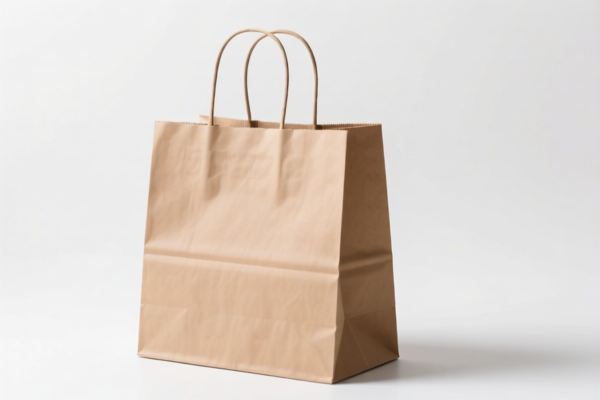
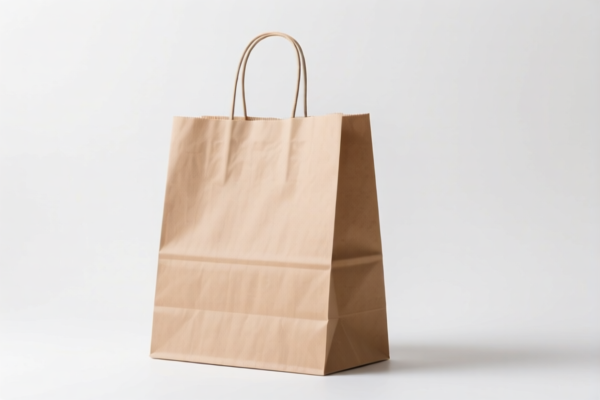
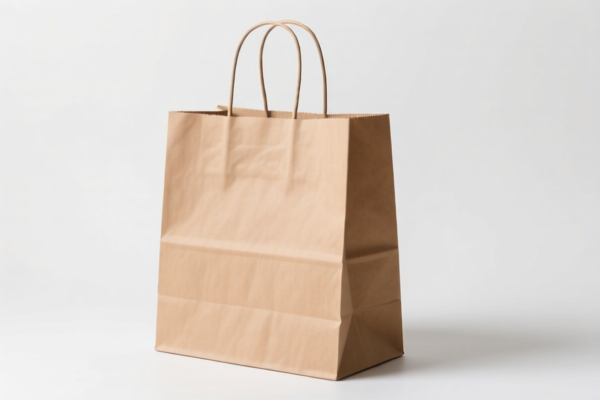
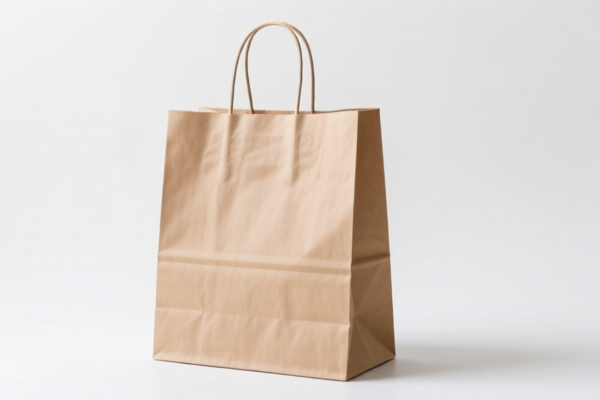
AI Analysis
👜 Handbag & Shopping Bag: The Ultimate HS Code Classification & Duty Guide (2026)
🌐 HS Code Reference & Customs Clearance Guide | Latest Tariff Analysis for US Imports from China | Strategic Clearance Strategy
📌 I. Product Definition: What Exactly Is a "Handbag" or "Shopping Bag"?
In international trade, "Handbags" and "Shopping Bags" are not a single unified category. They are split into multiple HS codes based on material composition and structural form. Misclassification can lead to severe duty penalties (up to 52.6%) or customs seizures.
The key to correct classification lies in answering two questions: 1. What is it made of? (Textile, Plastic, Paper, Leather) 2. What is its primary use? (Fashion accessory vs. Disposable packaging)
⚠️ Critical Distinction:
- Fashion Handbags: Structured, often with lining, handles, and closures → Typically Chapter 42.
- Disposable/Utility Bags: Flimsy, single-use, or bulk packaging → Typically Chapter 48 (Paper) or Chapter 39 (Plastic).
📦 II. HS Code Classification Matrix (Based on Provided Data)
| HS Code | Material | Product Description (Summary) | Total Duty Rate | Tax Detail Breakdown |
|---|---|---|---|---|
| 4202.22.89.80 | Textile / Other | Women's handbag, matching form & use; material likely textile or unspecified. | 52.6% | Base: 17.6% + Retaliatory: 25.0% + Section 301/122: 10% |
| 6305.33.00.80 | Artificial Textile | Hand-carry bag; inferred material is artificial textile (catch-all category). | 25.9% | Base: 8.4% + Retaliatory: 7.5% + Section 301/122: 10% |
| 4819.40.00.40 | Paper | Hand-carry bag; material likely paper, fits bag/bag shape. | 35.0% | Base: 0.0% + Retaliatory: 25.0% + Section 301/122: 10% |
| 4819.30.00.40 | Paper / Plastic | Hand-carry bag; material is paper or plastic, fits bag/sack shape. | 35.0% | Base: 0.0% + Retaliatory: 25.0% + Section 301/122: 10% |
| 3926.90.59.00 | Plastic | Hand-carry bag; material is plastic products, fits "other plastic products" category. | 37.4% | Base: 2.4% + Retaliatory: 25.0% + Section 301/122: 10% |
| 3926.90.33.00 | Plastic / Synthetic | Hand-carry bag; material is plastic/synthetic, fits plastic products & handbag use. | 16.5% | Base: 6.5% + Retaliatory: 0.0% + Section 301/122: 10% |
🔍 Key Insight:
- Highest Duty (52.6%): Textile fashion bags (4202.22.89.80).
- Lowest Duty (16.5%): Plastic/Synthetic bags (3926.90.33.00) with zero retaliatory tariff.
- Paper Bags: High duty (35%) due to 25% retaliatory tariff, despite 0% base duty.
💰 III. Detailed Tariff Structure & Legal Basis
✅ Applicable Country: United States (US)
✅ Origin: China (CN)
✅ Effective Date: 2025/2026 Trade Policies (Including Section 301 & Section 122)
🎯 1. 4202.22.89.80 – The "Fashion Tax" Trap
Scenario: A structured women's handbag made of woven fabric, canvas, or non-leather textile.
- Base Tariff: 17.6% (Standard for bags of textile materials)
- Retaliatory Tariff: +25.0% (US Trade Law Section 301)
- Section 122 Tariff: +10.0% (Specific to certain imports)
- Total Effective Duty: 52.6%
- 💡 Explanation: This is the most expensive category. Customs view structured textile bags as luxury/fashion items, attracting the highest base + punitive tariffs.
🎯 2. 6305.33.00.80 – The "Catch-All" Textile Bag
Scenario: Bags made of artificial textile (nylon, polyester) that don't fit standard handbag definitions (e.g., tote bags, reusable shopping bags).
- Base Tariff: 8.4%
- Retaliatory Tariff: +7.5% (Lower retaliatory rate for specific textile packaging)
- Section 122 Tariff: +10.0%
- Total Effective Duty: 25.9%
- 💡 Explanation: If your bag is unstructured and made of synthetic fabric, it may fall here, saving you nearly 27% compared to fashion handbags.
🎯 3. 4819.40.00.40 & 4819.30.00.40 – Paper & Mixed Material Bags
Scenario: Paper shopping bags (e.g., retail takeout bags) or paper/plastic composite bags.
- Base Tariff: 0.0%
- Retaliatory Tariff: +25.0%
- Section 122 Tariff: +10.0%
- Total Effective Duty: 35.0%
- 💡 Explanation: Despite 0% base duty, the 25% retaliatory tariff makes this category costly. Paper bags are heavily taxed in the US to protect domestic packaging industries.
🎯 4. 3926.90.59.00 – Standard Plastic Bags
Scenario: Rigid or semi-rigid plastic handbags/bags.
- Base Tariff: 2.4%
- Retaliatory Tariff: +25.0%
- Section 122 Tariff: +10.0%
- Total Effective Duty: 37.4%
🎯 5. 3926.90.33.00 – The "Golden Ticket" Plastic Bag
Scenario: Plastic or synthetic material bags specifically classified as "handbag" use but not structured fashion items.
- Base Tariff: 6.5%
- Retaliatory Tariff: 0.0% (Exempt from Section 301 retaliation)
- Section 122 Tariff: +10.0%
- Total Effective Duty: 16.5%
- 💡 Explanation: This is the most cost-effective classification. If your bag can be legally classified as a plastic/synthetic utility bag rather than a fashion item, you save 36.1% in duties compared to textile fashion bags.
🛠️ IV. Customs Clearance Strategy (Pro Tips)
✅ 1. Material Verification is Critical
- Do not guess the material. Customs will inspect physical samples.
- Textile vs. Plastic: A "canvas" bag is
4202(52.6%). A "polypropylene" woven bag might be3926(16.5% or 37.4%). - Paper vs. Plastic: Composite bags (paper handle + plastic body) must clearly declare the dominant material or composite structure.
✅ 2. Structure Matters: "Fashion" vs. "Utility"
- Structured (Fashion): Hard shape, lining, zippers, metal hardware → Likely
4202(High Duty). - Unstructured (Utility): Totes, reusable shopping bags, disposable sacks → Likely
6305or3926(Lower Duty). - Strategy: If your product is a reusable shopping bag, emphasize its utility function and lack of fashion hardware to avoid
4202.
✅ 3. Documentation Checklist
| Document | Requirement | Why? |
|---|---|---|
| Product Spec Sheet | List exact material % (e.g., 100% Polyester, or 50% Paper/50% PE) | Determines HS Code chapter (42, 48, or 39) |
| Photos | Show interior lining, handles, closures | Proves if it's a "handbag" (fashion) or "bag" (utility) |
| Commercial Invoice | Explicitly state: "Plastic Shopping Bag, No Fashion Hardware" | Avoids misclassification as "Handbag" |
| Fiber Content Label | Required for textiles (6305) |
Compliance with US labeling laws |
✅ 4. Cost-Saving Recommendation
🚀 Optimization Path:
- If selling reusable shopping bags, aim for3926.90.33.00(16.5%).
- How? Use plastic or synthetic materials (polypropylene, non-woven fabric treated as plastic/synthetic) and avoid fabric-like textures that trigger4202.
- Avoid: Structured handles, metal clasps, and luxurious linings that push classification to4202(52.6%).
🌍 V. Global Market Comparison (2026)
| Region | Recommended HS Code | Duty Rate (China Origin) | Key Requirement |
|---|---|---|---|
| 🇺🇸 USA | 3926.90.33.00 |
16.5% | Plastic/Synthetic material; no Section 301 retaliation |
| 🇪🇺 EU | 4202.92 / 3926 |
Varies (0-5%) | CE marking, REACH compliance for plastics |
| 🇨🇳 China | 4202 / 3926 |
10-15% | General trade rules apply |
📌 Conclusion:
- The US market is the most sensitive to HS Code misclassification due to high retaliatory tariffs.
- Plastic/Synthetic bags (3926.90.33.00) offer the lowest duty (16.5%) in the US.
- Textile Fashion Bags (4202.22.89.80) are the most expensive (52.6%).
📌 VI. Common Mistakes & Pitfalls
❌ Mistake 1: Calling a "Polyester Tote" a "Handbag"
👉 Result: Classify as 4202 → 52.6% duty.
👉 Fix: Classify as "Shopping Bag" in Polyester/Plastic → 3926.90.33.00 → 16.5% duty.
❌ Mistake 2: Ignoring the "Section 122" Tariff
👉 Result: All categories above include +10% Section 122. Failure to include this leads to underpayment penalties.
👉 Fix: Always account for Base + Retaliatory + Section 122.
❌ Mistake 3: Mixing Paper and Plastic without clarity
👉 Result: Customs may default to the higher-duty chapter (4819 35% or 4202 52.6%).
👉 Fix: Clearly declare the primary material. If composite, use the specific composite code if available.
✅ Correct Declaration Example:
"Synthetic Polypropylene Non-Woven Reusable Shopping Bag, Unstructured, No Metal Hardware, Model XYZ"
→ HS Code:3926.90.33.00
→ Duty: 16.5%
🎯 VII. Conclusion: Strategic Classification Saves Money
🎯 Key Takeaway:
🔹 "Plastic/Synthetic Utility = 16.5%"
🔹 "Textile Fashion = 52.6%"
🔹 "Paper = 35.0%"
📌 Action Item:
- If you are importing shopping bags, ensure they are unstructured and made of synthetic/plastic materials to qualify for
3926.90.33.00.- Avoid structured fashion designs unless you can absorb the 52.6% duty.
- Always verify material composition before shipment.
✨ Smart Classification = Lower Costs + Faster Clearance
💼 Don't let a misclassified HS Code cost you 36% in extra duties!
Customer Reviews
About HS Code Classification
The Harmonized System (HS) is an internationally standardized nomenclature developed by the World Customs Organization (WCO) to classify traded products. Over 200 countries use the HS system as the basis for customs tariffs, trade statistics, and import/export regulations.
Each HS code follows a hierarchical structure:
- Chapter (2 digits) — Broad category of goods (e.g., Chapter 84: Machinery and Mechanical Appliances)
- Heading (4 digits) — More specific grouping within the chapter
- Subheading (6 digits) — Internationally standardized breakdown, used by all WCO member countries
- National subdivisions (8-10 digits) — Country-specific extensions for further classification, such as US HTSUS 10-digit codes
Correct HS code classification is essential for smooth customs clearance, accurate duty payment, and compliance with trade regulations. Misclassification can lead to customs delays, overpayment of duties, or penalties.
When importing from CN to US, the applicable tariff rates may include:
- Most-Favored-Nation (MFN) rate — The standard duty rate applied to WTO members
- General rate — Applied to countries without trade agreements
- Trade remedy duties — Additional tariffs such as Section 301 (anti-dumping), Section 232 (national security), or countervailing duties
The information provided on this page is for reference purposes only. For official classification, please consult with your local customs authority or a licensed customs broker.