Handwoven Basket
CN → US| HS编码 | 关税税率 | 原产国 | 目的国 | 文档 |
|---|---|---|---|---|
| 4602110900 | 45.0% | CN | US | 官方文档 |
| 4602110700 | 35.0% | CN | US | 官方文档 |
| 3926909989 | 22.8% | CN | US | 官方文档 |
| 4601920500 | 37.7% | CN | US | 官方文档 |
商品图片
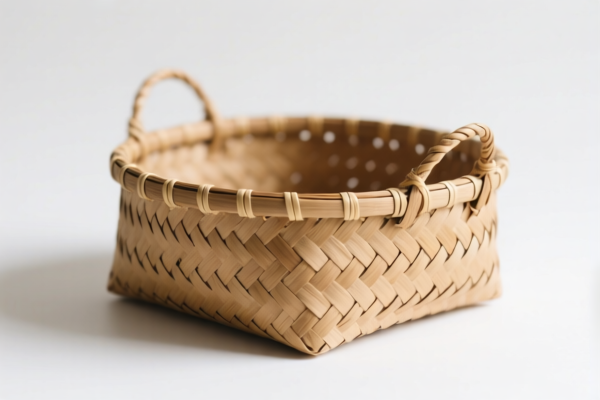
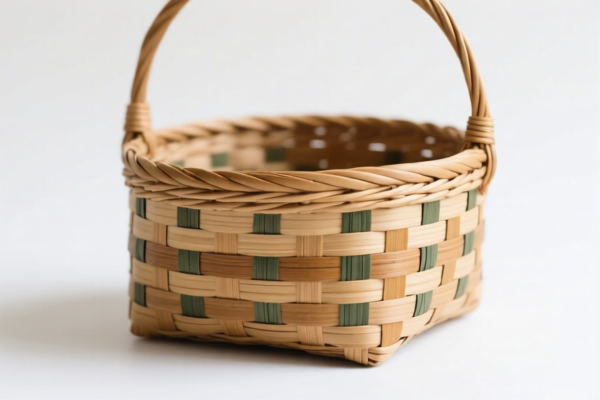
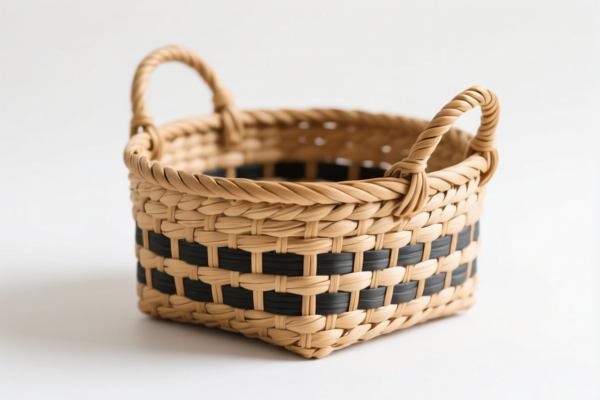
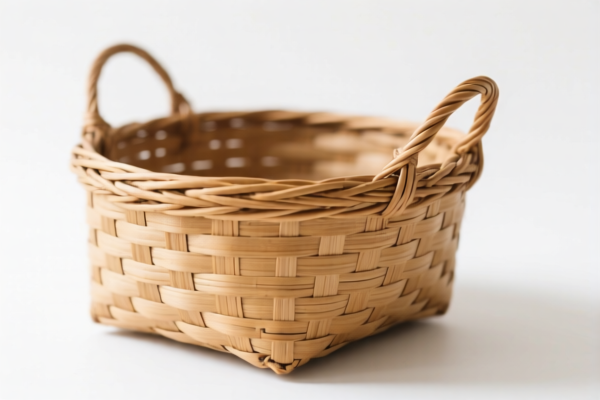
AI分析
🧺 Handwoven Basket (Plant Fiber Products)
🌐 HS Code Reference & Customs Clearance Guide | 2026 Latest Tariff Analysis | Professional Entry Strategy
📌 I. Product Definition & Classification: What Exactly is a "Handwoven Basket"?
A handwoven basket is a container crafted by weaving pliable plant materials (such as bamboo, rattan, willow, straw, or reed) into a structured form. In international trade, the classification hinges heavily on the material composition and specific form.
Key Distinction Criteria: * Natural Plant Materials: If made from bamboo, rattan, willow, or other vegetable fibers → Generally falls under Chapter 46. * Synthetic/Plastic Materials: If made from plastic strips or synthetic fibers → Generally falls under Chapter 39. * Raw vs. Finished: Is it a finished basket or a weaving material roll? This affects the subheading.
⚠️ Critical Classification Point:
- If the basket is made of natural plant fibers (bamboo/rattan) and is a finished good → Look to 4602.11 (Baskets and other articles of plaiting materials).
- If the basket is made of plastic or resembles plastic → Look to 3926.90 (Other articles of plastics).
- If it is merely weaving material (not yet a basket shape) → Look to 4601.92 (Plaiting materials).
📦 II. HS Code Classification Details (Based on Provided Data)
| HS Code | Product Description | Material Inference | Total Tax Rate | Tax Breakdown |
|---|---|---|---|---|
4602.11.09.00 |
Baskets of bamboo, rattan, or similar materials (Other) | Bamboo, Rattan, or similar plant fibers | 45.0% | Base: 10.0% + Sec 301: 25.0% + Section 122: 10.0% |
4602.11.07.00 |
Baskets of bamboo (Specific to Bamboo) | Bamboo / Willow / Plant fiber weaving | 35.0% | Base: 0.0% + Sec 301: 25.0% + Section 122: 10.0% |
3926.90.99.89 |
Other articles of plastics (Not specifically listed) | Plastic fibers or synthetic materials | 22.8% | Base: 5.3% + Sec 301: 7.5% + Section 122: 10.0% |
4601.92.05.00 |
Plaiting materials and products thereof (Other) | Raw weaving materials (e.g., bamboo strips) | 37.7% | Base: 2.7% + Sec 301: 25.0% + Section 122: 10.0% |
🔍 Key Insight:
-4602.11codes refer to finished woven articles (baskets).
-4601.92refers to raw weaving materials (rolls, mats, not yet formed into a basket).
-3926.90is for plastic/synthetic baskets, which have a significantly lower base tariff but still attract additional duties.
💰 III. 2026 Latest Tariff Rate Details (Including Surcharges)
✅ Applicable Country: United States (US)
✅ Origin: China (CN)
✅ Effective Time: Current rates include Section 301 and Section 122 measures.
🎯 1. 4602.11.09.00 – Baskets of Bamboo/Rattan (Other)
| Item | Content |
|---|---|
| Base Tariff | 10.0% (ad valorem) |
| Section 301 Surcharge | +25.0% |
| Section 122 Surcharge | +10.0% |
| Total Tax Rate | 45.0% |
| Tax Calculation | CIF Value × 45% |
| De Minimis Exemption | ❌ Not Eligible (High duty rate triggers scrutiny) |
| Legal Basis Path | HTSUS:4602.11.09.00 → USITC:301 → IEEPA:122 |
📌 Explanation:
- This is the highest tax bracket among the natural fiber options.
- The 10% base rate is for general "other" bamboo/rattan baskets.
- The 25% Section 301 and 10% Section 122 are significant additional costs.
🎯 2. 4602.11.07.00 – Baskets of Bamboo
| Item | Content |
|---|---|
| Base Tariff | 0.0% (ad valorem) |
| Section 301 Surcharge | +25.0% |
| Section 122 Surcharge | +10.0% |
| Total Tax Rate | 35.0% |
| Tax Calculation | CIF Value × 35% |
| De Minimis Exemption | ❌ Not Eligible |
| Legal Basis Path | HTSUS:4602.11.07.00 → USITC:301 → IEEPA:122 |
📌 Explanation:
- Best option for natural baskets.
- Because the Base Tariff is 0%, the total tax burden is 10 percentage points lower than4602.11.09.00.
- Condition: Must be clearly identified as Bamboo (not general rattan or "other" plant fibers).
🎯 3. 3926.90.99.89 – Plastic/Synthetic Baskets
| Item | Content |
|---|---|
| Base Tariff | 5.3% (ad valorem) |
| Section 301 Surcharge | +7.5% |
| Section 122 Surcharge | +10.0% |
| Total Tax Rate | 22.8% |
| Tax Calculation | CIF Value × 22.8% |
| De Minimis Exemption | ❌ Not Eligible |
| Legal Basis Path | HTSUS:3926.90.99.89 → USITC:301 → IEEPA:122 |
📌 Explanation:
- Lowest total tax rate among the options.
- However, the base tariff is higher (5.3% vs 0%), and Section 301 is lower (7.5% vs 25%).
- Critical: You must prove the material is plastic/synthetic, not natural plant fiber. Misclassification here can lead to penalties.
🎯 4. 4601.92.05.00 – Plaiting Materials (Unfinished)
| Item | Content |
|---|---|
| Base Tariff | 2.7% (ad valorem) |
| Section 301 Surcharge | +25.0% |
| Section 122 Surcharge | +10.0% |
| Total Tax Rate | 37.7% |
| Tax Calculation | CIF Value × 37.7% |
| De Minimis Exemption | ❌ Not Eligible |
| Legal Basis Path | HTSUS:4601.92.05.00 → USITC:301 → IEEPA:122 |
📌 Explanation:
- Applies only if you are importing raw weaving strips or mats, not finished baskets.
- If you ship finished baskets but declare this code, customs will likely reclassify and charge4602.11rates + penalties.
🛠️ IV. Customs Clearance Practical Advice (Avoid Pitfalls)
✅ 1. Preparation Checklist (Mandatory)
| Document | Required | Description |
|---|---|---|
| ✅ Product Specifications | ✔️ | Detailed material breakdown (e.g., "100% Natural Bamboo," not just "Plant Fiber"). |
| ✅ Product Photos | ✔️ | Clear images of the basket, including labels, weaving texture, and any plastic components. |
| ✅ Bill of Lading / Invoice | ✔️ | Must match the declared HS Code. E.g., "Handwoven Bamboo Basket" vs. "Plastic Woven Basket." |
| ✅ Material Test Report | ✔️ | For 3926.90.99.89 claims, a lab report confirming synthetic/plastic composition is crucial. |
| ✅ Packing List | ✔️ | Weight and dimensions of each basket. |
✅ 2. Declaration Strategy (Key Mantras)
🔥 “Material Determines Code, Shape Determines Chapter”
| Scenario | Correct Declaration | Incorrect Action |
|---|---|---|
| Bamboo Basket | 4602.11.07.00 (35% Total) |
Declaring as 4602.11.09.00 (45%) → Extra 10% cost! |
| Rattan Basket | 4602.11.09.00 (45% Total) |
Declaring as 4602.11.07.00 → Misclassification Penalty |
| Plastic Basket | 3926.90.99.89 (22.8% Total) |
Declaring as natural fiber → Fraud Risk / High Penalty |
| Weaving Strips (Rolls) | 4601.92.05.00 (37.7% Total) |
Declaring as "Basket" → Reclassification Delay |
✅ 3. Special Considerations
| Situation | Advice |
|---|---|
| Mixed Materials | If the basket has a plastic handle or lining, the primary material (plant fiber) usually dictates Chapter 46. However, if plastic is dominant, consider Chapter 39. Consult a customs broker. |
| Labeling | Ensure the commercial invoice explicitly states: "Made of Bamboo" or "Made of Plastic." Vague terms like "Woven Basket" increase the risk of arbitrary classification by CBP. |
| Section 122 Tariff | Note that the 10% Section 122 tariff applies to all these codes. This is a specific duty on certain goods, including textiles and apparel, but often captured under broader categories depending on the specific ruling. Ensure your broker is tracking this specific levy. |
📌 V. Common Mistakes & Pitfalls (Lessons Learned)
❌ Mistake 1: Calling a Bamboo Basket a "Rattan Basket" to try for a lower rate.
👉 Result: If inspected and found to be Bamboo, you face back duties and penalties. Be truthful about the material.
❌ Mistake 2: Using 4601.92 (Plaiting Materials) for a finished basket.
👉 Result: Customs will reject the entry or reclassify to 4602.11 + add penalties for misdeclaration.
❌ Mistake 3: Assuming "Plant Fiber" automatically means 0% base tariff.
👉 Result: Only Bamboo (4602.11.07.00) has 0% base. Other plant fibers (4602.11.09.00) have 10% base.
✅ Correct Approach:
“Handwoven Basket, 12-inch, Made of 100% Natural Bamboo, Decorative Use, Model XYZ”
HS Code:4602.11.07.00
🎯 VI. Conclusion: Professional Declaration, Cost Optimization!
🎯 Key Takeaway:
🔹 For Bamboo: Use
4602.11.07.00(35% Total).
🔹 For Rattan/Other Plants: Use4602.11.09.00(45% Total).
🔹 For Plastic: Use3926.90.99.89(22.8% Total).
📌 Pro Tip:
- If your supplier uses a mix of materials, clearly define the primary material in your contract.
- Pre-classification Rulings: For high-volume imports, consider applying for an Advance Ruling from U.S. Customs and Border Protection (CBP) to lock in the HS Code and avoid disputes.
📣 Immediate Action:
📞 Verify the exact material composition with your supplier.
📄 Choose the correct HS Code based on material (Bamboo vs. Rattan vs. Plastic).
🚀 Save 10% on taxes by correctly identifying Bamboo baskets as4602.11.07.00instead of4602.11.09.00!
✨ Precision in Classification = Profit in Your Pocket!
💼 Don’t let misclassification eat your margins!
用户评价
关于 HS 编码归类
协调制度(HS)是由世界海关组织(WCO)制定的国际贸易商品分类标准。全球 200 多个国家采用 HS 系统作为海关关税、贸易统计和进出口监管的基础。
每个 HS 编码遵循以下层级结构:
- 章(2 位)——商品大类(例如:第 84 章:机器和机械设备)
- 品目(4 位)——章内的更具体分类
- 子目(6 位)——国际通用细分,所有 WCO 成员国统一使用
- 本国细分(8-10 位)——各国自行扩展的细分编码,如美国 HTSUS 10 位编码
正确的 HS 编码归类对于顺利通关、准确缴纳关税和遵守贸易法规至关重要。错误归类可能导致海关延误、多缴关税或罚款。
从CN进口到US时,适用的关税税率可能包括:
- 最惠国(MFN)税率——适用于 WTO 成员国的标准关税税率
- 普通税率——适用于无贸易协定国家
- 贸易救济关税——附加关税,如 301 条款(反倾销)、232 条款(国家安全)或反补贴税
本页内容仅供参考。如需正式归类,请咨询当地海关或持牌报关代理。