Hats and Headwear
CN → US| HS编码 | 关税税率 | 原产国 | 目的国 | 文档 |
|---|---|---|---|---|
| 6504003000 | 41.0% | CN | US | 官方文档 |
| 6506996000 | 43.5% | CN | US | 官方文档 |
| 6506910060 | 35.0% | CN | US | 官方文档 |
| 6504009015 | 41.8% | CN | US | 官方文档 |
| 6504006000 | 0.0% | CN | US | 官方文档 |
商品图片
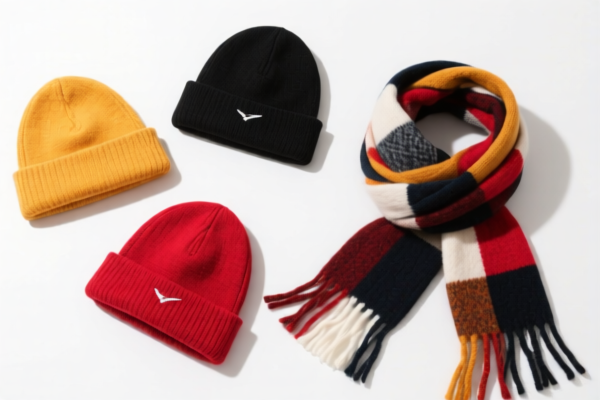
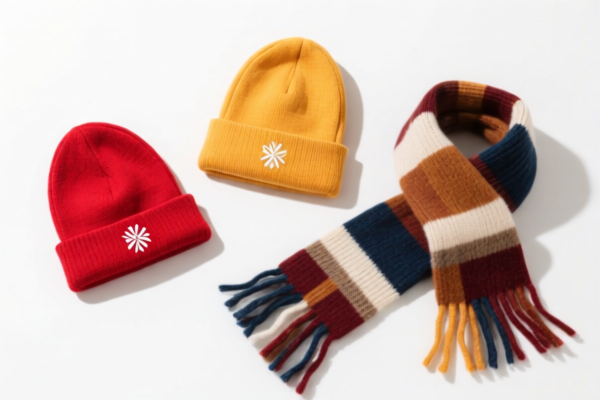
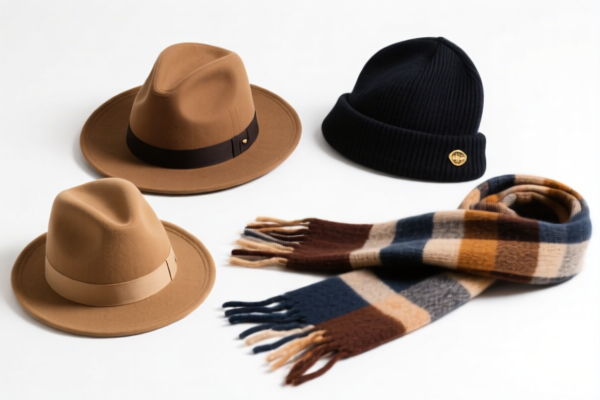
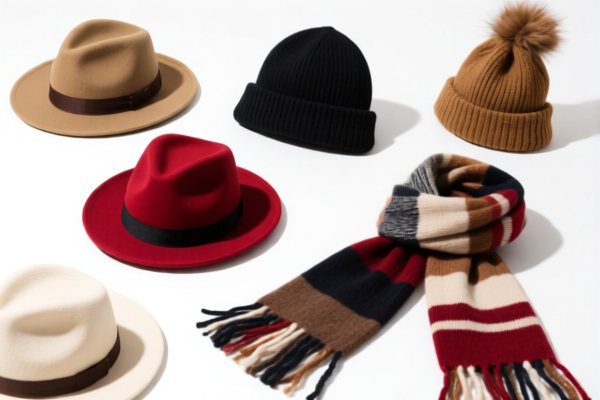
AI分析
🎩 Hats & Headwear: The Ultimate Customs Classification & Tariff Guide (USA/China)
🌐 HS Code Reference & Clearance Strategy | 2026 Latest Tariff Analysis | Professional Compliance Guide
📌 I. Product Definition: What Exactly Are We Talking About?
Hats and Headwear are not just fashion accessories; they are highly regulated textile and non-textile goods in international trade. In customs terminology, they are broadly categorized by material composition and function.
- Textile Hats: Made from wool, cotton, synthetic fibers, straw, or plant fibers.
- Non-Textile/Plastic Hats: Made from rubber, plastic, leather, or felt (often treated as textiles in some contexts, but distinct in others).
- Protective Headgear: Safety helmets, sports caps, etc.
⚠️ Key Distinction Point:
- Material is King: The primary determinant for HS Code classification is the material (e.g., Plant Fiber vs. Rubber vs. Synthetic Fiber).
- Function Matters: Is it a "cap" for fashion, a "helmet" for safety, or a "band" for support?
- Construction: Is it knitted, crocheted, woven, or assembled from pre-cut pieces?
📦 II. HS Code Classification Matrix (Based on Provided Data)
Below are the 5 specific HS Codes from the provided dataset, categorized by material and risk profile.
| HS Code | Summary Description | Material Focus | Estimated Total Tax Burden |
|---|---|---|---|
6504.00.30.00 |
Hats & Headgear, Plant Fibers/Paper Yarn | Plant Fiber / Paper | 41.0% |
6506.99.60.00 |
Hats, Other Materials, No Material Conflict | Mixed/Other Textiles | 43.5% |
6506.91.00.60 |
Headgear, Rubber or Plastic | Rubber / Plastic | 35.0% |
6504.00.90.15 |
Hats, Artificial Fiber (Sewn) | Synthetic/Artificial Fiber | 41.8% |
6504.00.60.00 |
Headwear (Catch-all), No Conflict | General/Mixed | 94¢/doz + 4.6% + 35.0% |
🔍 Critical Insight:
- Plastic/Rubber (6506.91.00.60) offers the lowest total tax rate at 35.0% due to a 0% Base Tariff.
- Plant Fibers (6504.00.30.00) and Synthetics (6504.00.90.15) carry higher base tariffs (~6-6.8%), pushing total costs higher.
- Generic/Mixed (6504.00.60.00) has a complex calculation: Specific Duty ($0.94/doz) + Ad Valorem (4.6%) + Surcharges (35%). This can be costly for low-value, high-volume items.
💰 III. Detailed Tariff Breakdown & Policy Surcharge Analysis
✅ Applicable Market: USA (Import from China)
✅ Effective Date: Current 2026 Trade Policy (Including Section 301 & IEEPA)
✅ Note: All rates below include Base Tariff + Section 301 Additional Tariff (25%) + Section 122/IEEPA Tariff (10%).
🎯 1. 6504.00.30.00 – Plant Fiber / Paper Yarn Hats
- Summary: Hats made from straw, paper yarn, or other vegetable fibers.
- Tax Structure:
- Base Tariff: 6.0%
- Section 301 Surcharge: +25.0%
- Section 122/IEEPA Surcharge: +10.0%
- Total Effective Rate: 41.0%
- Why this rate? Plant fibers are considered traditional textiles. While the base tariff is moderate, the cumulative surcharges result in a high total duty.
- Clearance Tip: Ensure the "plant fiber" content is >50% to qualify. If blended with synthetic, you might fall into a different subheading.
🎯 2. 6506.99.60.00 – Other Hats (No Material Conflict)
- Summary: Hats made of materials not specifically listed elsewhere (e.g., felt, wool, or mixed fabrics without dominant plastic/rubber).
- Tax Structure:
- Base Tariff: 8.5%
- Section 301 Surcharge: +25.0%
- Section 122/IEEPA Surcharge: +10.0%
- Total Effective Rate: 43.5%
- Why this rate? This is the "catch-all" for non-rubber/plastic textile hats. The highest base tariff (8.5%) in this dataset leads to the highest total percentage rate.
- Clearance Tip: Avoid this code if you can justify a more specific material classification (like plant fiber or artificial fiber) to potentially lower the base rate, though the surcharges remain constant.
🎯 3. 6506.91.00.60 – Rubber or Plastic Headgear ⭐ Lowest Tax Rate
- Summary: Headgear made of rubber, plastic, or similar materials (e.g., rain hats, safety helmets with plastic shells, swim caps).
- Tax Structure:
- Base Tariff: 0.0%
- Section 301 Surcharge: +25.0%
- Section 122/IEEPA Surcharge: +10.0%
- Total Effective Rate: 35.0%
- Why this rate? The US tariff schedule often exempts certain plastic/rubber goods from base duties. However, the political surcharges (25% + 10%) still apply, making the total 35%.
- Clearance Tip: This is the most cost-effective HS Code for import. Ensure the product is primarily rubber or plastic. If it has significant textile lining, customs may reclassify it.
🎯 4. 6504.00.90.15 – Artificial Fiber Hats (Sewn)
- Summary: Hats made of artificial fibers (nylon, polyester, etc.), typically sewn construction.
- Tax Structure:
- Base Tariff: 6.8%
- Section 301 Surcharge: +25.0%
- Section 122/IEEPA Surcharge: +10.0%
- Total Effective Rate: 41.8%
- Why this rate? Synthetic fibers are heavily regulated due to textile trade agreements. The base tariff is slightly higher than plant fibers.
- Clearance Tip: "Sewn" is a key descriptor. If the hat is knitted or crocheted, it may fall under a different chapter (Chapter 61). Ensure construction method matches the description.
🎯 5. 6504.00.60.00 – Headwear (Catch-All / Default)
- Summary: A residual category for hats that don't fit other specific material definitions. "Principle of Fallback."
- Tax Structure:
- Specific Duty: $0.94 per dozen
- Ad Valorem Base: 4.6%
- Section 301 Surcharge: +25.0%
- Section 122/IEEPA Surcharge: +10.0%
- Total Effective Rate: Variable (Depends on value)
- Why this rate? This is a complex calculation. For high-value hats, the 4.6% base + 35% surcharges (~39.6% total ad valorem) applies. For low-value hats, the $0.94/doz specific duty can significantly inflate the effective percentage.
- Clearance Tip: Avoid this code if possible. It is a "default" category. If your product has any specific material definition (Plastic, Plant, Synthetic), use that instead. If using this code, calculate the total duty carefully for low-value items.
🛠️ IV. Custom Clearance Operational Advice
✅ 1. Documentation Checklist (Must-Have)
| Document | Required? | Why? |
|---|---|---|
| Commercial Invoice | ✅ | Must clearly state HS Code, Material (%), and Country of Origin. |
| Packing List | ✅ | Detail items per box to justify quantity and weight. |
| Product Specification Sheet | ✅ | Crucial: Must specify material composition (e.g., "100% Rubber Shell, Cotton Lining"). |
| Material Test Report | ✅ | Lab test confirming % of rubber/plastic vs. textile. Customs may audit. |
| Photos of Product | ✅ | Show label, interior, exterior, and any safety certifications. |
| IEEPA/Section 301 Certificate | ✅ | Confirm Chinese origin to apply correct surcharges. |
✅ 2. Classification Strategy (Pro Tips)
🔥 "Material First, Then Function"
-
Is it Plastic/Rubber?
→ Try to classify under6506.91.00.60(35% Total).
→ Risk: If it has significant fabric lining, customs may challenge. Provide proof that rubber/plastic is the primary material. -
Is it Natural/Plant Fiber (Straw/Paper)?
→ Use6504.00.30.00(41% Total).
→ Risk: Must prove it's not "felt" or "knitted wool." -
Is it Synthetic (Polyester/Nylon)?
→ Use6504.00.90.15(41.8% Total).
→ Risk: Ensure construction is "sewn." Knitted synthetics go to Chapter 61. -
Is it Mixed/Unclear?
→ Do NOT use6504.00.60.00unless you have no other choice. The specific duty ($0.94/doz) can be punitive for cheap items. Try to argue for a more specific material code.
✅ 3. Common Pitfalls & Errors
| Mistake | Consequence | Correction |
|---|---|---|
| Misidentifying Material | Using 6506.99.60.00 (43.5%) for a Plastic Hat |
Reclassify to 6506.91.00.60 (35%) → Save 8.5% |
| Ignoring "Specific Duty" | Using 6504.00.60.00 for $1 hats |
The $0.94/doz adds huge % duty. Find a better HS Code. |
| Wrong Construction | Listing "Sewn" for a Knitted Hat | Knitted hats fall under Chapter 61 (8042/6040), which may have different tariffs. Check Chapter 61. |
| Omitting Lining Info | Customs assumes "Other Material" | Provide full material breakdown. If lining is textile, it may affect classification. |
🌍 V. Global Tariff Comparison (2026)
| Market | Preferred HS Code | Estimated Total Duty | Notes |
|---|---|---|---|
| 🇺🇸 USA (China Origin) | 6506.91.00.60 |
35.0% | Lowest total rate due to 0% base tariff. |
| 🇺🇸 USA (China Origin) | 6504.00.30.00 |
41.0% | Common for straw hats. |
| 🇪🇺 EU | 6504.00 |
Varies (0-6% base) | No Section 301/IEEPA surcharges. Generally lower total cost. |
| 🇨🇳 China (Import) | 6504.00 |
~6-8% base | No additional surcharges for most headwear. |
| 🇬🇧 UK | 6504.00 |
~6-8% base | Post-Brexit rules apply. No US-style surcharges. |
📌 Conclusion for US Importers:
- Plastic/Rubber hats are the most tax-efficient to import from China to the US due to the 0% base tariff.
- Textile/Plant hats carry a heavy ~41-43% total tax burden due to combined base + surcharges.
- Always try to classify under6506.91.00.60if the product allows.
📌 VI. Final Recommendation & Action Plan
🚀 Immediate Steps:
- Audit Material Composition: Check your Bill of Materials. Is it >50% rubber/plastic? If yes, target
6506.91.00.60. - Calculate Total Landed Cost:
- For
6506.91.00.60: Duty = CIF × 35% - For
6504.00.30.00: Duty = CIF × 41% - For
6504.00.60.00: Duty = (CIF × 4.6%) + (CIF × 35%) + ($0.94/6 pcs)
- For
- Prepare for Customs Audit: Have lab tests ready to prove material composition.
- Consider Origin Diversification: If tariffs are prohibitive, consider sourcing from Vietnam or Mexico (subject to current FTA rules), which may avoid IEEPA surcharges.
✨ Pro Tip:
"In Headwear, Rubber Rules! 🏆
If you can make it out of plastic/rubber, you save 6-8% in total duties compared to fabric/straw.
Don't let 35% beat 43%. Optimize your material!"
📣 Need Help?
📞 Contact a licensed customs broker to apply for an Advance Ruling on your specific headwear design.
🚀 Clear Customs Fast, Sleep Well at Night!
💼 Precision Classification = Maximum Profit.
🎩 Your Hat, Your Rules, Your Tariff Strategy.
用户评价
关于 HS 编码归类
协调制度(HS)是由世界海关组织(WCO)制定的国际贸易商品分类标准。全球 200 多个国家采用 HS 系统作为海关关税、贸易统计和进出口监管的基础。
每个 HS 编码遵循以下层级结构:
- 章(2 位)——商品大类(例如:第 84 章:机器和机械设备)
- 品目(4 位)——章内的更具体分类
- 子目(6 位)——国际通用细分,所有 WCO 成员国统一使用
- 本国细分(8-10 位)——各国自行扩展的细分编码,如美国 HTSUS 10 位编码
正确的 HS 编码归类对于顺利通关、准确缴纳关税和遵守贸易法规至关重要。错误归类可能导致海关延误、多缴关税或罚款。
从CN进口到US时,适用的关税税率可能包括:
- 最惠国(MFN)税率——适用于 WTO 成员国的标准关税税率
- 普通税率——适用于无贸易协定国家
- 贸易救济关税——附加关税,如 301 条款(反倾销)、232 条款(国家安全)或反补贴税
本页内容仅供参考。如需正式归类,请咨询当地海关或持牌报关代理。