Heated Finger Sleeve
CN → US| HS编码 | 关税税率 | 原产国 | 目的国 | 文档 |
|---|---|---|---|---|
| 6217109550 | 32.1% | CN | US | 官方文档 |
| 6217909085 | 32.1% | CN | US | 官方文档 |
| 8543704500 | 37.6% | CN | US | 官方文档 |
| 8543708500 | 35.0% | CN | US | 官方文档 |
商品图片
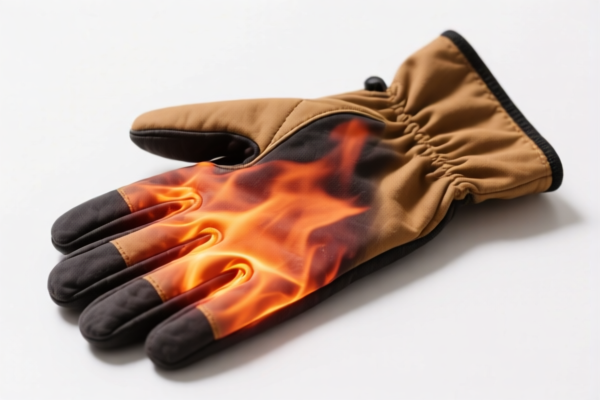
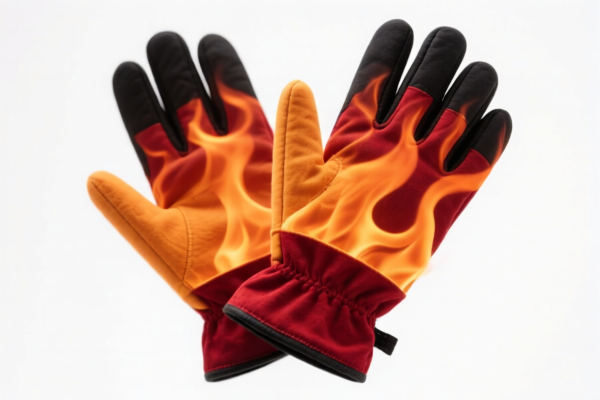
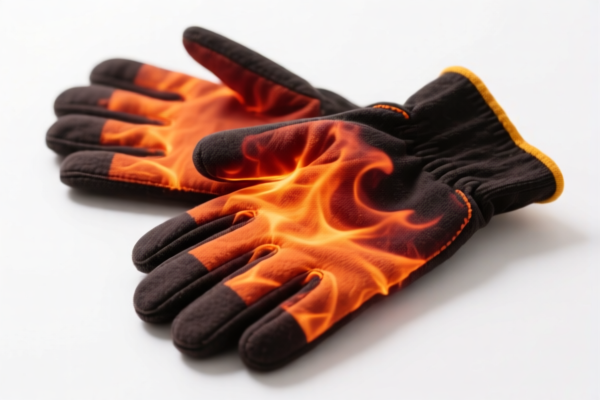
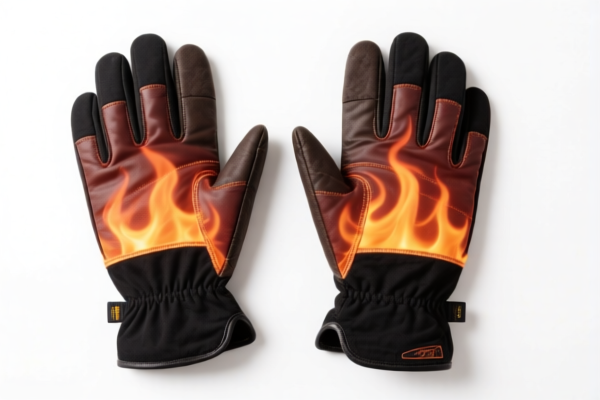
AI分析
🔥 Heated Finger Sleeve (Electrically Heated Gloves/Mitts)
🌐 HS Code Reference & Customs Clearance Guide | 2026 Latest Tariff Analysis | Professional Strategy for US-China Trade
📌 I. Product Definition & Classification: What Exactly is a "Heated Finger Sleeve"?
A Heated Finger Sleeve is typically a wearable accessory designed to provide warmth through electric heating elements. In international trade, the classification depends heavily on its primary function and construction:
- Apparel Accessory (Textile-based): If the heating element is merely an auxiliary feature (e.g., resistive wire woven into fabric) and the item is primarily viewed as a textile accessory for clothing, it falls under Chapter 61 or 62 (Articles of Apparel and Clothing Accessories).
- Electrical Device (Function-based): If the device is defined by its ability to convert electricity into heat as its main independent function, it may fall under Chapter 85 (Electrical Machinery and Equipment).
⚠️ Key Distinction Point:
- Textile Classification: Focuses on the material (fabric, gloves, accessories) and usage as a wearable item. Often considered a "part or accessory" of clothing.
- Electrical Classification: Focuses on the mechanism (heating element, circuitry, battery connection). Treated as a distinct electrical appliance or device.
📦 II. HS Code Classification Details (Based on Provided Data)
| HS Code | Product Description | Rationale / Logic | Total Tax Rate |
|---|---|---|---|
| 6217.10.95.50 | Clothing Accessories / Parts | Classified as a "part or accessory" of clothing/apparel. Based on the principle of "fall-back" classification for textile-based heated items. | 32.1% |
| 6217.90.90.85 | Other Made-up Clothing Accessories | Classified as an accessory made of artificial fibers. Focuses on the material attribute and accessory nature rather than the heating function. | 32.1% |
| 8543.70.45.00 | Electrical Heating Apparatus | Classified as an electrical device with an independent function (heating). Fits the category of "other electrical machines and apparatus having individual functions." | 37.6% |
| 8543.70.85.00 | Other Electrical Machines | Classified under electrical machinery for heating or similar purposes. Fits the broad category of electrical appliances not specified elsewhere. | 35.0% |
🔍 Important Note:
- Textile Codes (6217.xxxx) generally carry a lower total tariff burden compared to Electrical Codes (8543.xxxx) when entering the US from China due to different base rates. - The choice between 6217 and 8543 depends on how the product is marketed, billed, and structured. If it's sold as a "glove accessory," 6217 is often safer. If sold as an "electric heater for hands," 8543 applies.
💰 III. Detailed Tariff Breakdown (2026 US Tariffs for Chinese Origin)
✅ Applicable Country: United States (US)
✅ Origin: China (CN)
✅ Effective Date: November 10, 2025 onwards (including subsequent imports)
🎯 1. Textile Classification: 6217.10.95.50 & 6217.90.90.85
Both textile-based HS codes share the same tax structure in this dataset.
| Item | Content |
|---|---|
| Base Tariff | 14.6% |
| Section 301 Tariff (Add-on) | +7.5% |
| IEEPA Tariff (Section 122) | +10.0% |
| Total Effective Tax Rate | 32.1% |
| Tax Calculation | CIF Value × 32.1% |
| De Minimis Exemption Eligible? | ❌ No (Denied under current IEEPA/301 rules for China) |
| Legal Basis Path | Base Tariff: 6217.10.95.50 → 301 Clause: 7.5% → IEEPA: 10% |
📌 Explanation:
- Base Tariff (14.6%): Standard Most Favored Nation (MFN) rate for clothing accessories. - Section 301 (7.5%): Additional tariff imposed on specific Chinese goods. - IEEPA (10%): Tariff under the International Emergency Economic Powers Act, specifically targeting certain Chinese imports. - Total 32.1%: A significant cost that must be factored into pricing. No de minimis exemption means even small shipments are subject to these taxes.
🎯 2. Electrical Classification: 8543.70.45.00
Falls under "Electrical Machines and Apparatus."
| Item | Content |
|---|---|
| Base Tariff | 2.6% |
| Section 301 Tariff (Add-on) | +25.0% |
| IEEPA Tariff (Section 122) | +10.0% |
| Total Effective Tax Rate | 37.6% |
| Tax Calculation | CIF Value × 37.6% |
| De Minimis Exemption Eligible? | ❌ No |
| Legal Basis Path | Base Tariff: 8543.70.45.00 → 301 Clause: 25.0% → IEEPA: 10% |
📌 Explanation:
- Base Tariff (2.6%): Very low base rate for electrical apparatus. - Section 301 (25.0%): High additional tariff applicable to many electrical goods from China. - IEEPA (10%): Additional levy. - Total 37.6%: Higher than the textile option due to the heavy Section 301 burden on electrical goods.
🎯 3. Electrical Classification: 8543.70.85.00
Falls under "Other Electrical Machines."
| Item | Content |
|---|---|
| Base Tariff | 0.0% |
| Section 301 Tariff (Add-on) | +25.0% |
| IEEPA Tariff (Section 122) | +10.0% |
| Total Effective Tax Rate | 35.0% |
| Tax Calculation | CIF Value × 35.0% |
| De Minimis Exemption Eligible? | ❌ No |
| Legal Basis Path | Base Tariff: 8543.70.85.00 → 301 Clause: 25.0% → IEEPA: 10% |
📌 Explanation:
- Base Tariff (0.0%): Zero base duty for this specific subheading. - Section 301 (25.0%): The dominant cost driver here. - IEEPA (10%): Fixed addition. - Total 35.0%: Slightly lower than 8543.70.45.00 (37.6%) because the base tariff is 0%, but still higher than the textile options (32.1%).
🛠️ IV. Customs Clearance Practical Advice (Real-World Pitfall Guide)
✅ 1. Preparation Checklist (Non-Negotiable)
| Document | Mandatory? | Purpose |
|---|---|---|
| ✅ Product Specification Sheet | ✔️ | Must detail heating element type, voltage, power consumption, and material composition. |
| ✅ Circuit Diagram / Schematic | ✔️ | Critical to prove if it’s a simple textile weave (6217) or a complex electrical device (8543). |
| ✅ Product Photos (with Label) | ✔️ | Show the heating element, battery pack (if included), controls, and any certification marks. |
| ✅ Third-Party Test Report | ✔️ | UL, CE, FCC (if electronic), RoHS. Essential for safety compliance. |
| ✅ Commercial Invoice | ✔️ | Accurately describe the product. Avoid ambiguous terms like "heating pad." Use "Textile Glove Accessory" vs. "Electric Heating Device." |
| ✅ Packing List | ✔️ | Clearly separate the main product from accessories (e.g., charging cables, batteries) if declared separately. |
| ✅ Certificate of Origin | ✔️ | To confirm China origin and apply correct 301/IEEPA rates. |
✅ 2. Declaration Strategy (Key Mantra)
🔥 "Function Defines Code, Material Defines Type!"
| Scenario | Recommended HS Code | Reasoning | Risk if Incorrect |
|---|---|---|---|
| Textile Focus: Sold as "thermal gloves/accessories" with integrated heat | 6217.10.95.50 or 6217.90.90.85 | Primary use is apparel; heating is an auxiliary feature. | Lower total tax (32.1% vs 35-37.6%). |
| Electrical Focus: Sold as "electric hand warmer device" | 8543.70.45.00 or 8543.70.85.00 | Primary function is electrical heating. | Higher tax burden due to Section 301 on electricals. |
| Battery Included? | N/A | If batteries are included, ensure they are declared correctly (usually under same code if integral, or separate if removable). | Misdeclaration can lead to DOT/PHMSA violations. |
| OEM Customization | Provide Design Specs | Show that the product is a custom textile accessory. | Proves "article of apparel" status. |
✅ 3. Special Handling Tips
| Situation | Advice |
|---|---|
| High-Value Luxury Heated Sleeves | Consider 6217 classification to save ~3-5% in tariffs. Ensure marketing emphasizes "fashion/textile." |
| Tech-Heavy Devices (Smart Sensors, App Control) | Likely 8543. The "smart" functionality pushes it towards electrical apparatus. |
| Mixed Shipments | Do NOT mix 6217 and 8543 items in one line item. Separate them clearly to avoid customs scrutiny and potential reclassification penalties. |
| De Minimis (Section 321) | ❌ DO NOT rely on de minimis. Current rules deny de minimis exemption for Chinese goods subject to IEEPA/301 tariffs. All shipments are taxable. |
🌍 V. Global Market Comparison (2026)
| Region | Likely HS Code | Estimated Duty | Key Requirement |
|---|---|---|---|
| 🇺🇸 USA | 6217.10.95.50 | 32.1% | IEEPA + 301 + Base. No de minimis. |
| 🇨🇳 China | 6217.10.90.00 | ~5-7% | CCC Certification may be required for electrical aspects. |
| 🇪🇺 EU | 6217.10.90 | ~12-16% | CE Marking, RoHS, REACH. No 301/IEEPA equivalent. |
| 🇬🇧 UK | 6217.10.90 | ~12% | UKCA Marking, Post-Brexit rules. |
| 🇨🇦 Canada | 6217.10.90 | ~5-12% | C-Tick, Health Canada compliance if claimed medical. |
📌 Conclusion:
- The USA is the most expensive market for Chinese-made heated apparel due to the combination of Base, 301, and IEEPA tariffs. - Electrical classification (8543) is more expensive than Textile (6217) in the US due to higher 301 rates on electrical goods. - Strategy: If possible, classify as Textile Accessory (6217) to minimize duty costs.
📌 VI. Common Errors & Pitfalls (Lessons Learned)
❌ Error 1: Declaring an electrical heated sleeve as a "plain glove" to avoid taxes.
👉 Result: Customs inspection reveals heating element. Penalty + Back Taxes + Seizure.
❌ Error 2: Using "Heating Pad" or "Electric Blanket" terminology for a finger sleeve.
👉 Result: May trigger different regulatory scrutiny (e.g., UL listing requirements). Use precise terms like "Heated Textile Accessory."
❌ Error 3: Assuming de minimis ($800) applies.
👉 Result: Under current US policy, Chinese goods subject to IEEPA do not qualify. You will owe taxes even on small parcels.
❌ Error 4: Mixing battery and heating element declarations incorrectly.
👉 Result: Lithium batteries require specific DOT packaging and labeling. Incorrect declaration leads to shipment rejection.
✅ Correct Approach:
"Textile Heated Finger Sleeve, Model XYZ, Integrated Resistive Heating Element, 5V USB Powered, CE/UL Certified"
🎯 VII. Conclusion: Smart Classification, Lower Costs, Smoother Clearance
🎯 Remember the Strategy:
🔹 "Textile Path Saves Money, Electrical Path is Safer for Tech-Heavy Items."
🔹 "32.1% (Textile) vs 35-37.6% (Electrical): Small difference, but every dollar counts!"
🔹 "No De Minimis for China! Always Declare and Pay!"
📌 Pro Tip:
If your heated sleeves are originating from Vietnam, Mexico, or Thailand, you may avoid IEEPA and 301 tariffs. Consult with a trade compliance expert about substantial transformation rules to leverage preferential trade agreements (e.g., USMCA, ASEAN).
📣 Immediate Action:
📞 Engage a Licensed Customs Broker to review your product structure.
📄 Request an Advance Ruling from US CBP if the classification is ambiguous.
🚀 Optimize Your Supply Chain to minimize total landed cost in the US market.
✨ Professional Clearance Starts with Precise Classification!
💼 Every Tariff Percentage Impacts Your Bottom Line!
用户评价
关于 HS 编码归类
协调制度(HS)是由世界海关组织(WCO)制定的国际贸易商品分类标准。全球 200 多个国家采用 HS 系统作为海关关税、贸易统计和进出口监管的基础。
每个 HS 编码遵循以下层级结构:
- 章(2 位)——商品大类(例如:第 84 章:机器和机械设备)
- 品目(4 位)——章内的更具体分类
- 子目(6 位)——国际通用细分,所有 WCO 成员国统一使用
- 本国细分(8-10 位)——各国自行扩展的细分编码,如美国 HTSUS 10 位编码
正确的 HS 编码归类对于顺利通关、准确缴纳关税和遵守贸易法规至关重要。错误归类可能导致海关延误、多缴关税或罚款。
从CN进口到US时,适用的关税税率可能包括:
- 最惠国(MFN)税率——适用于 WTO 成员国的标准关税税率
- 普通税率——适用于无贸易协定国家
- 贸易救济关税——附加关税,如 301 条款(反倾销)、232 条款(国家安全)或反补贴税
本页内容仅供参考。如需正式归类,请咨询当地海关或持牌报关代理。