Heated Finger Sleeve
CN → US| HS Code | Tariff Rate | Origin | Destination | Doc |
|---|---|---|---|---|
| 6217109550 | 32.1% | CN | US | Official Doc |
| 6217909085 | 32.1% | CN | US | Official Doc |
| 8543704500 | 37.6% | CN | US | Official Doc |
| 8543708500 | 35.0% | CN | US | Official Doc |
Product Images
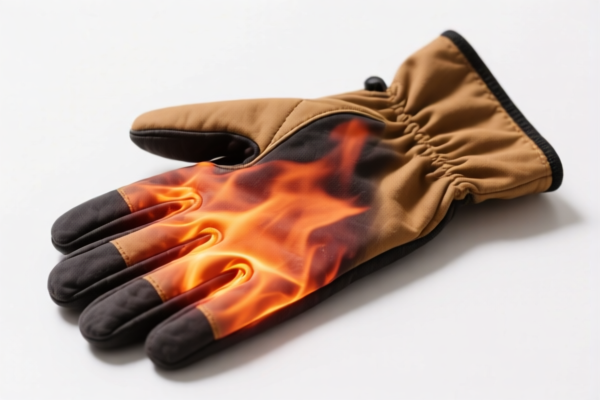
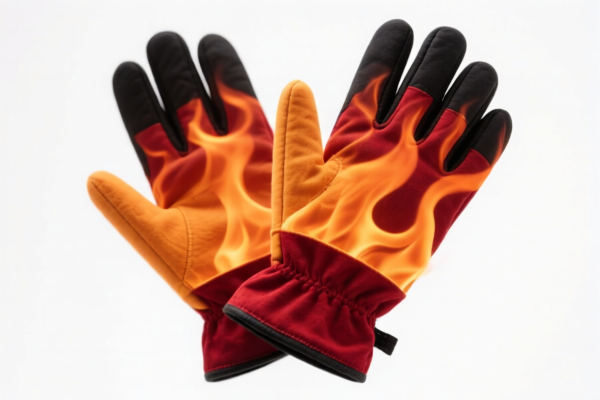
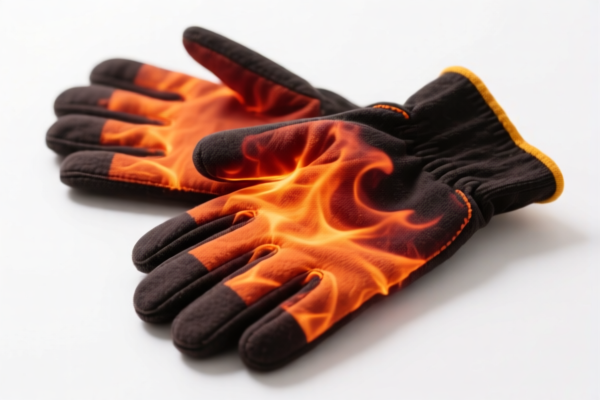
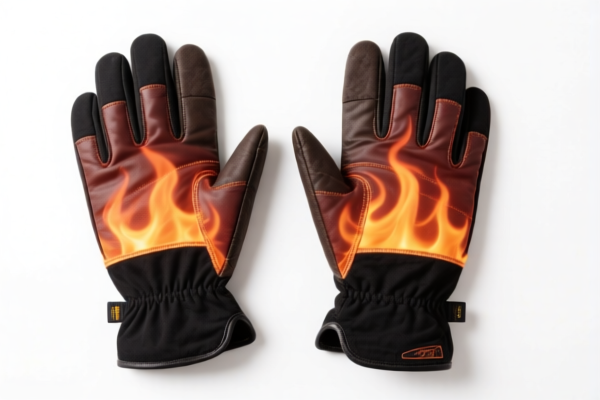
AI Analysis
🔥 Heated Finger Sleeve (Electrically Heated Gloves/Mitts)
🌐 HS Code Reference & Customs Clearance Guide | 2026 Latest Tariff Analysis | Professional Strategy for US-China Trade
📌 I. Product Definition & Classification: What Exactly is a "Heated Finger Sleeve"?
A Heated Finger Sleeve is typically a wearable accessory designed to provide warmth through electric heating elements. In international trade, the classification depends heavily on its primary function and construction:
- Apparel Accessory (Textile-based): If the heating element is merely an auxiliary feature (e.g., resistive wire woven into fabric) and the item is primarily viewed as a textile accessory for clothing, it falls under Chapter 61 or 62 (Articles of Apparel and Clothing Accessories).
- Electrical Device (Function-based): If the device is defined by its ability to convert electricity into heat as its main independent function, it may fall under Chapter 85 (Electrical Machinery and Equipment).
⚠️ Key Distinction Point:
- Textile Classification: Focuses on the material (fabric, gloves, accessories) and usage as a wearable item. Often considered a "part or accessory" of clothing.
- Electrical Classification: Focuses on the mechanism (heating element, circuitry, battery connection). Treated as a distinct electrical appliance or device.
📦 II. HS Code Classification Details (Based on Provided Data)
| HS Code | Product Description | Rationale / Logic | Total Tax Rate |
|---|---|---|---|
| 6217.10.95.50 | Clothing Accessories / Parts | Classified as a "part or accessory" of clothing/apparel. Based on the principle of "fall-back" classification for textile-based heated items. | 32.1% |
| 6217.90.90.85 | Other Made-up Clothing Accessories | Classified as an accessory made of artificial fibers. Focuses on the material attribute and accessory nature rather than the heating function. | 32.1% |
| 8543.70.45.00 | Electrical Heating Apparatus | Classified as an electrical device with an independent function (heating). Fits the category of "other electrical machines and apparatus having individual functions." | 37.6% |
| 8543.70.85.00 | Other Electrical Machines | Classified under electrical machinery for heating or similar purposes. Fits the broad category of electrical appliances not specified elsewhere. | 35.0% |
🔍 Important Note:
- Textile Codes (6217.xxxx) generally carry a lower total tariff burden compared to Electrical Codes (8543.xxxx) when entering the US from China due to different base rates. - The choice between 6217 and 8543 depends on how the product is marketed, billed, and structured. If it's sold as a "glove accessory," 6217 is often safer. If sold as an "electric heater for hands," 8543 applies.
💰 III. Detailed Tariff Breakdown (2026 US Tariffs for Chinese Origin)
✅ Applicable Country: United States (US)
✅ Origin: China (CN)
✅ Effective Date: November 10, 2025 onwards (including subsequent imports)
🎯 1. Textile Classification: 6217.10.95.50 & 6217.90.90.85
Both textile-based HS codes share the same tax structure in this dataset.
| Item | Content |
|---|---|
| Base Tariff | 14.6% |
| Section 301 Tariff (Add-on) | +7.5% |
| IEEPA Tariff (Section 122) | +10.0% |
| Total Effective Tax Rate | 32.1% |
| Tax Calculation | CIF Value × 32.1% |
| De Minimis Exemption Eligible? | ❌ No (Denied under current IEEPA/301 rules for China) |
| Legal Basis Path | Base Tariff: 6217.10.95.50 → 301 Clause: 7.5% → IEEPA: 10% |
📌 Explanation:
- Base Tariff (14.6%): Standard Most Favored Nation (MFN) rate for clothing accessories. - Section 301 (7.5%): Additional tariff imposed on specific Chinese goods. - IEEPA (10%): Tariff under the International Emergency Economic Powers Act, specifically targeting certain Chinese imports. - Total 32.1%: A significant cost that must be factored into pricing. No de minimis exemption means even small shipments are subject to these taxes.
🎯 2. Electrical Classification: 8543.70.45.00
Falls under "Electrical Machines and Apparatus."
| Item | Content |
|---|---|
| Base Tariff | 2.6% |
| Section 301 Tariff (Add-on) | +25.0% |
| IEEPA Tariff (Section 122) | +10.0% |
| Total Effective Tax Rate | 37.6% |
| Tax Calculation | CIF Value × 37.6% |
| De Minimis Exemption Eligible? | ❌ No |
| Legal Basis Path | Base Tariff: 8543.70.45.00 → 301 Clause: 25.0% → IEEPA: 10% |
📌 Explanation:
- Base Tariff (2.6%): Very low base rate for electrical apparatus. - Section 301 (25.0%): High additional tariff applicable to many electrical goods from China. - IEEPA (10%): Additional levy. - Total 37.6%: Higher than the textile option due to the heavy Section 301 burden on electrical goods.
🎯 3. Electrical Classification: 8543.70.85.00
Falls under "Other Electrical Machines."
| Item | Content |
|---|---|
| Base Tariff | 0.0% |
| Section 301 Tariff (Add-on) | +25.0% |
| IEEPA Tariff (Section 122) | +10.0% |
| Total Effective Tax Rate | 35.0% |
| Tax Calculation | CIF Value × 35.0% |
| De Minimis Exemption Eligible? | ❌ No |
| Legal Basis Path | Base Tariff: 8543.70.85.00 → 301 Clause: 25.0% → IEEPA: 10% |
📌 Explanation:
- Base Tariff (0.0%): Zero base duty for this specific subheading. - Section 301 (25.0%): The dominant cost driver here. - IEEPA (10%): Fixed addition. - Total 35.0%: Slightly lower than 8543.70.45.00 (37.6%) because the base tariff is 0%, but still higher than the textile options (32.1%).
🛠️ IV. Customs Clearance Practical Advice (Real-World Pitfall Guide)
✅ 1. Preparation Checklist (Non-Negotiable)
| Document | Mandatory? | Purpose |
|---|---|---|
| ✅ Product Specification Sheet | ✔️ | Must detail heating element type, voltage, power consumption, and material composition. |
| ✅ Circuit Diagram / Schematic | ✔️ | Critical to prove if it’s a simple textile weave (6217) or a complex electrical device (8543). |
| ✅ Product Photos (with Label) | ✔️ | Show the heating element, battery pack (if included), controls, and any certification marks. |
| ✅ Third-Party Test Report | ✔️ | UL, CE, FCC (if electronic), RoHS. Essential for safety compliance. |
| ✅ Commercial Invoice | ✔️ | Accurately describe the product. Avoid ambiguous terms like "heating pad." Use "Textile Glove Accessory" vs. "Electric Heating Device." |
| ✅ Packing List | ✔️ | Clearly separate the main product from accessories (e.g., charging cables, batteries) if declared separately. |
| ✅ Certificate of Origin | ✔️ | To confirm China origin and apply correct 301/IEEPA rates. |
✅ 2. Declaration Strategy (Key Mantra)
🔥 "Function Defines Code, Material Defines Type!"
| Scenario | Recommended HS Code | Reasoning | Risk if Incorrect |
|---|---|---|---|
| Textile Focus: Sold as "thermal gloves/accessories" with integrated heat | 6217.10.95.50 or 6217.90.90.85 | Primary use is apparel; heating is an auxiliary feature. | Lower total tax (32.1% vs 35-37.6%). |
| Electrical Focus: Sold as "electric hand warmer device" | 8543.70.45.00 or 8543.70.85.00 | Primary function is electrical heating. | Higher tax burden due to Section 301 on electricals. |
| Battery Included? | N/A | If batteries are included, ensure they are declared correctly (usually under same code if integral, or separate if removable). | Misdeclaration can lead to DOT/PHMSA violations. |
| OEM Customization | Provide Design Specs | Show that the product is a custom textile accessory. | Proves "article of apparel" status. |
✅ 3. Special Handling Tips
| Situation | Advice |
|---|---|
| High-Value Luxury Heated Sleeves | Consider 6217 classification to save ~3-5% in tariffs. Ensure marketing emphasizes "fashion/textile." |
| Tech-Heavy Devices (Smart Sensors, App Control) | Likely 8543. The "smart" functionality pushes it towards electrical apparatus. |
| Mixed Shipments | Do NOT mix 6217 and 8543 items in one line item. Separate them clearly to avoid customs scrutiny and potential reclassification penalties. |
| De Minimis (Section 321) | ❌ DO NOT rely on de minimis. Current rules deny de minimis exemption for Chinese goods subject to IEEPA/301 tariffs. All shipments are taxable. |
🌍 V. Global Market Comparison (2026)
| Region | Likely HS Code | Estimated Duty | Key Requirement |
|---|---|---|---|
| 🇺🇸 USA | 6217.10.95.50 | 32.1% | IEEPA + 301 + Base. No de minimis. |
| 🇨🇳 China | 6217.10.90.00 | ~5-7% | CCC Certification may be required for electrical aspects. |
| 🇪🇺 EU | 6217.10.90 | ~12-16% | CE Marking, RoHS, REACH. No 301/IEEPA equivalent. |
| 🇬🇧 UK | 6217.10.90 | ~12% | UKCA Marking, Post-Brexit rules. |
| 🇨🇦 Canada | 6217.10.90 | ~5-12% | C-Tick, Health Canada compliance if claimed medical. |
📌 Conclusion:
- The USA is the most expensive market for Chinese-made heated apparel due to the combination of Base, 301, and IEEPA tariffs. - Electrical classification (8543) is more expensive than Textile (6217) in the US due to higher 301 rates on electrical goods. - Strategy: If possible, classify as Textile Accessory (6217) to minimize duty costs.
📌 VI. Common Errors & Pitfalls (Lessons Learned)
❌ Error 1: Declaring an electrical heated sleeve as a "plain glove" to avoid taxes.
👉 Result: Customs inspection reveals heating element. Penalty + Back Taxes + Seizure.
❌ Error 2: Using "Heating Pad" or "Electric Blanket" terminology for a finger sleeve.
👉 Result: May trigger different regulatory scrutiny (e.g., UL listing requirements). Use precise terms like "Heated Textile Accessory."
❌ Error 3: Assuming de minimis ($800) applies.
👉 Result: Under current US policy, Chinese goods subject to IEEPA do not qualify. You will owe taxes even on small parcels.
❌ Error 4: Mixing battery and heating element declarations incorrectly.
👉 Result: Lithium batteries require specific DOT packaging and labeling. Incorrect declaration leads to shipment rejection.
✅ Correct Approach:
"Textile Heated Finger Sleeve, Model XYZ, Integrated Resistive Heating Element, 5V USB Powered, CE/UL Certified"
🎯 VII. Conclusion: Smart Classification, Lower Costs, Smoother Clearance
🎯 Remember the Strategy:
🔹 "Textile Path Saves Money, Electrical Path is Safer for Tech-Heavy Items."
🔹 "32.1% (Textile) vs 35-37.6% (Electrical): Small difference, but every dollar counts!"
🔹 "No De Minimis for China! Always Declare and Pay!"
📌 Pro Tip:
If your heated sleeves are originating from Vietnam, Mexico, or Thailand, you may avoid IEEPA and 301 tariffs. Consult with a trade compliance expert about substantial transformation rules to leverage preferential trade agreements (e.g., USMCA, ASEAN).
📣 Immediate Action:
📞 Engage a Licensed Customs Broker to review your product structure.
📄 Request an Advance Ruling from US CBP if the classification is ambiguous.
🚀 Optimize Your Supply Chain to minimize total landed cost in the US market.
✨ Professional Clearance Starts with Precise Classification!
💼 Every Tariff Percentage Impacts Your Bottom Line!
Customer Reviews
About HS Code Classification
The Harmonized System (HS) is an internationally standardized nomenclature developed by the World Customs Organization (WCO) to classify traded products. Over 200 countries use the HS system as the basis for customs tariffs, trade statistics, and import/export regulations.
Each HS code follows a hierarchical structure:
- Chapter (2 digits) — Broad category of goods (e.g., Chapter 84: Machinery and Mechanical Appliances)
- Heading (4 digits) — More specific grouping within the chapter
- Subheading (6 digits) — Internationally standardized breakdown, used by all WCO member countries
- National subdivisions (8-10 digits) — Country-specific extensions for further classification, such as US HTSUS 10-digit codes
Correct HS code classification is essential for smooth customs clearance, accurate duty payment, and compliance with trade regulations. Misclassification can lead to customs delays, overpayment of duties, or penalties.
When importing from CN to US, the applicable tariff rates may include:
- Most-Favored-Nation (MFN) rate — The standard duty rate applied to WTO members
- General rate — Applied to countries without trade agreements
- Trade remedy duties — Additional tariffs such as Section 301 (anti-dumping), Section 232 (national security), or countervailing duties
The information provided on this page is for reference purposes only. For official classification, please consult with your local customs authority or a licensed customs broker.