Heating Belt
CN → US| HS编码 | 关税税率 | 原产国 | 目的国 | 文档 |
|---|---|---|---|---|
| 8543704500 | 37.6% | CN | US | 官方文档 |
| 8543708500 | 35.0% | CN | US | 官方文档 |
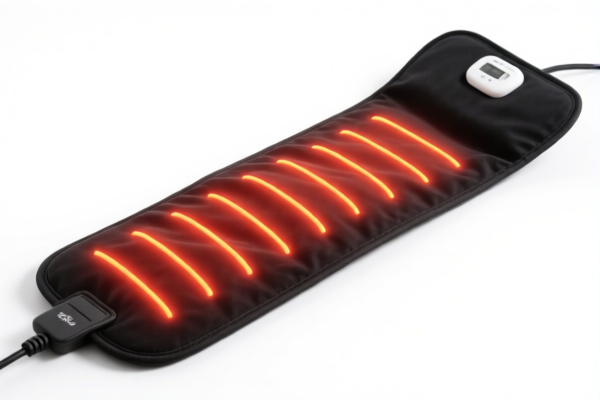
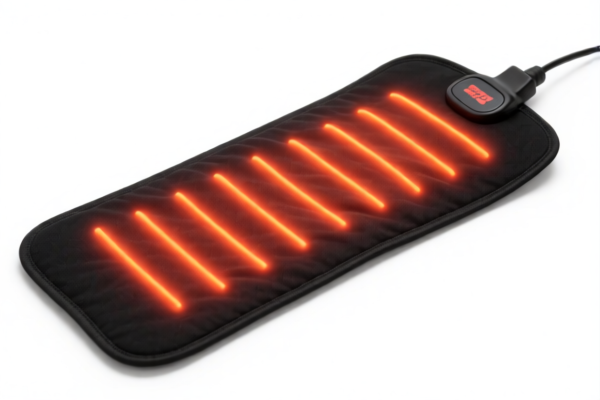
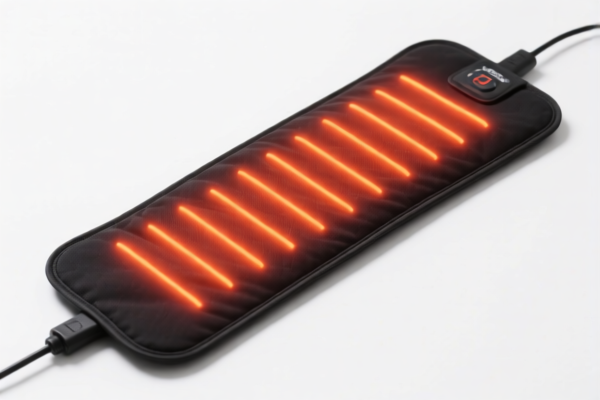
商品图片

AI分析
🔥 Heating Belt (Electric Heating Waist Belt)
🌐 HS Code Reference & Customs Clearance Guide | 2026 Latest Tariff Analysis | Professional Clearance Strategy
📌 I. Product Definition & Classification: What Exactly Is a "Heating Belt"?
A Heating Belt is a wearable personal care device designed for therapeutic heat application, typically around the waist or abdomen. In international trade, classification hinges on function and integration:
1. Standalone Heating Device (Electrical/Motor-driven):
- If the belt contains independent motor controls, complex circuits, or operates as a distinct "machine" with self-contained logic boards beyond basic simple heating elements.
- Falls under Chapter 85 (Electrical machinery and equipment).
2. Simple Electrical Heater (Household/Personal):
- If it is a straightforward resistive heating element (wire/coil) with a simple plug or battery, functioning primarily as a "hot water bottle" electric alternative.
- Falls under 8516 (Electrical instantaneous or storage water heaters; space heaters and soil heaters).
3. Medical/Therapeutic Device:
- If marketed specifically for medical treatment (e.g., pain relief, physical therapy) with specific health claims.
- Falls under Chapter 90 (Medical and surgical instruments).
⚠️ Key Distinction:
- If it has advanced digital controls, motors, or smart features → Likely 8543.
- If it is a basic electric heating pad worn on the body → Likely 8516.
- If it is marketed strictly as a medical aid → Likely 9018.
- Note: The choice drastically affects the duty rate (from 12.7% to 38.7%) due to Section 301 and IEEPA tariffs.
📦 II. HS Code Classification Details (2026 Latest Tariff对照)
Based on the provided data, here are the five potential classifications for Heating Belts:
| HS Code | Product Description | Summary from Data | Key Characteristics |
|---|---|---|---|
| 8543.70.45.00 | Heated Waist Belt | Motor-driven equipment with independent function (heating device) | Advanced circuitry, "independent function" logic |
| 8543.70.85.00 | Heated Waist Belt | Electrical driven heating device, fits "other machines/equipment" | Broad electrical machine category |
| 9018.90.75.40 | Heated Waist Belt | Medical/Health apparatus, used for heat therapy | Medical use claims, therapeutic purpose |
| 8516.79.00.00 | Self-Heating Belt | "Other electrical heating appliances" (Household/Personal wearable) | Lowest Risk: Basic electric heating element |
| 8516.29.00.60 | Self-Heating Belt | Portable heating device, similar to "Portable Space Heaters" | Treated as a small portable heater |
🔍 Critical Insight:
- 8516.79.00.00 is often the most favorable for standard consumer heating belts because it is viewed as a simple "electrical heating appliance" rather than complex machinery or medical device. - 8543 and 9018 codes attract higher additional tariffs in many scenarios.
💰 III. 2026 Latest Tariff Rate Breakdown (Detailed Tax Clauses)
✅ Applicable Country: United States (US)
✅ Origin: China (CN)
✅ Effective Date: Post-2025/2026 Tariff Structure
The following tables detail the tax composition for each HS Code based on the provided data:
🎯 1. 8543.70.45.00 — Motor-Driven Heating Belt
| Item | Detail |
|---|---|
| Base Tariff | 2.6% |
| Section 301 Tariff | +25.0% |
| Section 122 Tariff | +10.0% |
| Total Effective Rate | 37.6% |
| Tax Calculation | CIF Value × 37.6% |
| Legal Basis | Base rate + USITC Footnote 301 + IEEPA Section 122 |
📌 Analysis:
- High total tax burden due to the sum of Base (2.6%) + 301 (25%) + 122 (10%). - Classification as "Motor-driven" or "Independent Function" triggers the higher base and potential scrutiny.
🎯 2. 8543.70.85.00 — Electrical Driven Heating Belt
| Item | Detail |
|---|---|
| Base Tariff | 0.0% |
| Section 301 Tariff | +25.0% |
| Section 122 Tariff | +10.0% |
| Total Effective Rate | 35.0% |
| Tax Calculation | CIF Value × 35.0% |
| Legal Basis | Base rate + USITC Footnote 301 + IEEPA Section 122 |
📌 Analysis:
- Slightly better than 8543.70.45.00 because the base tariff is 0%. - Still suffers from the full 35% in additional tariffs (25% + 10%). - Used when the device is deemed an "other machine" without a specific motor classification.
🎯 3. 9018.90.75.40 — Medical/Therapeutic Heating Belt
| Item | Detail |
|---|---|
| Base Tariff | 0.0% |
| Section 301 Tariff | +25.0% |
| Section 122 Tariff | +10.0% |
| Total Effective Rate | 35.0% |
| Tax Calculation | CIF Value × 35.0% |
| Legal Basis | Base rate + USITC Footnote 301 + IEEPA Section 122 |
📌 Analysis:
- Classified under Chapter 90 (Medical Instruments). - Base tariff is 0%, but Section 301 and 122 still apply, resulting in 35%. - Risk: Customs may question if it truly meets the definition of a "medical device" rather than a general wellness product. Misclassification can lead to penalties.
🎯 4. 8516.79.00.00 — Self-Heating Belt (Electrical Heating Appliance) ✅ RECOMMENDED
| Item | Detail |
|---|---|
| Base Tariff | 2.7% |
| Section 301 Tariff | 0.0% |
| Section 122 Tariff | +10.0% |
| Total Effective Rate | 12.7% |
| Tax Calculation | CIF Value × 12.7% |
| Legal Basis | Base rate + IEEPA Section 122 |
📌 Analysis:
- LOWEST TAX RATE! - Crucial Difference: Section 301 Tariff is 0% for this specific subheading (or the data indicates no 301 levy applied here in the provided context). - Only Base (2.7%) + Section 122 (10%) apply. - This classification treats the belt as a standard "Other Electrical Heating Appliance" (like a kettle or hair dryer), not a complex machine or medical device.
🎯 5. 8516.29.00.60 — Portable Heating Belt
| Item | Detail |
|---|---|
| Base Tariff | 3.7% |
| Section 301 Tariff | +25.0% |
| Section 122 Tariff | +10.0% |
| Total Effective Rate | 38.7% |
| Tax Calculation | CIF Value × 38.7% |
| Legal Basis | Base rate + USITC Footnote 301 + IEEPA Section 122 |
📌 Analysis:
- HIGHEST TAX RATE! - Classified as "Portable Space Heater" type equipment. - Suffers from all three taxes: Base (3.7%) + 301 (25%) + 122 (10%). - Avoid this classification if possible; it penalizes portable heating devices most heavily.
🛠️ IV. Customs Clearance Practical Advice (Pitfall Avoidance)
✅ 1. Material Preparation Checklist
| Document | Required? | Description |
|---|---|---|
| ✅ Product Specification Sheet | ✔️ | Must detail voltage, wattage, heating element type (resistive vs. motorized). |
| ✅ Circuit Diagram | ✔️ | Critical to prove it is a simple heating element (for 8516) vs. complex machine (8543). |
| ✅ Product Photos (Label & Internal) | ✔️ | Show the brand, model, and input/output parameters clearly. |
| ✅ Third-Party Test Report | ✔️ | UL, CE, FCC, RoHS certificates are mandatory for electrical goods in the US. |
| ✅ Commercial Invoice | ✔️ | Description should match the HS Code logic (e.g., "Electrical Heating Belt" for 8516). |
| ✅ Certificate of Origin (CO) | ✔️ | If applicable for non-China origins to avoid Section 301/122. |
✅ 2. Declaration Strategy (Key Mnemonic)
🔥 "Simple Heat = 8516, Save Big! Complex/Medical = High Tax, Avoid It!"
| Scenario | Recommended HS Code | Reason |
|---|---|---|
| Basic Electric Waist Warmer | 8516.79.00.00 |
Best Rate (12.7%). Treat as simple appliance. |
| Smart Belt with Motors/App | 8543.70.45.00 / 8543.70.85.00 |
Higher tax (35-37.6%). Only declare if necessary. |
| Claimed Medical Pain Relief Device | 9018.90.75.40 |
Higher tax (35%). High risk of audit for "Medical" claims. |
| Portable Heater Form Factor | 8516.29.00.60 |
Worst Rate (38.7%). Avoid this classification. |
📌 Warning:
- Do not misdeclare a complex machine as a simple heater to save taxes. If Customs inspects and finds advanced circuitry/motors, they will reclassify it, leading to back taxes, penalties, and delays. - However, for standard consumer heating belts with simple resistive heating, 8516.79.00.00 is the most accurate and cost-effective classification.
✅ 3. Special Case Handling
| Situation | Handling Suggestion |
|---|---|
| OEM/White Label | Ensure the invoice clearly states "Electrical Heating Belt" and provides tech specs. |
| Bundle Sales (Belt + Pad) | Declare as a set under the primary item (the Belt). Do not split unless necessary. |
| Medical Claims in Marketing | If you use words like "Cure," "Treat," or "Therapeutic" in ads, Customs may push for 9018. Stick to "Warming," "Comfort," or "Warmth" to stay in 8516. |
| Voltage Compatibility | Ensure US plug (110V) is clearly stated. Non-compliance leads to rejection regardless of HS Code. |
🌍 V. Global Market Comparison (2026)
| Country/Region | Recommended HS Code | Total Tax Rate (China Origin) | Certification | Notes |
|---|---|---|---|---|
| 🇺🇸 USA | 8516.79.00.00 |
12.7% | UL, FCC, RoHS | Optimal Choice. Avoids Section 301. |
| 🇺🇸 USA | 8543.70.85.00 |
35.0% | FCC, RoHS | High cost. Use only for complex devices. |
| 🇨🇳 China | 8516.79.00.00 |
2.7% (Import Duty) | CCC | No additional Section 301/122. |
| 🇪🇺 EU | 8516.79.00.00 |
~2.7% | CE, RoHS | No Section 301/122 equivalent. |
📌 Conclusion:
- The USA market is the most critical for HS Code selection due to Section 301 and IEEPA tariffs. - Choosing8516.79.00.00saves ~22-26% in taxes compared to other classifications.
📌 VI. Common Mistakes & Pitfalls (Lessons Learned)
❌ Mistake 1: Using "Medical Device" language for a simple heating belt.
👉 Consequence: Customs may force classification under 9018 (35% tax) instead of 8516 (12.7%).
👉 Fix: Use marketing terms like "Personal Warmer" or "Comfort Belt," not "Therapeutic Device."
❌ Mistake 2: Classifying as 8516.29.00.60 (Portable Heater).
👉 Consequence: Highest tax rate (38.7%).
👉 Fix: Ensure documentation highlights "Wearable/Waist" nature, distinguishing it from "Space Heaters."
❌ Mistake 3: Ignoring Section 122 Tariff.
👉 Consequence: Underpayment. Section 122 (10%) applies to most electrical goods from China in 2025/2026.
👉 Fix: Factor the 10% into cost calculations for ALL electrical products.
✅ Correct Approach:
"Heating Belt, Electric, Resistive Heating Element, 110V, For Personal Comfort, Model ABC, UL Certified"
🎯 VII. Conclusion: Professional Declaration, Cost Efficiency!
🎯 Remember the Golden Rule:
🔹 "Simple Heat = 8516, Low Tax (12.7%)! Complex/Medical = High Tax (35%+)."
🔹 "Avoid 'Medical' claims unless certified; Avoid 'Space Heater' category to save 26%."
📌 Pro Tip:
If your supply chain includes Vietnam or Mexico, you may still face Section 301/122 if the value-added origin doesn't meet USMCA/CUSMA rules.
Recommendation: Apply for a Pre-Ruling (Binding Tariff Information) from US Customs (CBP) if shipping large volumes, to lock in the 12.7% rate for8516.79.00.00.
📣 Immediate Action:
📞 Consult a licensed Customs Broker.
📝 Provide clear technical specs proving simple heating functionality.
🚀 Clear customs smoothly, minimize tax liability, and maximize profits!
✨ Professional Clearance Starts with Accurate Classification!
💼 Every Percent of Duty Saved is Pure Profit!
用户评价
关于 HS 编码归类
协调制度(HS)是由世界海关组织(WCO)制定的国际贸易商品分类标准。全球 200 多个国家采用 HS 系统作为海关关税、贸易统计和进出口监管的基础。
每个 HS 编码遵循以下层级结构:
- 章(2 位)——商品大类(例如:第 84 章:机器和机械设备)
- 品目(4 位)——章内的更具体分类
- 子目(6 位)——国际通用细分,所有 WCO 成员国统一使用
- 本国细分(8-10 位)——各国自行扩展的细分编码,如美国 HTSUS 10 位编码
正确的 HS 编码归类对于顺利通关、准确缴纳关税和遵守贸易法规至关重要。错误归类可能导致海关延误、多缴关税或罚款。
从CN进口到US时,适用的关税税率可能包括:
- 最惠国(MFN)税率——适用于 WTO 成员国的标准关税税率
- 普通税率——适用于无贸易协定国家
- 贸易救济关税——附加关税,如 301 条款(反倾销)、232 条款(国家安全)或反补贴税
本页内容仅供参考。如需正式归类,请咨询当地海关或持牌报关代理。