Hemp Rope, Ropes and Cables
CN → US| HS编码 | 关税税率 | 原产国 | 目的国 | 文档 |
|---|---|---|---|---|
| 5607909000 | 41.3% | CN | US | 官方文档 |
| 5607901000 | 35.0% | CN | US | 官方文档 |
| 5308909000 | 17.5% | CN | US | 官方文档 |
| 4601999000 | 38.3% | CN | US | 官方文档 |
| 5607909000 | 41.3% | CN | US | 官方文档 |
商品图片
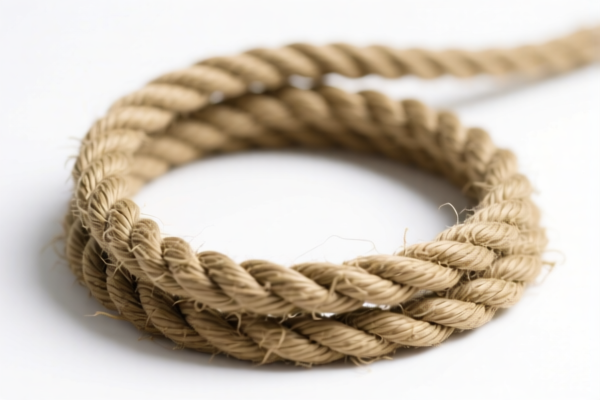

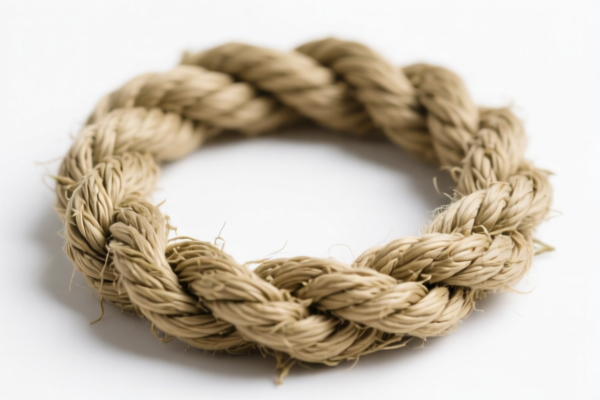

AI分析
🧵 Hemp Rope, Ropes & Cables (Natural Fiber)
🌐 HS Code Reference & Customs Clearance Guide | 2026 Latest Tariff Analysis | Professional Strategy
📌 I. Product Definition: What Exactly is "Hemp Rope"?
Hemp rope, broadly categorized as "Ropes, Cordage, Twine, and Nets," refers to products made from twisted or plaited natural fibers (specifically hemp/bast fibers in this context). In international trade, the classification hinges on material composition (natural vs. synthetic) and processing method (braided, twisted, or woven).
Key Classification Distinctions: * Twisted/Plaited Ropes (Ch. 56): If the hemp fibers are spun into yarn and then twisted or plaited into ropes/cables, they typically fall under Chapter 56. * Woven Mats/Braids (Ch. 46): If the hemp is processed into strips or mats and then woven into a flat or semi-flat structure (often for crafts or packaging), it may fall under Chapter 46. * Yarns (Ch. 53): If the product is sold as raw textile yarns rather than finished ropes, it falls under Chapter 53.
⚠️ Critical Differentiation:
- Finished Ropes/Cables (Twisted/Plaited) → Usually HS 5607 or 5607.90.
- Woven Natural Fiber Mats/Braids → HS 4601.
- Textile Yarns (Unfinished) → HS 5308.
📦 II. HS Code Classification Matrix (2026 Data Source)
Based on the provided <DATA> source, here are the specific HS Codes and their corresponding tax implications for Hemp Rope/Ropes/Cables. Note that duplicates in the source data indicate consensus or multiple valid descriptors for the same code.
| HS Code | Summary/Description | Material/Shape Logic | Total Tax Rate |
|---|---|---|---|
| 5607.90.90.00 | Ropes, Cords, and Cables (Other) | Matches the shape of ropes/cables; defined as "Other" category under Chapter 56. Fits natural fiber rope descriptions. | 41.3% |
| 5607.90.10.00 | Matching Shape & Reasonable Inference | Matches shape; material reasonably inferred to be hemp fibers. | 35.0% |
| 5308.90.90.00 | Vegetable Fiber Textile Yarns | Classified as "Plant fiber textile yarns" (Other). Treats hemp as a raw textile yarn rather than a finished rope. | 17.5% |
| 4601.99.90.00 | Woven Materials & Similar Articles | Classified as "Woven materials and similar articles" (Other). Treats hemp as a woven natural fiber material. | 38.3% |
🔍 Key Insight:
- The lowest tax rate (17.5%) applies if classified as Textile Yarns (5308.90.90.00).
- The highest tax rate (41.3%) applies if classified as Other Ropes/Cables (5607.90.90.00).
- Classification depends heavily on the physical state of the product at import: Is it a twisted rope (Ch 56), a woven mat (Ch 46), or raw yarn (Ch 53)?
💰 III. Detailed Tariff Breakdown (US Imports from China)
✅ Applicable Country: United States (US)
✅ Origin: China (CN)
✅ Effective Time: Current rates include Section 301 and Section 122 tariffs.
🎯 1. 5607.90.90.00 – Ropes, Cords, and Cables (Other)
Most common for finished hemp ropes/cables.
| Item | Content |
|---|---|
| Base Tariff | 6.3% |
| Section 301 Tariff | 25.0% |
| Section 122 Tariff | 10.0% |
| Total Effective Rate | 41.3% |
| Tax Calculation | CIF Value × 41.3% |
| De Minimis Exemption | ❌ Not Applicable (High rate prevents de minimis benefit) |
| Legal Basis | HTSUS:5607.90.90.00 + Section 301 (25%) + Section 122 (10%) |
📌 Explanation:
- This is the standard classification for finished ropes not specifically listed elsewhere.
- The 35% surcharge (25% + 10%) is punitive, making this category expensive.
- Warning: Do not under-declare; US Customs (CBP) strictly enforces Section 301 on natural fiber ropes from China.
🎯 2. 5607.90.10.00 – Ropes, Cords, and Cables (Specific Sub-category)
May apply if specific structural criteria are met.
| Item | Content |
|---|---|
| Base Tariff | 0.0% |
| Section 301 Tariff | 25.0% |
| Section 122 Tariff | 10.0% |
| Total Effective Rate | 35.0% |
| Tax Calculation | CIF Value × 35.0% |
| De Minimis Exemption | ❌ Not Applicable |
| Legal Basis | HTSUS:5607.90.10.00 + Section 301 (25%) + Section 122 (10%) |
📌 Note:
- Even with a 0% base tariff, the 35% surcharge remains.
- This code may require stricter proof of "matching shape" and "material inference."
🎯 3. 5308.90.90.00 – Other Vegetable Fiber Textile Yarns
Strategic Classification for Lower Tax.
| Item | Content |
|---|---|
| Base Tariff | 0.0% |
| Section 301 Tariff | 7.5% |
| Section 122 Tariff | 10.0% |
| Total Effective Rate | 17.5% |
| Tax Calculation | CIF Value × 17.5% |
| De Minimis Exemption | ❌ Not Applicable (Still high, but lower than 41.3%) |
| Legal Basis | HTSUS:5308.90.90.00 + Section 301 (7.5%) + Section 122 (10%) |
📌 Strategic Insight:
- This is the LOWEST tax rate option.
- Applicability: Only use if the product is technically textile yarn (e.g., hemp twine, raw hemp strands) and not a finished "rope" or "cable."
- Risk: If the product is clearly a finished rope, misclassifying as yarn leads to penalties, back-duties, and seizure. Use only if the product definition allows (e.g., un-twisted or loosely plaited yarns).
🎯 4. 4601.99.90.00 – Woven Mats/Braids (Other)
For Woven Hemp Products.
| Item | Content |
|---|---|
| Base Tariff | 3.3% |
| Section 301 Tariff | 25.0% |
| Section 122 Tariff | 10.0% |
| Total Effective Rate | 38.3% |
| Tax Calculation | CIF Value × 38.3% |
| De Minimis Exemption | ❌ Not Applicable |
| Legal Basis | HTSUS:4601.99.90.00 + Section 301 (25%) + Section 122 (10%) |
📌 Note:
- Applies to woven natural fiber materials (e.g., hemp mats, braided strips).
- Tax rate is high due to Section 301 and 122 tariffs.
🛠️ IV. Customs Clearance Best Practices
✅ 1. Documentation Checklist (Non-Negotiable)
| Document | Required? | Notes |
|---|---|---|
| Commercial Invoice | ✔️ | Must clearly state "Hemp Rope" or "Vegetable Fiber Yarn" and HS Code. |
| Packing List | ✔️ | Detail weight, dimensions, and quantity. |
| Product Specification Sheet | ✔️ | Crucial: Describe structure (twisted, plaited, woven, yarn). |
| Material Composition Statement | ✔️ | Specify % of Hemp vs. other fibers. Must confirm 100% Hemp or natural blend. |
| Photo of Product | ✔️ | Show cross-section (twist direction), ends, and labeling. |
| USPHS Form 4 (if applicable) | ✔️ | If hemp rope is used for agricultural/marine purposes, verify phytosanitary rules. |
✅ 2. Classification Strategy & Tips
🔥 "Shape Defines Code: Twisted = 5607, Woven = 4601, Yarn = 5308"
| Scenario | Recommended HS Code | Tax Rate | Reason |
|---|---|---|---|
| Finished Hemp Rope (Twisted/Plaited) | 5607.90.90.00 |
41.3% | Standard for ropes/cables. |
| Hemp Twine/Yarn (Unfinished/Loose) | 5308.90.90.00 |
17.5% | Lowest Tax. Use only if product qualifies as "yarn." |
| Hemp Mats/Braids (Woven) | 4601.99.90.00 |
38.3% | For woven structures, not twisted ropes. |
| Specific Sub-category Ropes | 5607.90.10.00 |
35.0% | If specific structural criteria are met. |
✅ 3. Common Pitfalls & Risks
❌ Pitfall 1: Misclassifying Yarn as Rope
👉 If you ship hemp yarn but declare it as "Rope" (HS 5607), you pay 41.3% instead of 17.5%.
✅ Fix: Ensure product description matches the physical state. If it’s yarn, declare as yarn.
❌ Pitfall 2: Misclassifying Rope as Yarn
👉 If you ship finished ropes but declare as "Yarn" (HS 5308), CBP will audit, deny entry, and assess penalties.
✅ Fix: Do not use HS 5308 for finished ropes. Only use for raw or semi-processed yarns.
❌ Pitfall 3: Ignoring Section 122 Tariffs
👉 Section 122 tariffs (10%) apply to many natural fiber products from China.
✅ Fix: Always include the 10% surcharge in cost calculations.
❌ Pitfall 4: Vague Product Descriptions
👉 "Hemp Product" is unacceptable.
✅ Fix: Use precise terms: "Twisted Hemp Rope, 1/2 inch diameter, 100% Natural Hemp."
🌍 V. Global Market Comparison (2026)
| Market | Recommended HS Code | Base Tariff | US Surcharge (China Origin) | Total Effective Rate | Notes |
|---|---|---|---|---|---|
| 🇺🇸 USA | 5607.90.90.00 |
6.3% | 35% (301 + 122) | 41.3% | Highest cost. Verify if yarn classification (17.5%) is viable. |
| 🇪🇺 EU | 5607.90.90 |
~6-10% | 0% | ~6-10% | No Section 301/122. More favorable. |
| 🇬🇧 UK | 5607.90.90 |
~6-10% | 0% | ~6-10% | Post-Brexit, similar to EU. |
| 🇨🇳 China | 5607.90.90 |
5-10% | 0% | ~5-10% | Import into China has lower duties. |
📌 Conclusion:
- US Market: High tariffs (35-41%) make hemp rope from China expensive.
- Strategy: If possible, structure the product as textile yarn (HS 5308) to reduce tax to 17.5%.
- Alternative: Source from non-China origins (e.g., Vietnam, India) to avoid US surcharges.
📌 VI. Final Recommendations
✅ Do:
1. Verify Product State: Is it yarn, rope, or woven material? Choose HS code accordingly.
2. Use HS 5308.90.90.00 if Possible: It offers the lowest tax rate (17.5%) for hemp products.
3. Provide Detailed Specs: Include cross-section photos and material composition.
4. Check Section 122 Applicability: Confirm if your specific hemp product is exempt from the 10% Section 122 tariff.
❌ Don't:
1. Ignore Surcharges: Always calculate with 35-41% total tax for US imports.
2. Misrepresent Product: Do not call finished rope "yarn" to save tax; CBP will catch it.
3. Overlook Packaging: Ensure hemp is clean and free of soil/pests (phytosanitary rules).
🎯 VII. Summary Table for Quick Reference
| Product Type | HS Code | Total Tax Rate (US) | Best For |
|---|---|---|---|
| Hemp Yarn/Twine | 5308.90.90.00 |
17.5% | ✅ Lowest Tax |
| Specific Ropes | 5607.90.10.00 |
35.0% | Niche Structural Criteria |
| Woven Hemp Mats | 4601.99.90.00 |
38.3% | Woven Products |
| General Hemp Rope | 5607.90.90.00 |
41.3% | ✅ Most Common |
✨ Pro Tip:
"Structure is King! If it’s twisty, it’s 5607. If it’s loose, it’s 5308. If it’s woven, it’s 4601. Choose wisely to save 20%+ in taxes!"
📞 Action Item:
📄 Consult a Customs Broker: Before shipping, verify if your hemp product qualifies for HS 5308.90.90.00 to leverage the 17.5% rate.
📦 Prepare Documentation: Ensure your invoice and packing list reflect the exact physical state (yarn vs. rope).
💡 Consider Sourcing: If US tariffs are prohibitive, explore alternative origins or product structures.
✨ Accurate Classification Saves Money!
💼 Your Hemp Rope, Your Strategy, Your Savings!
用户评价
关于 HS 编码归类
协调制度(HS)是由世界海关组织(WCO)制定的国际贸易商品分类标准。全球 200 多个国家采用 HS 系统作为海关关税、贸易统计和进出口监管的基础。
每个 HS 编码遵循以下层级结构:
- 章(2 位)——商品大类(例如:第 84 章:机器和机械设备)
- 品目(4 位)——章内的更具体分类
- 子目(6 位)——国际通用细分,所有 WCO 成员国统一使用
- 本国细分(8-10 位)——各国自行扩展的细分编码,如美国 HTSUS 10 位编码
正确的 HS 编码归类对于顺利通关、准确缴纳关税和遵守贸易法规至关重要。错误归类可能导致海关延误、多缴关税或罚款。
从CN进口到US时,适用的关税税率可能包括:
- 最惠国(MFN)税率——适用于 WTO 成员国的标准关税税率
- 普通税率——适用于无贸易协定国家
- 贸易救济关税——附加关税,如 301 条款(反倾销)、232 条款(国家安全)或反补贴税
本页内容仅供参考。如需正式归类,请咨询当地海关或持牌报关代理。