Hemp Rope, Ropes and Cables
CN → US| HS Code | Tariff Rate | Origin | Destination | Doc |
|---|---|---|---|---|
| 5607909000 | 41.3% | CN | US | Official Doc |
| 5607901000 | 35.0% | CN | US | Official Doc |
| 5308909000 | 17.5% | CN | US | Official Doc |
| 4601999000 | 38.3% | CN | US | Official Doc |
| 5607909000 | 41.3% | CN | US | Official Doc |
Product Images
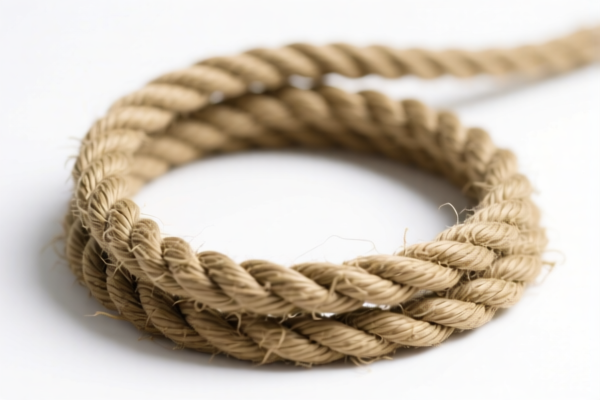

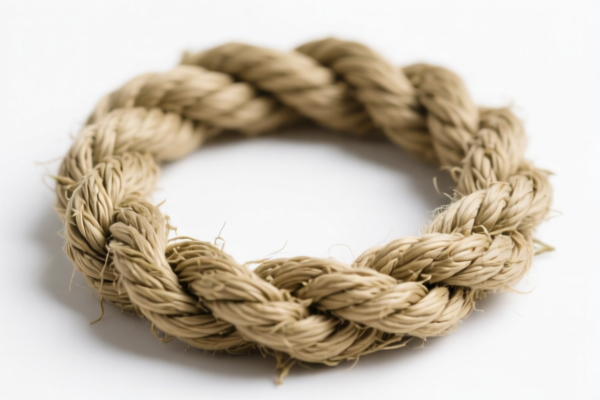
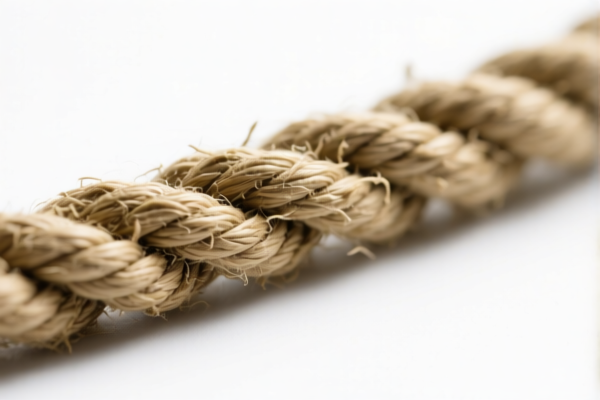
AI Analysis
🧵 Hemp Rope, Ropes & Cables (Natural Fiber)
🌐 HS Code Reference & Customs Clearance Guide | 2026 Latest Tariff Analysis | Professional Strategy
📌 I. Product Definition: What Exactly is "Hemp Rope"?
Hemp rope, broadly categorized as "Ropes, Cordage, Twine, and Nets," refers to products made from twisted or plaited natural fibers (specifically hemp/bast fibers in this context). In international trade, the classification hinges on material composition (natural vs. synthetic) and processing method (braided, twisted, or woven).
Key Classification Distinctions: * Twisted/Plaited Ropes (Ch. 56): If the hemp fibers are spun into yarn and then twisted or plaited into ropes/cables, they typically fall under Chapter 56. * Woven Mats/Braids (Ch. 46): If the hemp is processed into strips or mats and then woven into a flat or semi-flat structure (often for crafts or packaging), it may fall under Chapter 46. * Yarns (Ch. 53): If the product is sold as raw textile yarns rather than finished ropes, it falls under Chapter 53.
⚠️ Critical Differentiation:
- Finished Ropes/Cables (Twisted/Plaited) → Usually HS 5607 or 5607.90.
- Woven Natural Fiber Mats/Braids → HS 4601.
- Textile Yarns (Unfinished) → HS 5308.
📦 II. HS Code Classification Matrix (2026 Data Source)
Based on the provided <DATA> source, here are the specific HS Codes and their corresponding tax implications for Hemp Rope/Ropes/Cables. Note that duplicates in the source data indicate consensus or multiple valid descriptors for the same code.
| HS Code | Summary/Description | Material/Shape Logic | Total Tax Rate |
|---|---|---|---|
| 5607.90.90.00 | Ropes, Cords, and Cables (Other) | Matches the shape of ropes/cables; defined as "Other" category under Chapter 56. Fits natural fiber rope descriptions. | 41.3% |
| 5607.90.10.00 | Matching Shape & Reasonable Inference | Matches shape; material reasonably inferred to be hemp fibers. | 35.0% |
| 5308.90.90.00 | Vegetable Fiber Textile Yarns | Classified as "Plant fiber textile yarns" (Other). Treats hemp as a raw textile yarn rather than a finished rope. | 17.5% |
| 4601.99.90.00 | Woven Materials & Similar Articles | Classified as "Woven materials and similar articles" (Other). Treats hemp as a woven natural fiber material. | 38.3% |
🔍 Key Insight:
- The lowest tax rate (17.5%) applies if classified as Textile Yarns (5308.90.90.00).
- The highest tax rate (41.3%) applies if classified as Other Ropes/Cables (5607.90.90.00).
- Classification depends heavily on the physical state of the product at import: Is it a twisted rope (Ch 56), a woven mat (Ch 46), or raw yarn (Ch 53)?
💰 III. Detailed Tariff Breakdown (US Imports from China)
✅ Applicable Country: United States (US)
✅ Origin: China (CN)
✅ Effective Time: Current rates include Section 301 and Section 122 tariffs.
🎯 1. 5607.90.90.00 – Ropes, Cords, and Cables (Other)
Most common for finished hemp ropes/cables.
| Item | Content |
|---|---|
| Base Tariff | 6.3% |
| Section 301 Tariff | 25.0% |
| Section 122 Tariff | 10.0% |
| Total Effective Rate | 41.3% |
| Tax Calculation | CIF Value × 41.3% |
| De Minimis Exemption | ❌ Not Applicable (High rate prevents de minimis benefit) |
| Legal Basis | HTSUS:5607.90.90.00 + Section 301 (25%) + Section 122 (10%) |
📌 Explanation:
- This is the standard classification for finished ropes not specifically listed elsewhere.
- The 35% surcharge (25% + 10%) is punitive, making this category expensive.
- Warning: Do not under-declare; US Customs (CBP) strictly enforces Section 301 on natural fiber ropes from China.
🎯 2. 5607.90.10.00 – Ropes, Cords, and Cables (Specific Sub-category)
May apply if specific structural criteria are met.
| Item | Content |
|---|---|
| Base Tariff | 0.0% |
| Section 301 Tariff | 25.0% |
| Section 122 Tariff | 10.0% |
| Total Effective Rate | 35.0% |
| Tax Calculation | CIF Value × 35.0% |
| De Minimis Exemption | ❌ Not Applicable |
| Legal Basis | HTSUS:5607.90.10.00 + Section 301 (25%) + Section 122 (10%) |
📌 Note:
- Even with a 0% base tariff, the 35% surcharge remains.
- This code may require stricter proof of "matching shape" and "material inference."
🎯 3. 5308.90.90.00 – Other Vegetable Fiber Textile Yarns
Strategic Classification for Lower Tax.
| Item | Content |
|---|---|
| Base Tariff | 0.0% |
| Section 301 Tariff | 7.5% |
| Section 122 Tariff | 10.0% |
| Total Effective Rate | 17.5% |
| Tax Calculation | CIF Value × 17.5% |
| De Minimis Exemption | ❌ Not Applicable (Still high, but lower than 41.3%) |
| Legal Basis | HTSUS:5308.90.90.00 + Section 301 (7.5%) + Section 122 (10%) |
📌 Strategic Insight:
- This is the LOWEST tax rate option.
- Applicability: Only use if the product is technically textile yarn (e.g., hemp twine, raw hemp strands) and not a finished "rope" or "cable."
- Risk: If the product is clearly a finished rope, misclassifying as yarn leads to penalties, back-duties, and seizure. Use only if the product definition allows (e.g., un-twisted or loosely plaited yarns).
🎯 4. 4601.99.90.00 – Woven Mats/Braids (Other)
For Woven Hemp Products.
| Item | Content |
|---|---|
| Base Tariff | 3.3% |
| Section 301 Tariff | 25.0% |
| Section 122 Tariff | 10.0% |
| Total Effective Rate | 38.3% |
| Tax Calculation | CIF Value × 38.3% |
| De Minimis Exemption | ❌ Not Applicable |
| Legal Basis | HTSUS:4601.99.90.00 + Section 301 (25%) + Section 122 (10%) |
📌 Note:
- Applies to woven natural fiber materials (e.g., hemp mats, braided strips).
- Tax rate is high due to Section 301 and 122 tariffs.
🛠️ IV. Customs Clearance Best Practices
✅ 1. Documentation Checklist (Non-Negotiable)
| Document | Required? | Notes |
|---|---|---|
| Commercial Invoice | ✔️ | Must clearly state "Hemp Rope" or "Vegetable Fiber Yarn" and HS Code. |
| Packing List | ✔️ | Detail weight, dimensions, and quantity. |
| Product Specification Sheet | ✔️ | Crucial: Describe structure (twisted, plaited, woven, yarn). |
| Material Composition Statement | ✔️ | Specify % of Hemp vs. other fibers. Must confirm 100% Hemp or natural blend. |
| Photo of Product | ✔️ | Show cross-section (twist direction), ends, and labeling. |
| USPHS Form 4 (if applicable) | ✔️ | If hemp rope is used for agricultural/marine purposes, verify phytosanitary rules. |
✅ 2. Classification Strategy & Tips
🔥 "Shape Defines Code: Twisted = 5607, Woven = 4601, Yarn = 5308"
| Scenario | Recommended HS Code | Tax Rate | Reason |
|---|---|---|---|
| Finished Hemp Rope (Twisted/Plaited) | 5607.90.90.00 |
41.3% | Standard for ropes/cables. |
| Hemp Twine/Yarn (Unfinished/Loose) | 5308.90.90.00 |
17.5% | Lowest Tax. Use only if product qualifies as "yarn." |
| Hemp Mats/Braids (Woven) | 4601.99.90.00 |
38.3% | For woven structures, not twisted ropes. |
| Specific Sub-category Ropes | 5607.90.10.00 |
35.0% | If specific structural criteria are met. |
✅ 3. Common Pitfalls & Risks
❌ Pitfall 1: Misclassifying Yarn as Rope
👉 If you ship hemp yarn but declare it as "Rope" (HS 5607), you pay 41.3% instead of 17.5%.
✅ Fix: Ensure product description matches the physical state. If it’s yarn, declare as yarn.
❌ Pitfall 2: Misclassifying Rope as Yarn
👉 If you ship finished ropes but declare as "Yarn" (HS 5308), CBP will audit, deny entry, and assess penalties.
✅ Fix: Do not use HS 5308 for finished ropes. Only use for raw or semi-processed yarns.
❌ Pitfall 3: Ignoring Section 122 Tariffs
👉 Section 122 tariffs (10%) apply to many natural fiber products from China.
✅ Fix: Always include the 10% surcharge in cost calculations.
❌ Pitfall 4: Vague Product Descriptions
👉 "Hemp Product" is unacceptable.
✅ Fix: Use precise terms: "Twisted Hemp Rope, 1/2 inch diameter, 100% Natural Hemp."
🌍 V. Global Market Comparison (2026)
| Market | Recommended HS Code | Base Tariff | US Surcharge (China Origin) | Total Effective Rate | Notes |
|---|---|---|---|---|---|
| 🇺🇸 USA | 5607.90.90.00 |
6.3% | 35% (301 + 122) | 41.3% | Highest cost. Verify if yarn classification (17.5%) is viable. |
| 🇪🇺 EU | 5607.90.90 |
~6-10% | 0% | ~6-10% | No Section 301/122. More favorable. |
| 🇬🇧 UK | 5607.90.90 |
~6-10% | 0% | ~6-10% | Post-Brexit, similar to EU. |
| 🇨🇳 China | 5607.90.90 |
5-10% | 0% | ~5-10% | Import into China has lower duties. |
📌 Conclusion:
- US Market: High tariffs (35-41%) make hemp rope from China expensive.
- Strategy: If possible, structure the product as textile yarn (HS 5308) to reduce tax to 17.5%.
- Alternative: Source from non-China origins (e.g., Vietnam, India) to avoid US surcharges.
📌 VI. Final Recommendations
✅ Do:
1. Verify Product State: Is it yarn, rope, or woven material? Choose HS code accordingly.
2. Use HS 5308.90.90.00 if Possible: It offers the lowest tax rate (17.5%) for hemp products.
3. Provide Detailed Specs: Include cross-section photos and material composition.
4. Check Section 122 Applicability: Confirm if your specific hemp product is exempt from the 10% Section 122 tariff.
❌ Don't:
1. Ignore Surcharges: Always calculate with 35-41% total tax for US imports.
2. Misrepresent Product: Do not call finished rope "yarn" to save tax; CBP will catch it.
3. Overlook Packaging: Ensure hemp is clean and free of soil/pests (phytosanitary rules).
🎯 VII. Summary Table for Quick Reference
| Product Type | HS Code | Total Tax Rate (US) | Best For |
|---|---|---|---|
| Hemp Yarn/Twine | 5308.90.90.00 |
17.5% | ✅ Lowest Tax |
| Specific Ropes | 5607.90.10.00 |
35.0% | Niche Structural Criteria |
| Woven Hemp Mats | 4601.99.90.00 |
38.3% | Woven Products |
| General Hemp Rope | 5607.90.90.00 |
41.3% | ✅ Most Common |
✨ Pro Tip:
"Structure is King! If it’s twisty, it’s 5607. If it’s loose, it’s 5308. If it’s woven, it’s 4601. Choose wisely to save 20%+ in taxes!"
📞 Action Item:
📄 Consult a Customs Broker: Before shipping, verify if your hemp product qualifies for HS 5308.90.90.00 to leverage the 17.5% rate.
📦 Prepare Documentation: Ensure your invoice and packing list reflect the exact physical state (yarn vs. rope).
💡 Consider Sourcing: If US tariffs are prohibitive, explore alternative origins or product structures.
✨ Accurate Classification Saves Money!
💼 Your Hemp Rope, Your Strategy, Your Savings!
Customer Reviews
About HS Code Classification
The Harmonized System (HS) is an internationally standardized nomenclature developed by the World Customs Organization (WCO) to classify traded products. Over 200 countries use the HS system as the basis for customs tariffs, trade statistics, and import/export regulations.
Each HS code follows a hierarchical structure:
- Chapter (2 digits) — Broad category of goods (e.g., Chapter 84: Machinery and Mechanical Appliances)
- Heading (4 digits) — More specific grouping within the chapter
- Subheading (6 digits) — Internationally standardized breakdown, used by all WCO member countries
- National subdivisions (8-10 digits) — Country-specific extensions for further classification, such as US HTSUS 10-digit codes
Correct HS code classification is essential for smooth customs clearance, accurate duty payment, and compliance with trade regulations. Misclassification can lead to customs delays, overpayment of duties, or penalties.
When importing from CN to US, the applicable tariff rates may include:
- Most-Favored-Nation (MFN) rate — The standard duty rate applied to WTO members
- General rate — Applied to countries without trade agreements
- Trade remedy duties — Additional tariffs such as Section 301 (anti-dumping), Section 232 (national security), or countervailing duties
The information provided on this page is for reference purposes only. For official classification, please consult with your local customs authority or a licensed customs broker.