High Strength Leather Belt
CN → US| HS编码 | 关税税率 | 原产国 | 目的国 | 文档 |
|---|---|---|---|---|
| 4205008000 | 35.0% | CN | US | 官方文档 |
| 4203300000 | 37.7% | CN | US | 官方文档 |
| 4203406000 | 35.0% | CN | US | 官方文档 |
商品图片
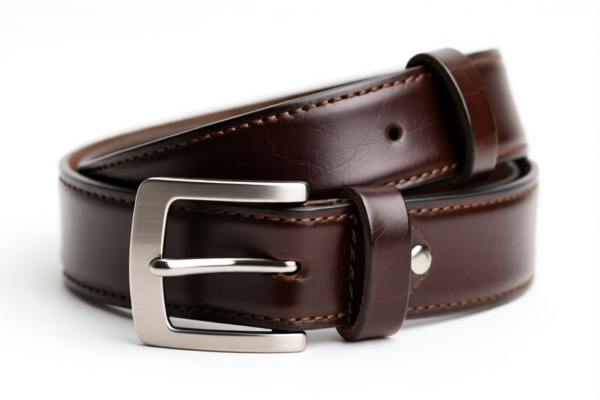
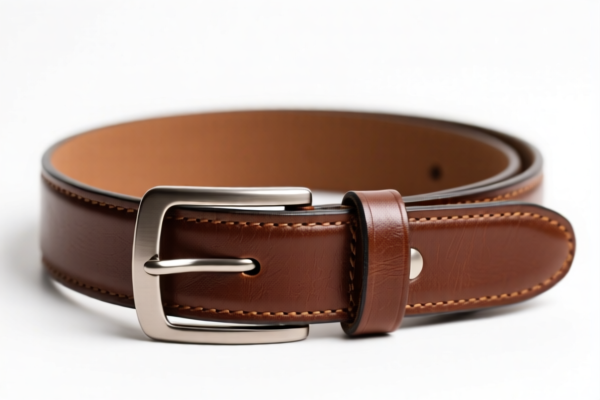
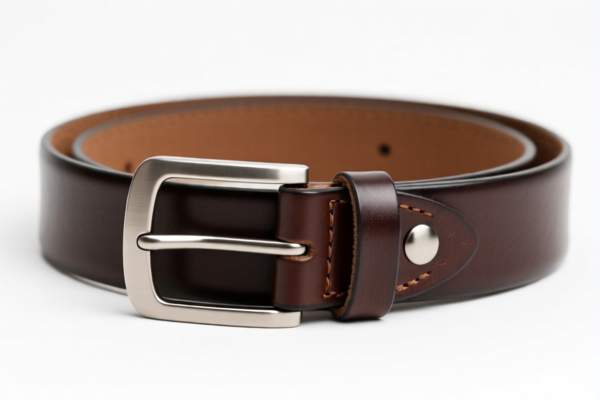
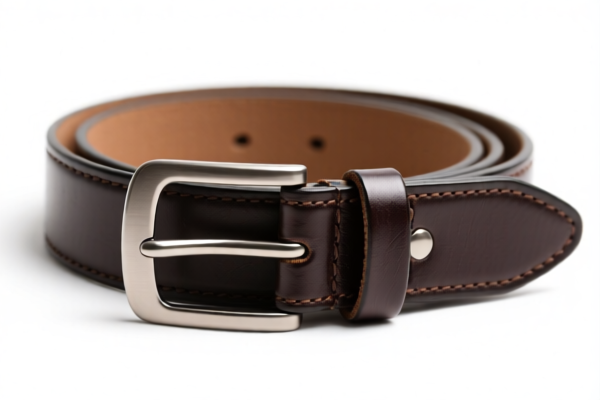
AI分析
🎒 High Strength Leather Belt (Robust Fashion Accessory)
🌐 HS Code Reference & Customs Clearance Guide | 2026 Latest Tariff Analysis | Professional Level Strategy
📌 I. Product Definition & Classification: What is a "High Strength Leather Belt"?
A "High Strength Leather Belt" refers to a belt primarily made of leather, designed for durability and load-bearing capacity (often used for workwear, hiking, or heavy-duty fashion). In international trade, the key to classification lies in distinguishing whether it is classified as a "garment accessory" or an "other leather article."
Two Main Categories: 1. Garment Accessories (Section 4203): Belts specifically designed as fasteners for clothing (trousers, skirts). 2. Other Leather Articles (Section 4205): General-purpose leather goods, including belts not strictly categorized as garment accessories, or those considered "other."
⚠️ Key Distinction Point:
- If the belt is clearly intended as a clothing fastener (e.g., trouser belt) → Often falls under 4203 (Garment Accessories).
- If the belt is a general leather good (e.g., heavy-duty, industrial, or generic "leather belt" without specific garment context) → Often falls under 4205 (Other Leather Articles).
- Note: Some 4203 subheadings may exclude specific types, pushing them to 4205, or vice versa based on exact material composition and hardware.
📦 II. HS Code Classification Details (2026 Latest Tariff Authority Comparison)
| HS Code | Product Description | Application Scenario | Basis from Data |
|---|---|---|---|
4205.00.80.00 |
Other articles of leather or composition leather | General leather belts, heavy-duty belts, non-garment specific | ✅ Matches: "Leather" material; "Belt" fits "Other leather articles" |
4203.30.00.00 |
Belts and bands of leather | Garment accessories, clothing fasteners | ✅ Matches: Leather material + Belt use = Leather garment accessories |
4203.40.60.00 |
Other garments and accessories, of leather | Other leather garment accessories | ✅ Matches: Leather material; Belt = "Other garment accessory" |
🔍 Critical Note:
-4203.30.00.00is the most precise for clothing belts made of leather.
-4205.00.80.00is a broader category for other leather goods, including belts that might not fit strictly into "garment accessories" or are considered generic leather products.
-4203.40.60.00covers other leather garment accessories, which can include belts if not specified in4203.30.
- Tariff Impact: The choice of HS Code significantly affects the total tax rate due to differences in Base Tariff and Additional Tariffs.
💰 III. 2026 Latest Tariff Rate Details (Including Surtaxes & Policy Add-ons)
✅ Applicable Country: United States (US)
✅ Country of Origin: China (CN)
✅ Effective Date: Post-November 2025 (Current Trade Environment)
🎯 1. 4205.00.80.00 —— Other Articles of Leather (General Leather Belt)
| Item | Content |
|---|---|
| Base Tariff | 0.0% |
| Additional Tariff (Section 301) | +25.0% |
| Section 122 Tariff | +10.0% |
| Total Tax Rate | 35.0% |
| Tax Calculation | CIF Value × 35% |
| De Minimis Exemption | ❌ Not Eligible (Subject to scrutiny) |
| Legal Basis Path | USITC:4205.00.80.00 → Section 301: 25% → Section 122: 10% |
📌 Explanation:
- 0% Base Tariff: General duty for many leather articles.
- 25% Section 301 Tariff: Applied to Chinese-origin goods under US Trade Act Section 301.
- 10% Section 122 Tariff: Additional tariff under Section 122 of the Trade Expansion Act (often applied to specific imports).
- Total 35%: High impact on cost. No de minimis exemption means even small shipments are taxed.
🎯 2. 4203.30.00.00 —— Belts and Bands of Leather (Garment Accessory)
| Item | Content |
|---|---|
| Base Tariff | 2.7% |
| Additional Tariff (Section 301) | +25.0% |
| Section 122 Tariff | +10.0% |
| Total Tax Rate | 37.7% |
| Tax Calculation | CIF Value × 37.7% |
| De Minimis Exemption | ❌ Not Eligible |
| Legal Basis Path | USITC:4203.30.00.00 → Section 301: 25% → Section 122: 10% |
📌 Note:
- 2.7% Base Tariff: Slightly higher than4205due to specific classification.
- Same Surtaxes: 25% + 10% apply, leading to the highest total rate (37.7%).
- Precision Risk: This code is very specific to "belts and bands." Misclassification here can lead to penalties.
🎯 3. 4203.40.60.00 —— Other Garments and Accessories, of Leather
| Item | Content |
|---|---|
| Base Tariff | 0.0% |
| Additional Tariff (Section 301) | +25.0% |
| Section 122 Tariff | +10.0% |
| Total Tax Rate | 35.0% |
| Tax Calculation | CIF Value × 35% |
| De Minimis Exemption | ❌ Not Eligible |
| Legal Basis Path | USITC:4203.40.60.00 → Section 301: 25% → Section 122: 10% |
📌 Explanation:
- 0% Base Tariff: Same as4205.00.80.00.
- 35% Total Rate: Competitive compared to4203.30.
- Broad Category: "Other garment accessories" allows more flexibility than "Belts and Bands."
🛠️ IV. Customs Clearance Practical Advice (Avoid Pitfalls)
✅ 1. Documentation Checklist (All Required)
| Document | Required | Notes |
|---|---|---|
| ✅ Product Specification Sheet | ✔️ | Must state material (100% Leather, Genuine, etc.) and usage (Belt, Accessory) |
| ✅ Product Photos | ✔️ | Clear images of the belt, buckle, and any labels |
| ✅ Commercial Invoice | ✔️ | Accurately describe item as "Leather Belt" or "Leather Garment Accessory" |
| ✅ Packing List | ✔️ | Detail quantity, weight, and packaging |
| ✅ Origin Certificate (CO) | ✔️ | If applicable for other markets, but for US, origin is key for surtaxes |
✅ 2. Classification Strategy (Key Rules)
🔥 "Material First, Use Second. Be Specific, Avoid Ambiguity."
| Scenario | Recommended HS Code | Risk |
|---|---|---|
| Standard Trouser Belt | 4203.30.00.00 |
Highest tax (37.7%), but most accurate. |
| General/Heavy-Duty Leather Belt | 4205.00.80.00 |
Lower tax (35%), broader category, safer if not strictly a garment accessory. |
| Fashion/Other Leather Accessory | 4203.40.60.00 |
Lower tax (35%), flexible classification for non-standard belts. |
| Non-Leather Belt (Synthetic) | N/A (Not in Data) | Would fall under different codes (e.g., 4202/4205 of synthetic materials). |
⚠️ Warning:
- Do not misdeclare a4203.30item as4205to save 2.7% base tax. Customs may audit and impose penalties + back taxes.
- Ensure the description matches the HS Code. "Leather Belt" under4205.00.80.00is acceptable if framed as "other leather article."
✅ 3. Special Circumstances
| Scenario | Advice |
|---|---|
| OEM/Custom Belts | Provide design specs to prove material and intended use. |
| Belt with Metal Buckle | Still classified under leather if leather is the primary material. |
| Sample Shipments | Even small quantities are subject to full tariffs (no de minimis). |
| Transshipment | Ensure origin is clearly China to apply correct surtaxes. |
🌍 V. Global Market Comparison (2026 Latest)
| Country/Region | Recommended HS Code | Base Tariff | Surtaxes (China) | Total Rate | Notes |
|---|---|---|---|---|---|
| 🇺🇸 USA | 4205.00.80.00 / 4203.30.00.00 |
0% / 2.7% | +25% (301) + 10% (122) | 35.0% / 37.7% | High barriers, strict origin checks. |
| 🇨🇳 China | 4205.00.80.00 / 4203.30.00.00 |
Varies | None | Low | Import duties apply, but no US surtaxes. |
| 🇪🇺 EU | 4203.29 / 4205.00 |
4% - 12% | None | 4%-12% | No Section 301/122 equivalents. |
| 🇬🇧 UK | 4203.29 / 4205.00 |
4% - 12% | None | 4%-12% | Post-Brexit tariffs, no US surtaxes. |
| 🇨🇦 Canada | 4203.29 / 4205.00 |
3.5% - 18% | None | 3.5%-18% | FTA benefits if from Canada/Mexico. |
📌 Conclusion:
- The USA imposes the highest effective tariff on Chinese leather belts due to Section 301 and Section 122.
- For other markets, tariffs are significantly lower (4%-18%), making the US market more challenging.
📌 VI. Common Mistakes & Pitfalls (Lessons Learned)
❌ Mistake 1: Declaring all belts as 4203.30.00.00 without justification.
👉 Consequence: 37.7% tax rate, potentially overpaying if 4205.00.80.00 (35%) is more appropriate.
❌ Mistake 2: Using vague descriptions like "Fashion Accessory" for 4205.00.80.00.
👉 Consequence: Customs may reject the code, requiring reclassification and delays.
❌ Mistake 3: Ignoring Section 122 Tariff.
👉 Consequence: Underestimating total cost by 10%, leading to cash flow issues.
❌ Mistake 4: Assuming de minimis applies.
👉 Consequence: Seizure or penalty for undeclared high-value shipments.
✅ Best Practice:
"High-Strength Genuine Leather Belt, 1.5 inch Width, Used for Trousers, Made in China" → Choose
4203.30.00.00(37.7%) for precision, or4205.00.80.00(35%) if marketing as a general leather good.
🎯 VII. Conclusion: Professional Classification, Cost Optimization
🎯 Key Takeaways:
🔹 Total Tariff Range: 35.0% – 37.7% for China-origin leather belts entering the US.
🔹 Base Tariff Difference: 0% (4205/4203.40) vs. 2.7% (4203.30).
🔹 Surtaxes are Fixed: 25% (301) + 10% (122) apply to all.
🔹 Strategy: If the belt is a standard garment accessory,4203.30.00.00is safest. If it’s a general leather product,4205.00.80.00saves 2.7% on the base rate.
📌 Pro Tip:
Consider supply chain diversification (e.g., production in Vietnam or Mexico) to avoid Section 301/122 tariffs. Always apply for an Advance Ruling from US Customs to confirm HS Code validity.
📣 Action Item:
📞 Consult a licensed customs broker.
📄 Provide detailed product specs.
🚀 Optimize HS Code selection to minimize costs while ensuring compliance.
✨ Precision in Classification Saves Money!
💼 Every Percent Counts in Global Trade!
用户评价
关于 HS 编码归类
协调制度(HS)是由世界海关组织(WCO)制定的国际贸易商品分类标准。全球 200 多个国家采用 HS 系统作为海关关税、贸易统计和进出口监管的基础。
每个 HS 编码遵循以下层级结构:
- 章(2 位)——商品大类(例如:第 84 章:机器和机械设备)
- 品目(4 位)——章内的更具体分类
- 子目(6 位)——国际通用细分,所有 WCO 成员国统一使用
- 本国细分(8-10 位)——各国自行扩展的细分编码,如美国 HTSUS 10 位编码
正确的 HS 编码归类对于顺利通关、准确缴纳关税和遵守贸易法规至关重要。错误归类可能导致海关延误、多缴关税或罚款。
从CN进口到US时,适用的关税税率可能包括:
- 最惠国(MFN)税率——适用于 WTO 成员国的标准关税税率
- 普通税率——适用于无贸易协定国家
- 贸易救济关税——附加关税,如 301 条款(反倾销)、232 条款(国家安全)或反补贴税
本页内容仅供参考。如需正式归类,请咨询当地海关或持牌报关代理。