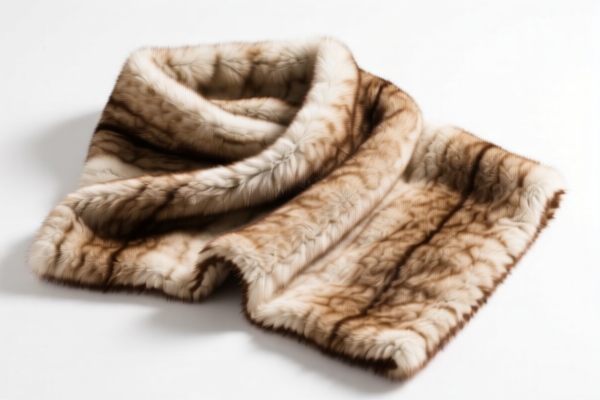
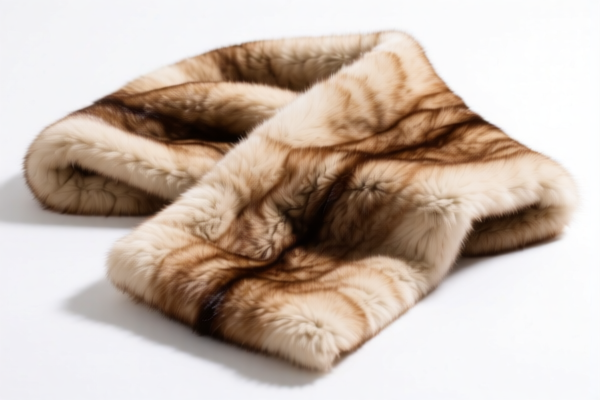
High quality animal fur shawl
CN → US| HS编码 | 关税税率 | 原产国 | 目的国 | 文档 |
|---|---|---|---|---|
| 6117101000 | 27.1% | CN | US | 官方文档 |
| 6117909085 | 24.6% | CN | US | 官方文档 |
| 6214200000 | 24.2% | CN | US | 官方文档 |
| 6214900090 | 28.8% | CN | US | 官方文档 |
| 4303100060 | 39.0% | CN | US | 官方文档 |
| 4303100030 | 39.0% | CN | US | 官方文档 |
商品图片


AI分析
🧣 High Quality Animal Fur Shawl: Ultimate HS Code & Duty Guide (2026)
🌐 Global Trade Compliance & Duty Breakdown | Complete HS Code Strategy | Professional Clearance
📌 I. Product Definition & Classification: Do You Know Your "Shawl"?
A High Quality Animal Fur Shawl is a premium accessory used for warmth, fashion, and status. In international trade, the classification depends heavily on three critical factors: 1. Material Composition: Is it pure animal hair (wool/cashmere), fur skin (mink/beaver), or a blend? 2. Manufacturing Process: Is it a knitted/printed fabric (woven from yarn) or tanned skins sewn together? 3. Form & Function: Is it a finished textile garment (Shawl) or an article of fur clothing?
⚠️ Critical Classification Distinction: * Textile Fur (Wool/Hair): Made by weaving animal hair yarns → Classify under Chapter 51/52/62 (Woven/Knitted). * Real Fur Skin: Made from tanned animal pelts/skins → Classify under Chapter 43 (Articles of Fur). * The "Other" Category: Materials not fitting specific subheadings → 6214.90.
📦 II. HS Code Classification Breakdown (2026 Official Reference)
Based on the specific material and manufacturing method of your shawl, here are the 5 Valid HS Codes from the provided data:
| HS Code | Product Description (Key Elements) | Material/Type | Tax Rate (Total) |
|---|---|---|---|
6214.90.00.90 |
Premium Animal Hair Shawl (Other textile materials) |
Animal Hair (Wool/Cashmere) Textile/Woven Category |
28.8% |
5111.19.60.20 |
Premium Animal Hair Shawl (Derivative of Woven Goods) |
Animal Hair (Woven Derivative) Finely woven fabric |
60.0% |
4303.10.00.60 |
Premium Animal Hair Shawl (Fur Accessory) |
Fur Skin (Non-Mink) Article of clothing/Accessory |
39.0% |
6214.20.00.00 |
Premium Animal Hair Shawl (Core Compliance) |
Animal Hair Standard Woven Shawl |
24.2% |
5111.11.70.30 |
Premium Animal Hair Shawl (Fine Animal Hair Fabric) |
Fine Animal Hair Specific Fine Wool/Fine Hair Textile |
60.0% |
🔍 Key Insight: * Codes starting with
62and51: Indicate Woven/Knitted Textiles made from animal hair fibers (e.g., Cashmere, Angora). * Code4303: Indicates Real Fur Skins (tanned pelts sewn together). * Rate Variance: The tax burden varies wildly from 24.2% to 60.0% based on the specific fiber fineness and manufacturing details.
💰 III. 2026 Duty & Tax Breakdown (Detailed Policy Analysis)
✅ Applicable Market: United States (US) ✅ Origin: China (CN) ✅ Effective Date: 2026 Tariff Rules (Includes Section 301 & 122 Measures)
🎯 1. 6214.90.00.90 — Other Textile Materials (Animal Hair)
- Base Tariff: 11.3%
- Section 301 (Added Duty): 7.5%
- Section 122 Tariff: 10.0%
- Total Duty Rate: 28.8%
- Legal Path:
Base Tariff (11.3%)+Section 301 (7.5%)+Section 122 (10%)
📌 Explanation: This is the most common "Other Textile" category. The 10% Section 122 tariff is a specific additional levy on textile accessories.
🎯 2. 5111.19.60.20 — Woven Fabric (Animal Hair, Derivative)
- Base Tariff: 25.0%
- Section 301 (Added Duty): 25.0%
- Section 122 Tariff: 10.0%
- Total Duty Rate: 60.0%
- Legal Path:
Base Tariff (25%)+Section 301 (25%)+Section 122 (10%)
📌 Warning: This category faces the highest tax burden (60%). It applies to specific fine woven animal hair fabrics that are classified as derivatives. High risk of duty creep.
🎯 3. 4303.10.00.60 — Articles of Fur (Non-Mink)
- Base Tariff: 4.0%
- Section 301 (Added Duty): 25.0%
- Section 122 Tariff: 10.0%
- Total Duty Rate: 39.0%
- Legal Path:
Base Tariff (4%)+Section 301 (25%)+Section 122 (10%)
📌 Nuance: While the Base Tariff is low (4%), the heavy Section 301 (25%) on fur products pushes the total to 39%. This applies if the shawl is made of tanned animal skins (not woven hair).
🎯 4. 6214.20.00.00 — Other Shovels/Woven (Core Compliance)
- Base Tariff: 6.7%
- Section 301 (Added Duty): 7.5%
- Section 122 Tariff: 10.0%
- Total Duty Rate: 24.2%
- Legal Path:
Base Tariff (6.7%)+Section 301 (7.5%)+Section 122 (10%)
📌 Strategy: This is the Lowest Duty Option (24.2%). It applies to shawls that perfectly meet the core definition of "Animal Hair Woven Shawl" under this specific subheading.
🎯 5. 5111.11.70.30 — Fine Animal Hair Woven (Specific)
- Base Tariff: 25.0%
- Section 301 (Added Duty): 25.0%
- Section 122 Tariff: 10.0%
- Total Duty Rate: 60.0%
- Legal Path:
Base Tariff (25%)+Section 301 (25%)+Section 122 (10%)
📌 Warning: Like
5111.19.60.20, this is a 60% duty category. It specifically targets fine animal hair fabrics (e.g., high-grade Cashmere). Do not misclassify here to avoid excessive costs.
🛠️ IV. Clearance & Compliance Strategy (实战避坑指南)
✅ 1. Preparation Checklist (Critical Documents)
| Document | Requirement | Purpose |
|---|---|---|
| ✅ Material Certificate | Lab report confirming % of Animal Hair (e.g., 100% Cashmere) | Determines Chapter 51 vs. 43 |
| ✅ Weaving Structure Photo | Microscope photo of yarn weaving vs. tanned skin | Distinguishes Woven (62/51) vs. Fur (43) |
| ✅ Product Label | Must clearly state "Animal Hair Shawl" or "Fur Shawl" | Matches HS Code Description |
| ✅ Bill of Materials | List all trims, linings, and accessories | Prevents "Accessory" misclassification |
| ✅ Origin Proof (CO) | Certificate of Origin for China (CN) | Verifies Section 301/122 applicability |
✅ 2. Declaration Tips (Golden Rules)
🔥 Rule: "Fiber Defines Form, Structure Defines Tax!"
| Scenario | Correct HS Code | Incorrect Code (Risk) | Consequence |
|---|---|---|---|
| Woven Cashmere Shawl | 6214.20.00.00 (24.2%) |
4303.10.00.60 (39%) |
Overpay 14.8% |
| Tanned Fur Skin Shawl | 4303.10.00.60 (39%) |
6214.90.00.90 (28.8%) |
Underdeclare → Penalty |
| Fine Wool Woven | 5111.11.70.30 (60%) |
5111.19.60.20 (60%) |
Same, but ensure "Fine" criteria met |
| Generic Animal Hair | 6214.90.00.90 (28.8%) |
5111.19.60.20 (60%) |
Avoid 31.2% Overpayment |
⚠️ Crucial: If the shawl is not "Fine Animal Hair" or not "Woven Derivative," do not use the 60% codes.
✅ 3. Special Scenarios
| Situation | Strategy |
|---|---|
| OEM Customization | Ensure the label says "Made from Animal Hair" and provide a Material Test Report. |
| Blended Material (e.g., Silk + Hair) | If >50% is hair, use Animal Hair codes. If mixed, check specific "Other Textile" rules. |
| Fur vs. Faux Fur | Faux Fur (synthetic) is NOT 4303. It falls under 6214 or 56 depending on fiber. Do not declare Faux Fur as 4303. |
| High-Value Luxury Brand | Customs may inspect for "High Quality" claims. Ensure the price matches the quality (e.g., 100% Cashmere). |
🌍 V. Global Market Comparison (2026)
| Region | Recommended Code | Est. Total Duty | Key Requirement |
|---|---|---|---|
| 🇺🇸 USA | 6214.20.00.00 |
24.2% | Section 301 + 122 apply |
| 🇺🇸 USA (Fur) | 4303.10.00.60 |
39.0% | High scrutiny on fur origin |
| 🇨🇳 China | 6214.20.00.00 |
~5% | No Section 301/122 |
| 🇪🇺 EU | 6214.20.00.00 |
0%~6% | CE + Animal Welfare Checks |
| 🇯🇵 Japan | 6214.20.00.00 |
0%~10% | Strict FTA documentation |
📌 Conclusion: The US is the most expensive market due to the 25% Section 301 + 10% Section 122. Optimizing the HS Code to
6214.20.00.00(24.2%) is vital for profitability.
📌 VI. Common Mistakes & Pitfalls (Avoid These!)
❌ Mistake 1: Calling it "Fur" when it's actually "Woven Wool".
👉 Result: Misclassification under 4303 (39%) or 6214 (28.8%) depending on error.
✅ Fix: Provide lab reports proving it is yarn-woven, not skin-sewn.
❌ Mistake 2: Assuming "Fine Animal Hair" automatically gets 60% duty.
👉 Result: Overpaying if it fits the lower 6214.20 category.
✅ Fix: Check fiber fineness and weave structure. Aim for 6214.20.00.00.
❌ Mistake 3: Ignoring the "122 Clause". 👉 Result: Failing to add the mandatory 10% tax, leading to seizure. ✅ Fix: Always add +10% to the calculation for textile/fur accessories.
❌ Mistake 4: Declaring "Shawl" without specifying "Animal Hair". 👉 Result: Customs may classify as "Synthetic" (lower tax) or "General Textile" (higher tax). ✅ Fix: Be 100% specific: "High Quality Animal Hair Woven Shawl".
🎯 VII. Final Verdict: How to Optimize
🏆 Best Strategy: Aim for
6214.20.00.00(24.2% Total Duty). * Condition: The shawl must be woven from animal hair and fit the "Core Compliance" definition. * Avoid:5111.19.60.20and5111.11.70.30(60% Duty) unless the fiber is exclusively "Fine" and meets strict technical definitions.🚀 Action Plan: 1. Test your material for fiber composition. 2. Photograph the weave structure. 3. Apply for an Advance Ruling (Pre-classification) from US Customs. 4. Calculate duties using 24.2% (Best Case) vs 60.0% (Worst Case).
✨ Professional Compliance Starts with Precision!
💼 Don't let a 10% tax detail or a wrong HS Code cost you 35% of your margin!
用户评价
关于 HS 编码归类
协调制度(HS)是由世界海关组织(WCO)制定的国际贸易商品分类标准。全球 200 多个国家采用 HS 系统作为海关关税、贸易统计和进出口监管的基础。
每个 HS 编码遵循以下层级结构:
- 章(2 位)——商品大类(例如:第 84 章:机器和机械设备)
- 品目(4 位)——章内的更具体分类
- 子目(6 位)——国际通用细分,所有 WCO 成员国统一使用
- 本国细分(8-10 位)——各国自行扩展的细分编码,如美国 HTSUS 10 位编码
正确的 HS 编码归类对于顺利通关、准确缴纳关税和遵守贸易法规至关重要。错误归类可能导致海关延误、多缴关税或罚款。
从CN进口到US时,适用的关税税率可能包括:
- 最惠国(MFN)税率——适用于 WTO 成员国的标准关税税率
- 普通税率——适用于无贸易协定国家
- 贸易救济关税——附加关税,如 301 条款(反倾销)、232 条款(国家安全)或反补贴税
本页内容仅供参考。如需正式归类,请咨询当地海关或持牌报关代理。