High quality animal fur shawl
CN → US| HS Code | Tariff Rate | Origin | Destination | Doc |
|---|---|---|---|---|
| 6117101000 | 27.1% | CN | US | Official Doc |
| 6117909085 | 24.6% | CN | US | Official Doc |
| 6214200000 | 24.2% | CN | US | Official Doc |
| 6214900090 | 28.8% | CN | US | Official Doc |
| 4303100060 | 39.0% | CN | US | Official Doc |
| 4303100030 | 39.0% | CN | US | Official Doc |
Product Images
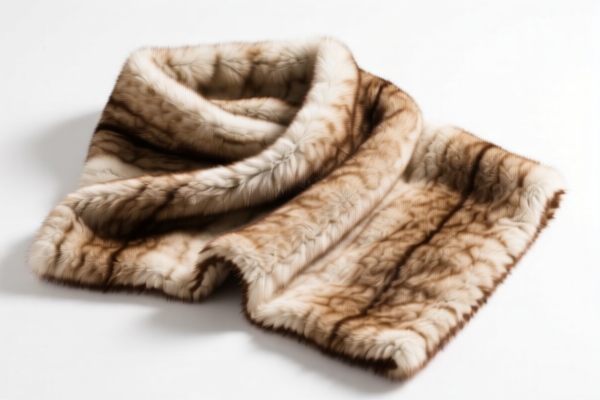
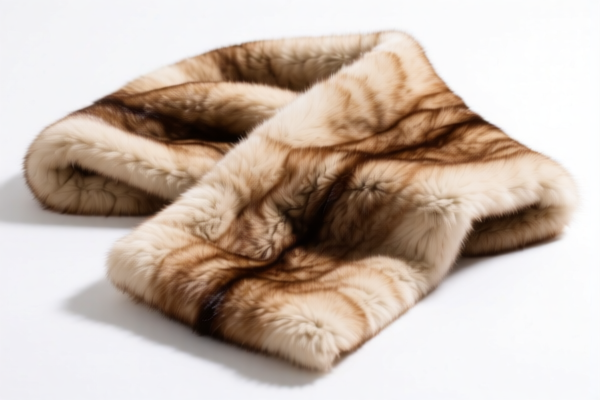


AI Analysis
🧣 High Quality Animal Fur Shawl: Ultimate HS Code & Duty Guide (2026)
🌐 Global Trade Compliance & Duty Breakdown | Complete HS Code Strategy | Professional Clearance
📌 I. Product Definition & Classification: Do You Know Your "Shawl"?
A High Quality Animal Fur Shawl is a premium accessory used for warmth, fashion, and status. In international trade, the classification depends heavily on three critical factors: 1. Material Composition: Is it pure animal hair (wool/cashmere), fur skin (mink/beaver), or a blend? 2. Manufacturing Process: Is it a knitted/printed fabric (woven from yarn) or tanned skins sewn together? 3. Form & Function: Is it a finished textile garment (Shawl) or an article of fur clothing?
⚠️ Critical Classification Distinction: * Textile Fur (Wool/Hair): Made by weaving animal hair yarns → Classify under Chapter 51/52/62 (Woven/Knitted). * Real Fur Skin: Made from tanned animal pelts/skins → Classify under Chapter 43 (Articles of Fur). * The "Other" Category: Materials not fitting specific subheadings → 6214.90.
📦 II. HS Code Classification Breakdown (2026 Official Reference)
Based on the specific material and manufacturing method of your shawl, here are the 5 Valid HS Codes from the provided data:
| HS Code | Product Description (Key Elements) | Material/Type | Tax Rate (Total) |
|---|---|---|---|
6214.90.00.90 |
Premium Animal Hair Shawl (Other textile materials) |
Animal Hair (Wool/Cashmere) Textile/Woven Category |
28.8% |
5111.19.60.20 |
Premium Animal Hair Shawl (Derivative of Woven Goods) |
Animal Hair (Woven Derivative) Finely woven fabric |
60.0% |
4303.10.00.60 |
Premium Animal Hair Shawl (Fur Accessory) |
Fur Skin (Non-Mink) Article of clothing/Accessory |
39.0% |
6214.20.00.00 |
Premium Animal Hair Shawl (Core Compliance) |
Animal Hair Standard Woven Shawl |
24.2% |
5111.11.70.30 |
Premium Animal Hair Shawl (Fine Animal Hair Fabric) |
Fine Animal Hair Specific Fine Wool/Fine Hair Textile |
60.0% |
🔍 Key Insight: * Codes starting with
62and51: Indicate Woven/Knitted Textiles made from animal hair fibers (e.g., Cashmere, Angora). * Code4303: Indicates Real Fur Skins (tanned pelts sewn together). * Rate Variance: The tax burden varies wildly from 24.2% to 60.0% based on the specific fiber fineness and manufacturing details.
💰 III. 2026 Duty & Tax Breakdown (Detailed Policy Analysis)
✅ Applicable Market: United States (US) ✅ Origin: China (CN) ✅ Effective Date: 2026 Tariff Rules (Includes Section 301 & 122 Measures)
🎯 1. 6214.90.00.90 — Other Textile Materials (Animal Hair)
- Base Tariff: 11.3%
- Section 301 (Added Duty): 7.5%
- Section 122 Tariff: 10.0%
- Total Duty Rate: 28.8%
- Legal Path:
Base Tariff (11.3%)+Section 301 (7.5%)+Section 122 (10%)
📌 Explanation: This is the most common "Other Textile" category. The 10% Section 122 tariff is a specific additional levy on textile accessories.
🎯 2. 5111.19.60.20 — Woven Fabric (Animal Hair, Derivative)
- Base Tariff: 25.0%
- Section 301 (Added Duty): 25.0%
- Section 122 Tariff: 10.0%
- Total Duty Rate: 60.0%
- Legal Path:
Base Tariff (25%)+Section 301 (25%)+Section 122 (10%)
📌 Warning: This category faces the highest tax burden (60%). It applies to specific fine woven animal hair fabrics that are classified as derivatives. High risk of duty creep.
🎯 3. 4303.10.00.60 — Articles of Fur (Non-Mink)
- Base Tariff: 4.0%
- Section 301 (Added Duty): 25.0%
- Section 122 Tariff: 10.0%
- Total Duty Rate: 39.0%
- Legal Path:
Base Tariff (4%)+Section 301 (25%)+Section 122 (10%)
📌 Nuance: While the Base Tariff is low (4%), the heavy Section 301 (25%) on fur products pushes the total to 39%. This applies if the shawl is made of tanned animal skins (not woven hair).
🎯 4. 6214.20.00.00 — Other Shovels/Woven (Core Compliance)
- Base Tariff: 6.7%
- Section 301 (Added Duty): 7.5%
- Section 122 Tariff: 10.0%
- Total Duty Rate: 24.2%
- Legal Path:
Base Tariff (6.7%)+Section 301 (7.5%)+Section 122 (10%)
📌 Strategy: This is the Lowest Duty Option (24.2%). It applies to shawls that perfectly meet the core definition of "Animal Hair Woven Shawl" under this specific subheading.
🎯 5. 5111.11.70.30 — Fine Animal Hair Woven (Specific)
- Base Tariff: 25.0%
- Section 301 (Added Duty): 25.0%
- Section 122 Tariff: 10.0%
- Total Duty Rate: 60.0%
- Legal Path:
Base Tariff (25%)+Section 301 (25%)+Section 122 (10%)
📌 Warning: Like
5111.19.60.20, this is a 60% duty category. It specifically targets fine animal hair fabrics (e.g., high-grade Cashmere). Do not misclassify here to avoid excessive costs.
🛠️ IV. Clearance & Compliance Strategy (实战避坑指南)
✅ 1. Preparation Checklist (Critical Documents)
| Document | Requirement | Purpose |
|---|---|---|
| ✅ Material Certificate | Lab report confirming % of Animal Hair (e.g., 100% Cashmere) | Determines Chapter 51 vs. 43 |
| ✅ Weaving Structure Photo | Microscope photo of yarn weaving vs. tanned skin | Distinguishes Woven (62/51) vs. Fur (43) |
| ✅ Product Label | Must clearly state "Animal Hair Shawl" or "Fur Shawl" | Matches HS Code Description |
| ✅ Bill of Materials | List all trims, linings, and accessories | Prevents "Accessory" misclassification |
| ✅ Origin Proof (CO) | Certificate of Origin for China (CN) | Verifies Section 301/122 applicability |
✅ 2. Declaration Tips (Golden Rules)
🔥 Rule: "Fiber Defines Form, Structure Defines Tax!"
| Scenario | Correct HS Code | Incorrect Code (Risk) | Consequence |
|---|---|---|---|
| Woven Cashmere Shawl | 6214.20.00.00 (24.2%) |
4303.10.00.60 (39%) |
Overpay 14.8% |
| Tanned Fur Skin Shawl | 4303.10.00.60 (39%) |
6214.90.00.90 (28.8%) |
Underdeclare → Penalty |
| Fine Wool Woven | 5111.11.70.30 (60%) |
5111.19.60.20 (60%) |
Same, but ensure "Fine" criteria met |
| Generic Animal Hair | 6214.90.00.90 (28.8%) |
5111.19.60.20 (60%) |
Avoid 31.2% Overpayment |
⚠️ Crucial: If the shawl is not "Fine Animal Hair" or not "Woven Derivative," do not use the 60% codes.
✅ 3. Special Scenarios
| Situation | Strategy |
|---|---|
| OEM Customization | Ensure the label says "Made from Animal Hair" and provide a Material Test Report. |
| Blended Material (e.g., Silk + Hair) | If >50% is hair, use Animal Hair codes. If mixed, check specific "Other Textile" rules. |
| Fur vs. Faux Fur | Faux Fur (synthetic) is NOT 4303. It falls under 6214 or 56 depending on fiber. Do not declare Faux Fur as 4303. |
| High-Value Luxury Brand | Customs may inspect for "High Quality" claims. Ensure the price matches the quality (e.g., 100% Cashmere). |
🌍 V. Global Market Comparison (2026)
| Region | Recommended Code | Est. Total Duty | Key Requirement |
|---|---|---|---|
| 🇺🇸 USA | 6214.20.00.00 |
24.2% | Section 301 + 122 apply |
| 🇺🇸 USA (Fur) | 4303.10.00.60 |
39.0% | High scrutiny on fur origin |
| 🇨🇳 China | 6214.20.00.00 |
~5% | No Section 301/122 |
| 🇪🇺 EU | 6214.20.00.00 |
0%~6% | CE + Animal Welfare Checks |
| 🇯🇵 Japan | 6214.20.00.00 |
0%~10% | Strict FTA documentation |
📌 Conclusion: The US is the most expensive market due to the 25% Section 301 + 10% Section 122. Optimizing the HS Code to
6214.20.00.00(24.2%) is vital for profitability.
📌 VI. Common Mistakes & Pitfalls (Avoid These!)
❌ Mistake 1: Calling it "Fur" when it's actually "Woven Wool".
👉 Result: Misclassification under 4303 (39%) or 6214 (28.8%) depending on error.
✅ Fix: Provide lab reports proving it is yarn-woven, not skin-sewn.
❌ Mistake 2: Assuming "Fine Animal Hair" automatically gets 60% duty.
👉 Result: Overpaying if it fits the lower 6214.20 category.
✅ Fix: Check fiber fineness and weave structure. Aim for 6214.20.00.00.
❌ Mistake 3: Ignoring the "122 Clause". 👉 Result: Failing to add the mandatory 10% tax, leading to seizure. ✅ Fix: Always add +10% to the calculation for textile/fur accessories.
❌ Mistake 4: Declaring "Shawl" without specifying "Animal Hair". 👉 Result: Customs may classify as "Synthetic" (lower tax) or "General Textile" (higher tax). ✅ Fix: Be 100% specific: "High Quality Animal Hair Woven Shawl".
🎯 VII. Final Verdict: How to Optimize
🏆 Best Strategy: Aim for
6214.20.00.00(24.2% Total Duty). * Condition: The shawl must be woven from animal hair and fit the "Core Compliance" definition. * Avoid:5111.19.60.20and5111.11.70.30(60% Duty) unless the fiber is exclusively "Fine" and meets strict technical definitions.🚀 Action Plan: 1. Test your material for fiber composition. 2. Photograph the weave structure. 3. Apply for an Advance Ruling (Pre-classification) from US Customs. 4. Calculate duties using 24.2% (Best Case) vs 60.0% (Worst Case).
✨ Professional Compliance Starts with Precision!
💼 Don't let a 10% tax detail or a wrong HS Code cost you 35% of your margin!
Customer Reviews
About HS Code Classification
The Harmonized System (HS) is an internationally standardized nomenclature developed by the World Customs Organization (WCO) to classify traded products. Over 200 countries use the HS system as the basis for customs tariffs, trade statistics, and import/export regulations.
Each HS code follows a hierarchical structure:
- Chapter (2 digits) — Broad category of goods (e.g., Chapter 84: Machinery and Mechanical Appliances)
- Heading (4 digits) — More specific grouping within the chapter
- Subheading (6 digits) — Internationally standardized breakdown, used by all WCO member countries
- National subdivisions (8-10 digits) — Country-specific extensions for further classification, such as US HTSUS 10-digit codes
Correct HS code classification is essential for smooth customs clearance, accurate duty payment, and compliance with trade regulations. Misclassification can lead to customs delays, overpayment of duties, or penalties.
When importing from CN to US, the applicable tariff rates may include:
- Most-Favored-Nation (MFN) rate — The standard duty rate applied to WTO members
- General rate — Applied to countries without trade agreements
- Trade remedy duties — Additional tariffs such as Section 301 (anti-dumping), Section 232 (national security), or countervailing duties
The information provided on this page is for reference purposes only. For official classification, please consult with your local customs authority or a licensed customs broker.