Home Vehicle Refurbished Rubber Tires
CN → US| HS编码 | 关税税率 | 原产国 | 目的国 | 文档 |
|---|---|---|---|---|
| 4012909000 | 37.7% | CN | US | 官方文档 |
| 4005910000 | 35.0% | CN | US | 官方文档 |
| 4006901000 | 35.0% | CN | US | 官方文档 |
| 4012904500 | 39.2% | CN | US | 官方文档 |
| 4005200000 | 35.0% | CN | US | 官方文档 |
商品图片
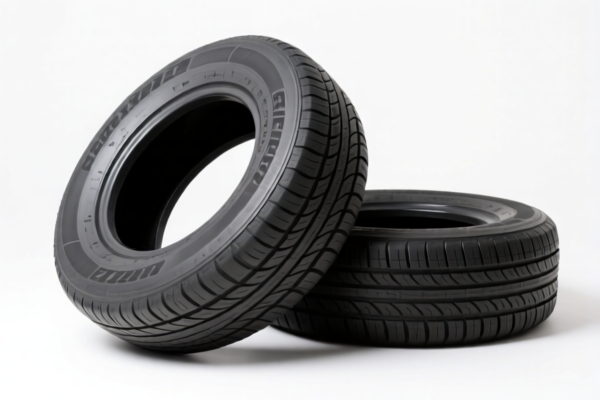
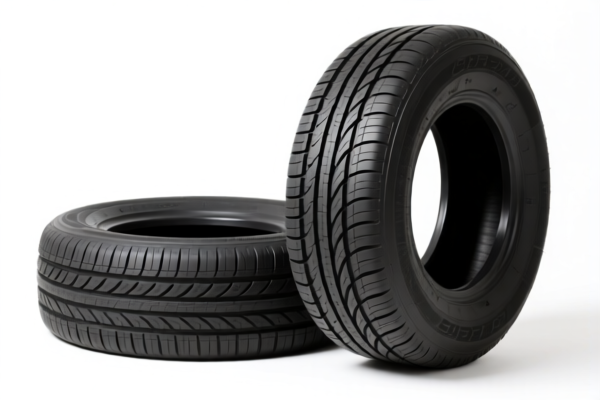
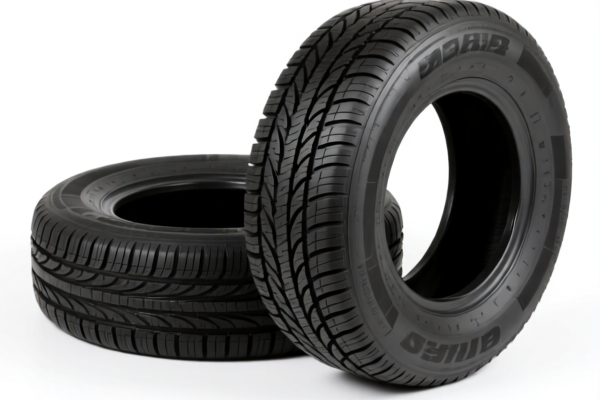
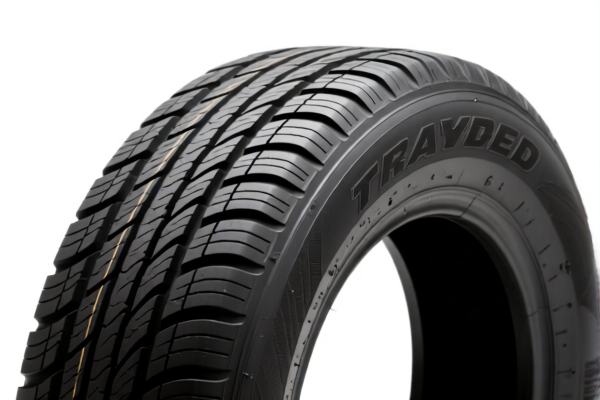
AI分析
🚗 Home Vehicle Refurbished Rubber Tires: Ultimate HS Code & Customs Clearance Guide (2026)
🌐 HS Code Reference & Customs Clearance Guide | 2026 Latest Tariff Analysis | Professional Entry Strategy
📌 I. Product Definition & Classification: Do You Really Understand "Rubber Treads"?
Rubber Treads, specifically for home vehicle refurbishing (retreading), are intermediate rubber products used to renew worn-out tires. In international trade, their classification depends heavily on material state (vulcanized vs. unvulcanized) and physical form.
1. Treads for Retreading (4012 Category):
Considered "Used or New Retreadable Tires" or parts thereof. These are semi-finished or finished tire components.
2. Unvulcanized Rubber Forms (4005/4006 Category):
If the treads are in the form of plates, sheets, or strips of unvulcanized mixed rubber, they may fall under intermediate rubber materials rather than finished tire parts.
⚠️ Critical Distinction Point:
- If the product is a semi-finished or finished tire part ready for retreading → Falls under Chapter 4012. - If the product is raw, unvulcanized rubber in plate/sheet/strip form (even if intended for treads) → Falls under Chapter 4005 or 4006. - Key Risk: Misclassifying unvulcanized raw rubber as a finished tire part can lead to under-declaration of duties; misclassifying a retreadable part as raw material may trigger rejection for lack of proper certification.
📦 II. HS Code Classification Details (2026 Latest Tariff Authority Comparison)
| HS Code | Product Description | Application Scenario | Material/Form State |
|---|---|---|---|
4012.90.90.00 |
Rubber tires, new or used, for refurbishing (excluding pneumatic) | Retreadable tire casings/treads not specifically listed elsewhere | ✅ Finished/Semi-finished Tire Part |
4005.91.00.00 |
Mixed/unblended rubber, other, plates/sheets/strips, unvulcanized | Raw rubber treads in plate/sheet form, unvulcanized | ✅ Unvulcanized Raw Material |
4006.90.10.00 |
Other articles of unvulcanized rubber, unhardened | Unvulcanized rubber shapes/forms not elsewhere specified | ✅ Unvulcanized Intermediate Product |
4012.90.45.00 |
Rubber tires, new or used, for refurbishing, pneumatic | Specific sub-category for pneumatic tire treads intended for retreading | ✅ Finished/Semi-finished Tire Part |
4005.20.00.00 |
Mixed/unblended rubber, plates/sheets/strips, unvulcanized, in raw form | Generic unvulcanized rubber plates/strips, potentially for tread manufacturing | ✅ Unvulcanized Raw Material |
🔍 Key Reminder:
- Retreading Treads usually belong to 4012.90.45.00 or 4012.90.90.00 if they are processed tire components. - If the "treads" are actually unvulcanized rubber extrusions (raw material shape), they may fall under 4005 or 4006. - Clarification Needed: Confirm if the goods are vulcanized (cured) or unvulcanized (raw). This is the single most important factor for HS Code selection.
💰 III. 2026 Latest Tariff Rate Details (Including Surcharges & Policy Add-ons)
✅ Applicable Country: United States (US)
✅ Country of Origin: China (CN)
✅ Effective Date: Ongoing (Section 301 & IEEPA tariffs apply)
🎯 1. 4012.90.90.00 – Rubber Tires for Refurbishing (Other)
| Item | Content |
|---|---|
| Base Tariff Rate | 2.7% (ad valorem) |
| Section 301 Tariff | +25.0% (List 4A) |
| IEEPA Section 122 Tariff | +10.0% (Specific China surcharge) |
| Total Tariff Rate | 37.7% |
| Tax Calculation | CIF Value × 37.7% |
| De Minimis Exemption | ❌ Not Eligible (deny_de_minimis) |
| Legal Basis Path | HTSUS:4012.90.90 → USITC:301.List4A → IEEPA:122.ChinaSurcharge |
📌 Explanation:
- Base Rate (2.7%): Standard MFN rate for used/retreadable tire parts. - Section 301 (+25%): Applies to rubber products of Chinese origin. - IEEPA (+10%): Additional surcharge for specific Chinese goods. - Total (37.7%): High tariff burden. Must be factored into landed cost calculations.
🎯 2. 4005.91.00.00 – Unvulcanized Mixed Rubber (Plates/Sheets/Strips)
| Item | Content |
|---|---|
| Base Tariff Rate | 0.0% (ad valorem) |
| Section 301 Tariff | +25.0% (List 4A) |
| IEEPA Section 122 Tariff | +10.0% |
| Total Tariff Rate | 35.0% |
| Tax Calculation | CIF Value × 35.0% |
| De Minimis Exemption | ❌ Not Eligible (deny_de_minimis) |
| Legal Basis Path | HTSUS:4005.91.00 → USITC:301.List4A → IEEPA:122.ChinaSurcharge |
📌 Note:
- Although the base rate is lower (0% vs 2.7%), the total effective rate is 35.0%, which is slightly lower than 4012.90.90.00 (37.7%). - Risk: If US Customs determines the product is actually a "tire part" (4012) rather than "raw rubber" (4005), you will face under-payment penalties and back taxes.
🎯 3. 4006.90.10.00 – Other Unvulcanized Rubber Articles
| Item | Content |
|---|---|
| Base Tariff Rate | 0.0% (ad valorem) |
| Section 301 Tariff | +25.0% (List 4A) |
| IEEPA Section 122 Tariff | +10.0% |
| Total Tariff Rate | 35.0% |
| Tax Calculation | CIF Value × 35.0% |
| De Minimis Exemption | ❌ Not Eligible (deny_de_minimis) |
| Legal Basis Path | HTSUS:4006.90.10 → USITC:301.List4A → IEEPA:122.ChinaSurcharge |
📌 Note:
- Similar to 4005.91.00.00. Applicable if the treads are considered "other shapes" of unvulcanized rubber. - Requires strong documentation proving the unvulcanized state and non-tire-specific form.
🎯 4. 4012.90.45.00 – Pneumatic Tires for Refurbishing
| Item | Content |
|---|---|
| Base Tariff Rate | 4.2% (ad valorem) |
| Section 301 Tariff | +25.0% (List 4A) |
| IEEPA Section 122 Tariff | +10.0% |
| Total Tariff Rate | 39.2% |
| Tax Calculation | CIF Value × 39.2% |
| De Minimis Exemption | ❌ Not Eligible (deny_de_minimis) |
| Legal Basis Path | HTSUS:4012.90.45 → USITC:301.List4A → IEEPA:122.ChinaSurcharge |
📌 Note:
- This is the highest total tariff (39.2%) among the options. - Apply only if the product is definitively a pneumatic tire tread intended for retreading. - Higher base rate (4.2%) makes this the most expensive option for Chinese-origin goods.
🎯 5. 4005.20.00.00 – Unvulcanized Mixed Rubber (Raw Plates/Sheets/Strips)
| Item | Content |
|---|---|
| Base Tariff Rate | 0.0% (ad valorem) |
| Section 301 Tariff | +25.0% (List 4A) |
| IEEPA Section 122 Tariff | +10.0% |
| Total Tariff Rate | 35.0% |
| Tax Calculation | CIF Value × 35.0% |
| De Minimis Exemption | ❌ Not Eligible (deny_de_minimis) |
| Legal Basis Path | HTSUS:4005.20.00 → USITC:301.List4A → IEEPA:122.ChinaSurcharge |
📌 Note:
- Same total rate as 4005.91.00.00 and 4006.90.10.00 (35.0%). - Use this if the product is generic unvulcanized rubber stock in plate/sheet form, not specifically shaped as a tread yet.
🛠️ IV. Customs Clearance Practical Advice (Real-World Pitfall Guide)
✅ 1. Preparation Checklist (All Required)
| Document | Required | Explanation |
|---|---|---|
| ✅ Product Specification Sheet | ✔️ | Must clearly state: Vulcanized or Unvulcanized? Shape? Intended use? |
| ✅ Technical Data Sheet (TDS) | ✔️ | Chemical composition, hardness, state of vulcanization. |
| ✅ Photos of Product | ✔️ | Show shape, texture, and any markings. Distinguish between raw rubber and cured tread. |
| ✅ Commercial Invoice | ✔️ | Accurate description: "Unvulcanized Rubber Treads" or "Retreadable Tire Treads". Avoid vague terms like "Rubber Parts". |
| ✅ Packing List | ✔️ | Weight and dimensions must match invoice. |
| ✅ Certificate of Origin | ✔️ | Confirm Chinese origin for accurate Section 301/IEEPA application. |
| ✅ Vulcanization Status Statement | ✔️ | Critical: A signed statement from the manufacturer declaring whether the goods are vulcanized or unvulcanized. |
✅ 2. Declaration Tips (Key Mantra)
🔥 “State is Key: Unvulcanized = 35%, Vulcanized = 37.7%-39.2%! Never Guess!”
| Scenario | Correct HS Code | Wrong Practice | Consequence |
|---|---|---|---|
| Unvulcanized rubber in sheet/strip form | 4005.91.00.00 or 4005.20.00.00 |
Declaring as "Tire Tread" (4012) | Overpay by ~2.7% on base rate |
| Unvulcanized rubber in irregular shapes | 4006.90.10.00 |
Declaring as "Raw Rubber Plate" (4005) | Minor risk, but must justify shape |
| Vulcanized/Cured retreadable tread | 4012.90.90.00 or 4012.90.45.00 |
Declaring as "Unvulcanized Rubber" (4005) | Severe Penalty: Customs will reclassify and charge back taxes + fines |
| Mixed/Shipment with Both | Separate Lines | Combining into one HS Code | High risk of audit and rejection |
✅ 3. Special Cases Handling
| Situation | Handling Advice |
|---|---|
| OEM Custom Treads | Provide customer order + design specs. If unvulcanized, prove it’s not yet a "tire part". |
| Partial Vulcanization | If the product is partially cured, it is generally considered vulcanized → Use 4012 codes. |
| Import for Retreading Services | Clearly state "For Retreading Use Only". If unvulcanized, use 4005/4006. If pre-formed vulcanized, use 4012. |
| Small Quantity Samples | Still subject to tariffs. No de minimis exemption for China-origin rubber goods. |
🌍 V. Global Market Customs Comparison (2026 Latest)
| Country/Region | Recommended HS Code | Tariff (China Origin) | Certification Requirements | Notes |
|---|---|---|---|---|
| 🇺🇸 USA | 4012.90.90.00 / 4005.91.00.00 |
37.7% / 35.0% | None specific, but strong customs scrutiny | High tariffs due to Section 301 & IEEPA. |
| 🇨🇳 China | 4012.90.90.00 / 4005.91.00.00 |
0% - 5% (Import Duty) | CCC (if applicable) | Import duties may be low, but VAT applies. |
| 🇪🇺 EU | 4012.90.00 / 4005.90 |
0% - 4.5% | REACH Compliance | Lower tariffs than US. REACH chemical registration critical. |
| 🇦🇺 Australia | 4012.90.00 / 4005.90 |
5% | No specific rubber certs | Moderate tariff. |
| 🇯🇵 Japan | 4012.90.00 / 4005.90 |
0% - 3.2% | JIS Standards (if applicable) | Low tariffs. |
📌 Conclusion:
- USA is the most expensive market due to punitive tariffs (Section 301 + IEEPA). - EU and Japan offer significant cost advantages in terms of duty rates. - For US imports, accurate classification between 4005/4006 (35%) and 4012 (37.7%-39.2%) can save ~2-4% of CIF value, but risks are high if misclassified.
📌 VI. Common Mistakes & Pitfall Guide (Blood Lessons)
❌ Mistake 1: Calling "Unvulcanized Rubber Treads" as "Tires"
👉 Consequence: Customs may reclassify to 4012, but if they find it’s raw material, they may penalize for misdeclaration. Conversely, if you declare as raw material but it’s cured, you underpay.
Solution: Use precise terminology: "Unvulcanized Rubber Tread Shapes" vs. "Vulcanized Retreadable Treads".
❌ Mistake 2: Assuming All Rubber Treads Are 4012
👉 Consequence: Missed opportunity to use 35% tariff if the goods are truly unvulcanized.
Solution: Verify vulcanization status with manufacturer. Provide test reports.
❌ Mistake 3: Ignoring IEEPA 10% Surcharge
👉 Consequence: Under-budgeting for landed cost. The total rate is not just 25% or 27%, but 25% + 10% + Base.
Solution: Always calculate Base + 25% + 10%.
❌ Mistake 4: Using "Rubber Parts" as a Generic Description
👉 Consequence: Customs request additional information, delaying clearance.
Solution: Be specific: "Unvulcanized Rubber Strip, for Tire Tread Manufacturing".
✅ Correct Declaration Example:
"Unvulcanized Mixed Rubber Treads, Plate Form, for Tire Refurbishing, HS 4005.91.00.00, Origin: China"
🎯 VII. Conclusion: Precision in Classification Saves Money!
🎯 Remember the Mantra:
🔹 "Unvulcanized = 35%, Vulcanized = 37.7%-39.2%. State your vulcanization status clearly!"
🔹 "US Tariffs are High: Base + 25% + 10%. Don’t forget the IEEPA surcharge!"
🔹 "Documentation is Key: Proving unvulcanized state can lower costs, but must be provable."
📌 Pro Tip:
If your rubber treads are vulcanized, the tariff is higher (37.7% or 39.2%). If they are unvulcanized, the tariff is 35%.
Recommendation:
1. Confirm the vulcanization status with your supplier.
2. If unvulcanized, provide a Manufacturer’s Statement and Technical Data Sheet proving this status.
3. Consider Advance Ruling from US Customs if the status is ambiguous.
4. For US shipments, factor in the 35%-39.2% total tariff in your pricing model.
📣 Immediate Action:
📞 Contact a licensed customs broker.
📄 Provide product photos + vulcanization proof.
🚀 Ensure accurate HS Code selection to avoid penalties and delays.
✨ Professional Customs Clearance Starts with Accurate Classification!
💼 Every Percentage Point Saved is Profit Gained!
用户评价
关于 HS 编码归类
协调制度(HS)是由世界海关组织(WCO)制定的国际贸易商品分类标准。全球 200 多个国家采用 HS 系统作为海关关税、贸易统计和进出口监管的基础。
每个 HS 编码遵循以下层级结构:
- 章(2 位)——商品大类(例如:第 84 章:机器和机械设备)
- 品目(4 位)——章内的更具体分类
- 子目(6 位)——国际通用细分,所有 WCO 成员国统一使用
- 本国细分(8-10 位)——各国自行扩展的细分编码,如美国 HTSUS 10 位编码
正确的 HS 编码归类对于顺利通关、准确缴纳关税和遵守贸易法规至关重要。错误归类可能导致海关延误、多缴关税或罚款。
从CN进口到US时,适用的关税税率可能包括:
- 最惠国(MFN)税率——适用于 WTO 成员国的标准关税税率
- 普通税率——适用于无贸易协定国家
- 贸易救济关税——附加关税,如 301 条款(反倾销)、232 条款(国家安全)或反补贴税
本页内容仅供参考。如需正式归类,请咨询当地海关或持牌报关代理。