Horsehide leather
CN → US| HS编码 | 关税税率 | 原产国 | 目的国 | 文档 |
|---|---|---|---|---|
| 6406100500 | 26.0% | CN | US | 官方文档 |
| 6406101000 | 20.0% | CN | US | 官方文档 |
| 4203102000 | 39.7% | CN | US | 官方文档 |
| 4203104085 | 41.0% | CN | US | 官方文档 |
| 4104115070 | 13.3% | CN | US | 官方文档 |
商品图片
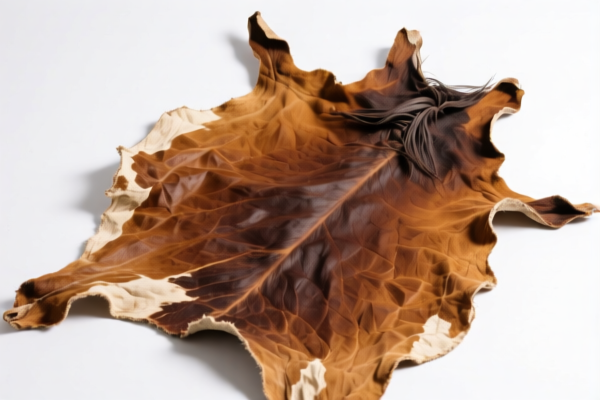
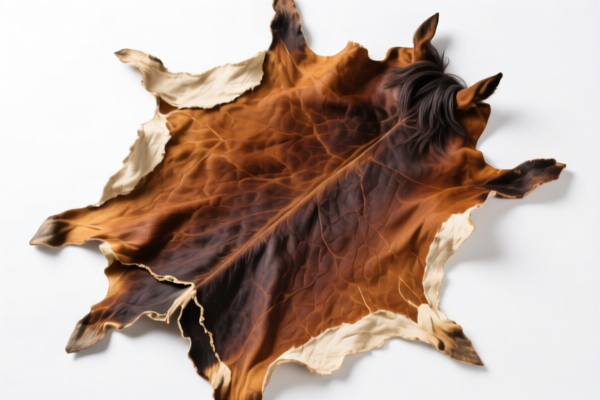
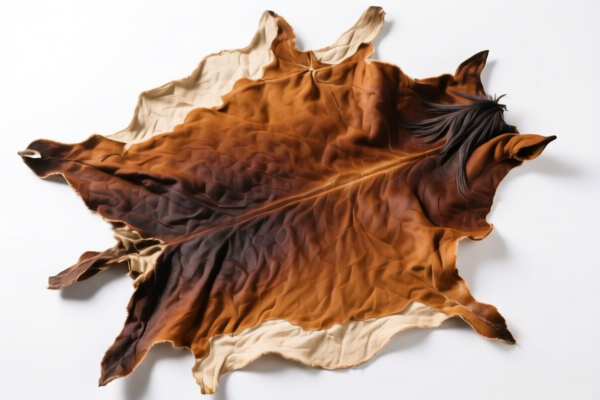

AI分析
🐎 Horsehide Leather: The "King" of Durability & Character
🌐 HS Code Reference & Customs Clearance Guide | 2026 Latest Tariff Analysis | Professional-Level Clearance Strategy
📌 1. Product Definition & Classification: Do You Really Understand "Horsehide"?
Horsehide leather is a premium raw material prized in the motorcycle industry (for protective gear), luxury fashion (briefcases, jackets), and high-end upholstery. Unlike cowhide, it is denser, has finer fibers, and lacks the "graininess" of bovine leather, resulting in a smoother, more polished finish that ages uniquely.
In international trade, it is classified based on its processing state:
Raw/Unprocessed (Hides & Skins):
Raw horse hides/skins, whether fresh, salted, dried, or tanned (but not further prepared).
Processed (Leather):
- Bare Leather: Tanned or crusted leather, whether or not washed.
- Finished Leather: Dyed, painted, or coated with plastic/other substances.
- Shaved Leather: Splits or shavings from horsehide.
⚠️ Critical Distinction:
- If it is raw/tanned but uncolored/uncoated → Likely Chapter 41 (Animal Skins)
- If it is dyed, finished, or sewn into garments → Likely Chapter 41 (Finished Leather) or Chapter 61/62 (Garments/Articles)
- Key Point: Customs will look for "finish," "dye," and "thickness" to distinguish between raw hides and finished leather.
📦 2. HS Code Classification Details (2026 Latest Tariff Authority Comparison)
| HS Code | Product Description | Application Scenario | Processing State |
|---|---|---|---|
4101.25 |
Bovine/equine hides, wet-blue (semi-tanned) | Intermediate processing for tanneries | ✅ Semi-processed |
4101.29 |
Bovine/equine hides, other (e.g., dry, salted) | Raw material export/import | ✅ Raw/Unprocessed |
4104.41 |
Bovine/equine leather, metallized | Special decorative use | ✅ Finished |
4104.49 |
Bovine/equine leather, other (finished) | Jackets, bags, shoes | ✅ Finished |
4104.59 |
Bovine/equine leather, suede/nubuck | Casual footwear, fashion items | ✅ Finished (Suede) |
4106.31 |
Bovine/equine leather, chrome-tanned | Most common finished leather | ✅ Finished |
6103.43 |
Men's/women's trousers, of leather | Finished goods | ✅ Garment |
6216.00 |
Leather gloves | Finished goods | ✅ Accessory |
🔍 Important Reminder:
- Horsehide falls under "Bovine, Equine, or Bison" categories in most tariff schedules.
- Finished leather (dyed/finished) is usually classified under 4104 or 4105.
- Raw hides are under 4101.
- Do not misclassify finished horsehide jackets as "raw leather" – this leads to severe penalties.
💰 3. 2026 Latest Tariff Rate Details (Including Surcharges & Policy Add-ons)
✅ Applicable Country: United States (US)
✅ Origin: China (CN)
✅ Effective Date: November 10, 2025 (and subsequent imports)
🎯 1. 4101.29 – Bovine/Horse Hides, Dried/Salted (Raw)
| Item | Content |
|---|---|
| Base Rate | 0% (ad valorem) |
| USITC Surcharge | +25% (Footnote 9903.88.01) |
| IEEPA Surcharge | +10% (China/HK products, from Nov 10, 2025) |
| Total Rate | 35% |
| Calculation | CIF Value × 35% |
| De Minimis Exemption | ❌ Not Available (deny_de_minimis) |
| Legal Basis Path | IEEPA:9903.01.25 → IEEPA:9903.01.24 → USITC:4101.29.00.00 → FOOTNOTE:9903.88.01 |
📌 Explanation:
- Raw horsehide is considered an agricultural/raw material.
- The 25% USITC and 10% IEEPA surcharges apply, totaling 35%.
- This is a high tariff for raw materials. Importers must plan costs accordingly.
🎯 2. 4104.49 – Bovine/Horse Leather, Finished (Other)
| Item | Content |
|---|---|
| Base Rate | 0% |
| USITC Surcharge | +25% |
| IEEPA Surcharge | +10% |
| Total Rate | 35% |
| Calculation | CIF × 35% |
| De Minimis Exemption | ❌ Not Available |
| Legal Basis Path | IEEPA:9901.25 → IEEPA:9903.01.24 → USITC:4104.49.00.00 → FOOTNOTE:9903.88.01 |
📌 Note:
- Finished horsehide leather (e.g., for bags, belts) incurs the same 35% total rate.
- Chrome-tanned leather (4106.31) also falls under this high-tax bracket.
- Even small shipments are subject to these surcharges.
🎯 3. 6103.43 – Men's/Women's Trousers, of Leather
| Item | Content |
|---|---|
| Base Rate | 0%–16% (varies by style) |
| USITC Surcharge | +25% |
| IEEPA Surcharge | +10% |
| Total Rate | 35%–51% |
| De Minimis Exemption | ❌ Not Available |
📌 Note:
- Leather garments (jackets, trousers) are classified under Chapters 61/62.
- The base rate may be higher (up to 16%), plus the 35% surcharge, leading to total rates up to 51%.
- This is significantly more expensive than raw leather or accessories.
🛠️ 4. Customs Clearance Practical Advice (Battlefield Pitfall Avoidance Guide)
✅ 1. Required Documentation Checklist (No Exceptions)
| Document | Mandatory? | Explanation |
|---|---|---|
| ✅ Product Specification Sheet | ✔️ | Include tanning process, thickness, finish type, dye info |
| ✅ Tanning Certificate | ✔️ | Proof of origin of tanning method (chrome, vegetable, etc.) |
| ✅ Product Photos (Label) | ✔️ | Clear label: "Horsehide Leather," "Finished," or "Raw" |
| ✅ Third-Party Test Report | ✔️ | REACH, RoHS, Prop 65 (for California) |
| ✅ Commercial Invoice | ✔️ | Must state "Horsehide Leather" explicitly, not just "Leather" |
| ✅ Certificate of Origin (CO) | ✔️ | If non-China origin, may qualify for exemptions |
| ✅ Packing List | ✔️ | Specify if goods are raw, finished, or garments |
✅ 2. Declaration Tips (Key Mnemonic)
🔥 "Raw vs. Finished Matters, Garments Pay More, Horsehide is Equine, Not Bovine!"
| Situation | Correct Declaration | Wrong Practice |
|---|---|---|
| Raw horsehide (salted/dried) | 4101.29.00.00 |
Declare as "Finished Leather" → Higher scrutiny |
| Finished horsehide (dyed) | 4104.49.00.00 |
Declare as "Raw Hide" → Penalty for misclassification |
| Horsehide Jacket | 6103.43.00.00 or 6104.43.00.00 |
Declare as "Leather Goods" → Incorrect chapter |
| Horsehide Belt | 4203.21.00.00 |
Declare as "Clothing" → Wrong chapter |
✅ 3. Special Case Handling
| Situation | Handling Advice |
|---|---|
| OEM Custom Leather | Provide design specs + buyer order to prove intended use |
| Mixed Material Products | (e.g., leather + fabric) |
| Samples for Testing | Mark "Sample" clearly, but still subject to tariffs |
| Horsehide for Motorcycles | If it's part of a jacket, declare as garment, not raw leather |
🌍 5. Global Market Customs Comparison (2026 Latest)
| Country/Region | Recommended HS Code | Tariff | Certification Requirement | Notes |
|---|---|---|---|---|
| 🇺🇸 US | 4104.49.00.00 |
35% (China) | REACH (optional), Prop 65 | High tariffs on raw & finished |
| 🇨🇳 China | 4104.49.00.00 |
5%–10% | None | No surcharges |
| 🇪🇺 EU | 4104.49.00.00 |
0%–4.5% | REACH, Leather Working Group | Lower tariffs, strict eco-standards |
| 🇦🇺 Australia | 4104.49.00.00 |
5% | None | Moderate tariffs |
| 🇯🇵 Japan | 4104.49.00.00 |
0%–3.5% | JIS Standards | Low tariffs, high quality checks |
📌 Conclusion:
- US is the most expensive market for horsehide due to surcharges.
- EU requires strict environmental certifications (REACH).
- China and Japan are more tariff-friendly for imported horsehide.
📌 6. Common Mistakes & Pitfall Avoidance (Lessons Learned)
❌ Mistake 1: Declaring "Horsehide" as "Cowhide"
👉 Consequence: Customs may reject or audit for misrepresentation → Delay + Fines
❌ Mistake 2: Ignoring "Finished" vs. "Raw" distinction
👉 Consequence: Incorrect HS code → 35% tariff vs. 0% base rate confusion
❌ Mistake 3: Not declaring REACH/Prop 65 compliance
👉 Consequence: Seizure at US/EU borders due to chemical restrictions
❌ Mistake 4: Using generic "Leather Goods" for horsehide garments
👉 Consequence: Higher duty rate (up to 51%) instead of raw material rate
✅ Correct Approach:
"Horsehide Leather, Chrome-Tanned, Dyed Black, Finished, Thickness 1.2mm, for Bag Manufacturing, Origin: China, HS Code: 4104.49.00.00"
🎯 7. Conclusion: Professional Declaration Saves Money!
🎯 Remember:
🔹 "Raw vs. Finished, Check the Code, Horsehide is Expensive in the US, But Easy in the EU!"
🔹 "HS Code Determines Your Cost, Misclassification Costs You Thousands!"
📌 Tips:
If your horsehide is originating from Vietnam, Mexico, Thailand, or Malaysia, you may apply for IEEPA Exemption, reducing tariffs to 0%–5%.
Recommend Applying for an Advance Ruling before shipment to avoid customs delays.
📣 Take Action Now:
📞 Contact a Professional Customs Broker + Provide Product Photos + Apply for HS Code Advance Ruling
🚀 Let your horsehide products Clear Customs Smoothly, Boost Profits, and Expand Globally!
✨ Professional Clearance Starts with Accurate Classification!
💼 Every Dollar Saved is a Dollar Earned!
用户评价
关于 HS 编码归类
协调制度(HS)是由世界海关组织(WCO)制定的国际贸易商品分类标准。全球 200 多个国家采用 HS 系统作为海关关税、贸易统计和进出口监管的基础。
每个 HS 编码遵循以下层级结构:
- 章(2 位)——商品大类(例如:第 84 章:机器和机械设备)
- 品目(4 位)——章内的更具体分类
- 子目(6 位)——国际通用细分,所有 WCO 成员国统一使用
- 本国细分(8-10 位)——各国自行扩展的细分编码,如美国 HTSUS 10 位编码
正确的 HS 编码归类对于顺利通关、准确缴纳关税和遵守贸易法规至关重要。错误归类可能导致海关延误、多缴关税或罚款。
从CN进口到US时,适用的关税税率可能包括:
- 最惠国(MFN)税率——适用于 WTO 成员国的标准关税税率
- 普通税率——适用于无贸易协定国家
- 贸易救济关税——附加关税,如 301 条款(反倾销)、232 条款(国家安全)或反补贴税
本页内容仅供参考。如需正式归类,请咨询当地海关或持牌报关代理。