Horsehide leather
CN → US| HS Code | Tariff Rate | Origin | Destination | Doc |
|---|---|---|---|---|
| 6406100500 | 26.0% | CN | US | Official Doc |
| 6406101000 | 20.0% | CN | US | Official Doc |
| 4203102000 | 39.7% | CN | US | Official Doc |
| 4203104085 | 41.0% | CN | US | Official Doc |
| 4104115070 | 13.3% | CN | US | Official Doc |
Product Images
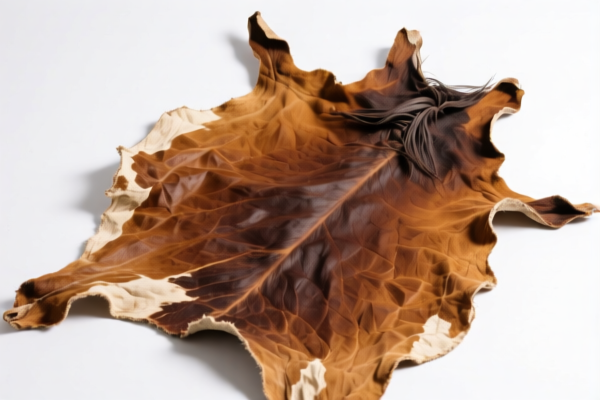
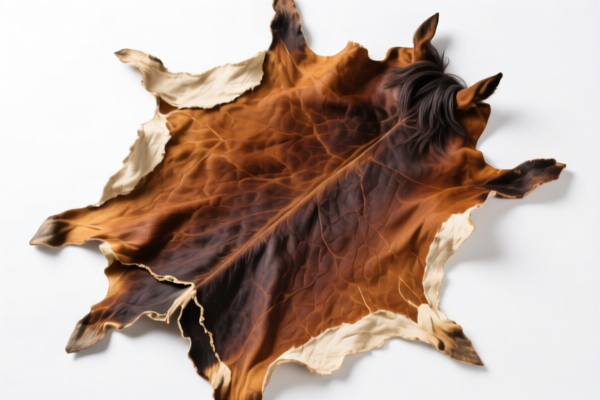
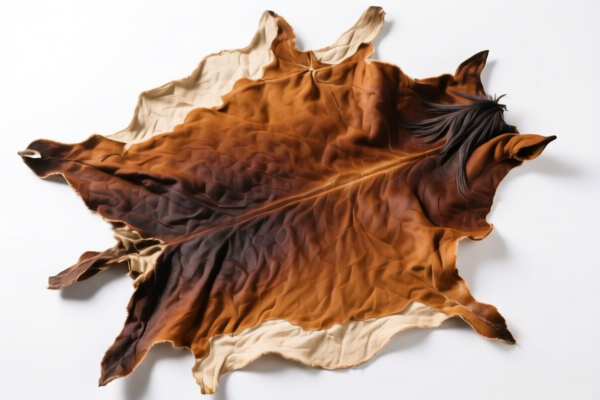

AI Analysis
🐎 Horsehide Leather: The "King" of Durability & Character
🌐 HS Code Reference & Customs Clearance Guide | 2026 Latest Tariff Analysis | Professional-Level Clearance Strategy
📌 1. Product Definition & Classification: Do You Really Understand "Horsehide"?
Horsehide leather is a premium raw material prized in the motorcycle industry (for protective gear), luxury fashion (briefcases, jackets), and high-end upholstery. Unlike cowhide, it is denser, has finer fibers, and lacks the "graininess" of bovine leather, resulting in a smoother, more polished finish that ages uniquely.
In international trade, it is classified based on its processing state:
Raw/Unprocessed (Hides & Skins):
Raw horse hides/skins, whether fresh, salted, dried, or tanned (but not further prepared).
Processed (Leather):
- Bare Leather: Tanned or crusted leather, whether or not washed.
- Finished Leather: Dyed, painted, or coated with plastic/other substances.
- Shaved Leather: Splits or shavings from horsehide.
⚠️ Critical Distinction:
- If it is raw/tanned but uncolored/uncoated → Likely Chapter 41 (Animal Skins)
- If it is dyed, finished, or sewn into garments → Likely Chapter 41 (Finished Leather) or Chapter 61/62 (Garments/Articles)
- Key Point: Customs will look for "finish," "dye," and "thickness" to distinguish between raw hides and finished leather.
📦 2. HS Code Classification Details (2026 Latest Tariff Authority Comparison)
| HS Code | Product Description | Application Scenario | Processing State |
|---|---|---|---|
4101.25 |
Bovine/equine hides, wet-blue (semi-tanned) | Intermediate processing for tanneries | ✅ Semi-processed |
4101.29 |
Bovine/equine hides, other (e.g., dry, salted) | Raw material export/import | ✅ Raw/Unprocessed |
4104.41 |
Bovine/equine leather, metallized | Special decorative use | ✅ Finished |
4104.49 |
Bovine/equine leather, other (finished) | Jackets, bags, shoes | ✅ Finished |
4104.59 |
Bovine/equine leather, suede/nubuck | Casual footwear, fashion items | ✅ Finished (Suede) |
4106.31 |
Bovine/equine leather, chrome-tanned | Most common finished leather | ✅ Finished |
6103.43 |
Men's/women's trousers, of leather | Finished goods | ✅ Garment |
6216.00 |
Leather gloves | Finished goods | ✅ Accessory |
🔍 Important Reminder:
- Horsehide falls under "Bovine, Equine, or Bison" categories in most tariff schedules.
- Finished leather (dyed/finished) is usually classified under 4104 or 4105.
- Raw hides are under 4101.
- Do not misclassify finished horsehide jackets as "raw leather" – this leads to severe penalties.
💰 3. 2026 Latest Tariff Rate Details (Including Surcharges & Policy Add-ons)
✅ Applicable Country: United States (US)
✅ Origin: China (CN)
✅ Effective Date: November 10, 2025 (and subsequent imports)
🎯 1. 4101.29 – Bovine/Horse Hides, Dried/Salted (Raw)
| Item | Content |
|---|---|
| Base Rate | 0% (ad valorem) |
| USITC Surcharge | +25% (Footnote 9903.88.01) |
| IEEPA Surcharge | +10% (China/HK products, from Nov 10, 2025) |
| Total Rate | 35% |
| Calculation | CIF Value × 35% |
| De Minimis Exemption | ❌ Not Available (deny_de_minimis) |
| Legal Basis Path | IEEPA:9903.01.25 → IEEPA:9903.01.24 → USITC:4101.29.00.00 → FOOTNOTE:9903.88.01 |
📌 Explanation:
- Raw horsehide is considered an agricultural/raw material.
- The 25% USITC and 10% IEEPA surcharges apply, totaling 35%.
- This is a high tariff for raw materials. Importers must plan costs accordingly.
🎯 2. 4104.49 – Bovine/Horse Leather, Finished (Other)
| Item | Content |
|---|---|
| Base Rate | 0% |
| USITC Surcharge | +25% |
| IEEPA Surcharge | +10% |
| Total Rate | 35% |
| Calculation | CIF × 35% |
| De Minimis Exemption | ❌ Not Available |
| Legal Basis Path | IEEPA:9901.25 → IEEPA:9903.01.24 → USITC:4104.49.00.00 → FOOTNOTE:9903.88.01 |
📌 Note:
- Finished horsehide leather (e.g., for bags, belts) incurs the same 35% total rate.
- Chrome-tanned leather (4106.31) also falls under this high-tax bracket.
- Even small shipments are subject to these surcharges.
🎯 3. 6103.43 – Men's/Women's Trousers, of Leather
| Item | Content |
|---|---|
| Base Rate | 0%–16% (varies by style) |
| USITC Surcharge | +25% |
| IEEPA Surcharge | +10% |
| Total Rate | 35%–51% |
| De Minimis Exemption | ❌ Not Available |
📌 Note:
- Leather garments (jackets, trousers) are classified under Chapters 61/62.
- The base rate may be higher (up to 16%), plus the 35% surcharge, leading to total rates up to 51%.
- This is significantly more expensive than raw leather or accessories.
🛠️ 4. Customs Clearance Practical Advice (Battlefield Pitfall Avoidance Guide)
✅ 1. Required Documentation Checklist (No Exceptions)
| Document | Mandatory? | Explanation |
|---|---|---|
| ✅ Product Specification Sheet | ✔️ | Include tanning process, thickness, finish type, dye info |
| ✅ Tanning Certificate | ✔️ | Proof of origin of tanning method (chrome, vegetable, etc.) |
| ✅ Product Photos (Label) | ✔️ | Clear label: "Horsehide Leather," "Finished," or "Raw" |
| ✅ Third-Party Test Report | ✔️ | REACH, RoHS, Prop 65 (for California) |
| ✅ Commercial Invoice | ✔️ | Must state "Horsehide Leather" explicitly, not just "Leather" |
| ✅ Certificate of Origin (CO) | ✔️ | If non-China origin, may qualify for exemptions |
| ✅ Packing List | ✔️ | Specify if goods are raw, finished, or garments |
✅ 2. Declaration Tips (Key Mnemonic)
🔥 "Raw vs. Finished Matters, Garments Pay More, Horsehide is Equine, Not Bovine!"
| Situation | Correct Declaration | Wrong Practice |
|---|---|---|
| Raw horsehide (salted/dried) | 4101.29.00.00 |
Declare as "Finished Leather" → Higher scrutiny |
| Finished horsehide (dyed) | 4104.49.00.00 |
Declare as "Raw Hide" → Penalty for misclassification |
| Horsehide Jacket | 6103.43.00.00 or 6104.43.00.00 |
Declare as "Leather Goods" → Incorrect chapter |
| Horsehide Belt | 4203.21.00.00 |
Declare as "Clothing" → Wrong chapter |
✅ 3. Special Case Handling
| Situation | Handling Advice |
|---|---|
| OEM Custom Leather | Provide design specs + buyer order to prove intended use |
| Mixed Material Products | (e.g., leather + fabric) |
| Samples for Testing | Mark "Sample" clearly, but still subject to tariffs |
| Horsehide for Motorcycles | If it's part of a jacket, declare as garment, not raw leather |
🌍 5. Global Market Customs Comparison (2026 Latest)
| Country/Region | Recommended HS Code | Tariff | Certification Requirement | Notes |
|---|---|---|---|---|
| 🇺🇸 US | 4104.49.00.00 |
35% (China) | REACH (optional), Prop 65 | High tariffs on raw & finished |
| 🇨🇳 China | 4104.49.00.00 |
5%–10% | None | No surcharges |
| 🇪🇺 EU | 4104.49.00.00 |
0%–4.5% | REACH, Leather Working Group | Lower tariffs, strict eco-standards |
| 🇦🇺 Australia | 4104.49.00.00 |
5% | None | Moderate tariffs |
| 🇯🇵 Japan | 4104.49.00.00 |
0%–3.5% | JIS Standards | Low tariffs, high quality checks |
📌 Conclusion:
- US is the most expensive market for horsehide due to surcharges.
- EU requires strict environmental certifications (REACH).
- China and Japan are more tariff-friendly for imported horsehide.
📌 6. Common Mistakes & Pitfall Avoidance (Lessons Learned)
❌ Mistake 1: Declaring "Horsehide" as "Cowhide"
👉 Consequence: Customs may reject or audit for misrepresentation → Delay + Fines
❌ Mistake 2: Ignoring "Finished" vs. "Raw" distinction
👉 Consequence: Incorrect HS code → 35% tariff vs. 0% base rate confusion
❌ Mistake 3: Not declaring REACH/Prop 65 compliance
👉 Consequence: Seizure at US/EU borders due to chemical restrictions
❌ Mistake 4: Using generic "Leather Goods" for horsehide garments
👉 Consequence: Higher duty rate (up to 51%) instead of raw material rate
✅ Correct Approach:
"Horsehide Leather, Chrome-Tanned, Dyed Black, Finished, Thickness 1.2mm, for Bag Manufacturing, Origin: China, HS Code: 4104.49.00.00"
🎯 7. Conclusion: Professional Declaration Saves Money!
🎯 Remember:
🔹 "Raw vs. Finished, Check the Code, Horsehide is Expensive in the US, But Easy in the EU!"
🔹 "HS Code Determines Your Cost, Misclassification Costs You Thousands!"
📌 Tips:
If your horsehide is originating from Vietnam, Mexico, Thailand, or Malaysia, you may apply for IEEPA Exemption, reducing tariffs to 0%–5%.
Recommend Applying for an Advance Ruling before shipment to avoid customs delays.
📣 Take Action Now:
📞 Contact a Professional Customs Broker + Provide Product Photos + Apply for HS Code Advance Ruling
🚀 Let your horsehide products Clear Customs Smoothly, Boost Profits, and Expand Globally!
✨ Professional Clearance Starts with Accurate Classification!
💼 Every Dollar Saved is a Dollar Earned!
Customer Reviews
About HS Code Classification
The Harmonized System (HS) is an internationally standardized nomenclature developed by the World Customs Organization (WCO) to classify traded products. Over 200 countries use the HS system as the basis for customs tariffs, trade statistics, and import/export regulations.
Each HS code follows a hierarchical structure:
- Chapter (2 digits) — Broad category of goods (e.g., Chapter 84: Machinery and Mechanical Appliances)
- Heading (4 digits) — More specific grouping within the chapter
- Subheading (6 digits) — Internationally standardized breakdown, used by all WCO member countries
- National subdivisions (8-10 digits) — Country-specific extensions for further classification, such as US HTSUS 10-digit codes
Correct HS code classification is essential for smooth customs clearance, accurate duty payment, and compliance with trade regulations. Misclassification can lead to customs delays, overpayment of duties, or penalties.
When importing from CN to US, the applicable tariff rates may include:
- Most-Favored-Nation (MFN) rate — The standard duty rate applied to WTO members
- General rate — Applied to countries without trade agreements
- Trade remedy duties — Additional tariffs such as Section 301 (anti-dumping), Section 232 (national security), or countervailing duties
The information provided on this page is for reference purposes only. For official classification, please consult with your local customs authority or a licensed customs broker.