Household Sterilizing Hand Soap
CN → US| HS编码 | 关税税率 | 原产国 | 目的国 | 文档 |
|---|---|---|---|---|
| 3808595000 | 15.0% | CN | US | 官方文档 |
| 3402905010 | 13.7% | CN | US | 官方文档 |
| 3808945080 | 40.0% | CN | US | 官方文档 |
| 3402505100 | 10.0% | CN | US | 官方文档 |
商品图片
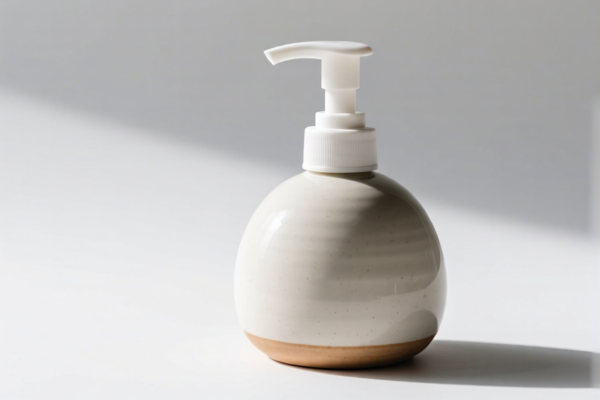
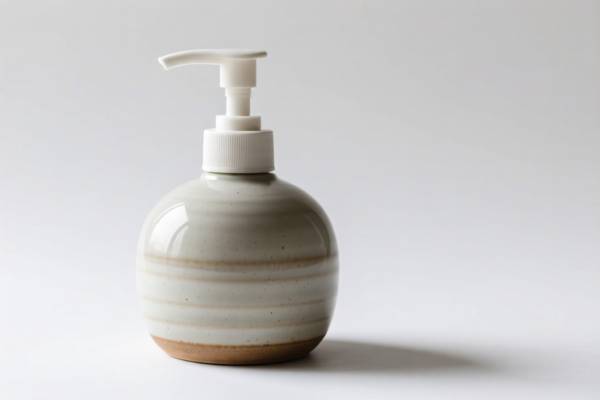
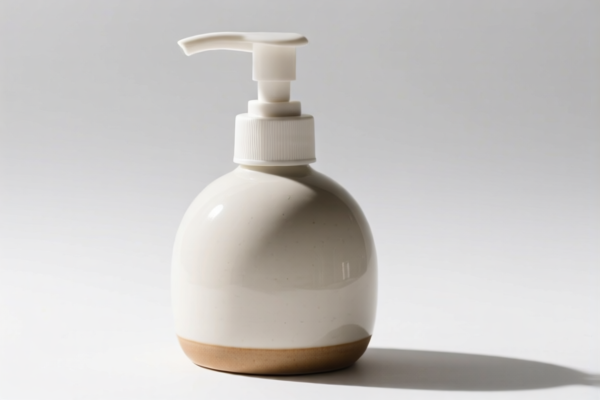
AI分析
🧼 Household Sterilizing Hand Soap
🌐 HS Code Reference & Clearance Guide | 2026 Updated Tariff Analysis | Professional Strategy for Safe & Efficient Customs Clearance
📌 I. Product Definition & Classification: Do You Really Understand "Sterilizing Hand Soap"?
Household Sterilizing Hand Soap is a specialized cleaning and disinfecting product designed for personal hygiene. It combines surfactant-based cleaning properties with antimicrobial/antiseptic agents (such as alcohol, chloroxylenol, or benzalkonium chloride) to kill bacteria and viruses on skin.
In international trade, classification depends heavily on: - Primary Function: Is it primarily for cleaning (washing) or disinfection? - Formulation: Is it alcohol-based? Does it contain other biocidal active ingredients? - Packaging & Usage: Consumer vs. Industrial?
⚠️ Critical Classification Logic:
- If the main purpose is cleaning (removing dirt) with a secondary disinfecting effect → Often classified under Ch. 34 (Soaps & Detergents).
- If the main purpose is disinfection (killing pathogens) regardless of cleaning → Often classified under Ch. 38 (Biocidal Products).
- Alcohol-based formulations with high disinfectant concentration → Often pushed into Ch. 38 (specifically Alcohol-based disinfectants).
📦 II. Detailed HS Code Breakdown (2026 Tariff Reference)
Based on the provided data, here are the four possible classification scenarios, their logic, and the resulting tax implications.
| HS Code | Classification Logic & Summary | Primary Function | Tax Rate |
|---|---|---|---|
| 3808.59.50.00 | Disinfectant Product: The product is primarily a "biocidal" agent (disinfectant) for household use. It fits the definition of "disinfectants and similar products." | Disinfection (Primary) | 15.0% |
| 3402.90.50.10 | Cleaning Preparation: The product is viewed as a "washing/cleaning preparation" (surfactant-based) with disinfecting additives. No material conflict. | Cleaning (Primary) | 13.7% |
| 3808.94.50.80 | Alcohol-Based Disinfectant: Inferred as an alcohol-based hand sanitizer/soap. Matches the description of "alcohol-based hand disinfectants." | Disinfection (High Alcohol) | 40.0% |
| 3402.50.51.00 | Organic Surfactant Soap: Based on the name, inferred as a cleaning agent using organic surfactants. Fits the definition of "cleaning preparations." | Cleaning (Basic) | 10.0% |
🔍 Key Insight:
- 3808 series (Disinfectants) generally carries higher tariffs (15%–40%) due to security/biocidal regulations. - 3402 series (Cleaning) generally carries lower tariffs (10%–13.7%) if the product is primarily a soap/detergent. - The distinction between "Cleaning" (3402) and "Disinfection" (3808) is the single most critical factor in determining your duty rate.
💰 III. 2026 Tariff Rate Breakdown (Detailed & Comprehensive)
✅ Applicable Market: United States (US)
✅ Country of Origin: China (CN)
✅ Effective Time: Current 2026 tariff regime (includes Section 301 and Section 122 tariffs)
🎯 1. 3808.59.50.00 – Disinfectants & Similar Products (Household)
| Item | Content |
|---|---|
| Base Duty | 5.0% (Standard MFN) |
| Section 301 Add-on | 0.0% (No additional 25% here based on provided data) |
| Section 122 Add-on | +10.0% (Retaliatory tariff for Section 301 products) |
| Total Rate | 15.0% |
| Legal Reference | HTSUS 3808.59.50.00 + Section 122 Retaliation |
📌 Explanation:
This rate assumes the product is classified strictly as a disinfectant but falls under a specific sub-category that is not subject to the heavy 25% Section 301 tariff often applied to other 3808 items. The 10% Section 122 is a retaliatory tariff applied to Chinese goods in response to US trade actions.
🎯 2. 3402.90.50.10 – Other Cleaning Preparations (Surfactant-based)
| Item | Content |
|---|---|
| Base Duty | 3.7% |
| Section 301 Add-on | 0.0% |
| Section 122 Add-on | +10.0% |
| Total Rate | 13.7% |
| Legal Reference | HTSUS 3402.90.50.10 + Section 122 Retaliation |
📌 Explanation:
This is the "Best Case" for a soap product if it can be argued as primarily a cleaning agent. The base duty is low (3.7%), and only the Section 122 retaliatory tariff applies, keeping the total at 13.7%.
🎯 3. 3808.94.50.80 – Alcohol-Based Disinfectants
| Item | Content |
|---|---|
| Base Duty | 5.0% |
| Section 301 Add-on | +25.0% (Heavy punitive tariff) |
| Section 122 Add-on | +10.0% |
| Total Rate | 40.0% |
| Legal Reference | HTSUS 3808.94.50.80 + Section 301 (25%) + Section 122 |
📌 Explanation:
⚠️ HIGH RISK! This classification triggers both the heavy 25% Section 301 tariff (often applied to "biocidal" products or specific chemical preparations) AND the 10% Section 122 tariff. The total hits 40%. This usually applies if the product is marketed primarily as an alcohol sanitizer with high alcohol content (>70%).
🎯 4. 3402.50.51.00 – Organic Surfactant Cleaning Agents
| Item | Content |
|---|---|
| Base Duty | 0.0% (Duty-Free Base) |
| Section 301 Add-on | 0.0% |
| Section 122 Add-on | +10.0% |
| Total Rate | 10.0% |
| Legal Reference | HTSUS 3402.50.51.00 + Section 122 Retaliation |
📌 Explanation:
🏆 BEST RATE! If the product can be successfully argued as a pure cleaning preparation based on organic surfactants, the base duty is 0%. Only the Section 122 tariff applies, resulting in the lowest possible rate of 10%. This is the most advantageous classification for commercial profit.
🛠️ IV. Customs Clearance Strategy & Practical Advice
✅ 1. Material Preparation Checklist (Mandatory)
| Document | Requirement | Why It Matters |
|---|---|---|
| Safety Data Sheet (SDS) | Must clearly state active ingredients and concentration (e.g., Alcohol %, Chloroxylenol %) | Critical: Determines if it's "Cleaning" (3402) or "Disinfectant" (3808). |
| Product Label & Photos | Show exact usage instructions and marketing claims ("Kills 99.9% of germs" vs. "Washes hands") | 海关 officers look at marketing. "Kills germs" pushes you to 3808 (higher tax). |
| Formula Disclosure | List of all ingredients with percentages | Needed to prove surfactant content vs. biocide content. |
| Usage Scenario Proof | Marketing brochures showing "Daily Hand Washing" vs. "Sanitizing Station" | Proves "Cleaning" primary function for 3402 classification. |
| Commercial Invoice | Clear description: "Household Sterilizing Hand Soap" | Must match the HS Code description. |
✅ 2. Strategic Classification Advice (The "Save Money" Game)
🔥 Strategy: Push for 3402, Avoid 3808 (unless you must)
| Situation | Recommended Action | Goal |
|---|---|---|
| Product is primarily for washing | Classify under 3402.90.50.10 or 3402.50.51.00 | Save 3–5% in base duty; Total 10–13.7%. |
| Product is Alcohol-based Sanitizer | Classify under 3808.94.50.80 (if alcohol >60%) | Avoid misclassification penalties; Accept 40% if unavoidable. |
| Product is "Antibacterial Soap" | Argue "Cleaning" primary function; cite surfactant content | Aim for 10%–13.7% (3402). |
| Product is "Disinfectant Gel" | Must be 3808 | Accept 15%–40% depending on formulation. |
⚠️ Warning:
- Do NOT claim "Cleaning" if the product is 70%+ alcohol and marketed as a sanitizer. This is misclassification and leads to fines, seizures, or forced re-entry at the 40% rate + penalties. - Do NOT claim "Disinfectant" if the product is primarily soap with a tiny additive. This wastes money (15% vs 10%).
✅ 3. Special Handling & Pitfalls
| Pitfall | Consequence | Solution |
|---|---|---|
| Misclassifying 3808 as 3402 | Customs may reject and assess 40% + penalties | Ensure SDS clearly shows surfactant > biocide. |
| Over-marketing "Disinfection" | Customs assumes primary purpose is disinfection (3808) | Use softer language: "Cleans and protects" vs. "Kills bacteria". |
| Ignoring Section 122 | Underpaying duties by 10% | All 3808/3402 items from China currently face the 10% Section 122 tariff. |
| Alcohol Concentration | High alcohol = 3808 (40%) | Formulate with higher water/surfactant ratio to stay in 3402 if possible. |
📌 V. Final Verdict & Action Plan
🎯 Recommendation:
1. Analyze Formula: If the product is >50% surfactant/water and <5% biocide, Fight for 3402.50.51.00 (10% total).
2. If Alcohol Heavy: Accept 3808.94.50.80 (40% total) but ensure compliance with FDA/USDA regulations.
3. Always Check Section 122: Remember, 10% is added to ALL categories in this scenario.🚀 Next Steps:
1. Request SDS revision to highlight cleaning properties if aiming for 3402.
2. Submit Pre-Ruling Request to CBP to lock in the 10% or 13.7% rate.
3. Budget for 40% duty if the product is strictly an alcohol-based sanitizer.
💡 Pro Tip:
"The difference between 10% and 40% is not just tax—it's your entire profit margin. Classify smartly, declare precisely, and avoid the 'Alcohol Trap'!"
✨ Professional Customs Clearance Starts with Accurate Classification!
💼 Your Margin Depends on Your HS Code.
用户评价
关于 HS 编码归类
协调制度(HS)是由世界海关组织(WCO)制定的国际贸易商品分类标准。全球 200 多个国家采用 HS 系统作为海关关税、贸易统计和进出口监管的基础。
每个 HS 编码遵循以下层级结构:
- 章(2 位)——商品大类(例如:第 84 章:机器和机械设备)
- 品目(4 位)——章内的更具体分类
- 子目(6 位)——国际通用细分,所有 WCO 成员国统一使用
- 本国细分(8-10 位)——各国自行扩展的细分编码,如美国 HTSUS 10 位编码
正确的 HS 编码归类对于顺利通关、准确缴纳关税和遵守贸易法规至关重要。错误归类可能导致海关延误、多缴关税或罚款。
从CN进口到US时,适用的关税税率可能包括:
- 最惠国(MFN)税率——适用于 WTO 成员国的标准关税税率
- 普通税率——适用于无贸易协定国家
- 贸易救济关税——附加关税,如 301 条款(反倾销)、232 条款(国家安全)或反补贴税
本页内容仅供参考。如需正式归类,请咨询当地海关或持牌报关代理。