Household Sterilizing Hand Soap
CN → US| HS Code | Tariff Rate | Origin | Destination | Doc |
|---|---|---|---|---|
| 3808595000 | 15.0% | CN | US | Official Doc |
| 3402905010 | 13.7% | CN | US | Official Doc |
| 3808945080 | 40.0% | CN | US | Official Doc |
| 3402505100 | 10.0% | CN | US | Official Doc |
Product Images
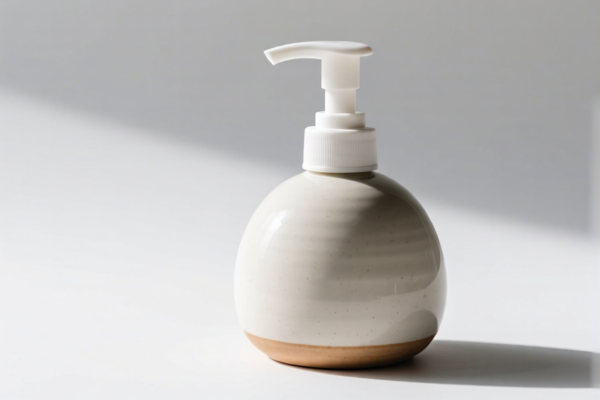
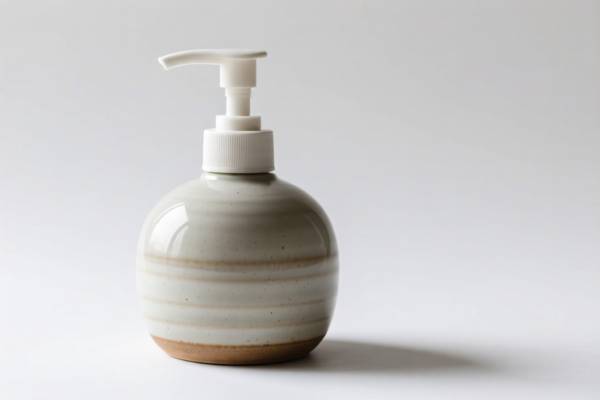
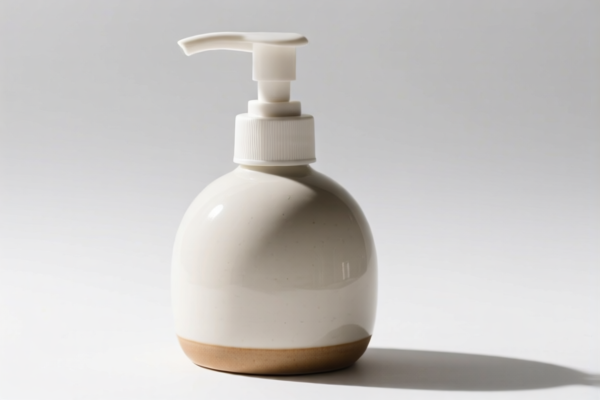
AI Analysis
🧼 Household Sterilizing Hand Soap
🌐 HS Code Reference & Clearance Guide | 2026 Updated Tariff Analysis | Professional Strategy for Safe & Efficient Customs Clearance
📌 I. Product Definition & Classification: Do You Really Understand "Sterilizing Hand Soap"?
Household Sterilizing Hand Soap is a specialized cleaning and disinfecting product designed for personal hygiene. It combines surfactant-based cleaning properties with antimicrobial/antiseptic agents (such as alcohol, chloroxylenol, or benzalkonium chloride) to kill bacteria and viruses on skin.
In international trade, classification depends heavily on: - Primary Function: Is it primarily for cleaning (washing) or disinfection? - Formulation: Is it alcohol-based? Does it contain other biocidal active ingredients? - Packaging & Usage: Consumer vs. Industrial?
⚠️ Critical Classification Logic:
- If the main purpose is cleaning (removing dirt) with a secondary disinfecting effect → Often classified under Ch. 34 (Soaps & Detergents).
- If the main purpose is disinfection (killing pathogens) regardless of cleaning → Often classified under Ch. 38 (Biocidal Products).
- Alcohol-based formulations with high disinfectant concentration → Often pushed into Ch. 38 (specifically Alcohol-based disinfectants).
📦 II. Detailed HS Code Breakdown (2026 Tariff Reference)
Based on the provided data, here are the four possible classification scenarios, their logic, and the resulting tax implications.
| HS Code | Classification Logic & Summary | Primary Function | Tax Rate |
|---|---|---|---|
| 3808.59.50.00 | Disinfectant Product: The product is primarily a "biocidal" agent (disinfectant) for household use. It fits the definition of "disinfectants and similar products." | Disinfection (Primary) | 15.0% |
| 3402.90.50.10 | Cleaning Preparation: The product is viewed as a "washing/cleaning preparation" (surfactant-based) with disinfecting additives. No material conflict. | Cleaning (Primary) | 13.7% |
| 3808.94.50.80 | Alcohol-Based Disinfectant: Inferred as an alcohol-based hand sanitizer/soap. Matches the description of "alcohol-based hand disinfectants." | Disinfection (High Alcohol) | 40.0% |
| 3402.50.51.00 | Organic Surfactant Soap: Based on the name, inferred as a cleaning agent using organic surfactants. Fits the definition of "cleaning preparations." | Cleaning (Basic) | 10.0% |
🔍 Key Insight:
- 3808 series (Disinfectants) generally carries higher tariffs (15%–40%) due to security/biocidal regulations. - 3402 series (Cleaning) generally carries lower tariffs (10%–13.7%) if the product is primarily a soap/detergent. - The distinction between "Cleaning" (3402) and "Disinfection" (3808) is the single most critical factor in determining your duty rate.
💰 III. 2026 Tariff Rate Breakdown (Detailed & Comprehensive)
✅ Applicable Market: United States (US)
✅ Country of Origin: China (CN)
✅ Effective Time: Current 2026 tariff regime (includes Section 301 and Section 122 tariffs)
🎯 1. 3808.59.50.00 – Disinfectants & Similar Products (Household)
| Item | Content |
|---|---|
| Base Duty | 5.0% (Standard MFN) |
| Section 301 Add-on | 0.0% (No additional 25% here based on provided data) |
| Section 122 Add-on | +10.0% (Retaliatory tariff for Section 301 products) |
| Total Rate | 15.0% |
| Legal Reference | HTSUS 3808.59.50.00 + Section 122 Retaliation |
📌 Explanation:
This rate assumes the product is classified strictly as a disinfectant but falls under a specific sub-category that is not subject to the heavy 25% Section 301 tariff often applied to other 3808 items. The 10% Section 122 is a retaliatory tariff applied to Chinese goods in response to US trade actions.
🎯 2. 3402.90.50.10 – Other Cleaning Preparations (Surfactant-based)
| Item | Content |
|---|---|
| Base Duty | 3.7% |
| Section 301 Add-on | 0.0% |
| Section 122 Add-on | +10.0% |
| Total Rate | 13.7% |
| Legal Reference | HTSUS 3402.90.50.10 + Section 122 Retaliation |
📌 Explanation:
This is the "Best Case" for a soap product if it can be argued as primarily a cleaning agent. The base duty is low (3.7%), and only the Section 122 retaliatory tariff applies, keeping the total at 13.7%.
🎯 3. 3808.94.50.80 – Alcohol-Based Disinfectants
| Item | Content |
|---|---|
| Base Duty | 5.0% |
| Section 301 Add-on | +25.0% (Heavy punitive tariff) |
| Section 122 Add-on | +10.0% |
| Total Rate | 40.0% |
| Legal Reference | HTSUS 3808.94.50.80 + Section 301 (25%) + Section 122 |
📌 Explanation:
⚠️ HIGH RISK! This classification triggers both the heavy 25% Section 301 tariff (often applied to "biocidal" products or specific chemical preparations) AND the 10% Section 122 tariff. The total hits 40%. This usually applies if the product is marketed primarily as an alcohol sanitizer with high alcohol content (>70%).
🎯 4. 3402.50.51.00 – Organic Surfactant Cleaning Agents
| Item | Content |
|---|---|
| Base Duty | 0.0% (Duty-Free Base) |
| Section 301 Add-on | 0.0% |
| Section 122 Add-on | +10.0% |
| Total Rate | 10.0% |
| Legal Reference | HTSUS 3402.50.51.00 + Section 122 Retaliation |
📌 Explanation:
🏆 BEST RATE! If the product can be successfully argued as a pure cleaning preparation based on organic surfactants, the base duty is 0%. Only the Section 122 tariff applies, resulting in the lowest possible rate of 10%. This is the most advantageous classification for commercial profit.
🛠️ IV. Customs Clearance Strategy & Practical Advice
✅ 1. Material Preparation Checklist (Mandatory)
| Document | Requirement | Why It Matters |
|---|---|---|
| Safety Data Sheet (SDS) | Must clearly state active ingredients and concentration (e.g., Alcohol %, Chloroxylenol %) | Critical: Determines if it's "Cleaning" (3402) or "Disinfectant" (3808). |
| Product Label & Photos | Show exact usage instructions and marketing claims ("Kills 99.9% of germs" vs. "Washes hands") | 海关 officers look at marketing. "Kills germs" pushes you to 3808 (higher tax). |
| Formula Disclosure | List of all ingredients with percentages | Needed to prove surfactant content vs. biocide content. |
| Usage Scenario Proof | Marketing brochures showing "Daily Hand Washing" vs. "Sanitizing Station" | Proves "Cleaning" primary function for 3402 classification. |
| Commercial Invoice | Clear description: "Household Sterilizing Hand Soap" | Must match the HS Code description. |
✅ 2. Strategic Classification Advice (The "Save Money" Game)
🔥 Strategy: Push for 3402, Avoid 3808 (unless you must)
| Situation | Recommended Action | Goal |
|---|---|---|
| Product is primarily for washing | Classify under 3402.90.50.10 or 3402.50.51.00 | Save 3–5% in base duty; Total 10–13.7%. |
| Product is Alcohol-based Sanitizer | Classify under 3808.94.50.80 (if alcohol >60%) | Avoid misclassification penalties; Accept 40% if unavoidable. |
| Product is "Antibacterial Soap" | Argue "Cleaning" primary function; cite surfactant content | Aim for 10%–13.7% (3402). |
| Product is "Disinfectant Gel" | Must be 3808 | Accept 15%–40% depending on formulation. |
⚠️ Warning:
- Do NOT claim "Cleaning" if the product is 70%+ alcohol and marketed as a sanitizer. This is misclassification and leads to fines, seizures, or forced re-entry at the 40% rate + penalties. - Do NOT claim "Disinfectant" if the product is primarily soap with a tiny additive. This wastes money (15% vs 10%).
✅ 3. Special Handling & Pitfalls
| Pitfall | Consequence | Solution |
|---|---|---|
| Misclassifying 3808 as 3402 | Customs may reject and assess 40% + penalties | Ensure SDS clearly shows surfactant > biocide. |
| Over-marketing "Disinfection" | Customs assumes primary purpose is disinfection (3808) | Use softer language: "Cleans and protects" vs. "Kills bacteria". |
| Ignoring Section 122 | Underpaying duties by 10% | All 3808/3402 items from China currently face the 10% Section 122 tariff. |
| Alcohol Concentration | High alcohol = 3808 (40%) | Formulate with higher water/surfactant ratio to stay in 3402 if possible. |
📌 V. Final Verdict & Action Plan
🎯 Recommendation:
1. Analyze Formula: If the product is >50% surfactant/water and <5% biocide, Fight for 3402.50.51.00 (10% total).
2. If Alcohol Heavy: Accept 3808.94.50.80 (40% total) but ensure compliance with FDA/USDA regulations.
3. Always Check Section 122: Remember, 10% is added to ALL categories in this scenario.🚀 Next Steps:
1. Request SDS revision to highlight cleaning properties if aiming for 3402.
2. Submit Pre-Ruling Request to CBP to lock in the 10% or 13.7% rate.
3. Budget for 40% duty if the product is strictly an alcohol-based sanitizer.
💡 Pro Tip:
"The difference between 10% and 40% is not just tax—it's your entire profit margin. Classify smartly, declare precisely, and avoid the 'Alcohol Trap'!"
✨ Professional Customs Clearance Starts with Accurate Classification!
💼 Your Margin Depends on Your HS Code.
Customer Reviews
About HS Code Classification
The Harmonized System (HS) is an internationally standardized nomenclature developed by the World Customs Organization (WCO) to classify traded products. Over 200 countries use the HS system as the basis for customs tariffs, trade statistics, and import/export regulations.
Each HS code follows a hierarchical structure:
- Chapter (2 digits) — Broad category of goods (e.g., Chapter 84: Machinery and Mechanical Appliances)
- Heading (4 digits) — More specific grouping within the chapter
- Subheading (6 digits) — Internationally standardized breakdown, used by all WCO member countries
- National subdivisions (8-10 digits) — Country-specific extensions for further classification, such as US HTSUS 10-digit codes
Correct HS code classification is essential for smooth customs clearance, accurate duty payment, and compliance with trade regulations. Misclassification can lead to customs delays, overpayment of duties, or penalties.
When importing from CN to US, the applicable tariff rates may include:
- Most-Favored-Nation (MFN) rate — The standard duty rate applied to WTO members
- General rate — Applied to countries without trade agreements
- Trade remedy duties — Additional tariffs such as Section 301 (anti-dumping), Section 232 (national security), or countervailing duties
The information provided on this page is for reference purposes only. For official classification, please consult with your local customs authority or a licensed customs broker.