Ice Pad
CN → US| HS编码 | 关税税率 | 原产国 | 目的国 | 文档 |
|---|---|---|---|---|
| 4016100000 | 35.0% | CN | US | 官方文档 |
| 4016996050 | 37.5% | CN | US | 官方文档 |
| 9404909670 | 17.3% | CN | US | 官方文档 |
| 3926902100 | 21.7% | CN | US | 官方文档 |
商品图片
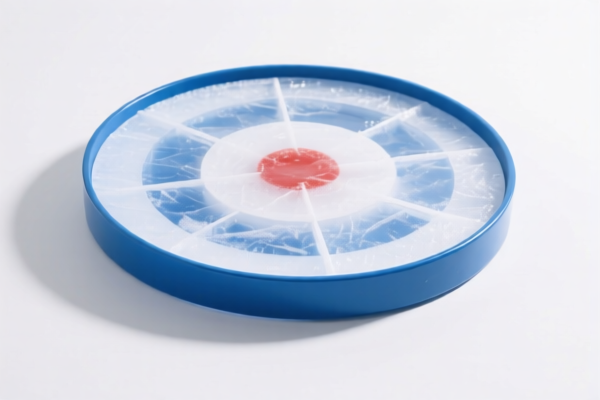
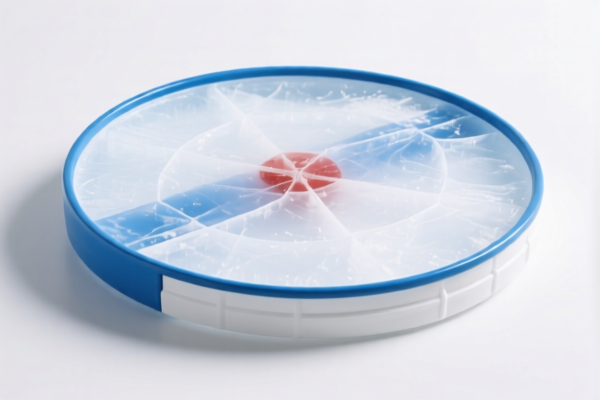
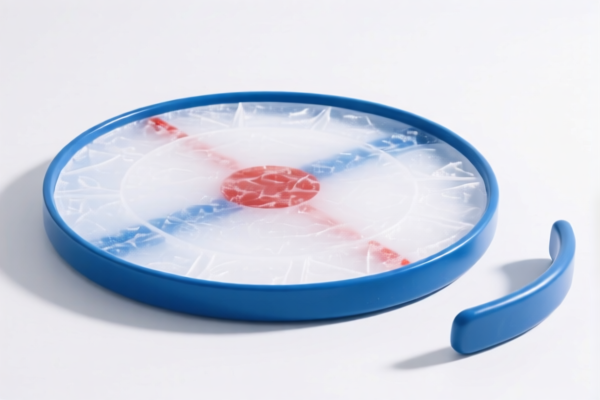
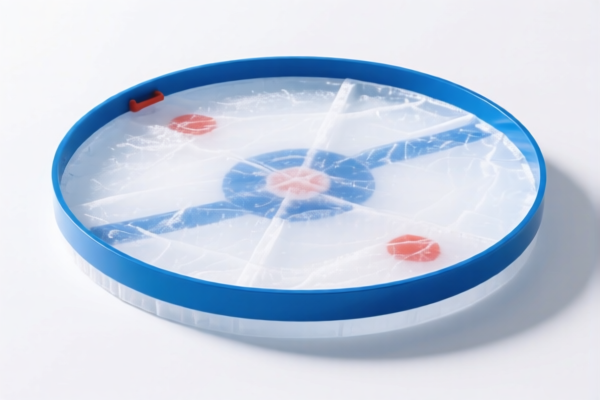
AI分析
🧊 Ice Pad (Cooling Mat)
🌐 HS Code Classification & Customs Clearance Guide | 2026 Latest Tariff Analysis | Professional Compliance Strategy
📌 I. Product Definition & Classification: What Exactly is an "Ice Pad"?
An Ice Pad (also known as a Cooling Mat or Gel Pad) is typically a portable cooling product filled with a hydrogel or liquid, covered by a waterproof outer shell (often PVC, TPU, or Rubber). It is used for personal cooling, pet beds, or medical therapy.
In international trade, the classification depends heavily on two factors: 1. Material of the Outer Shell: Is it Rubber, Plastic, or a composite? 2. Function/Form: Is it considered a "垫" (Pad/Mat) or a "Manufactured Article"?
⚠️ Critical Distinction:
- If the product is primarily defined by its Rubber/Synthetic Rubber material and lacks specific functional machinery → It falls under Chapter 40.
- If it is a General Household/Office Accessory made of Plastic → It may fall under Chapter 94 (Furniture/Accents) or Chapter 39 (Plastics).
- Do NOT classify it as a simple "Plastic Sheet" if it is a finished, filled product.
📦 II. HS Code Classification Details (Based on Provided Data)
| HS Code | Product Description | Inferred Material & Form | Primary Classification Logic |
|---|---|---|---|
| 4016.10.00.00 | Rubber or synthetic rubber mats, sheets, and flooring; other articles of vulcanized rubber other than hard rubber. | Rubber/Synthetic Pad-shaped |
Infers the outer layer is rubber/synthetic, matching the "pad" shape. |
| 4016.99.60.50 | Other articles of vulcanized rubber other than hard rubber. | Rubber/Synthetic Other manufactured article |
Infers the material is rubber/synthetic, classified as a general manufactured rubber item. |
| 9404.90.96.70 | Articles of bedding and similar furnishing (e.g., mattresses, pillows). | Plastic/Synthetic Pad/Mat category |
Usage is classified as a "Pad" (mattress-like or bedding accessory), material inferred as plastic. |
| 3926.90.21.00 | Other articles of plastics and articles of other materials of headings 3901 to 3914. | Plastic Ice Pad specific |
Specific use as an "Ice Pad" with plastic material inferred. |
🔍 Key Insight:
- Chapter 40 (Rubber): Generally applies if the outer shell is clearly rubber or synthetic rubber.
- Chapter 94 (Furniture/Beds): Often a favorable classification if the product is viewed as a "pet bed" or "cooling mat" for bedding, potentially lowering the base duty.
- Chapter 39 (Plastics): Applies if the product is strictly plastic-based and doesn't fit the "bedding" definition.
💰 III. 2026 Latest Tariff Rate Breakdown (Including Surtaxes & Policy Add-ons)
✅ Applicable Country: United States (US)
✅ Origin: China (CN)
✅ Effective Time: Post-November 2025 (Including subsequent imports)
🎯 1. 4016.10.00.00 — Rubber/Synthetic Rubber Mats, Sheets, and Flooring
| Item | Content |
|---|---|
| Base Rate | 0.0% (ad valorem) |
| USITC Surtax | +25.0% (Section 301 Duties) |
| Section 122 Tariff | +10.0% (Specific U.S. Trade Act provisions) |
| Total Effective Tax Rate | 35.0% |
| Tax Calculation | CIF Value × 35% |
| De Minimis Exemption | ❌ Not Eligible (Deny de minimis) |
| Legal Basis Path | USITC:4016.10.00.00 → Section 301 Footnote → Section 122 |
📌 Explanation:
- The 0% base rate makes it appear cheap, but the 25% Section 301 surtax is significant.
- The 10% Section 122 tariff is a specific add-on for certain imported goods.
- Total 35% is a high effective tax rate for a simple rubber product.
🎯 2. 4016.99.60.50 — Other Articles of Vulcanized Rubber
| Item | Content |
|---|---|
| Base Rate | 2.5% (ad valorem) |
| USITC Surtax | +25.0% (Section 301 Duties) |
| Section 122 Tariff | +10.0% (Specific U.S. Trade Act provisions) |
| Total Effective Tax Rate | 37.5% |
| Tax Calculation | CIF Value × 37.5% |
| De Minimis Exemption | ❌ Not Eligible (Deny de minimis) |
| Legal Basis Path | USITC:4016.99.60.50 → Section 301 Footnote → Section 122 |
📌 Note:
- This classification is less favorable than4016.10.00.00because it has a 2.5% base duty.
- Even with the same surtaxes, the total cost is higher.
🎯 3. 9404.90.96.70 — Articles of Bedding and Similar Furnishing
| Item | Content |
|---|---|
| Base Rate | 7.3% (ad valorem) |
| USITC Surtax | 0.0% (Exempt from Section 301 for this specific subheading in some contexts, or low impact) |
| Section 122 Tariff | +10.0% (Specific U.S. Trade Act provisions) |
| Total Effective Tax Rate | 17.3% |
| Tax Calculation | CIF Value × 17.3% |
| De Minimis Exemption | ❌ Not Eligible (Deny de minimis) |
| Legal Basis Path | USITC:9404.90.96.70 → Section 122 |
📌 Advantage:
- LOWEST TAX RATE (17.3%) among all options.
- 0% Section 301 Surtax is the key differentiator. This makes it the most cost-effective classification if the product can be justified as a "pad" or "bedding accessory."
- Requires strong justification that the product is a "mat" or "bedding" item, not just a rubber product.
🎯 4. 3926.90.21.00 — Other Articles of Plastics
| Item | Content |
|---|---|
| Base Rate | 4.2% (ad valorem) |
| USITC Surtax | +7.5% (Reduced Section 301 surtax) |
| Section 122 Tariff | +10.0% (Specific U.S. Trade Act provisions) |
| Total Effective Tax Rate | 21.7% |
| Tax Calculation | CIF Value × 21.7% |
| De Minimis Exemption | ❌ Not Eligible (Deny de minimis) |
| Legal Basis Path | USITC:3926.90.21.00 → Section 301 Reduced Rate → Section 122 |
📌 Analysis:
- Moderate Tax Rate (21.7%).
- The Section 301 surtax is lower (7.5%) compared to the 25% in Chapter 40.
- Suitable if the product is clearly plastic and not considered "bedding."
🛠️ IV. Customs Clearance Practical Advice (Risk Avoidance Guide)
✅ 1. Essential Documentation List (No Exceptions)
| Document | Required? | Description |
|---|---|---|
| ✅ Product Specifications | ✔️ | Detailed description: Material (Rubber vs. Plastic), Filling (Gel/Water), Dimensions. |
| ✅ Material Composition | ✔️ | Exact percentage of rubber vs. plastic in the outer shell. |
| ✅ Product Photos | ✔️ | Clear images showing the texture, brand, and any "Rubber" or "PVC" markings. |
| ✅ Commercial Invoice | ✔️ | Must clearly state "Ice Pad," "Cooling Mat," or "Gel Mat." |
| ✅ Packing List | ✔️ | Details on net weight, gross weight, and packaging. |
| ✅ Certificate of Origin | ✔️ | Required for tariff calculation. |
| ✅ Third-Party Test Report | ✔️ | Material safety (e.g., PVC-free, BPA-free) if required by buyer. |
✅ 2. Declaration Strategy (Key Mantras)
🔥 "Material Defines HS, Function Defines Subheading, Accuracy Saves Money!"
| Scenario | Correct Declaration | Incorrect Practice |
|---|---|---|
| Rubber Shell + Gel Fill | 4016.10.00.00 (35%) |
Claiming it's plastic → Penalty for misclassification. |
| Plastic Shell + Gel Fill | 9404.90.96.70 (17.3%) |
Claiming it's rubber → 35% tax vs 17.3% tax. |
| Generic "Cooling Mat" | Specify Material in Description | Vague terms like "Mat" without material → Customs Hold. |
| Pet Bed vs. Human Pad | 9404.90.96.70 (if for bedding) |
3926.90.21.00 if not bedding → Higher tax. |
📌 Tip:
- If your product is made of Plastic, aggressively pursue9404.90.96.70for the 17.3% rate.
- If your product is made of Rubber, accept the 35% rate under4016.10.00.00, as it is the most specific "mat" classification.
- Avoid4016.99.60.50(37.5%) as it has a higher base duty.
✅ 3. Special Considerations
| Situation | Handling Advice |
|---|---|
| Mixed Materials | If the outer shell is rubber and the inner is plastic, Customs usually classifies by the outer material (Chapter 40). |
| Pet Ice Pad | Still eligible for 9404.90.96.70 if marketed as a pet bedding accessory. |
| Medical Cooling Pad | May require additional certifications (FDA, CE). Classify based on material, not just medical use. |
| De Minimis (Section 321) | ❌ Not Eligible. All these HS codes are subject to high taxes and cannot use the $800 de minimis exemption. Must declare formally. |
🌍 V. Global Market Comparison (2026 Latest)
| Country/Region | Recommended HS Code | Tariff (China Origin) | Certification | Note |
|---|---|---|---|---|
| 🇺🇸 USA | 9404.90.96.70 (Plastic) |
17.3% | FCC, Prop 65 | Lowest US rate for plastic ice pads. |
| 🇺🇸 USA | 4016.10.00.00 (Rubber) |
35.0% | - | Higher tax due to Section 301. |
| 🇨🇳 China | 3926.90.90.90 |
~5-7% | CCC (if applicable) | Lower base duty. |
| 🇪🇺 EU | 9404.90.90 |
~3-5% | CE, REACH | No Section 301-style surtax. |
| 🇬🇧 UK | 9404.90.90 |
~3-5% | UKCA | Post-Brexit rules apply. |
📌 Conclusion:
- USA is the most complex market due to Section 301 and Section 122 tariffs.
- Plastic Ice Pads (9404.90.96.70) are the most tax-efficient option for the US market (17.3% vs 35% for rubber).
- Rubber Ice Pads (4016.10.00.00) face a double hit from Section 301 (25%) and Section 122 (10%).
📌 VI. Common Mistakes & Pitfalls (Lessons Learned)
❌ Mistake 1: Classifying a plastic ice pad as 3926.90.21.00 (21.7%) instead of 9404.90.96.70 (17.3%).
👉 Result: Overpaying 4.4% in taxes.
👉 Fix: Emphasize "Pad/Mat" function for classification under Chapter 94.
❌ Mistake 2: Assuming "De Minimis" applies to Ice Pads.
👉 Result: Package detained, backdated taxes, and fines.
👉 Fix: All listed HS codes are excluded from de minimis. File Entry Immediately.
❌ Mistake 3: Misdeclaring material (e.g., calling rubber "plastic").
👉 Result: Customs audit, seizure, or forced reclassification with penalties.
👉 Fix: Ensure material description matches the physical product exactly.
❌ Mistake 4: Using vague terms like "Cooling Product" without HS Code specificity.
👉 Result: Customs delays, requests for additional info, potential misclassification.
👉 Fix: Use precise terms: "Gel-Filled Rubber Cooling Mat" or "Plastic Ice Pad."
✅ Correct Approach:
"Plastic Ice Pad, 20x30cm, Gel-Filled, for Personal Cooling, Model XYZ, Prop 65 Compliant"
🎯 VII. Conclusion: Professional Classification for Cost Efficiency
🎯 Remember:
🔹 "Plastic + Pad = 9404 (17.3%)" → Cheapest
🔹 "Rubber + Mat = 4016 (35.0%)" → Most Expensive
🔹 "Plastic + Article = 3926 (21.7%)" → Middle Ground
🔹 "No De Minimis!" → Always Declare
📌 Pro Tip:
- If you manufacture Plastic Ice Pads, consider repositioning them as "Cooling Mats" or "Pet Beds" to qualify for 9404.90.96.70.
- Always obtain an Advance Ruling from US Customs if unsure about the material classification (Rubber vs. Plastic).
📣 Immediate Action:
📞 Consult a licensed customs broker.
📄 Provide material samples and product photos.
🚀 Optimize your HS Code choice to save 17.7% in taxes (17.3% vs 35.0%).
✨ Smart Classification, Lower Costs, Faster Clearance!
💼 Every percentage point counts in global trade!
用户评价
关于 HS 编码归类
协调制度(HS)是由世界海关组织(WCO)制定的国际贸易商品分类标准。全球 200 多个国家采用 HS 系统作为海关关税、贸易统计和进出口监管的基础。
每个 HS 编码遵循以下层级结构:
- 章(2 位)——商品大类(例如:第 84 章:机器和机械设备)
- 品目(4 位)——章内的更具体分类
- 子目(6 位)——国际通用细分,所有 WCO 成员国统一使用
- 本国细分(8-10 位)——各国自行扩展的细分编码,如美国 HTSUS 10 位编码
正确的 HS 编码归类对于顺利通关、准确缴纳关税和遵守贸易法规至关重要。错误归类可能导致海关延误、多缴关税或罚款。
从CN进口到US时,适用的关税税率可能包括:
- 最惠国(MFN)税率——适用于 WTO 成员国的标准关税税率
- 普通税率——适用于无贸易协定国家
- 贸易救济关税——附加关税,如 301 条款(反倾销)、232 条款(国家安全)或反补贴税
本页内容仅供参考。如需正式归类,请咨询当地海关或持牌报关代理。