Impregnated/Covered Paper Packaging Base Paper
CN → US| HS编码 | 关税税率 | 原产国 | 目的国 | 文档 |
|---|---|---|---|---|
| 4811512040 | 35.0% | CN | US | 官方文档 |
| 4811512010 | 35.0% | CN | US | 官方文档 |
商品图片
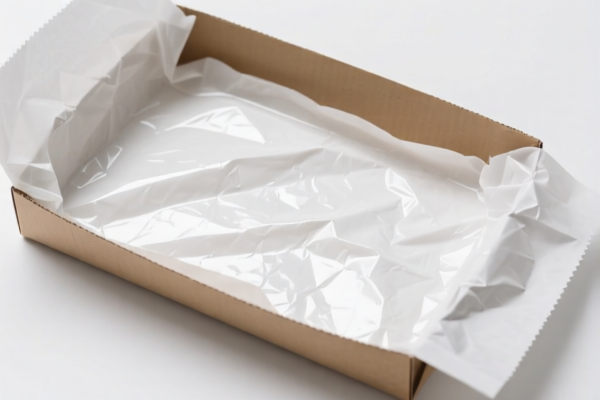
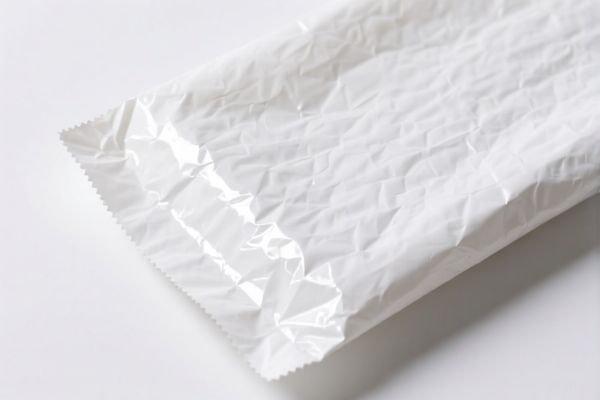
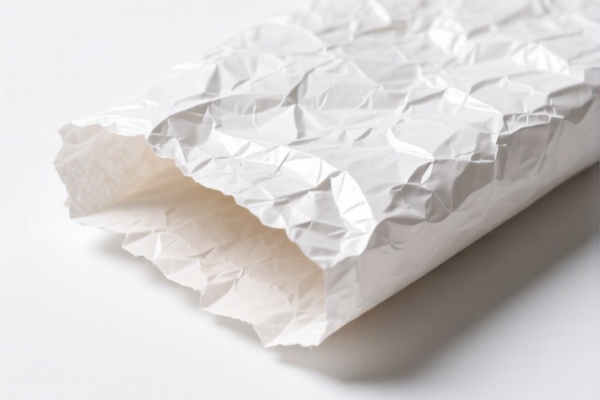
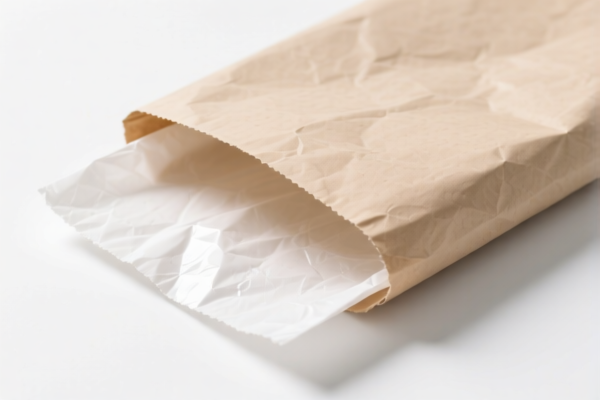
AI分析
📦 Impregnated/Covered Paper Packaging Base Paper
🌐 HS Code Reference & Clearance Guide | 2026 Latest Tariff Analysis | Professional Customs Strategy
📌 I. Product Definition & Classification: What is "Packaging Base Paper"?
Impregnated or covered paper used as a base for packaging is a specialized intermediate material. It is not a finished carton or box, but the structural "skin" or core that will later be converted into milk cartons, beverage containers, or other food-grade packaging.
In international trade, the classification depends strictly on: 1. Material: Paper or paperboard. 2. Treatment: Coated, impregnated, or covered (typically with plastics like PE to provide moisture/air barrier properties). 3. Form: Rolls or sheets. 4. Weight & Thickness: Specific thresholds (e.g., >150 g/m²) and dimensions.
⚠️ Key Distinction:
- If the product is white/bleached and intended for food/beverage containers (like milk cartons), it falls under 4811.51.20.10.
- If it is white/bleached and intended for general packaging (boxes, bags), it falls under 4811.51.20.40.
- Do not classify as "finished cartons" (Heading 4804/4805) or "printing paper" (Heading 4802/4803).
📋 II. HS Code Classification Details (2026 Latest Tariff Alignment)
| HS Code | Product Description | Application Scenario | Key Characteristics |
|---|---|---|---|
4811.51.20.10 |
Base stock for milk cartons and other beverage containers | Dairy packaging, juice cartons, UHT milk boxes | Bleached, >150 g/m², Plastic-coated/impregnated, specific thickness/dimensions |
4811.51.20.40 |
Base stock for general packaging | Food boxes, cosmetic boxes, rigid boxes, non-beverage containers | Bleached, >150 g/m², Plastic-coated/impregnated, specific thickness/dimensions |
🔍 Critical Note:
- Both codes refer to Heading 4811 (Paper treated with plastics).
- The differentiation is purely based on the intended end-use:
- "Beverage Container" →...10
- "Other Packaging" →...40
- Misclassification Risk: If you declare "Milk Carton Paper" but use it for cosmetic boxes, or vice versa, customs may reclassify and impose penalties.
💰 III. 2026 Tariff Rate Breakdown (US Import from China)
✅ Applicable Country: United States (US)
✅ Origin: China (CN)
✅ Effective Date: Current rates apply (Note: Verify if any new exemptions apply to your specific supplier).
🎯 1. 4811.51.20.10 —— Base Stock for Milk/Beverage Containers
| Item | Detail |
|---|---|
| Base Tariff | 0.0% |
| Section 301 Additional Duty | 25.0% |
| Total Tariff Rate | 25.0% |
| Calculation Basis | CIF Value × 25% |
| De Minimis Exemption | ❌ Not Applicable |
| Legal Reference | USITC HTS 4811.51.20.10 + Section 301 Footnote |
📌 Explanation:
- The "Base Tariff" for this specific subheading is 0% under normal trade relations.
- However, due to Section 301 tariffs on Chinese imports, an additional 25% is levied.
- Total Cost Impact: For every $1,000 of goods, you pay $250 in tariffs.
🎯 2. 4811.51.20.40 —— Base Stock for General Packaging
| Item | Detail |
|---|---|
| Base Tariff | 0.0% |
| Section 301 Additional Duty | 25.0% |
| Total Tariff Rate | 25.0% |
| Calculation Basis | CIF Value × 25% |
| De Minimis Exemption | ❌ Not Applicable |
| Legal Reference | USITC HTS 4811.51.20.40 + Section 301 Footnote |
📌 Explanation:
- Identical tax structure to...10.
- Both are classified under Chapter 48, which generally faces heavy scrutiny and tariffs from China.
🛠️ IV. Clearance Operational Advice (Practical Pitfall Guide)
✅ 1. Documentation Checklist (Non-Negotiable)
| Document | Required? | Purpose |
|---|---|---|
| Product Specification Sheet | ✔️ | Must specify: Bleached status, Weight (g/m²), Thickness (mm), Plastic type/coating weight, and Intended End-Use |
| Commercial Invoice | ✔️ | Must clearly state: "Paper base for packaging" and specify Milk Carton vs. General Packaging |
| Packing List | ✔️ | Must show roll dimensions or sheet sizes to verify compliance with "width >15cm" rule |
| Certificate of Origin (CO) | ✔️ | To confirm China origin (triggers 25% tariff) |
| Declaration of Use | ✔️ | Crucial: A signed statement specifying if the paper is for beverage containers (...10) or other packaging (...40) |
✅ 2. Declaration Tips (Key Mantra)
🔥 “Be Specific, Declare Use, Avoid ‘Paper’ Alone!”
| Situation | Correct Declaration | Incorrect Declaration |
|---|---|---|
| For Milk Cartons | "Bleached Plastic-Coated Paper Base, >150g/m², for Milk Cartons" | "Paper Roll" or "Packaging Paper" |
| For Cosmetic Boxes | "Bleached Plastic-Coated Paper Base, >150g/m², for General Packaging" | "Carton Board" |
| Finished Cartons | Do NOT use HS 4811. Use Heading 4804/4805 instead. | Misdeclaring finished boxes as "base paper" to lower tariffs (High Risk!) |
⚠️ Warning:
- If you declare...10(Beverage) but the goods are used for non-beverage packaging, customs may reclassify to...40(same rate, but administrative delay).
- If you declare...40but it’s actually for beverage containers, no rate difference, but consistency in supply chain documentation is required for audits.
✅ 3. Special Cases & Solutions
| Scenario | Advice |
|---|---|
| OEM Production | Provide end-user purchase orders showing the final product (e.g., "Milk Carton Manufacturer") to justify ...10. |
| Mixed Rolls | If a single roll contains layers for both uses, declare the primary function. If mixed shipments, split declarations. |
| Thickness Dispute | Ensure thickness is ≥0.3 mm for the specific subheadings in 4811.51.20. If <0.3 mm, it may fall under different subheadings with different rates. |
| Unbleached Paper | If the paper is not bleached, it does NOT fall under 4811.51.20.xx. It may fall under 4811.59.xx with different tariffs. Check bleaching status carefully! |
🌍 V. Global Market Clearance Comparison (2026)
| Region | Recommended HS Code | Tariff Rate (China Origin) | Key Requirement |
|---|---|---|---|
| 🇺🇸 USA | 4811.51.20.10 / .40 |
25.0% (Total) | Section 301 applies. Precise use declaration required. |
| 🇨🇳 China | 4811.51.20.10 / .40 |
~5-6% | Standard import duty. No additional anti-dumping usually. |
| 🇪🇺 EU | 4811.51 |
~5.0-6.0% | CE marking not required for raw material, but REACH compliance for plastics needed. |
| 🇨🇦 Canada | 4811.51.20 |
MFN Rate ~5-6% | Free trade agreements may reduce rates if from CUSMA countries. |
📌 Conclusion:
- The US market is the most challenging due to the 25% Section 301 tariff.
- EU/Canada have lower tariffs but stricter environmental/plastic regulations (REACH).
- Cost Optimization: Consider sourcing from non-China countries (e.g., Vietnam, Brazil) if eligible for preferential rates to avoid the 25% US surcharge.
📌 VI. Common Errors & Pitfalls (Lessons Learned)
❌ Error 1: Declaring as "Paper" (General)
👉 Consequence: Customs reclassifies to 4811.51.20.xx and applies 25% tariff + penalties for misdeclaration.
❌ Error 2: Confusing "Base Paper" with "Finished Cartons"
👉 Consequence: Finished cartons may have different tariffs. If you declare base paper but ship finished boxes, cargo will be detained.
❌ Error 3: Ignoring Bleaching Status
👉 Consequence: If the paper is unbleached (kraft), it falls under 4811.59 (Other), not 4811.51 (Bleached). This changes the HS code entirely.
❌ Error 4: Vague Description on Invoice
👉 Consequence: "Paper for Packaging" is too vague. Must specify "Bleached, Plastic-Coated, >150g/m², for [Specific Use]".
✅ Correct Declaration Example:
"BLEACHED PAPER BASE, PLASTIC-IMPREGNATED, WEIGHT 160G/M², ROLLS WIDTH 120CM, THICKNESS 0.35MM, FOR MILK CARTON MANUFACTURE. HS 4811.51.20.10."
🎯 VII. Conclusion: Professional Declaration Saves Money!
🎯 Remember the Mantra:
🔹 "Bleached & Coated >150g/m² → Look at 4811.51.20"
🔹 "Milk Carton → .10 | Other Packaging → .40"
🔹 "25% Tariff Lurks → Be Precise!"
📌 Pro Tip:
- If your volume is high, consider applying for a Section 301 Exclusion if available (check USTR website for current exclusions).
- Always keep samples and test reports (showing bleaching, weight, coating) for customs inspection.
- Verify if your supplier can provide Non-Preferential Origin Certificate to prove it’s not from a third country evading tariffs.
📣 Immediate Action:
📞 Consult your customs broker with Product Specs + Intended End-Use.
📝 Declare Exactly: "Bleached, >150g/m², Plastic-Coated Paper Base for [Milk Cartons/Packaging]".
🚀 Clear Customs Smoothly, Control Costs, Avoid Delays!
✨ Precision in Classification is Key to Profitability!
💼 Every Dollar in Tariffs Counts!
用户评价
关于 HS 编码归类
协调制度(HS)是由世界海关组织(WCO)制定的国际贸易商品分类标准。全球 200 多个国家采用 HS 系统作为海关关税、贸易统计和进出口监管的基础。
每个 HS 编码遵循以下层级结构:
- 章(2 位)——商品大类(例如:第 84 章:机器和机械设备)
- 品目(4 位)——章内的更具体分类
- 子目(6 位)——国际通用细分,所有 WCO 成员国统一使用
- 本国细分(8-10 位)——各国自行扩展的细分编码,如美国 HTSUS 10 位编码
正确的 HS 编码归类对于顺利通关、准确缴纳关税和遵守贸易法规至关重要。错误归类可能导致海关延误、多缴关税或罚款。
从CN进口到US时,适用的关税税率可能包括:
- 最惠国(MFN)税率——适用于 WTO 成员国的标准关税税率
- 普通税率——适用于无贸易协定国家
- 贸易救济关税——附加关税,如 301 条款(反倾销)、232 条款(国家安全)或反补贴税
本页内容仅供参考。如需正式归类,请咨询当地海关或持牌报关代理。