Indoor Decorative Textile Composite Plastic Foil
CN → US| HS编码 | 关税税率 | 原产国 | 目的国 | 文档 |
|---|---|---|---|---|
| 3921901500 | 41.5% | CN | US | 官方文档 |
| 3921901100 | 39.2% | CN | US | 官方文档 |
| 3926400010 | 15.3% | CN | US | 官方文档 |
| 3926909989 | 22.8% | CN | US | 官方文档 |
| 4814900200 | 17.5% | CN | US | 官方文档 |
商品图片
AI分析
🏠 Indoor Decorative Textile Composite Plastic Foil
🌐 HS Code Reference & Customs Clearance Guide | 2026 Latest Tariff Analysis | Professional Clearance Strategy
📌 1. Product Definition & Classification: What is this "Composite Foil"?
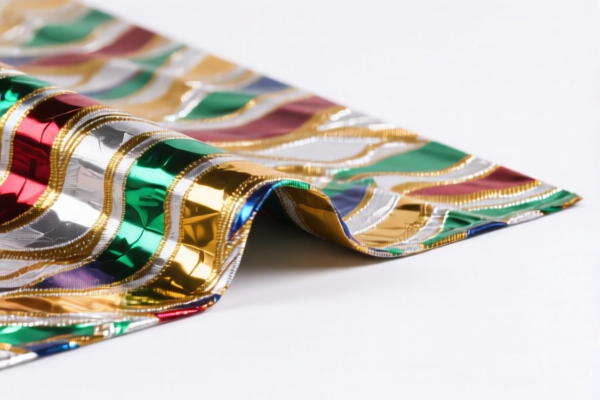
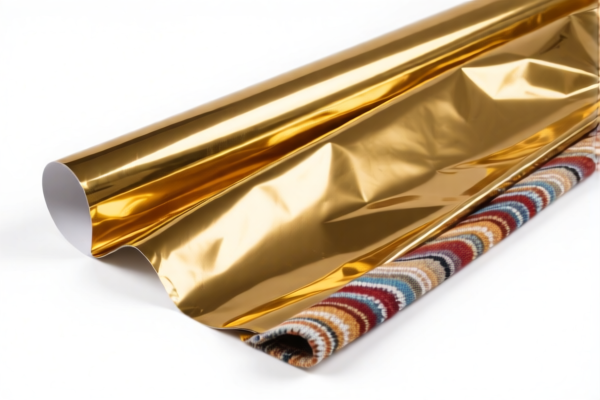
This product is a specialized building material combining plastic (likely PVC, PE, or PP) with textile backing or structure, formed into a foil/film/sheet. It is explicitly designed for indoor decoration, such as wallpaper, wall coverings, or decorative laminates.
⚠️ Key Classification Dilemma:
The core conflict lies between Chapter 39 (Plastics) and Chapter 48 (Paper/Paperboard) or Chapter 39/63 (Textiles).
- If the plastic component provides the essential character and forms a continuous film/foil structure, it often falls under HS 3921.
- If it is perceived more as a "wall covering" with a plastic coating on paper/textile, customs may look toward HS 4814 or general HS 3926.
- The presence of "122 Clause Tariff" and "Section 301" surcharges in the data indicates a high-risk classification for goods originating from China entering the US market.
📦 2. HS Code Classification Details (Based on Provided Data)
| HS Code | Product Description & Matching Logic | Tax Rate (Total) | Key Tax Components |
|---|---|---|---|
| 3921.90.15.00 | Plastic Films/Foils + Textile Composite. Matches "Plastic material" + "Foil form". Fits the description of plastic films/fols combined with textile materials. | 41.5% | Base: 6.5% +301: 25% +122 Clause: 10% |
| 3921.90.11.00 | Plastic Foils. Matches "Plastic material" + "Foil form". Inferred as textile-plastic composite with high plastic content. | 39.2% | Base: 4.2% +301: 25% +122 Clause: 10% |
| 3926.40.00.10 | Plastic Articles (Plates/Sheets). Matches "Plastic material" + "Sheet form". Categorized as plastic articles. | 15.3% | Base: 5.3% +301: 0% +122 Clause: 10% |
| 3926.90.99.89 | Other Plastic Articles. Matches "Plastic material" + "Film/Sheet form". No material/form conflict. | 22.8% | Base: 5.3% +301: 7.5% +122 Clause: 10% |
| 4814.90.02.00 | Wallpaper/Decorative Paper. Interprets "Plastic Sheet" as "Transparent Window Sheets for Paper" with "Indoor Decoration" use as "Wall Covering". | 17.5% | Base: 0.0% +301: 7.5% +122 Clause: 10% |
💰 3. 2026 Tariff Rate Breakdown & Legal Basis
✅ Context: Based on the provided data, these rates include Section 301 Tariffs and Section 122 Tariffs, indicating imports from China (CN) to the US.
🎯 1. 3921.90.15.00 & 3921.90.11.00 — High-Value Plastic Foils
These classifications treat the product primarily as a plastic composite film.
| Item | Details |
|---|---|
| Base Tariff | 4.2% – 6.5% |
| Section 301 Surcharge | 25.0% (Standard for most plastics/composites from China) |
| Section 122 Surcharge | 10.0% (Historical/reciprocal tariffs often applied to specific Chinese imports) |
| Total Effective Rate | 39.2% – 41.5% |
| Impact | Very High. Significantly erodes profit margins for decorative materials. |
| Legal Path | HTSUS 3921.90.11/15 → USITC Footnote 301 → Trade Representative List 4 |
📌 Explanation:
The high tax rate (39-41%) is driven by the 25% Section 301 tariff. Customs views "Plastic Foils" as manufactured plastic products, not raw materials, making them susceptible to full 301 duties.
🎯 2. 3926.40.00.10 & 3926.90.99.89 — Plastic Articles (Sheets/Other)
These classifications treat the product as a "plastic article" rather than a "plastic film."
| Item | Details |
|---|---|
| Base Tariff | 5.3% |
| Section 301 Surcharge | 0.0% - 7.5% (Varies by specific subheading interpretation) |
| Section 122 Surcharge | 10.0% |
| Total Effective Rate | 15.3% - 22.8% |
| Impact | Moderate. Significantly lower than the 3921 series. |
| Legal Path | HTSUS 3926.40/90 → USITC Footnote 301 |
📌 Strategy Note:
Classifying under 3926 (Plastic Articles) instead of 3921 (Plastics in Primary Forms) can save up to 20% in duties if the product can be argued as a "finished plastic article" (e.g., a decorative panel) rather than a "film." However, this is risky if the product is clearly a flexible foil.
🎯 3. 4814.90.02.00 — Wall Covering (Paper/Paperboard)
The "Lowest Tax" Strategy, but High Risk.
| Item | Details |
|---|---|
| Base Tariff | 0.0% |
| Section 301 Surcharge | 7.5% |
| Section 122 Surcharge | 10.0% |
| Total Effective Rate | 17.5% |
| Impact | Lowest Tax, but High Audit Risk. |
| Legal Path | HTSUS 4814.90.02.00 → USITC Footnote 301 |
📌 Critical Warning:
Classifying a Plastic product as Paper (4814) is a major red flag. If customs determines the product is primarily plastic (as stated in the input), this classification will likely be rejected, leading to penalties, back-taxes, and shipment delays. Only use this if the backing is predominantly paper with a thin plastic coating.
🛠️ 4. Customs Clearance Practical Advice (Risk Mitigation)
✅ 1. Documentation Checklist (Crucial for Composite Goods)
| Document | Required? | Purpose |
|---|---|---|
| Product Spec Sheet | ✅ Yes | Must define the essential character: Is it a plastic film on textile, or textile with plastic coating? |
| Layer Structure Diagram | ✅ Yes | Show the % composition of Plastic vs. Textile. High plastic % favors 3921. |
| Commercial Invoice | ✅ Yes | Describe accurately: "Decorative Wall Panel, Plastic/Textile Composite" — DO NOT use vague terms like "Wallpaper" if it's plastic. |
| Material Safety Data Sheet (MSDS) | ✅ Yes | Confirms chemical composition (PVC, PE, etc.). |
| Origin Certificate | ✅ Yes | Required for Section 301/122 applicability checks. |
✅ 2. Declaration Strategy (Key Mnemonics)
🔥 "Plastic Foil? 40% Tax! Plastic Article? 15-20%! Paper Look? 17.5% but Risk!"
| Scenario | Recommended HS Code | Risk Level | Advice |
|---|---|---|---|
| Flexible Plastic Foil with textile backing | 3921.90.15.00 |
High Tax | Accept high duty. Focus on cost absorption. |
| Rigid Plastic Decorative Panel (Sheet form) | 3926.90.99.89 |
Medium Tax | Argue it's a "Plastic Article" not a "Film." |
| Thin Plastic Coating on Paper/Textile | 4814.90.02.00 |
High Audit Risk | Only use if plastic < 10% by weight. Otherwise, avoid. |
| Standard Wallcovering (Vinyl) | 3921.90.11.00 |
High Tax | Common for PVC wallpapers. |
✅ 3. Special Considerations for "122 Clause" & "301"
- Section 301 Tariffs (25%): Almost all plastic composite goods from China are subject to this. There is no general exemption for decorative plastics.
- Section 122 Tariffs (10%): This is a reciprocal tariff. Ensure your importer has the correct HTSUS code that triggers this. Some 3921 codes may not trigger 122 if not specifically listed, but the data shows it applies.
- De Minimis (Section 321): ❌ NOT APPLICABLE. Goods over $800 with high tariff rates or those subject to 301/122 often lose de minimis status or are still collected upon entry. Verify with your broker.
🌍 5. Global Market Comparison (2026 Context)
| Market | Recommended HS Code | Est. Total Tax | Notes |
|---|---|---|---|
| 🇺🇸 USA | 3921.90.15.00 |
41.5% | Highest cost. Section 301 + 122 are key. |
| 🇺🇸 USA | 3926.90.99.89 |
22.8% | Lower tax if classified as "Article". |
| 🇨🇳 China | 3921.90.15.00 |
~6.5-8% | Import into China has lower duties, but export from China faces the US tariffs. |
| 🇪🇺 EU | 3921.90 |
~6.5% | No Section 301/122. VAT applies separately. |
| 🇬🇧 UK | 3921.90 |
~6.5% | Similar to EU. Post-Brexit tariffs apply. |
📌 Conclusion:
The US market is the most expensive due to political tariffs. Consider non-China sourcing (e.g., Vietnam, Mexico) if possible to avoid Section 301 duties entirely.
📌 6. Common Mistakes & Pitfalls
❌ Mistake 1: Declaring as "Wallpaper" (HS 4814) when it is clearly plastic.
👉 Consequence: Customs audit, penalties, forced reclassification to 3921 (41.5%), and shipment hold.
❌ Mistake 2: Ignoring the "Textile" component.
👉 Consequence: If the textile layer is dominant, the product might move to Chapter 59/63, which has different tax implications. Ensure the "Plastic Character" is documented.
❌ Mistake 3: Assuming "122 Clause" applies to all 3921 codes.
👉 Consequence: Overpaying if the specific subheading is exempt, or underpaying if it's not. Check the latest USITC footnotes.
✅ Correct Approach:
"Decorative Wall Covering, Plastic/Textile Composite, PVC Foil on Polyester Backing, Roll Form, Width 1.5m, for Indoor Wall Use."
🎯 7. Final Recommendations
- Priority 1: Classify under
3926.90.99.89if the product is a rigid sheet or panel. This reduces tax from 41.5% to 22.8%. - Priority 2: Accept
3921.90.15.00if it is a flexible film. Budget for 41.5% tax. - Avoid
4814.90.02.00unless the product is >90% paper with a negligible plastic coating. The risk of penalty outweighs the 17.5% tax benefit. - Supply Chain Shift: For high-volume imports, consider sourcing from non-China countries to eliminate the 25% Section 301 tariff, reducing total tax to ~6.5-15% (depending on the code).
📣 Immediate Action:
📞 Consult a licensed US Customs Broker for a Pre-Ruling (Advance Ruling) on your specific product structure.
📄 Ensure your Commercial Invoice clearly states the material composition and primary use.
🚀 Don't let 41.5% tariffs eat your profits. Optimize your HS Code!
✨ Accurate Classification = Cost Savings + Smooth Clearance!
💼 Every decimal point in HS Codes matters!
用户评价
关于 HS 编码归类
协调制度(HS)是由世界海关组织(WCO)制定的国际贸易商品分类标准。全球 200 多个国家采用 HS 系统作为海关关税、贸易统计和进出口监管的基础。
每个 HS 编码遵循以下层级结构:
- 章(2 位)——商品大类(例如:第 84 章:机器和机械设备)
- 品目(4 位)——章内的更具体分类
- 子目(6 位)——国际通用细分,所有 WCO 成员国统一使用
- 本国细分(8-10 位)——各国自行扩展的细分编码,如美国 HTSUS 10 位编码
正确的 HS 编码归类对于顺利通关、准确缴纳关税和遵守贸易法规至关重要。错误归类可能导致海关延误、多缴关税或罚款。
从CN进口到US时,适用的关税税率可能包括:
- 最惠国(MFN)税率——适用于 WTO 成员国的标准关税税率
- 普通税率——适用于无贸易协定国家
- 贸易救济关税——附加关税,如 301 条款(反倾销)、232 条款(国家安全)或反补贴税
本页内容仅供参考。如需正式归类,请咨询当地海关或持牌报关代理。