Indoor Decorative Textile Composite Plastic Foil
CN → US| HS Code | Tariff Rate | Origin | Destination | Doc |
|---|---|---|---|---|
| 3921901500 | 41.5% | CN | US | Official Doc |
| 3921901100 | 39.2% | CN | US | Official Doc |
| 3926400010 | 15.3% | CN | US | Official Doc |
| 3926909989 | 22.8% | CN | US | Official Doc |
| 4814900200 | 17.5% | CN | US | Official Doc |
Product Images
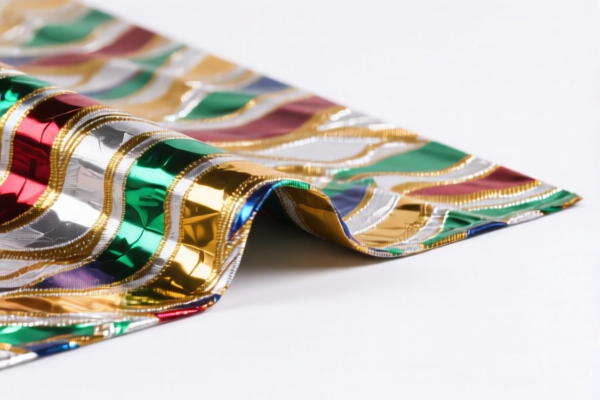
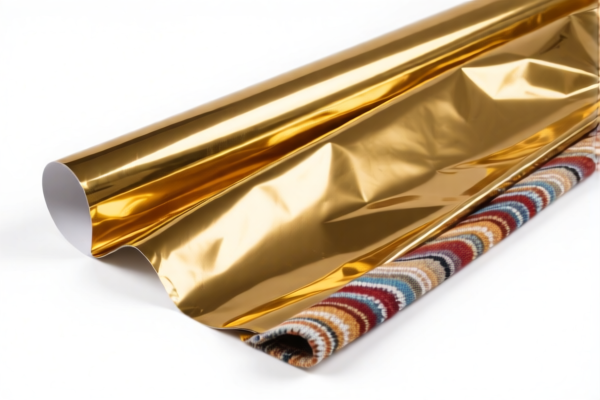
AI Analysis
🏠 Indoor Decorative Textile Composite Plastic Foil
🌐 HS Code Reference & Customs Clearance Guide | 2026 Latest Tariff Analysis | Professional Clearance Strategy
📌 1. Product Definition & Classification: What is this "Composite Foil"?
This product is a specialized building material combining plastic (likely PVC, PE, or PP) with textile backing or structure, formed into a foil/film/sheet. It is explicitly designed for indoor decoration, such as wallpaper, wall coverings, or decorative laminates.
⚠️ Key Classification Dilemma:
The core conflict lies between Chapter 39 (Plastics) and Chapter 48 (Paper/Paperboard) or Chapter 39/63 (Textiles).
- If the plastic component provides the essential character and forms a continuous film/foil structure, it often falls under HS 3921.
- If it is perceived more as a "wall covering" with a plastic coating on paper/textile, customs may look toward HS 4814 or general HS 3926.
- The presence of "122 Clause Tariff" and "Section 301" surcharges in the data indicates a high-risk classification for goods originating from China entering the US market.
📦 2. HS Code Classification Details (Based on Provided Data)
| HS Code | Product Description & Matching Logic | Tax Rate (Total) | Key Tax Components |
|---|---|---|---|
| 3921.90.15.00 | Plastic Films/Foils + Textile Composite. Matches "Plastic material" + "Foil form". Fits the description of plastic films/fols combined with textile materials. | 41.5% | Base: 6.5% +301: 25% +122 Clause: 10% |
| 3921.90.11.00 | Plastic Foils. Matches "Plastic material" + "Foil form". Inferred as textile-plastic composite with high plastic content. | 39.2% | Base: 4.2% +301: 25% +122 Clause: 10% |
| 3926.40.00.10 | Plastic Articles (Plates/Sheets). Matches "Plastic material" + "Sheet form". Categorized as plastic articles. | 15.3% | Base: 5.3% +301: 0% +122 Clause: 10% |
| 3926.90.99.89 | Other Plastic Articles. Matches "Plastic material" + "Film/Sheet form". No material/form conflict. | 22.8% | Base: 5.3% +301: 7.5% +122 Clause: 10% |
| 4814.90.02.00 | Wallpaper/Decorative Paper. Interprets "Plastic Sheet" as "Transparent Window Sheets for Paper" with "Indoor Decoration" use as "Wall Covering". | 17.5% | Base: 0.0% +301: 7.5% +122 Clause: 10% |
💰 3. 2026 Tariff Rate Breakdown & Legal Basis
✅ Context: Based on the provided data, these rates include Section 301 Tariffs and Section 122 Tariffs, indicating imports from China (CN) to the US.
🎯 1. 3921.90.15.00 & 3921.90.11.00 — High-Value Plastic Foils
These classifications treat the product primarily as a plastic composite film.
| Item | Details |
|---|---|
| Base Tariff | 4.2% – 6.5% |
| Section 301 Surcharge | 25.0% (Standard for most plastics/composites from China) |
| Section 122 Surcharge | 10.0% (Historical/reciprocal tariffs often applied to specific Chinese imports) |
| Total Effective Rate | 39.2% – 41.5% |
| Impact | Very High. Significantly erodes profit margins for decorative materials. |
| Legal Path | HTSUS 3921.90.11/15 → USITC Footnote 301 → Trade Representative List 4 |
📌 Explanation:
The high tax rate (39-41%) is driven by the 25% Section 301 tariff. Customs views "Plastic Foils" as manufactured plastic products, not raw materials, making them susceptible to full 301 duties.
🎯 2. 3926.40.00.10 & 3926.90.99.89 — Plastic Articles (Sheets/Other)
These classifications treat the product as a "plastic article" rather than a "plastic film."
| Item | Details |
|---|---|
| Base Tariff | 5.3% |
| Section 301 Surcharge | 0.0% - 7.5% (Varies by specific subheading interpretation) |
| Section 122 Surcharge | 10.0% |
| Total Effective Rate | 15.3% - 22.8% |
| Impact | Moderate. Significantly lower than the 3921 series. |
| Legal Path | HTSUS 3926.40/90 → USITC Footnote 301 |
📌 Strategy Note:
Classifying under 3926 (Plastic Articles) instead of 3921 (Plastics in Primary Forms) can save up to 20% in duties if the product can be argued as a "finished plastic article" (e.g., a decorative panel) rather than a "film." However, this is risky if the product is clearly a flexible foil.
🎯 3. 4814.90.02.00 — Wall Covering (Paper/Paperboard)
The "Lowest Tax" Strategy, but High Risk.
| Item | Details |
|---|---|
| Base Tariff | 0.0% |
| Section 301 Surcharge | 7.5% |
| Section 122 Surcharge | 10.0% |
| Total Effective Rate | 17.5% |
| Impact | Lowest Tax, but High Audit Risk. |
| Legal Path | HTSUS 4814.90.02.00 → USITC Footnote 301 |
📌 Critical Warning:
Classifying a Plastic product as Paper (4814) is a major red flag. If customs determines the product is primarily plastic (as stated in the input), this classification will likely be rejected, leading to penalties, back-taxes, and shipment delays. Only use this if the backing is predominantly paper with a thin plastic coating.
🛠️ 4. Customs Clearance Practical Advice (Risk Mitigation)
✅ 1. Documentation Checklist (Crucial for Composite Goods)
| Document | Required? | Purpose |
|---|---|---|
| Product Spec Sheet | ✅ Yes | Must define the essential character: Is it a plastic film on textile, or textile with plastic coating? |
| Layer Structure Diagram | ✅ Yes | Show the % composition of Plastic vs. Textile. High plastic % favors 3921. |
| Commercial Invoice | ✅ Yes | Describe accurately: "Decorative Wall Panel, Plastic/Textile Composite" — DO NOT use vague terms like "Wallpaper" if it's plastic. |
| Material Safety Data Sheet (MSDS) | ✅ Yes | Confirms chemical composition (PVC, PE, etc.). |
| Origin Certificate | ✅ Yes | Required for Section 301/122 applicability checks. |
✅ 2. Declaration Strategy (Key Mnemonics)
🔥 "Plastic Foil? 40% Tax! Plastic Article? 15-20%! Paper Look? 17.5% but Risk!"
| Scenario | Recommended HS Code | Risk Level | Advice |
|---|---|---|---|
| Flexible Plastic Foil with textile backing | 3921.90.15.00 |
High Tax | Accept high duty. Focus on cost absorption. |
| Rigid Plastic Decorative Panel (Sheet form) | 3926.90.99.89 |
Medium Tax | Argue it's a "Plastic Article" not a "Film." |
| Thin Plastic Coating on Paper/Textile | 4814.90.02.00 |
High Audit Risk | Only use if plastic < 10% by weight. Otherwise, avoid. |
| Standard Wallcovering (Vinyl) | 3921.90.11.00 |
High Tax | Common for PVC wallpapers. |
✅ 3. Special Considerations for "122 Clause" & "301"
- Section 301 Tariffs (25%): Almost all plastic composite goods from China are subject to this. There is no general exemption for decorative plastics.
- Section 122 Tariffs (10%): This is a reciprocal tariff. Ensure your importer has the correct HTSUS code that triggers this. Some 3921 codes may not trigger 122 if not specifically listed, but the data shows it applies.
- De Minimis (Section 321): ❌ NOT APPLICABLE. Goods over $800 with high tariff rates or those subject to 301/122 often lose de minimis status or are still collected upon entry. Verify with your broker.
🌍 5. Global Market Comparison (2026 Context)
| Market | Recommended HS Code | Est. Total Tax | Notes |
|---|---|---|---|
| 🇺🇸 USA | 3921.90.15.00 |
41.5% | Highest cost. Section 301 + 122 are key. |
| 🇺🇸 USA | 3926.90.99.89 |
22.8% | Lower tax if classified as "Article". |
| 🇨🇳 China | 3921.90.15.00 |
~6.5-8% | Import into China has lower duties, but export from China faces the US tariffs. |
| 🇪🇺 EU | 3921.90 |
~6.5% | No Section 301/122. VAT applies separately. |
| 🇬🇧 UK | 3921.90 |
~6.5% | Similar to EU. Post-Brexit tariffs apply. |
📌 Conclusion:
The US market is the most expensive due to political tariffs. Consider non-China sourcing (e.g., Vietnam, Mexico) if possible to avoid Section 301 duties entirely.
📌 6. Common Mistakes & Pitfalls
❌ Mistake 1: Declaring as "Wallpaper" (HS 4814) when it is clearly plastic.
👉 Consequence: Customs audit, penalties, forced reclassification to 3921 (41.5%), and shipment hold.
❌ Mistake 2: Ignoring the "Textile" component.
👉 Consequence: If the textile layer is dominant, the product might move to Chapter 59/63, which has different tax implications. Ensure the "Plastic Character" is documented.
❌ Mistake 3: Assuming "122 Clause" applies to all 3921 codes.
👉 Consequence: Overpaying if the specific subheading is exempt, or underpaying if it's not. Check the latest USITC footnotes.
✅ Correct Approach:
"Decorative Wall Covering, Plastic/Textile Composite, PVC Foil on Polyester Backing, Roll Form, Width 1.5m, for Indoor Wall Use."
🎯 7. Final Recommendations
- Priority 1: Classify under
3926.90.99.89if the product is a rigid sheet or panel. This reduces tax from 41.5% to 22.8%. - Priority 2: Accept
3921.90.15.00if it is a flexible film. Budget for 41.5% tax. - Avoid
4814.90.02.00unless the product is >90% paper with a negligible plastic coating. The risk of penalty outweighs the 17.5% tax benefit. - Supply Chain Shift: For high-volume imports, consider sourcing from non-China countries to eliminate the 25% Section 301 tariff, reducing total tax to ~6.5-15% (depending on the code).
📣 Immediate Action:
📞 Consult a licensed US Customs Broker for a Pre-Ruling (Advance Ruling) on your specific product structure.
📄 Ensure your Commercial Invoice clearly states the material composition and primary use.
🚀 Don't let 41.5% tariffs eat your profits. Optimize your HS Code!
✨ Accurate Classification = Cost Savings + Smooth Clearance!
💼 Every decimal point in HS Codes matters!
Customer Reviews
About HS Code Classification
The Harmonized System (HS) is an internationally standardized nomenclature developed by the World Customs Organization (WCO) to classify traded products. Over 200 countries use the HS system as the basis for customs tariffs, trade statistics, and import/export regulations.
Each HS code follows a hierarchical structure:
- Chapter (2 digits) — Broad category of goods (e.g., Chapter 84: Machinery and Mechanical Appliances)
- Heading (4 digits) — More specific grouping within the chapter
- Subheading (6 digits) — Internationally standardized breakdown, used by all WCO member countries
- National subdivisions (8-10 digits) — Country-specific extensions for further classification, such as US HTSUS 10-digit codes
Correct HS code classification is essential for smooth customs clearance, accurate duty payment, and compliance with trade regulations. Misclassification can lead to customs delays, overpayment of duties, or penalties.
When importing from CN to US, the applicable tariff rates may include:
- Most-Favored-Nation (MFN) rate — The standard duty rate applied to WTO members
- General rate — Applied to countries without trade agreements
- Trade remedy duties — Additional tariffs such as Section 301 (anti-dumping), Section 232 (national security), or countervailing duties
The information provided on this page is for reference purposes only. For official classification, please consult with your local customs authority or a licensed customs broker.