Indoor Woven Decoration
CN → US| HS编码 | 关税税率 | 原产国 | 目的国 | 文档 |
|---|---|---|---|---|
| 6304993500 | 28.8% | CN | US | 官方文档 |
| 4823908680 | 35.0% | CN | US | 官方文档 |
| 6304996040 | 20.7% | CN | US | 官方文档 |
商品图片
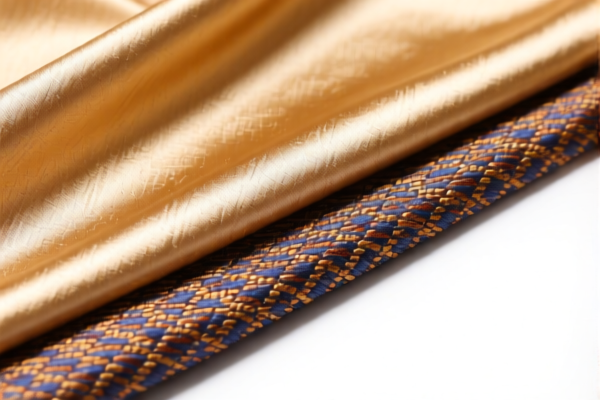
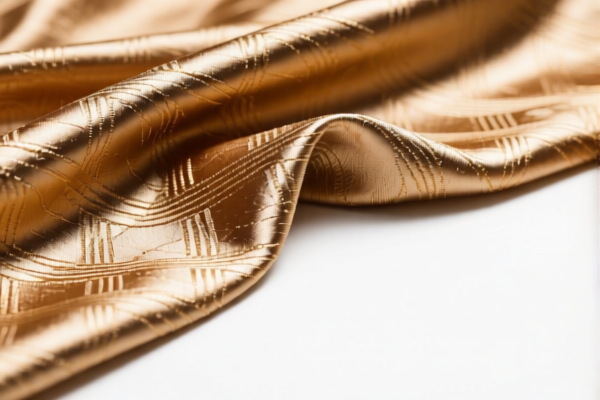
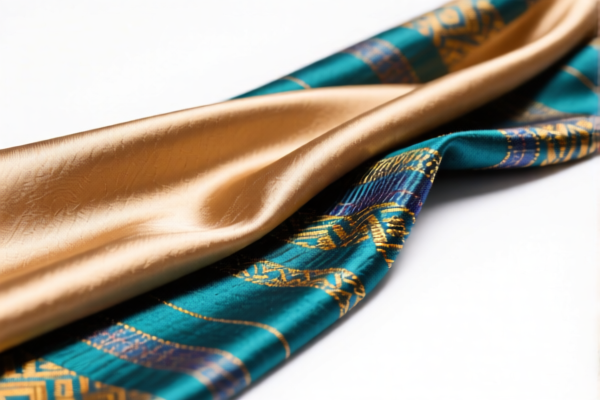
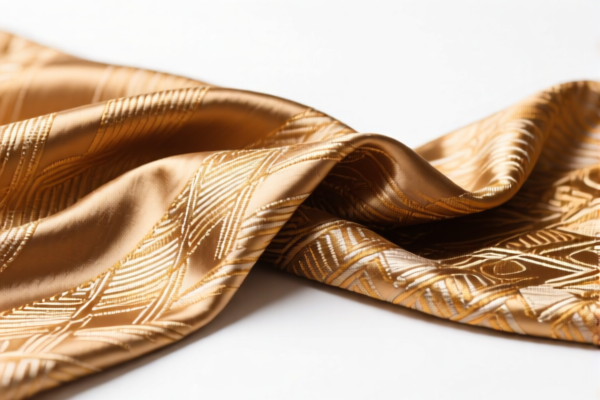
AI分析
🏡 Indoor Woven Decorations (室内装饰编织品)
🌐 HS Code Reference & Customs Clearance Guide | 2026 Latest Tariff Analysis | Professional Clearance Strategy
📌 I. Product Definition & Classification: Understanding "Indoor Woven Decorations"
Indoor Woven Decorations refer to textile or fiber-based items used for aesthetic purposes within interior spaces. These items are typically non-functional (or semi-functional) and rely on weaving techniques. In international trade, the classification hinges on material composition, use (indoor decoration), and manufacturing process (woven vs. knitted).
Key distinctions often lie in: 1. Material: Plant fibers, paper pulp, wool, silk, or synthetic fibers. 2. Form: Cut-to-size, shaped, or loose woven mats/covers. 3. Purpose: Specifically for home interior decoration (not industrial or apparel).
⚠️ Critical Note:
- If the item is purely fabric/paper-based for decoration, it generally falls under Chapter 63 or Chapter 48.
- "Woven" implies a specific construction method, which affects whether it’s classified as "knitted/crocheted" (Chapter 60) or "other textile articles" (Chapter 63).
📦 II. HS Code Classification Details (2026 Latest Tariff Alignment)
Based on the provided data, three potential HS Codes are identified, each corresponding to different material assumptions for "woven" indoor decorations.
| HS Code | Product Description | Material Assumption | Use Case | Logic Summary |
|---|---|---|---|---|
| 6304.99.35.00 | Other furnishing articles (not knitted/crocheted) | Plant fibers / Textile materials | Indoor decoration; "Furnishing" category | Matches "indoor decoration" purpose. "Woven" is considered compatible with "non-knitted" textiles. Classified as a "catch-all" for plant-fiber decorative items. |
| 4823.90.86.80 | Other articles of paper pulp, paper, cellulose fiber board | Paper / Pulp / Fiber | Cut-to-shape paper decorations | Material inferred as fibrous/pulp-based due to "woven" texture potentially being paper-mâché or woven paper. Fits "other paper articles." |
| 6304.99.60.40 | Other furnishing articles, not knitted/crocheted | General Textiles (Non-silk, non-wool, non-man-made) | Indoor decoration; Home textiles | Matches "indoor decoration" use. "Woven" fits non-knitted textile classification. "Other" category used due to unspecified material proportions (not wool/silk/synthetic). |
🔍 Key Distinctions:
- 6304.99.35.00: Best if the item is made from natural plant fibers (e.g., rattan, jute, straw mats) or general textiles without specific fiber claims.
- 4823.90.86.80: Best if the item is essentially paper-based (e.g., woven paper wall hangings, paper baskets for decor).
- 6304.99.60.40: Best for generic textile decorations (e.g., cotton/linen blends) that don’t fit specific fiber sub-categories.
💰 III. 2026 Latest Tariff Rate Breakdown (Including Surtaxes & Policy Add-ons)
✅ Applicable Country: United States (US)
✅ Country of Origin: China (CN)
✅ Effective Date: 2025 November 10 onwards (for subsequent imports)
🎯 1. 6304.99.35.00 — Furnishing Articles (Plant Fiber/Textile)
| Item | Content |
|---|---|
| Base Tariff Rate | 11.3% (ad valorem) |
| USITC Surtax | +7.5% (Section 301 related) |
| IEEPA Surtax | +10% (Targeting China/HK products, effective Nov 2025) |
| Total Tariff Rate | 28.8% |
| Tax Calculation | CIF Value × 28.8% |
| De Minimis Eligibility | ❌ No (Deny De Minimis) |
| Legal Basis Path | IEEPA:9903.01.24 → USITC:6304.99.35.00 → FOOTNOTE:301 |
📌 Explanation:
- The 11.3% base rate reflects standard textile/furnishing duty.
- The 7.5% is an additional surtax often applied to specific textile/furnishing categories under recent trade adjustments.
- The 10% IEEPA surtax is a fixed penalty on Chinese-origin goods under emergency economic powers.
- Total 28.8% is a significant cost driver. No de minimis exemption applies.
🎯 2. 4823.90.86.80 — Other Paper Articles
| Item | Content |
|---|---|
| Base Tariff Rate | 0.0% |
| USITC Surtax | +25.0% (Section 301 on Paper Products) |
| IEEPA Surtax | +10% (Targeting China/HK products) |
| Total Tariff Rate | 35.0% |
| Tax Calculation | CIF Value × 35.0% |
| De Minimis Eligibility | ❌ No (Deny De Minimis) |
| Legal Basis Path | IEEPA:9901.25 → IEEPA:9903.01.24 → USITC:4823.90.86.80 → FOOTNOTE:301 |
📌 Note:
- Despite a 0% base rate, the 25% surtax on paper products is substantial.
- Combined with the 10% IEEPA tax, this becomes the highest tariff option (35%).
- Only consider this if the product is definitively paper-based. If it’s textile, this code is incorrect and may lead to penalties.
🎯 3. 6304.99.60.40 — Other Furnishing Articles (General Textile)
| Item | Content |
|---|---|
| Base Tariff Rate | 3.2% |
| USITC Surtax | +7.5% |
| IEEPA Surtax | +10% |
| Total Tariff Rate | 20.7% |
| Tax Calculation | CIF Value × 20.7% |
| De Minimis Eligibility | ❌ No (Deny De Minimis) |
| Legal Basis Path | IEEPA:9903.01.25 → IEEPA:9903.01.24 → USITC:6304.99.60.40 → FOOTNOTE:301 |
📌 Explanation:
- This code has the lowest total tariff (20.7%) among the three options.
- The base rate is low (3.2%), and the surtaxes are identical to6304.99.35.00.
- Ideal for generic textile decorations (e.g., cotton, linen, poly-cotton blends) where the material isn’t specifically plant-fiber woven.
🛠️ IV. Customs Clearance Practical Advice (Battle-Tested Pitfall Guide)
✅ 1. Documentation Checklist (Mandatory)
| Document | Required? | Description |
|---|---|---|
| ✅ Product Specification Sheet | ✔️ | Must detail material (e.g., "100% Cotton," "Paper Pulp," "Jute"), dimensions, and weaving technique. |
| ✅ Product Photos (Clear) | ✔️ | Show texture, weave pattern, and any labels. Critical for distinguishing paper vs. textile. |
| ✅ Commercial Invoice | ✔️ | Must clearly state "Indoor Woven Decoration" and specify material. Avoid vague terms like "Craft Item." |
| ✅ Packing List | ✔️ | Detail contents per box. Ensure weight/volume matches invoice. |
| ✅ Certificate of Origin (CO) | ✔️ | Required for US origin determination. If non-China, may qualify for lower tariffs. |
| ✅ Material Declaration | ✔️ | Explicitly state fiber composition (e.g., "Plant Fiber," "Paper," "Synthetic Blend"). |
✅ 2. Declaration Tips (Key Mantras)
🔥 "Material First, Use Second, Weave Third!"
| Scenario | Correct Declaration | Wrong Action |
|---|---|---|
| Plant Fiber Decor (e.g., Rattan Basket) | 6304.99.35.00 |
Misdeclare as "Furniture" → Higher Duty |
| Paper Wall Hanging | 4823.90.86.80 |
Misdeclare as "Textile" → Inspection Delay |
| Cotton/Linen Throw Pillow Cover | 6304.99.60.40 |
Misdeclare as "Furnishing" generic → 28.8% instead of 20.7% |
| Mixed Material (e.g., Cotton with Paper Trim) | Consult Specialist | Guessing → Potential Penalty |
📌 Critical Reminder:
- "Woven" does not automatically mean "Textile." Paper can be woven.
- Material declaration is the most critical factor. Incorrect material = Incorrect HS Code = Penalty.
✅ 3. Special Cases Handling
| Scenario | Handling Advice |
|---|---|
| OEM Custom Decor | Provide design specs + material list. Avoid "Private Label" vague terms. |
| Decor with Functional Elements (e.g., Lampshade) | May fall under Lighting (9405) instead of Decor. Requires careful analysis. |
| Mixed Shipment (Textile + Paper) | Split Declaration. Do not combine. Each material gets its own HS Code. |
| Sample Imports | Still subject to duties. No de minimis for Chinese goods. |
🌍 V. Global Market Comparison (2026 Latest)
| Country/Region | Recommended HS Code | Tariff (China Origin) | Certification Requirements | Notes |
|---|---|---|---|---|
| 🇺🇸 USA | 6304.99.60.40 (Best Rate) |
20.7% | N/A | 4823 is 35%; 6304.35 is 28.8%. |
| 🇨🇳 China | 6304.99.60.40 |
5-10% (Varies) | CCC (if applicable) | Lower base rates; no 301/IEEPA surtaxes. |
| 🇪🇺 EU | 6304.99.60.40 |
0-5% (If GSP/EBA) | CE (if applicable) | No Section 301; EIA may apply. |
| 🇬🇧 UK | 6304.99.60.40 |
0-5% | UKCA | Post-Brexit rules; check FTA status. |
| 🇦🇺 Australia | 6304.99.60.40 |
5-10% | N/A | AFTA may reduce duty for NZ goods. |
📌 Conclusion:
- The USA imposes the highest effective tariffs due to Section 301 and IEEPA surtaxes.
-6304.99.60.40is the most cost-effective code for general textile decorations (20.7% vs. 28.8% or 35%).
- Paper-based items (4823) are the most expensive (35%). Avoid if possible unless material is strictly paper.
📌 VI. Common Mistakes & Pitfalls (Lessons Learned)
❌ Mistake 1: Declaring "Woven Decor" as "Furniture" (e.g., 9403)
👉 Consequence: HS Code mismatch → Inspection → Delay + Penalty.
👉 Correction: Woven decor is textile/paper, not furniture structure.
❌ Mistake 2: Assuming "Woven" = "Knitted" (Chapter 60)
👉 Consequence: Wrong chapter → Rejection.
👉 Correction: "Woven" is Chapter 63 (Other Textile Articles). "Knitted" is Chapter 60.
❌ Mistake 3: Ignoring Material Composition
👉 Consequence: Paper items declared as Textile → 35% vs. 20.7% risk → Audit.
👉 Correction: Always specify material (Plant Fiber vs. Paper vs. Cotton).
✅ Correct Practice:
"Indoor Woven Decoration, 100% Cotton, Non-Knitted, For Home Use, Model XYZ"
🎯 VII. Conclusion: Precise Classification Saves Money!
🎯 Remember the Mantras:
🔹 "Paper is 35%, Plant Fiber is 28.8%, General Textile is 20.7%. Pick the right one!"
🔹 "Material defines the code, Use confirms it, Weave clarifies it."
🔹 "No De Minimis for China. Plan for 20-35% Duty."
📌 Pro Tip:
If your woven decorations are sourced from Vietnam, Mexico, or Thailand, you may qualify for IEEPA Exemptions or FTAs, reducing tariffs to 0-5%.
Apply for an Advance Ruling from US CBP if your product is borderline (e.g., paper-textile hybrid).
📣 Immediate Action:
📞 Contact a Customs Broker + Provide Material Specs + Apply for HS Code Advance Ruling
🚀 Ensure Smooth Clearance, Minimize Duty, Maximize Profit!
✨ Professional Clearance Starts with Accurate Classification!
💼 Every Dollar Saved is a Dollar Earned!
用户评价
关于 HS 编码归类
协调制度(HS)是由世界海关组织(WCO)制定的国际贸易商品分类标准。全球 200 多个国家采用 HS 系统作为海关关税、贸易统计和进出口监管的基础。
每个 HS 编码遵循以下层级结构:
- 章(2 位)——商品大类(例如:第 84 章:机器和机械设备)
- 品目(4 位)——章内的更具体分类
- 子目(6 位)——国际通用细分,所有 WCO 成员国统一使用
- 本国细分(8-10 位)——各国自行扩展的细分编码,如美国 HTSUS 10 位编码
正确的 HS 编码归类对于顺利通关、准确缴纳关税和遵守贸易法规至关重要。错误归类可能导致海关延误、多缴关税或罚款。
从CN进口到US时,适用的关税税率可能包括:
- 最惠国(MFN)税率——适用于 WTO 成员国的标准关税税率
- 普通税率——适用于无贸易协定国家
- 贸易救济关税——附加关税,如 301 条款(反倾销)、232 条款(国家安全)或反补贴税
本页内容仅供参考。如需正式归类,请咨询当地海关或持牌报关代理。