Indoor Woven Decoration
CN → US| HS Code | Tariff Rate | Origin | Destination | Doc |
|---|---|---|---|---|
| 6304993500 | 28.8% | CN | US | Official Doc |
| 4823908680 | 35.0% | CN | US | Official Doc |
| 6304996040 | 20.7% | CN | US | Official Doc |
Product Images
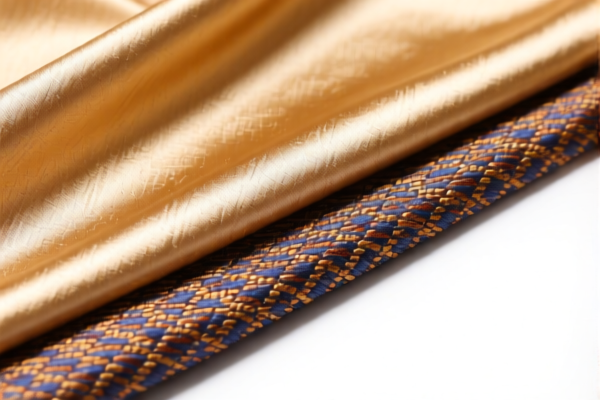
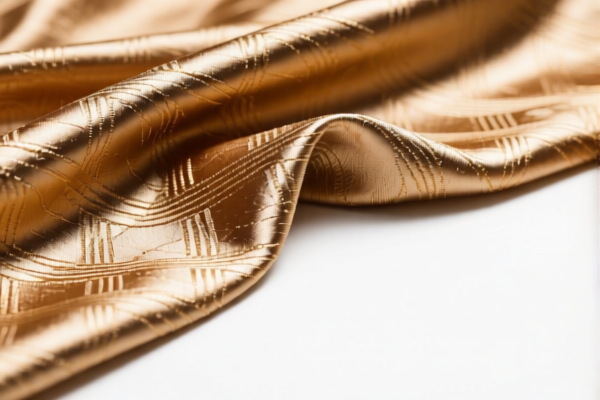
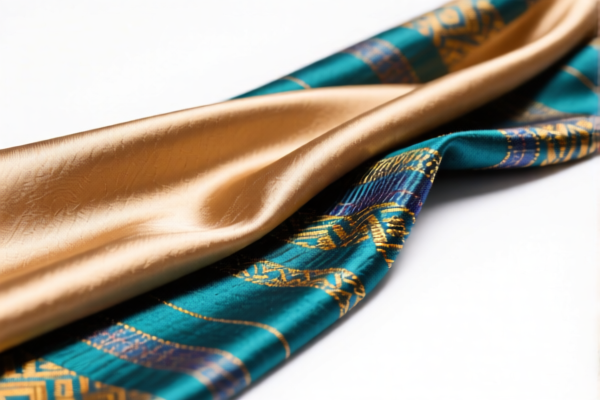
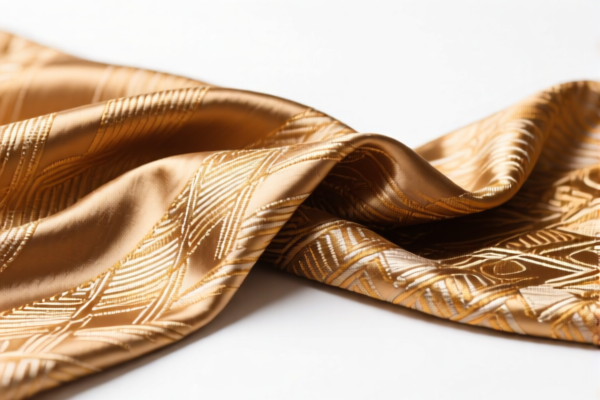
AI Analysis
🏡 Indoor Woven Decorations (室内装饰编织品)
🌐 HS Code Reference & Customs Clearance Guide | 2026 Latest Tariff Analysis | Professional Clearance Strategy
📌 I. Product Definition & Classification: Understanding "Indoor Woven Decorations"
Indoor Woven Decorations refer to textile or fiber-based items used for aesthetic purposes within interior spaces. These items are typically non-functional (or semi-functional) and rely on weaving techniques. In international trade, the classification hinges on material composition, use (indoor decoration), and manufacturing process (woven vs. knitted).
Key distinctions often lie in: 1. Material: Plant fibers, paper pulp, wool, silk, or synthetic fibers. 2. Form: Cut-to-size, shaped, or loose woven mats/covers. 3. Purpose: Specifically for home interior decoration (not industrial or apparel).
⚠️ Critical Note:
- If the item is purely fabric/paper-based for decoration, it generally falls under Chapter 63 or Chapter 48.
- "Woven" implies a specific construction method, which affects whether it’s classified as "knitted/crocheted" (Chapter 60) or "other textile articles" (Chapter 63).
📦 II. HS Code Classification Details (2026 Latest Tariff Alignment)
Based on the provided data, three potential HS Codes are identified, each corresponding to different material assumptions for "woven" indoor decorations.
| HS Code | Product Description | Material Assumption | Use Case | Logic Summary |
|---|---|---|---|---|
| 6304.99.35.00 | Other furnishing articles (not knitted/crocheted) | Plant fibers / Textile materials | Indoor decoration; "Furnishing" category | Matches "indoor decoration" purpose. "Woven" is considered compatible with "non-knitted" textiles. Classified as a "catch-all" for plant-fiber decorative items. |
| 4823.90.86.80 | Other articles of paper pulp, paper, cellulose fiber board | Paper / Pulp / Fiber | Cut-to-shape paper decorations | Material inferred as fibrous/pulp-based due to "woven" texture potentially being paper-mâché or woven paper. Fits "other paper articles." |
| 6304.99.60.40 | Other furnishing articles, not knitted/crocheted | General Textiles (Non-silk, non-wool, non-man-made) | Indoor decoration; Home textiles | Matches "indoor decoration" use. "Woven" fits non-knitted textile classification. "Other" category used due to unspecified material proportions (not wool/silk/synthetic). |
🔍 Key Distinctions:
- 6304.99.35.00: Best if the item is made from natural plant fibers (e.g., rattan, jute, straw mats) or general textiles without specific fiber claims.
- 4823.90.86.80: Best if the item is essentially paper-based (e.g., woven paper wall hangings, paper baskets for decor).
- 6304.99.60.40: Best for generic textile decorations (e.g., cotton/linen blends) that don’t fit specific fiber sub-categories.
💰 III. 2026 Latest Tariff Rate Breakdown (Including Surtaxes & Policy Add-ons)
✅ Applicable Country: United States (US)
✅ Country of Origin: China (CN)
✅ Effective Date: 2025 November 10 onwards (for subsequent imports)
🎯 1. 6304.99.35.00 — Furnishing Articles (Plant Fiber/Textile)
| Item | Content |
|---|---|
| Base Tariff Rate | 11.3% (ad valorem) |
| USITC Surtax | +7.5% (Section 301 related) |
| IEEPA Surtax | +10% (Targeting China/HK products, effective Nov 2025) |
| Total Tariff Rate | 28.8% |
| Tax Calculation | CIF Value × 28.8% |
| De Minimis Eligibility | ❌ No (Deny De Minimis) |
| Legal Basis Path | IEEPA:9903.01.24 → USITC:6304.99.35.00 → FOOTNOTE:301 |
📌 Explanation:
- The 11.3% base rate reflects standard textile/furnishing duty.
- The 7.5% is an additional surtax often applied to specific textile/furnishing categories under recent trade adjustments.
- The 10% IEEPA surtax is a fixed penalty on Chinese-origin goods under emergency economic powers.
- Total 28.8% is a significant cost driver. No de minimis exemption applies.
🎯 2. 4823.90.86.80 — Other Paper Articles
| Item | Content |
|---|---|
| Base Tariff Rate | 0.0% |
| USITC Surtax | +25.0% (Section 301 on Paper Products) |
| IEEPA Surtax | +10% (Targeting China/HK products) |
| Total Tariff Rate | 35.0% |
| Tax Calculation | CIF Value × 35.0% |
| De Minimis Eligibility | ❌ No (Deny De Minimis) |
| Legal Basis Path | IEEPA:9901.25 → IEEPA:9903.01.24 → USITC:4823.90.86.80 → FOOTNOTE:301 |
📌 Note:
- Despite a 0% base rate, the 25% surtax on paper products is substantial.
- Combined with the 10% IEEPA tax, this becomes the highest tariff option (35%).
- Only consider this if the product is definitively paper-based. If it’s textile, this code is incorrect and may lead to penalties.
🎯 3. 6304.99.60.40 — Other Furnishing Articles (General Textile)
| Item | Content |
|---|---|
| Base Tariff Rate | 3.2% |
| USITC Surtax | +7.5% |
| IEEPA Surtax | +10% |
| Total Tariff Rate | 20.7% |
| Tax Calculation | CIF Value × 20.7% |
| De Minimis Eligibility | ❌ No (Deny De Minimis) |
| Legal Basis Path | IEEPA:9903.01.25 → IEEPA:9903.01.24 → USITC:6304.99.60.40 → FOOTNOTE:301 |
📌 Explanation:
- This code has the lowest total tariff (20.7%) among the three options.
- The base rate is low (3.2%), and the surtaxes are identical to6304.99.35.00.
- Ideal for generic textile decorations (e.g., cotton, linen, poly-cotton blends) where the material isn’t specifically plant-fiber woven.
🛠️ IV. Customs Clearance Practical Advice (Battle-Tested Pitfall Guide)
✅ 1. Documentation Checklist (Mandatory)
| Document | Required? | Description |
|---|---|---|
| ✅ Product Specification Sheet | ✔️ | Must detail material (e.g., "100% Cotton," "Paper Pulp," "Jute"), dimensions, and weaving technique. |
| ✅ Product Photos (Clear) | ✔️ | Show texture, weave pattern, and any labels. Critical for distinguishing paper vs. textile. |
| ✅ Commercial Invoice | ✔️ | Must clearly state "Indoor Woven Decoration" and specify material. Avoid vague terms like "Craft Item." |
| ✅ Packing List | ✔️ | Detail contents per box. Ensure weight/volume matches invoice. |
| ✅ Certificate of Origin (CO) | ✔️ | Required for US origin determination. If non-China, may qualify for lower tariffs. |
| ✅ Material Declaration | ✔️ | Explicitly state fiber composition (e.g., "Plant Fiber," "Paper," "Synthetic Blend"). |
✅ 2. Declaration Tips (Key Mantras)
🔥 "Material First, Use Second, Weave Third!"
| Scenario | Correct Declaration | Wrong Action |
|---|---|---|
| Plant Fiber Decor (e.g., Rattan Basket) | 6304.99.35.00 |
Misdeclare as "Furniture" → Higher Duty |
| Paper Wall Hanging | 4823.90.86.80 |
Misdeclare as "Textile" → Inspection Delay |
| Cotton/Linen Throw Pillow Cover | 6304.99.60.40 |
Misdeclare as "Furnishing" generic → 28.8% instead of 20.7% |
| Mixed Material (e.g., Cotton with Paper Trim) | Consult Specialist | Guessing → Potential Penalty |
📌 Critical Reminder:
- "Woven" does not automatically mean "Textile." Paper can be woven.
- Material declaration is the most critical factor. Incorrect material = Incorrect HS Code = Penalty.
✅ 3. Special Cases Handling
| Scenario | Handling Advice |
|---|---|
| OEM Custom Decor | Provide design specs + material list. Avoid "Private Label" vague terms. |
| Decor with Functional Elements (e.g., Lampshade) | May fall under Lighting (9405) instead of Decor. Requires careful analysis. |
| Mixed Shipment (Textile + Paper) | Split Declaration. Do not combine. Each material gets its own HS Code. |
| Sample Imports | Still subject to duties. No de minimis for Chinese goods. |
🌍 V. Global Market Comparison (2026 Latest)
| Country/Region | Recommended HS Code | Tariff (China Origin) | Certification Requirements | Notes |
|---|---|---|---|---|
| 🇺🇸 USA | 6304.99.60.40 (Best Rate) |
20.7% | N/A | 4823 is 35%; 6304.35 is 28.8%. |
| 🇨🇳 China | 6304.99.60.40 |
5-10% (Varies) | CCC (if applicable) | Lower base rates; no 301/IEEPA surtaxes. |
| 🇪🇺 EU | 6304.99.60.40 |
0-5% (If GSP/EBA) | CE (if applicable) | No Section 301; EIA may apply. |
| 🇬🇧 UK | 6304.99.60.40 |
0-5% | UKCA | Post-Brexit rules; check FTA status. |
| 🇦🇺 Australia | 6304.99.60.40 |
5-10% | N/A | AFTA may reduce duty for NZ goods. |
📌 Conclusion:
- The USA imposes the highest effective tariffs due to Section 301 and IEEPA surtaxes.
-6304.99.60.40is the most cost-effective code for general textile decorations (20.7% vs. 28.8% or 35%).
- Paper-based items (4823) are the most expensive (35%). Avoid if possible unless material is strictly paper.
📌 VI. Common Mistakes & Pitfalls (Lessons Learned)
❌ Mistake 1: Declaring "Woven Decor" as "Furniture" (e.g., 9403)
👉 Consequence: HS Code mismatch → Inspection → Delay + Penalty.
👉 Correction: Woven decor is textile/paper, not furniture structure.
❌ Mistake 2: Assuming "Woven" = "Knitted" (Chapter 60)
👉 Consequence: Wrong chapter → Rejection.
👉 Correction: "Woven" is Chapter 63 (Other Textile Articles). "Knitted" is Chapter 60.
❌ Mistake 3: Ignoring Material Composition
👉 Consequence: Paper items declared as Textile → 35% vs. 20.7% risk → Audit.
👉 Correction: Always specify material (Plant Fiber vs. Paper vs. Cotton).
✅ Correct Practice:
"Indoor Woven Decoration, 100% Cotton, Non-Knitted, For Home Use, Model XYZ"
🎯 VII. Conclusion: Precise Classification Saves Money!
🎯 Remember the Mantras:
🔹 "Paper is 35%, Plant Fiber is 28.8%, General Textile is 20.7%. Pick the right one!"
🔹 "Material defines the code, Use confirms it, Weave clarifies it."
🔹 "No De Minimis for China. Plan for 20-35% Duty."
📌 Pro Tip:
If your woven decorations are sourced from Vietnam, Mexico, or Thailand, you may qualify for IEEPA Exemptions or FTAs, reducing tariffs to 0-5%.
Apply for an Advance Ruling from US CBP if your product is borderline (e.g., paper-textile hybrid).
📣 Immediate Action:
📞 Contact a Customs Broker + Provide Material Specs + Apply for HS Code Advance Ruling
🚀 Ensure Smooth Clearance, Minimize Duty, Maximize Profit!
✨ Professional Clearance Starts with Accurate Classification!
💼 Every Dollar Saved is a Dollar Earned!
Customer Reviews
About HS Code Classification
The Harmonized System (HS) is an internationally standardized nomenclature developed by the World Customs Organization (WCO) to classify traded products. Over 200 countries use the HS system as the basis for customs tariffs, trade statistics, and import/export regulations.
Each HS code follows a hierarchical structure:
- Chapter (2 digits) — Broad category of goods (e.g., Chapter 84: Machinery and Mechanical Appliances)
- Heading (4 digits) — More specific grouping within the chapter
- Subheading (6 digits) — Internationally standardized breakdown, used by all WCO member countries
- National subdivisions (8-10 digits) — Country-specific extensions for further classification, such as US HTSUS 10-digit codes
Correct HS code classification is essential for smooth customs clearance, accurate duty payment, and compliance with trade regulations. Misclassification can lead to customs delays, overpayment of duties, or penalties.
When importing from CN to US, the applicable tariff rates may include:
- Most-Favored-Nation (MFN) rate — The standard duty rate applied to WTO members
- General rate — Applied to countries without trade agreements
- Trade remedy duties — Additional tariffs such as Section 301 (anti-dumping), Section 232 (national security), or countervailing duties
The information provided on this page is for reference purposes only. For official classification, please consult with your local customs authority or a licensed customs broker.