Industrial Grade Bleached Softwood Sulfate Pulp
CN → US| HS编码 | 关税税率 | 原产国 | 目的国 | 文档 |
|---|---|---|---|---|
| 4703210040 | 35.0% | CN | US | 官方文档 |
| 4703210020 | 35.0% | CN | US | 官方文档 |
商品图片
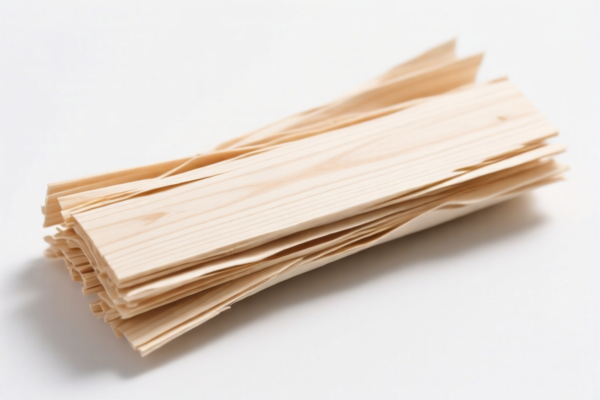
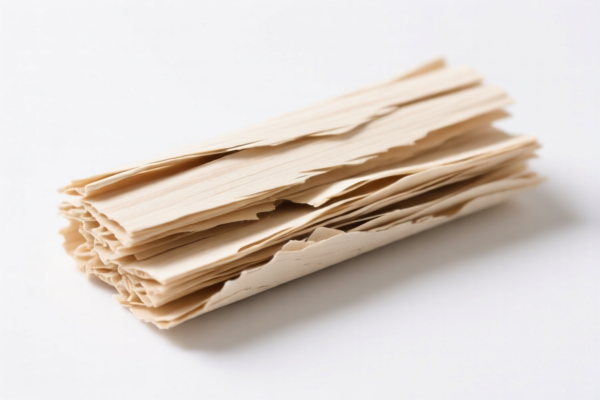
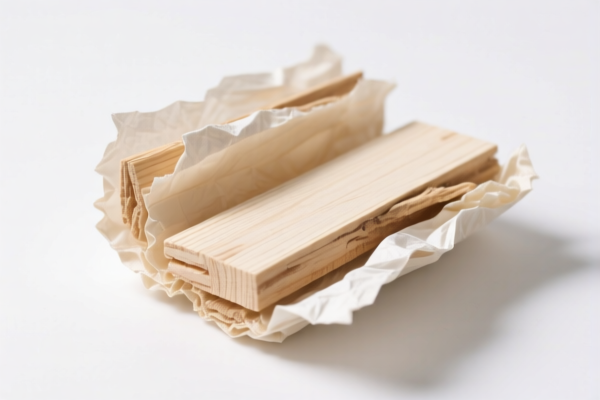
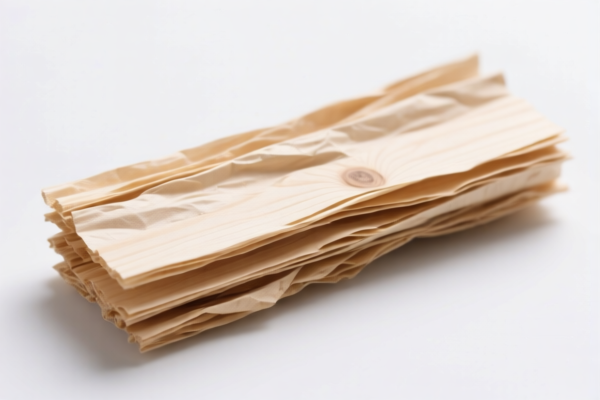
AI分析
🌲 Chemical Woodpulp, Soda or Sulfate, Other Than Dissolving Grades: Semibleached or Bleached — Coniferous (Industrial Grade)
🌐 HS Code Reference & Customs Clearance Guide | 2026 Latest Tariff Analysis | Professional通关 Strategy
📌 I. Product Definition & Classification: What Exactly Is "Bleached Softwood Sulfate Pulp"?
Chemical Woodpulp, specifically Sulfate (Kraft) Pulp derived from Coniferous (Softwood) trees, is the backbone of high-strength paper, cardboard, and tissue production. In international trade, the classification hinges strictly on two factors: 1. Chemical Process: Soda or Sulfate (Kraft) method. 2. Degree of Bleaching: Semibleached vs. Bleached.
⚠️ Key Distinction:
- "Dissolving Grades" are excluded from this section entirely (they fall under HS 4706 or specific dissolving pulp codes).
- "Coniferous" refers to softwoods (pine, spruce, fir), which provide long fibers for strength.
- "Bleached" vs. "Semibleached": This is the critical differentiator for HS Code selection and, consequently, tariff application.
📦 II. HS Code Classification Details (Based on Provided Data)
| HS Code | Product Description | Status | Fiber Type |
|---|---|---|---|
4703.21.00.40 |
Chemical woodpulp, soda or sulfate, other than dissolving grades: Semibleached or bleached: Coniferous Bleached | ✅ Bleached | Coniferous (Softwood) |
4703.21.00.20 |
Chemical woodpulp, soda or sulfate, other than dissolving grades: Semibleached or bleached: Coniferous Semibleached | ✅ Semibleached | Coniferous (Softwood) |
🔍 Critical Clarification:
- Both codes fall under the broader category of "Semibleached or Bleached". The last two digits distinguish the final product state.
- "Bleached" (.40): The pulp has undergone further chemical bleaching to achieve high brightness (whiteness).
- "Semibleached" (.20): The pulp has been partially bleached (often via oxygen delignification) but retains more lignin than fully bleached pulp. It is typically used for stronger, less bright papers.
- Note: The user input "Industrial Grade Bleached" specifically points to HS Code 4703.21.00.40.
💰 III. 2026 Latest Tariff Rate Breakdown (Strictly Based on Provided Data)
✅ Applicable Country: United States (US)
✅ Origin: Implied China (CN) based on tax structure in data
✅ Effective Date: Current tariff schedule
🎯 1. 4703.21.00.40 —— Coniferous Bleached Sulfate Pulp (The Target Code)
| Item | Content |
|---|---|
| Base Tariff Rate | 0.0% (ad valorem) |
| Additional Tariff (Section 301) | +25.0% |
| Total Tax Rate | 25.0% |
| Tax Calculation | CIF Value × 25% |
| De Minimis Exemption | ❌ Not Applicable (Section 301 tariffs apply regardless of value) |
| Legal Basis | HTSUS 4703.21.00.40 |
📌 Explanation:
- The base rate is 0%, meaning standard MFN (Most Favored Nation) tariffs are waived.
- However, a 25% additional duty is applied. This typically stems from U.S. Trade Act Section 301 duties on Chinese-origin goods.
- Total Cost Impact: For every $10,000 worth of bleached softwood pulp imported, an additional $2,500 in duties must be paid.
🎯 2. 4703.21.00.20 —— Coniferous Semibleached Sulfate Pulp
| Item | Content |
|---|---|
| Base Tariff Rate | 0.0% |
| Additional Tariff (Section 301) | +25.0% |
| Total Tax Rate | 25.0% |
| Tax Calculation | CIF Value × 25% |
| Legal Basis | HTSUS 4703.21.00.20 |
📌 Note:
- Even though it is "semibleached," it is subject to the exact same 25% additional tariff as the fully bleached version.
- There is no tariff advantage for choosing semibleached over bleached in this specific tariff schedule.
🛠️ IV. Customs Clearance Practical Advice (Avoiding Pitfalls)
✅ 1. Documentation Checklist (Mandatory)
| Document | Required | Purpose |
|---|---|---|
| ✅ Commercial Invoice | ✔️ | Must clearly state "Chemical Woodpulp, Sulfate, Bleached, Coniferous" |
| ✅ Packing List | ✔️ | Detail weight, bale count, and dimensions |
| ✅ Certificate of Origin | ✔️ | Crucial to prove origin (e.g., Canada, Sweden) to avoid "China Origin" penalties if not applicable |
| ✅ Quality Specification Sheet | ✔️ | Must confirm ISO Brightness (for Bleached) and Kappa Number (for lignin content) |
| ✅ Bill of Lading | ✔️ | Standard shipping document |
⚠️ Critical Point:
- Do NOT simply write "Paper Pulp" on the invoice. Use the exact HTSUS description.
- If the pulp is bleached, ensure the Certificate of Quality confirms it meets the brightness standards for HS 4703.21.00.40, not semibleached.
✅ 2. Declaration Strategy
🔥 "Specify Process, Specify Brightness, Specify Origin!"
| Scenario | Correct Declaration | Incorrect Declaration |
|---|---|---|
| Bleached Softwood Kraft Pulp | 4703.21.00.40 - Bleached Coniferous Sulfate Pulp |
4703.29.00.00 (Nippon/Non-coniferous) → Wrong Code |
| Semibleached Softwood Kraft Pulp | 4703.21.00.20 - Semibleached Coniferous Sulfate Pulp |
4703.21.00.40 → Over-declared brightness |
| Dissolving Pulp | Excluded from this section | 4703.21.00.40 → Major Error, Penalties |
✅ 3. Special Considerations
| Issue | Handling Advice |
|---|---|
| Origin Marking | Ensure bales are marked with the actual country of origin (e.g., "Made in Canada"). Mislabeling can trigger anti-dumping duties or Section 301 penalties if falsely marked as non-China. |
| Moisture Content | Pulp is shipped at ~10% moisture. Invoice must reflect net weight vs. gross weight for accurate duty calculation. |
| Quality Disputes | If lab tests show pulp is "semibleached" but declared as "bleached," customs may reclassify to .20 (same tax, but delay) or penalize for misdeclaration. |
🌍 V. Global Market Comparison (2026)
| Country | HS Code (Bleached Softwood) | Base Tariff | Additional Tariff | Total Rate |
|---|---|---|---|---|
| 🇺🇸 USA | 4703.21.00.40 |
0.0% | +25.0% | 25.0% |
| 🇨🇳 China | 4703.21.00 (General) |
~5-10% | 0% | ~5-10% |
| 🇪🇺 EU | 4703.21 |
0% | 0% | 0% |
| 🇬🇧 UK | 4703.21 |
0% | 0% | 0% |
📌 Conclusion:
- The USA is the most expensive market due to the 25% additional tariff.
- EU and UK offer duty-free access, making them more competitive if the pulp is destined for final product manufacturing in those regions.
- China has a moderate base tariff but no Section 301-style additional duties for non-China origins.
📌 VI. Common Errors & Pitfalls
❌ Error 1: Confusing "Sulfate" with "Sulfite"
👉 Result: Wrong HS Code. Sulfite pulp is under 4703.30. Sulfate (Kraft) is under 4703.10 or 4703.20.
❌ Error 2: Misidentifying "Coniferous" vs. "Non-Coniferous"
👉 Result: Non-coniferous (hardwood) pulp falls under 4703.30. Softwood (coniferous) is 4703.20.
👉 Impact: Wrong code leads to seizure or back-taxes.
❌ Error 3: Ignoring the "Dissolving Grade" exclusion
👉 Result: If pulp is high-alpha cellulose for rayon/paper, it is not under 4703.21. It requires a different code.
👉 Action: Check technical specifications for "Alpha Cellulose" content.
🎯 VII. Conclusion: Precision in Pulp Classification
🎯 Key Takeaway:
🔹 "Bleached Coniferous Sulfate Pulp" =
4703.21.00.40
🔹 "Semibleached Coniferous Sulfate Pulp" =4703.21.00.20
🔹 Total Duty in USA = 25% (due to additional tariffs)
📌 Pro Tip:
Always verify the Chemical Process (Sulfate vs. Soda) and Fiber Type (Coniferous vs. Non-Coniferous) before declaring. A simple typo can change the HS Code from 4703.21 to 4703.30, potentially altering legal requirements or inspection protocols.
📣 Immediate Action:
📞 Confirm with your supplier: Is the pulp Bleached or Semibleached?
📄 Prepare Tech Data Sheet: Confirm Kappa Number and ISO Brightness.
🚀 Pre-clearance: Submit documents to your customs broker 48 hours before arrival to avoid delays.
✨ Accurate Classification = Smooth Customs + Predictable Costs!
💼 In the pulp trade, precision is profitability.
用户评价
关于 HS 编码归类
协调制度(HS)是由世界海关组织(WCO)制定的国际贸易商品分类标准。全球 200 多个国家采用 HS 系统作为海关关税、贸易统计和进出口监管的基础。
每个 HS 编码遵循以下层级结构:
- 章(2 位)——商品大类(例如:第 84 章:机器和机械设备)
- 品目(4 位)——章内的更具体分类
- 子目(6 位)——国际通用细分,所有 WCO 成员国统一使用
- 本国细分(8-10 位)——各国自行扩展的细分编码,如美国 HTSUS 10 位编码
正确的 HS 编码归类对于顺利通关、准确缴纳关税和遵守贸易法规至关重要。错误归类可能导致海关延误、多缴关税或罚款。
从CN进口到US时,适用的关税税率可能包括:
- 最惠国(MFN)税率——适用于 WTO 成员国的标准关税税率
- 普通税率——适用于无贸易协定国家
- 贸易救济关税——附加关税,如 301 条款(反倾销)、232 条款(国家安全)或反补贴税
本页内容仅供参考。如需正式归类,请咨询当地海关或持牌报关代理。