Industrial Grade Heterogeneous Fatty Acids
CN → US| HS编码 | 关税税率 | 原产国 | 目的国 | 文档 |
|---|---|---|---|---|
| 3823110000 | 0.0% | CN | US | 官方文档 |
| 1516100000 | 0.0% | CN | US | 官方文档 |
| 3823120000 | 0.0% | CN | US | 官方文档 |
| 1518004000 | 25.5% | CN | US | 官方文档 |
| 1518002000 | 0.0% | CN | US | 官方文档 |
商品图片
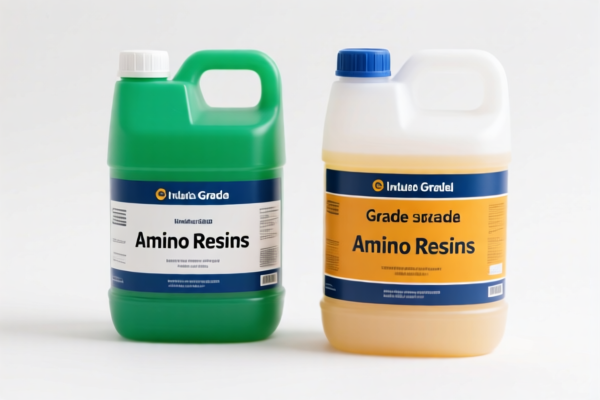
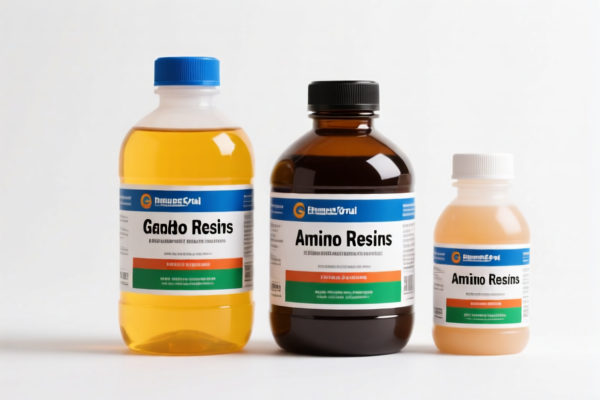
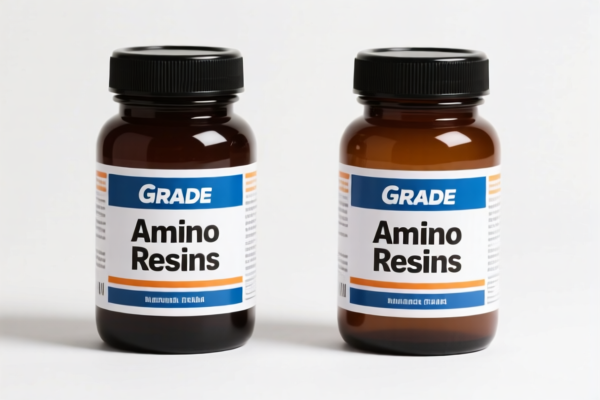
AI分析
🧪 Industrial Grade Heterogeneous Fatty Acids (Refined)
🌐 HS Code Reference & Customs Clearance Guide | 2026 Latest Tariff Analysis | Professional-Level Clearance Strategy
📌 I. Product Definition & Classification: What Exactly Are "Industrial Heterogeneous Fatty Acids"?
Industrial grade heterogeneous fatty acids are complex mixtures derived from the refining of crude fatty acids or oils. Unlike pure single-acid fatty acids (like stearic or palmitic acid), these are mixtures with varying chain lengths and structures, typically obtained through hydrogenation, cracking, or fractionation of natural fats/oils.
In international trade, classification depends heavily on: 1. Chemical Purity & Refinement Level: Is it a raw refined product, a chemical derivative, or a specialized industrial chemical? 2. Physical State: Liquid oil, solid acid, or a blend? 3. End Use: Lubricant base, chemical intermediate, soap manufacturing, or biodiesel feedstock?
⚠️ Key Distinction Points:
- If the product is considered a raw chemical intermediate or refined fatty acid oil → Often falls under Chapter 38 (Miscellaneous Chemical Products) or Chapter 15 (Animal/Vegetable Fats and Oils).
- If it is a specific single acid (e.g., pure stearic acid) → Chapter 15.
- If it is a chemically modified derivative not fitting standard fat definitions → Chapter 38.
📦 II. HS Code Classification Details (Based on Provided Data)
| HS Code | Product Description | Summary from Data | Key Characteristics |
|---|---|---|---|
3823.11.00.00 |
Industrial fatty acids (refined) | Matches refined fatty acids; material: fatty acids; form: refined acid oil. | Primary Fit: Raw refined industrial acid oils. |
1516.10.00.00 |
Industrial fatty acids (refined) - Oil Products | Belongs to fat/oil category; form: refined oil fractionation product. | Secondary Fit: Treated as refined vegetable/animal oil derivatives. |
3823.12.00.00 |
Industrial fatty acids (refined) | Matches industrial monocarboxylic fatty acids & refined acid oils. | Specific Fit: For refined single-carbon-chain fatty acid mixtures. |
1518.00.40.00 |
Industrial fatty acids (refined) - Oil Derivatives | Oil derivative; fits fractionation & chemical modification features. | Chemical Modification: Heavily processed or hydrogenated oils. |
1518.00.20.00 |
Industrial fatty acids (refined) - Refined Fractions | Oil fraction or chemically modified product; fits refined form. | Fractionated: Specifically isolated fractions of oils. |
🔍 Critical Note:
- The classification hinges on whether customs views the product as a "fatty acid" (Ch 38) or a "refined oil/fat derivative" (Ch 15).
- Chapter 38 codes (3823.11,3823.12) often imply a higher degree of chemical processing or industrial chemical status.
- Chapter 15 codes (1516,1518) imply the product is still fundamentally viewed as a fat/oil product, even if refined.
💰 III. 2026 Tariff Rate Breakdown (Including Surcharges & Policy Add-ons)
✅ Applicable Country: United States (US)
✅ Origin: China (CN)
✅ Effective Date: From November 10, 2025 (including subsequent imports)
🎯 1. 3823.11.00.00 —— Industrial Fatty Acids (Refined) – Most Likely Primary Classification
| Item | Details |
|---|---|
| Base Tariff | 2.1¢/kg + 3.8% (Ad Valorem) |
| Section 301 Surcharge | +7.5% |
| Section 301 (122 Clauses) | +10% |
| Total Effective Rate | 2.1¢/kg + 3.8% + 7.5% + 10% = 2.1¢/kg + 21.3% |
| Tax Calculation | Fixed duty: $0.021 × Weight (kg) + CIF Value × 21.3% |
| De Minimis Exemption? | ❌ NO (High-risk chemical category) |
| Legal Basis Path | USITC:3823.11.00.00 → Section 301: 7.5% → Section 122: 10% |
📌 Interpretation:
- This code is chosen because the product is described as "refined fatty acids" and "industrial grade," fitting the Chapter 38 definition of "industrial fatty acids and acids from animal/vegetable origin."
- The 2.1¢/kg is a specific duty (weight-based), while 3.8%+7.5%+10% is ad valorem.
- Total burden is significant due to multiple layers of tariffs.
🎯 2. 1516.10.00.00 —— Industrial Fatty Acids (Refined) – Oil Product Classification
| Item | Details |
|---|---|
| Base Tariff | 7¢/kg (Specific Duty) |
| Section 301 Surcharge | +7.5% |
| Section 301 (122 Clauses) | +10% |
| Total Effective Rate | 7¢/kg + 17.5% (Base 7¢/kg only, no ad valorem base shown in summary except for surcharges) |
| Tax Calculation | Fixed duty: $0.07 × Weight (kg) + CIF Value × 17.5% |
| De Minimis Exemption? | ❌ NO |
| Legal Basis Path | USITC:1516.10.00.00 → Section 301: 7.5% → Section 122: 10% |
📌 Interpretation:
- Higher specific duty ($0.07 vs $0.021), but lower ad valorem base rate (if any).
- This classification treats the product more like a processed oil rather than a pure chemical.
- Risk: Customs may argue this is not a "fat" but a "chemical acid," leading to reclassification to Ch 38.
🎯 3. 3823.12.00.00 —— Industrial Fatty Acids (Refined) – Monocarboxylic Specific
| Item | Details |
|---|---|
| Base Tariff | 2.1¢/kg + 3.2% |
| Section 301 Surcharge | +7.5% |
| Section 301 (122 Clauses) | +10% |
| Total Effective Rate | 2.1¢/kg + 3.2% + 7.5% + 10% = 2.1¢/kg + 20.7% |
| Tax Calculation | Fixed duty: $0.021 × Weight (kg) + CIF Value × 20.7% |
| De Minimis Exemption? | ❌ NO |
| Legal Basis Path | USITC:3823.12.00.00 → Section 301: 7.5% → Section 122: 10% |
📌 Interpretation:
- Slightly better ad valorem rate than3823.11(3.2% vs 3.8%).
- Suitable if the product is specifically identified as monocarboxylic fatty acids (common in industrial refining).
🎯 4. 1518.00.40.00 —— Industrial Fatty Acids (Refined) – Oil Derivative
| Item | Details |
|---|---|
| Base Tariff | 25.5% (Ad Valorem only, no specific duty shown) |
| Section 301 Surcharge | +7.5% |
| Section 301 (122 Clauses) | +10% |
| Total Effective Rate | 8.0% + 7.5% + 10% = 25.5% |
| Tax Calculation | CIF Value × 25.5% |
| De Minimis Exemption? | ❌ NO |
| Legal Basis Path | USITC:1518.00.40.00 → Section 301: 7.5% → Section 122: 10% |
📌 Interpretation:
- Highest Ad Valorem Rate (25.5%).
- No weight-based duty.
- Risk: High cost if CIF value is high.
- Fits products that are chemically modified or highly fractionated oils.
🎯 5. 1518.00.20.00 —— Industrial Fatty Acids (Refined) – Refined Fractions
| Item | Details |
|---|---|
| Base Tariff | 6.3¢/kg |
| Section 301 Surcharge | +7.5% |
| Section 301 (122 Clauses) | +10% |
| Total Effective Rate | 6.3¢/kg + 17.5% |
| Tax Calculation | Fixed duty: $0.063 × Weight (kg) + CIF Value × 17.5% |
| De Minimis Exemption? | ❌ NO |
| Legal Basis Path | USITC:1518.00.20.00 → Section 301: 7.5% → Section 122: 10% |
📌 Interpretation:
- Moderate specific duty ($0.063/kg).
- Suitable for fractions of oils, not necessarily pure fatty acids.
🛠️ IV. Customs Clearance Practical Advice (Battle-Tested Pitfall Avoidance)
✅ 1. Document Checklist (Non-Negotiable)
| Document | Required? | Purpose |
|---|---|---|
| ✅ Technical Data Sheet (TDS) | ✔️ | Must specify: Fatty acid composition (C8-C24 range), purity, acid value, moisture content, refining process. |
| ✅ Certificate of Analysis (COA) | ✔️ | Lab results confirming homogeneous/heterogeneous nature. |
| ✅ Process Description | ✔️ | Explain hydrogenation, cracking, or distillation steps. Critical for Ch 38 vs Ch 15 debate. |
| ✅ Commercial Invoice | ✔️ | Clearly state: "Industrial Grade Heterogeneous Fatty Acids, Refined" + HS Code. |
| ✅ Material Safety Data Sheet (MSDS) | ✔️ | For hazardous material classification (if applicable). |
| ✅ Bill of Lading | ✔️ | Ensure no conflicting descriptions. |
✅ 2. Declaration Strategy (Key Mnemonics)
🔥 “Chemical First, Oil Second, Data Drives the Code!”
| Scenario | Recommended HS Code | Reason |
|---|---|---|
| Refined acid oil, mixture, industrial use | 3823.11.00.00 |
Best fit for "industrial fatty acids" as chemicals. |
| Pure monocarboxylic mix, refined | 3823.12.00.00 |
More specific than .11, lower ad valorem. |
| Hydrogenated fat/oil derivative | 1516.10.00.00 or 1518.00.40.00 |
If viewed as processed fat. |
| Fractionated oil for chemical use | 1518.00.20.00 |
Specific fraction definition. |
⚠️ Critical Warning:
- Do NOT simply declare as "Fatty Acid" without specifying "Industrial Grade Refined Heterogeneous Mixture."
- Do NOT assume Chapter 15 is cheaper; the ad valorem rate (25.5%) for1518.00.40.00is much higher than3823codes for high-CIF shipments.
- Chapter 38 (3823.11/.12) generally has lower total tax burden for high-value products due to lower ad valorem base rates (3.2%-3.8% + surcharges vs 25.5% flat).
✅ 3. Special Circumstances Handling
| Situation | Handling Advice |
|---|---|
| High Purity (>90%) | Strongly argue for 3823.11.00.00 or 3823.12.00.00 as "industrial chemicals." |
| Low Purity/Moisture | May be classified under 1518.00.20.00 as a crude fraction. Provide moisture data. |
| Biodiesel Feedstock | If intended for transesterification, disclose intent. May affect duty-free status under certain FTAs (but not US-China). |
| Packaging | Drum vs. Tanker. Ensure weight (kg) is accurate for specific duty calculations (e.g., 2.1¢/kg). |
🌍 V. Global Market Comparison (2026 Latest)
| Country/Region | Recommended HS Code | Estimated Duty (China Origin) | Certification Requirements | Notes |
|---|---|---|---|---|
| 🇺🇸 USA | 3823.11.00.00 |
2.1¢/kg + 21.3% | SDS, COA | High tariff burden due to 301/122 clauses. |
| 🇨🇳 China | 3823.11.00.00 |
~5-13% | None | Import tariff varies, but no surcharges. |
| 🇪🇺 EU | 3823.11.00.00 |
6.5% | REACH Registration | No surcharges, but REACH compliance is strict. |
| 🇬🇧 UK | 3823.11.00.00 |
6.5% | UK REACH | Post-Brexit, UK-specific REACH applies. |
| 🇯🇵 Japan | 3823.11.00.00 |
5.5% | JIS Standards | Moderate duty, no surcharges. |
📌 Conclusion:
- USA is the most expensive market for this product due to layered tariffs (Base + 301 + 122).
- EU/UK/Japan have simpler, lower tariffs but strict chemical regulations (REACH, etc.).
- Cost Optimization: If shipping to USA, consider supply chain diversification or advanced rulings to lock in the lower3823.11/.12codes rather than1518.00.40.00.
📌 VI. Common Errors & Pitfalls (Lessons Learned)
❌ Error 1: Declaring as "Vegetable Oil" under 1515 or 1518 without proof of refining process.
👉 Consequence: Customs reclassifies to 3823 + penalties for under-declaration.
❌ Error 2: Ignoring the 122-Clause 10% tariff.
👉 Consequence: Underestimating costs by 10%, leading to cash flow issues.
❌ Error 3: Using vague terms like "Natural Fatty Acids" without specifying "Industrial Grade" or "Heterogeneous."
👉 Consequence: Customs may classify as food-grade or cosmetic, triggering different regulations.
❌ Error 4: Miscalculating Specific Duties (e.g., 2.1¢/kg).
👉 Consequence: Significant over/under-payment on high-volume shipments. Always audit kg vs. volume.
✅ Correct Approach:
“Industrial Heterogeneous Fatty Acids, Refined, for Chemical Synthesis, CAS No. [XXX-XX-X], Moisture <0.5%, Acid Value: XX mg KOH/g.”
🎯 VII. Conclusion: Precision Classification Saves Money!
🎯 Remember the Mantra:
🔹 “Chemical Code (Ch 38) vs. Oil Code (Ch 15) – Data Decides!”
🔹 “Chapter 38 Lowers Ad Valorem, Chapter 15 Risks 25.5%!”
🔹 “301 & 122 Clauses Apply to Both – Plan Accordingly!”
📌 Pro Tip:
If your product is highly pure (>95%) monocarboxylic acids, push for 3823.12.00.00 to save 0.6% ad valorem vs 3823.11.00.00.
If it’s a complex blend, stick to 3823.11.00.00.
Avoid 1518.00.40.00 unless specifically advised by a customs broker, as the 25.5% rate is punishing.
📣 Immediate Action:
📞 Consult a US Customs Broker + Provide TDS/COA + Apply for Advance Ruling
🚀 Secure the correct HS Code, avoid penalties, and protect your margins!
✨ Professional Classification Starts Here!
💼 Every cent saved on tariffs is pure profit!
用户评价
关于 HS 编码归类
协调制度(HS)是由世界海关组织(WCO)制定的国际贸易商品分类标准。全球 200 多个国家采用 HS 系统作为海关关税、贸易统计和进出口监管的基础。
每个 HS 编码遵循以下层级结构:
- 章(2 位)——商品大类(例如:第 84 章:机器和机械设备)
- 品目(4 位)——章内的更具体分类
- 子目(6 位)——国际通用细分,所有 WCO 成员国统一使用
- 本国细分(8-10 位)——各国自行扩展的细分编码,如美国 HTSUS 10 位编码
正确的 HS 编码归类对于顺利通关、准确缴纳关税和遵守贸易法规至关重要。错误归类可能导致海关延误、多缴关税或罚款。
从CN进口到US时,适用的关税税率可能包括:
- 最惠国(MFN)税率——适用于 WTO 成员国的标准关税税率
- 普通税率——适用于无贸易协定国家
- 贸易救济关税——附加关税,如 301 条款(反倾销)、232 条款(国家安全)或反补贴税
本页内容仅供参考。如需正式归类,请咨询当地海关或持牌报关代理。