Industrial Grade Wide Width Film
CN → US| HS编码 | 关税税率 | 原产国 | 目的国 | 文档 |
|---|---|---|---|---|
| 3919905060 | 40.8% | CN | US | 官方文档 |
| 3920992000 | 39.2% | CN | US | 官方文档 |
| 3921190090 | 41.5% | CN | US | 官方文档 |
| 3921905050 | 39.8% | CN | US | 官方文档 |
| 3919102055 | 40.8% | CN | US | 官方文档 |
商品图片
AI分析
🎞️ Industrial Grade Wide Width Film (Plastic)
🌐 HS Code Reference & Customs Clearance Guide | 2026 Latest Tariff Analysis | Professional Strategy
📌 One, Product Definition & Classification: What is "Industrial Grade Wide Width Film"?
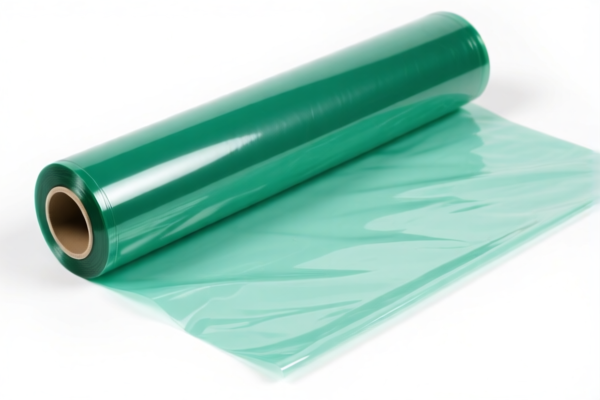
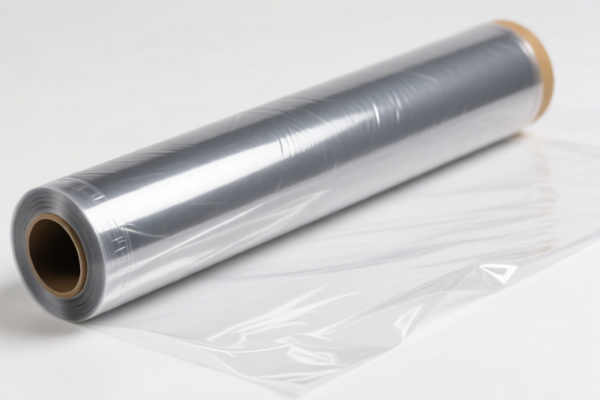
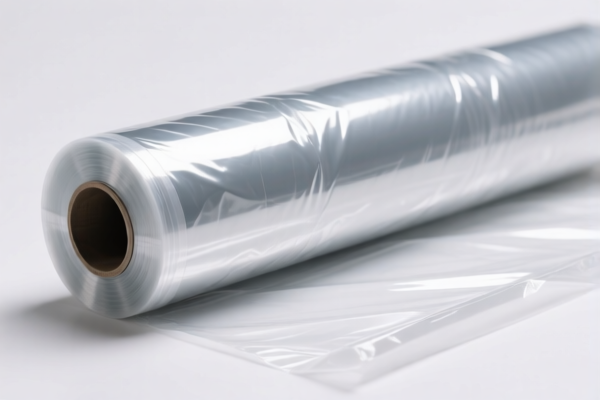
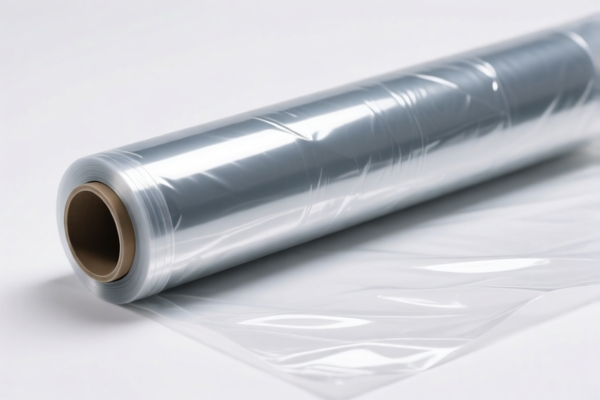
This product refers to a flexible plastic film or sheet, characterized by its wide width and industrial-grade quality. It is typically used for packaging, protective covering, industrial wrapping, or as a raw material for further processing.
⚠️ Key Classification Logic:
- Form: Film (Flexible, not rigid plates/sheets).
- Material: Inferred as Plastic (Standard industrial assumption unless specified otherwise like metal foil or rubber).
- Processing: Since it is "industrial grade" and "film," it falls under Chapter 39 (Plastics and Articles Thereof).
- Conflict Check: No material conflict exists if we assume standard plastic (PE, PP, PET, etc.). The "Wide Width" attribute generally does not change the HS heading unless it implies a specific weaving process (which is not stated here).
📦 2. HS Code Classification Details (2026 Latest Tariff Alignment)
Below are the 5 most likely HS Codes based on the data provided. Note that slight variations in processing (e.g., self-adhesive vs. non-adhesive, coated vs. plain) dictate the specific sub-heading.
| HS Code | Product Description | Key Matching Criteria | Tax Detail Breakdown |
|---|---|---|---|
3919.90.50.60 |
Self-adhesive plates, sheets, film, tape... (Other) | Form: Film. Material: Plastic (Inferred). Note: "Other" category (catch-all). |
Total Tax: 40.8% • Base: 5.8% • Section 301: 25.0% • Section 122: 10.0% |
3920.99.20.00 |
Other plates, sheets, film... (Other) | Form: Film. Material: Plastic (Non-fibrous, non-metal). Note: Fits "Other plastic flexible films." |
Total Tax: 39.2% • Base: 4.2% • Section 301: 25.0% • Section 122: 10.0% |
3921.19.00.90 |
Plates, sheets, film... of plastics | Form: Film/Sheet/Foil. Material: Plastic (Inferred). Note: No material conflict; reasonable inference for industrial use. |
Total Tax: 41.5% • Base: 6.5% • Section 301: 25.0% • Section 122: 10.0% |
3921.90.50.50 |
Other plates, sheets... (Other) | Form: Film (Matches "film"). Material: Plastic (Industrial grade → Plastic). Note: No obvious material conflict. |
Total Tax: 39.8% • Base: 4.8% • Section 301: 25.0% • Section 122: 10.0% |
3919.10.20.55 |
Self-adhesive plates... (Of plastics) | Form: Film. Material: Plastic (Inferred from "Industrial Grade"). Note: Matches plastic film scope. |
Total Tax: 40.8% • Base: 5.8% • Section 301: 25.0% • Section 122: 10.0% |
🔍 Critical Observation:
- All codes fall under Chapter 39 (Plastics).
- The difference lies in Section 3919 (Self-adhesive/Coated) vs. Section 3920/3921 (Uncoated/Other processed).
- "Industrial Grade" is treated as a non-specific descriptor, allowing the inference of Plastic material.
- "Wide Width" does not inherently trigger a different HS code unless it involves specific weaving or coating processes not mentioned.
💰 3. 2026 Latest Tariff Rate Details (US Import from China)
✅ Applicable Country: United States (US)
✅ Origin: China (CN)
✅ Effective Time: Post-2025 Policies (Current Status)
🎯 Breakdown of Tariff Components
All listed HS Codes share a similar structure of taxes due to their Chinese origin and plastic material.
| Tax Component | Rate | Source/Legal Basis | Explanation |
|---|---|---|---|
| Base Duty | 4.2% – 6.5% | HTSUS Section 39 | Varies by specific sub-heading (3919 vs. 3920 vs. 3921). |
| Section 301 Duty | +25.0% | US Trade Act § 301 | Standard punitive tariff on Chinese plastics and films. |
| Section 122 Duty | +10.0% | IEEPA / Section 122 | Additional tariff targeting specific Chinese imports (often linked to broader trade policies). |
| Total Effective Rate | 39.2% – 41.5% | Combined | High Cost Alert! |
📌 Detailed Explanation:
-3920.99.20.00offers the lowest total tax (39.2%) because its base duty is only 4.2%.
-3921.19.00.90has the highest total tax (41.5%) due to a higher base duty of 6.5%.
- The 25% Section 301 and 10% Section 122 are fixed across these plastic film categories for Chinese origin.
- No De Minimis Exemption: These goods cannot use the $800 de minimis rule (Section 321) due to the high tariff and Section 301 status.
🛠️ 4. Customs Clearance Practical Advice (Avoid Pitfalls)
✅ 1. Documentation Checklist (Essential for Clearance)
| Document | Required? | Purpose |
|---|---|---|
| Product Specification Sheet | ✅ Yes | Must specify: Material (e.g., PE, PP, PET), Thickness, Width, Transparency/Opaqueness. |
| Commercial Invoice | ✅ Yes | Must clearly state: "Industrial Grade Plastic Film, Wide Width, [Specific Polymer Type]". Avoid vague terms like "Film." |
| Packing List | ✅ Yes | Detail roll length, weight, and number of rolls. |
| Certificate of Origin | ✅ Yes | To prove Chinese origin (triggers Section 301/122). |
| MSDS (if applicable) | ⚠️ Maybe | If the film contains adhesives or chemical coatings, MSDS may be required. |
💡 Pro Tip: Do NOT list the material as "Unknown" or generic "Plastic." Customs officers will inspect. Specify the polymer (e.g., "Low-Density Polyethylene (LDPE) Film") to avoid delays.
✅ 2. Classification Strategy (How to Choose the Best HS Code)
| Scenario | Recommended HS Code | Why? |
|---|---|---|
| Plain Film (No Adhesive/Coating) | 3920.99.20.00 |
Lowest base duty (4.2%). Best for cost optimization if it’s a basic plastic film. |
| Self-Adhesive Film/Tape | 3919.90.50.60 or 3919.10.20.55 |
If the film has an adhesive backing on one side. |
| Coated/Impregnated Film | 3921.19.00.90 |
If the film has a special coating (e.g., anti-static, heat-sealable) that changes its nature. |
| Other Processed Film | 3921.90.50.50 |
Catch-all for films not fitting above categories. |
🚫 Common Mistake:
Declaring "Wide Width Film" as "Plastic Sheets" (Chapter 39, heading 3920 vs 3921) without specifying if it’s self-adhesive or coated. This leads to customs holds for misclassification.
✅ 3. Special Considerations for "Industrial Grade"
- No Consumer Product Certification Needed: Unlike children’s toys or electronics, industrial plastic films generally do not require FCC, UL, or CPSIA certification.
- Environmental Compliance: Ensure the plastic complies with FDA (if for food contact) or REACH (if exporting to EU, though here we focus on US). For US import, no special eco-cert is needed, but be prepared for customs queries on material composition.
🌍 5. Global Market Comparison (2026)
| Destination | HS Code | Base Tariff | Additional Duties | Total Estimate | Notes |
|---|---|---|---|---|---|
| 🇺🇸 USA | 3920.99.20.00 |
4.2% | +25% (301) +10% (122) | 39.2% | Highest Cost. Plan for margin impact. |
| 🇨🇳 China | 3920.99.20.00 |
5.0-6.0% | None | ~6% | Low cost for domestic use. |
| 🇪🇺 EU | 3920.99.20.00 |
6.5% | None | 6.5% | Best Market for Margins. No punitive tariffs. |
| 🇲🇽 Mexico | 3920.99.20.00 |
0-6% | None (if under USMCA) | ~0-6% | Best if manufactured in Mexico. |
📌 Strategic Insight:
- USA: Tariffs are penalizing. Consider sourcing from Vietnam, Thailand, or Mexico to avoid Section 301 and 122 duties.
- EU: No additional punitive tariffs. Competitive.
- Mexico: If you have manufacturing there, USMCA may allow 0% duty for US export.
📌 6. Common Errors & Pitfalls (Learn from Mistakes)
❌ Error 1: Declaring "Film" without specifying Material (e.g., just "Plastic Film").
👉 Consequence: Customs issues a Questionnaire (Form 28). Delays of 7-14 days.
❌ Error 2: Using "Wide Width" as the primary description.
👉 Consequence: Customs may classify it incorrectly as "Plastic Plates" (rigid) if not clarified as "Flexible Film." Always use "Flexible Film."
❌ Error 3: Ignoring Section 122.
👉 Consequence: Under-declaring taxes. Section 122 is active. Total tax is not just Base + 301.
✅ Correct Declaration Example:
"PLASTIC FILM, POLYETHYLENE (PE), INDUSTRIAL GRADE, WIDTH 1200MM, ROLLED, NON-ADHESIVE. ORIGIN: CHINA."
🎯 7. Conclusion: Professional Clearance, Cost Optimization
🎯 Key Takeaway:
🔹 "Plastic Film = Chapter 39."
🔹 "Industrial Grade = Likely Plastic, Non-Specific."
🔹 "USA Import = High Tax (39-41%)."
💡 Cost-Saving Strategy:
- Optimize HS Code: If your film is non-adhesive and uncoated, use
3920.99.20.00(39.2% total) instead of3921.19.00.90(41.5% total). Save 2.3% on CIF value. - Supply Chain Shift: If volume is high, consider sourcing from Mexico (USMCA) or Southeast Asia (Vietnam/Thailand) to avoid 35% punitive tariffs (25% + 10%).
- Pre-Audit: Ensure your supplier provides a Material Safety Data Sheet (MSDS) and Composition Certificate to speed up customs release.
📣 Immediate Action:
📞 Confirm Material: Is it PE, PP, or PET?
📞 Check Adhesion: Is it self-adhesive? If not,3920is your best bet.
📞 Calculate Landed Cost: Include 39.2-41.5% tax in your margin calculation for US imports.
✨ Precision Classification = Profit Protection!
💼 Don’t let high tariffs eat your margins. Plan your HS Code and Supply Chain carefully!
用户评价
关于 HS 编码归类
协调制度(HS)是由世界海关组织(WCO)制定的国际贸易商品分类标准。全球 200 多个国家采用 HS 系统作为海关关税、贸易统计和进出口监管的基础。
每个 HS 编码遵循以下层级结构:
- 章(2 位)——商品大类(例如:第 84 章:机器和机械设备)
- 品目(4 位)——章内的更具体分类
- 子目(6 位)——国际通用细分,所有 WCO 成员国统一使用
- 本国细分(8-10 位)——各国自行扩展的细分编码,如美国 HTSUS 10 位编码
正确的 HS 编码归类对于顺利通关、准确缴纳关税和遵守贸易法规至关重要。错误归类可能导致海关延误、多缴关税或罚款。
从CN进口到US时,适用的关税税率可能包括:
- 最惠国(MFN)税率——适用于 WTO 成员国的标准关税税率
- 普通税率——适用于无贸易协定国家
- 贸易救济关税——附加关税,如 301 条款(反倾销)、232 条款(国家安全)或反补贴税
本页内容仅供参考。如需正式归类,请咨询当地海关或持牌报关代理。