Industrial Grade Wide Width Film
CN → US| HS Code | Tariff Rate | Origin | Destination | Doc |
|---|---|---|---|---|
| 3919905060 | 40.8% | CN | US | Official Doc |
| 3920992000 | 39.2% | CN | US | Official Doc |
| 3921190090 | 41.5% | CN | US | Official Doc |
| 3921905050 | 39.8% | CN | US | Official Doc |
| 3919102055 | 40.8% | CN | US | Official Doc |
Product Images
AI Analysis
🎞️ Industrial Grade Wide Width Film (Plastic)
🌐 HS Code Reference & Customs Clearance Guide | 2026 Latest Tariff Analysis | Professional Strategy
📌 One, Product Definition & Classification: What is "Industrial Grade Wide Width Film"?
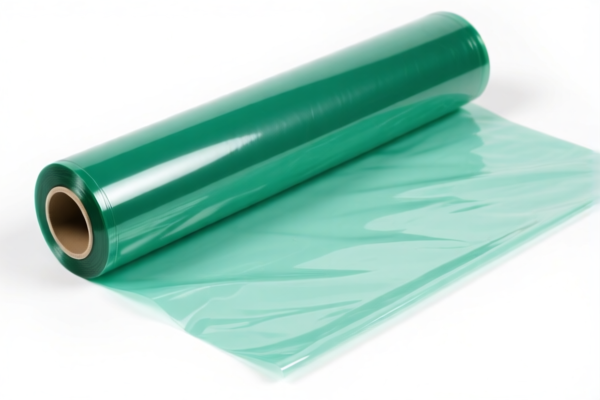
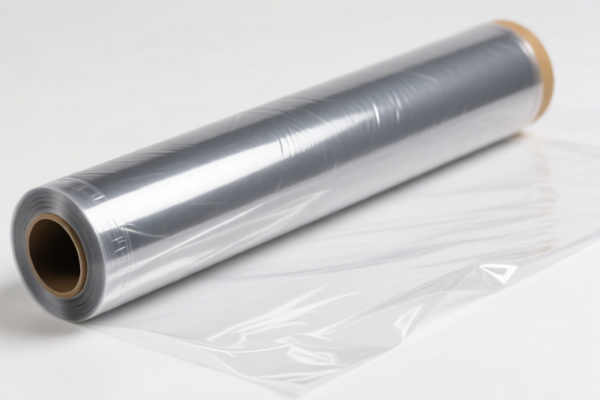
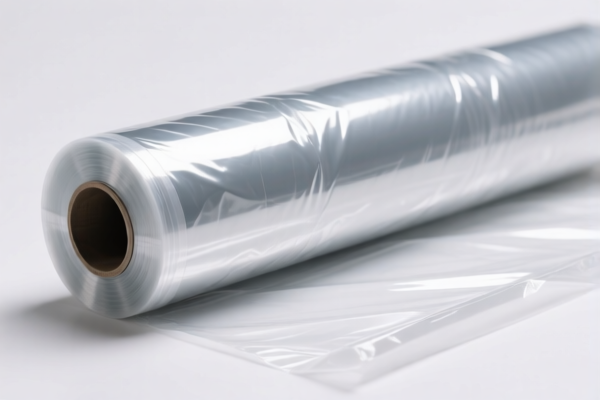
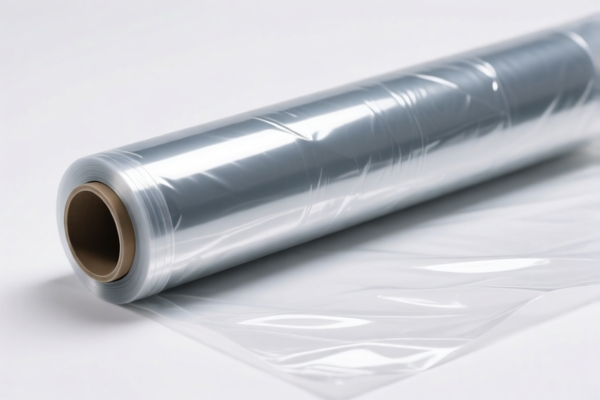
This product refers to a flexible plastic film or sheet, characterized by its wide width and industrial-grade quality. It is typically used for packaging, protective covering, industrial wrapping, or as a raw material for further processing.
⚠️ Key Classification Logic:
- Form: Film (Flexible, not rigid plates/sheets).
- Material: Inferred as Plastic (Standard industrial assumption unless specified otherwise like metal foil or rubber).
- Processing: Since it is "industrial grade" and "film," it falls under Chapter 39 (Plastics and Articles Thereof).
- Conflict Check: No material conflict exists if we assume standard plastic (PE, PP, PET, etc.). The "Wide Width" attribute generally does not change the HS heading unless it implies a specific weaving process (which is not stated here).
📦 2. HS Code Classification Details (2026 Latest Tariff Alignment)
Below are the 5 most likely HS Codes based on the data provided. Note that slight variations in processing (e.g., self-adhesive vs. non-adhesive, coated vs. plain) dictate the specific sub-heading.
| HS Code | Product Description | Key Matching Criteria | Tax Detail Breakdown |
|---|---|---|---|
3919.90.50.60 |
Self-adhesive plates, sheets, film, tape... (Other) | Form: Film. Material: Plastic (Inferred). Note: "Other" category (catch-all). |
Total Tax: 40.8% • Base: 5.8% • Section 301: 25.0% • Section 122: 10.0% |
3920.99.20.00 |
Other plates, sheets, film... (Other) | Form: Film. Material: Plastic (Non-fibrous, non-metal). Note: Fits "Other plastic flexible films." |
Total Tax: 39.2% • Base: 4.2% • Section 301: 25.0% • Section 122: 10.0% |
3921.19.00.90 |
Plates, sheets, film... of plastics | Form: Film/Sheet/Foil. Material: Plastic (Inferred). Note: No material conflict; reasonable inference for industrial use. |
Total Tax: 41.5% • Base: 6.5% • Section 301: 25.0% • Section 122: 10.0% |
3921.90.50.50 |
Other plates, sheets... (Other) | Form: Film (Matches "film"). Material: Plastic (Industrial grade → Plastic). Note: No obvious material conflict. |
Total Tax: 39.8% • Base: 4.8% • Section 301: 25.0% • Section 122: 10.0% |
3919.10.20.55 |
Self-adhesive plates... (Of plastics) | Form: Film. Material: Plastic (Inferred from "Industrial Grade"). Note: Matches plastic film scope. |
Total Tax: 40.8% • Base: 5.8% • Section 301: 25.0% • Section 122: 10.0% |
🔍 Critical Observation:
- All codes fall under Chapter 39 (Plastics).
- The difference lies in Section 3919 (Self-adhesive/Coated) vs. Section 3920/3921 (Uncoated/Other processed).
- "Industrial Grade" is treated as a non-specific descriptor, allowing the inference of Plastic material.
- "Wide Width" does not inherently trigger a different HS code unless it involves specific weaving or coating processes not mentioned.
💰 3. 2026 Latest Tariff Rate Details (US Import from China)
✅ Applicable Country: United States (US)
✅ Origin: China (CN)
✅ Effective Time: Post-2025 Policies (Current Status)
🎯 Breakdown of Tariff Components
All listed HS Codes share a similar structure of taxes due to their Chinese origin and plastic material.
| Tax Component | Rate | Source/Legal Basis | Explanation |
|---|---|---|---|
| Base Duty | 4.2% – 6.5% | HTSUS Section 39 | Varies by specific sub-heading (3919 vs. 3920 vs. 3921). |
| Section 301 Duty | +25.0% | US Trade Act § 301 | Standard punitive tariff on Chinese plastics and films. |
| Section 122 Duty | +10.0% | IEEPA / Section 122 | Additional tariff targeting specific Chinese imports (often linked to broader trade policies). |
| Total Effective Rate | 39.2% – 41.5% | Combined | High Cost Alert! |
📌 Detailed Explanation:
-3920.99.20.00offers the lowest total tax (39.2%) because its base duty is only 4.2%.
-3921.19.00.90has the highest total tax (41.5%) due to a higher base duty of 6.5%.
- The 25% Section 301 and 10% Section 122 are fixed across these plastic film categories for Chinese origin.
- No De Minimis Exemption: These goods cannot use the $800 de minimis rule (Section 321) due to the high tariff and Section 301 status.
🛠️ 4. Customs Clearance Practical Advice (Avoid Pitfalls)
✅ 1. Documentation Checklist (Essential for Clearance)
| Document | Required? | Purpose |
|---|---|---|
| Product Specification Sheet | ✅ Yes | Must specify: Material (e.g., PE, PP, PET), Thickness, Width, Transparency/Opaqueness. |
| Commercial Invoice | ✅ Yes | Must clearly state: "Industrial Grade Plastic Film, Wide Width, [Specific Polymer Type]". Avoid vague terms like "Film." |
| Packing List | ✅ Yes | Detail roll length, weight, and number of rolls. |
| Certificate of Origin | ✅ Yes | To prove Chinese origin (triggers Section 301/122). |
| MSDS (if applicable) | ⚠️ Maybe | If the film contains adhesives or chemical coatings, MSDS may be required. |
💡 Pro Tip: Do NOT list the material as "Unknown" or generic "Plastic." Customs officers will inspect. Specify the polymer (e.g., "Low-Density Polyethylene (LDPE) Film") to avoid delays.
✅ 2. Classification Strategy (How to Choose the Best HS Code)
| Scenario | Recommended HS Code | Why? |
|---|---|---|
| Plain Film (No Adhesive/Coating) | 3920.99.20.00 |
Lowest base duty (4.2%). Best for cost optimization if it’s a basic plastic film. |
| Self-Adhesive Film/Tape | 3919.90.50.60 or 3919.10.20.55 |
If the film has an adhesive backing on one side. |
| Coated/Impregnated Film | 3921.19.00.90 |
If the film has a special coating (e.g., anti-static, heat-sealable) that changes its nature. |
| Other Processed Film | 3921.90.50.50 |
Catch-all for films not fitting above categories. |
🚫 Common Mistake:
Declaring "Wide Width Film" as "Plastic Sheets" (Chapter 39, heading 3920 vs 3921) without specifying if it’s self-adhesive or coated. This leads to customs holds for misclassification.
✅ 3. Special Considerations for "Industrial Grade"
- No Consumer Product Certification Needed: Unlike children’s toys or electronics, industrial plastic films generally do not require FCC, UL, or CPSIA certification.
- Environmental Compliance: Ensure the plastic complies with FDA (if for food contact) or REACH (if exporting to EU, though here we focus on US). For US import, no special eco-cert is needed, but be prepared for customs queries on material composition.
🌍 5. Global Market Comparison (2026)
| Destination | HS Code | Base Tariff | Additional Duties | Total Estimate | Notes |
|---|---|---|---|---|---|
| 🇺🇸 USA | 3920.99.20.00 |
4.2% | +25% (301) +10% (122) | 39.2% | Highest Cost. Plan for margin impact. |
| 🇨🇳 China | 3920.99.20.00 |
5.0-6.0% | None | ~6% | Low cost for domestic use. |
| 🇪🇺 EU | 3920.99.20.00 |
6.5% | None | 6.5% | Best Market for Margins. No punitive tariffs. |
| 🇲🇽 Mexico | 3920.99.20.00 |
0-6% | None (if under USMCA) | ~0-6% | Best if manufactured in Mexico. |
📌 Strategic Insight:
- USA: Tariffs are penalizing. Consider sourcing from Vietnam, Thailand, or Mexico to avoid Section 301 and 122 duties.
- EU: No additional punitive tariffs. Competitive.
- Mexico: If you have manufacturing there, USMCA may allow 0% duty for US export.
📌 6. Common Errors & Pitfalls (Learn from Mistakes)
❌ Error 1: Declaring "Film" without specifying Material (e.g., just "Plastic Film").
👉 Consequence: Customs issues a Questionnaire (Form 28). Delays of 7-14 days.
❌ Error 2: Using "Wide Width" as the primary description.
👉 Consequence: Customs may classify it incorrectly as "Plastic Plates" (rigid) if not clarified as "Flexible Film." Always use "Flexible Film."
❌ Error 3: Ignoring Section 122.
👉 Consequence: Under-declaring taxes. Section 122 is active. Total tax is not just Base + 301.
✅ Correct Declaration Example:
"PLASTIC FILM, POLYETHYLENE (PE), INDUSTRIAL GRADE, WIDTH 1200MM, ROLLED, NON-ADHESIVE. ORIGIN: CHINA."
🎯 7. Conclusion: Professional Clearance, Cost Optimization
🎯 Key Takeaway:
🔹 "Plastic Film = Chapter 39."
🔹 "Industrial Grade = Likely Plastic, Non-Specific."
🔹 "USA Import = High Tax (39-41%)."
💡 Cost-Saving Strategy:
- Optimize HS Code: If your film is non-adhesive and uncoated, use
3920.99.20.00(39.2% total) instead of3921.19.00.90(41.5% total). Save 2.3% on CIF value. - Supply Chain Shift: If volume is high, consider sourcing from Mexico (USMCA) or Southeast Asia (Vietnam/Thailand) to avoid 35% punitive tariffs (25% + 10%).
- Pre-Audit: Ensure your supplier provides a Material Safety Data Sheet (MSDS) and Composition Certificate to speed up customs release.
📣 Immediate Action:
📞 Confirm Material: Is it PE, PP, or PET?
📞 Check Adhesion: Is it self-adhesive? If not,3920is your best bet.
📞 Calculate Landed Cost: Include 39.2-41.5% tax in your margin calculation for US imports.
✨ Precision Classification = Profit Protection!
💼 Don’t let high tariffs eat your margins. Plan your HS Code and Supply Chain carefully!
Customer Reviews
About HS Code Classification
The Harmonized System (HS) is an internationally standardized nomenclature developed by the World Customs Organization (WCO) to classify traded products. Over 200 countries use the HS system as the basis for customs tariffs, trade statistics, and import/export regulations.
Each HS code follows a hierarchical structure:
- Chapter (2 digits) — Broad category of goods (e.g., Chapter 84: Machinery and Mechanical Appliances)
- Heading (4 digits) — More specific grouping within the chapter
- Subheading (6 digits) — Internationally standardized breakdown, used by all WCO member countries
- National subdivisions (8-10 digits) — Country-specific extensions for further classification, such as US HTSUS 10-digit codes
Correct HS code classification is essential for smooth customs clearance, accurate duty payment, and compliance with trade regulations. Misclassification can lead to customs delays, overpayment of duties, or penalties.
When importing from CN to US, the applicable tariff rates may include:
- Most-Favored-Nation (MFN) rate — The standard duty rate applied to WTO members
- General rate — Applied to countries without trade agreements
- Trade remedy duties — Additional tariffs such as Section 301 (anti-dumping), Section 232 (national security), or countervailing duties
The information provided on this page is for reference purposes only. For official classification, please consult with your local customs authority or a licensed customs broker.