Industrial Rope Yarn
CN → US| HS编码 | 关税税率 | 原产国 | 目的国 | 文档 |
|---|---|---|---|---|
| 3926905900 | 37.4% | CN | US | 官方文档 |
| 3926905700 | 41.5% | CN | US | 官方文档 |
| 5604902000 | 43.8% | CN | US | 官方文档 |
| 5604909000 | 40.0% | CN | US | 官方文档 |
| 7312106060 | 85.0% | CN | US | 官方文档 |
| 7312109090 | 85.0% | CN | US | 官方文档 |
商品图片
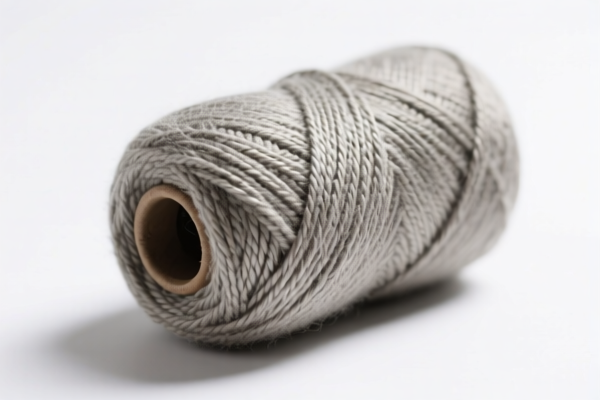
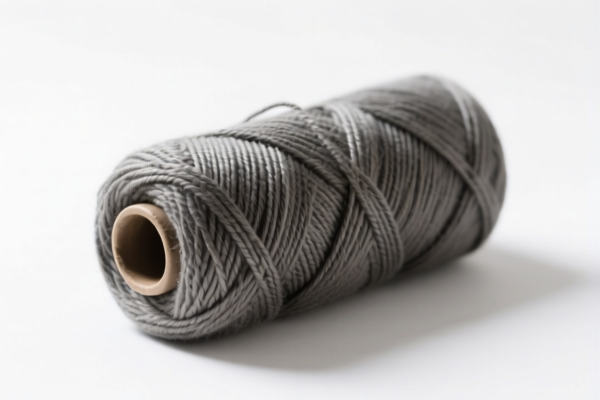
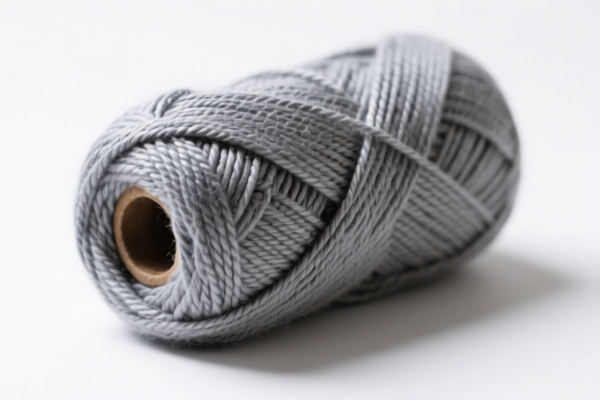
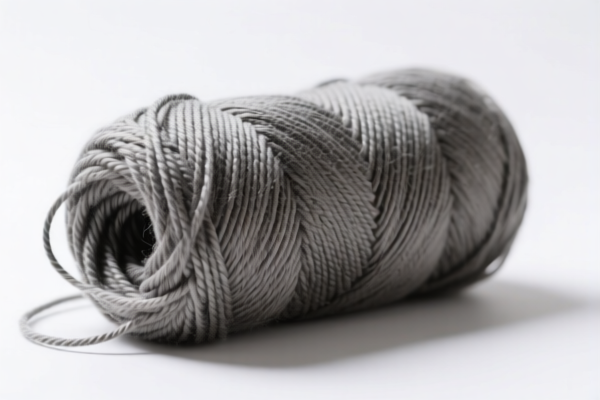
AI分析
🧵 Industrial Rope Yarn & Textile Belts
🌐 HS Code Reference & Clearance Guide | 2026 Latest Tariff Analysis | Professional Compliance Strategy
📌 I. Product Definition & Classification: What is "Industrial Rope Yarn"?
"Industrial Rope Yarn" is a broad term that typically refers to two distinct categories in international trade: 1. High-Strength Textile Yarns: Synthetic fibers (like Nylon/Polyamide, Polyester, or Viscose Rayon) used for high-tenacity applications, often impregnated or coated with rubber/plastics for durability. 2. Metallic Wire Ropes/Cables: Stranded wires of iron or steel, used for heavy-duty lifting, mooring, or structural support. 3. Plastic/Textile Belts: Machinery belting containing textile fibers, used for power transmission.
⚠️ Critical Distinction:
- If the product is High-Tenacity Synthetic Yarn (Nylon/Polyester/Rayon) → Check HS 5604.
- If the product is Steel/Iron Wire Rope → Check HS 7312.
- If the product is a Machinery Belt (Plastic + Textile) → Check HS 3926.
- Do not mix these categories! Misclassification leads to massive duty discrepancies.
📦 II. HS Code Classification Details (Based on Provided Data)
The provided data indicates specific classifications for yarns, steel ropes, and belts. Below is the detailed breakdown:
| HS Code | Product Description | Material/Type | Key Characteristics |
|---|---|---|---|
5604.90.20.00 |
High tenacity yarn of polyesters, nylon, or viscose rayon, impregnated/coated | Synthetic Textile | High strength; coated in rubber/plastics; used for industrial reinforcement. |
5604.90.90.00 |
Other rubber-thread/textile-covered cords | Other Textile/Rubber | General textile yarns covered with rubber; not high-tenacity synthetics. |
7312.10.60.60 |
Stranded wire, ropes, cables of Stainless Steel | Metallic (Steel) | Heavy-duty; not electrically insulated; stainless composition. |
7312.10.90.90 |
Stranded wire, ropes, cables Other (Iron/Steel) | Metallic (Steel) | General iron/steel ropes; includes stranded wires, cables, cordage. |
3926.90.57.00 |
Plastic belting containing textile fibers (Man-made fibers predominate) | Plastic/Textile Composite | Machinery belts; synthetic fibers (e.g., polyester) are the main textile component. |
3926.90.59.00 |
Plastic belting containing textile fibers (Other) | Plastic/Textile Composite | Machinery belts; other textile mixtures not dominated by man-made fibers. |
💰 III. 2026 Tariff Rate Details (Detailed Breakdown)
✅ Context: The tax data provided includes specific "Additional Duties" (likely referencing US Section 301 tariffs or similar trade restrictions).
✅ Origin Implication: The high rates on steel and plastics suggest China Origin subject to US/Global trade restrictions.
🎯 1. High-Tenacity Synthetic Yarns (5604.90.20.00)
| Item | Detail |
|---|---|
| Product | Nylon/Polyester/Rayon Yarn, Impregnated/Coated |
| Basic Tariff | 0.0% |
| Additional Duty | 0.0% |
| Total Tax Rate | 0.0% |
| Explanation | These specific high-tenacity synthetic yarns are currently duty-free in this dataset. |
| Risk Level | 🟢 Low |
🎯 2. Other Textile-Rubber Cords (5604.90.90.00)
| Item | Detail |
|---|---|
| Product | Rubber-covered textile yarns/cords (General) |
| Basic Tariff | 0.0% |
| Additional Duty | 0.0% |
| Total Tax Rate | 0.0% |
| Explanation | General textile cords covered in rubber are also duty-free in this dataset. |
| Risk Level | 🟢 Low |
🎯 3. Stainless Steel Wire Ropes (7312.10.60.60)
| Item | Detail |
|---|---|
| Product | Stranded Wire/Cables of Stainless Steel |
| Basic Tariff | 0.0% |
| Additional Duty | 25.0% (Steel/Aluminum/Copper Tariff) + 50% (Specific Steel Levy) |
| Total Tax Rate | 75.0% |
| Explanation | Heavy trade barriers apply to steel products. Note the composite rate: Base (0%) + General Steel Duty (25%) + Specific Steel Levy (50%). |
| Risk Level | 🔴 CRITICAL HIGH |
🎯 4. Other Steel/Iron Ropes (7312.10.90.90)
| Item | Detail |
|---|---|
| Product | Stranded Wire/Cables of Iron/Steel (Non-Stainless) |
| Basic Tariff | 0.0% |
| Additional Duty | 25.0% (Steel/Aluminum/Copper Tariff) + 50% (Specific Steel Levy) |
| Total Tax Rate | 75.0% |
| Explanation | General iron/steel ropes attract the same punitive rates as stainless steel. |
| Risk Level | 🔴 CRITICAL HIGH |
🎯 5. Plastic Belts with Predominant Man-Made Fibers (3926.90.57.00)
| Item | Detail |
|---|---|
| Product | Machinery Belts (Plastic + Textile, Synthetic Fiber Dominant) |
| Basic Tariff | 0.0% |
| Additional Duty | 0.0% |
| Total Tax Rate | 0.0% |
| Explanation | If man-made fibers (polyester, nylon, etc.) predominate by weight, these belts are currently duty-free in this dataset. |
| Risk Level | 🟢 Low |
🎯 6. Other Plastic Belts (3926.90.59.00)
| Item | Detail |
|---|---|
| Product | Machinery Belts (Plastic + Textile, Other Mixtures) |
| Basic Tariff | 2.4% |
| Additional Duty | 25.0% |
| Total Tax Rate | 27.4% |
| Explanation | Belts where synthetic fibers do not predominate, or other textile compositions, incur a moderate duty. |
| Risk Level | 🟡 Medium |
🛠️ IV. Clearance Practical Advice (Pitfall Avoidance Guide)
✅ 1. Critical Documentation Checklist
| Document | Requirement | Why It Matters |
|---|---|---|
| Material Composition Statement | Must specify % of Polyester/Nylon vs. Steel vs. Rubber | Essential to distinguish between 5604 (0%), 7312 (75%), and 3926 (0-27.4%). |
| Technical Data Sheet | Show "Impregnation" or "Coating" details | Determines if it's 5604.90.20 (Coated) vs. 5604.90.90 (Uncoated/Covered). |
| Steel Certification | Mill Test Certificate (MTC) | Required for 7312 codes to prove Stainless vs. Carbon Steel. |
| Bill of Lading/Invoice | Clear Description: "Industrial Rope Yarn" is TOO VAGUE | Must specify: "Nylon Rope, 10mm, Marine Grade" OR "Stainless Steel Cable, 304". |
✅ 2. Classification Strategy (The "Who is Who?" Rule)
🔥 Golden Rule: "Check the Material First, Then the Form!"
| Scenario | Correct HS Code | Tax Rate | Action |
|---|---|---|---|
| You are shipping Nylon/Rubber Rope for lifting gear | 5604.90.20.00 |
0% | ✅ Optimal – Low risk, low tax. |
| You are shipping Steel Cable for cranes/mooring | 7312.10.60.60 or .90 |
75% | ❌ Avoid if possible – Huge duty cost. Consider sourcing from non-target countries. |
| You are shipping Conveyor Belts (Plastic + Polyester) | 3926.90.57.00 |
0% | ✅ Optimal – Ensure Polyester > Other fibers. |
| You are shipping Conveyor Belts (Rubber + Cotton) | 3926.90.59.00 |
27.4% | ⚠️ Moderate – Verify fiber content to avoid misclassification. |
✅ 3. Special Notes on "Steel" Tariffs (7312)
- The 75% Trap: The data explicitly states
25.0%(Steel/Al/Cu) +50%(Steel Levy). This is a compound tariff on steel products. - Mitigation: If you are exporting steel ropes, check if any exemptions apply (e.g., specific end-use certifications, though rare for general cargo).
- Packaging: Ensure steel ropes are packaged to prevent rust, as customs may inspect for "used" vs. "new" status, though HS 7312 is generally for new products.
✅ 4. Special Notes on Textile Yarns (5604)
- "Impregnated/Coated": Ensure the documentation explicitly states the yarn is impregnated (soaked) or coated (surface layer). If it's just "covered" (wrapped loosely), it might fall under
5604.90.90.00(still 0%, but different description). - High Tenacity: For
5604.90.20.00, the yarn must be of "High Tenacity" (high strength). If it's low-strength cotton/poly blend, it may not qualify, risking reclassification.
🌍 V. Global Market Comparison (2026 Outlook)
| Market | Primary HS Code | Est. Duty (China Origin) | Key Requirement |
|---|---|---|---|
| 🇺🇸 USA | 5604.90.20.00 / 7312.10.60.60 |
0% (Yarn) / 75% (Steel) | Section 301 Tariffs apply heavily to Steel. |
| 🇪🇺 EU | 5604.90 / 7312.10 |
~5-12% (General) | No specific "Levy" seen in data, but general MFN rates apply. |
| 🇨🇳 China (Export) | N/A | 0% (Export Duty) | Focus on destination import duties. |
📌 Conclusion:
- Synthetic Yarns (5604) are High Value, Low Risk exports.
- Steel Ropes (7312) are High Risk, High Cost exports due to 75% duty.
- Plastic Belts (3926) are Moderate, depending on fiber composition.
📌 VI. Common Errors & Pitfalls (Lessons Learned)
❌ Error 1: Describing all ropes as "Industrial Rope"
👉 Consequence: Customs cannot classify. May default to highest duty rate (Steel 75%) or reject shipment.
👉 Fix: Specify material: "Nylon Rope" or "Steel Cable".
❌ Error 2: Mislabeling Steel Ropes as "Textile Cables"
👉 Consequence: Fraud/Smuggling allegation. Heavy penalties.
👉 Fix: Be transparent about material composition.
❌ Error 3: Ignoring "Man-Made Fiber Predominance" for Belts
👉 Consequence: Declared as 3926.90.59 (27.4%) when eligible for 3926.90.57 (0%).
👉 Fix: Provide lab test results proving Polyester/Nylon weight > Cotton/Wool.
🎯 VII. Conclusion: Optimize Your Supply Chain
🎯 Key Takeaways:
🔹 For Yarns/Ropes: Use
5604codes for synthetic/textile ropes to enjoy 0% duty.
🔹 For Steel: Avoid7312if targeting markets with 75% steel tariffs; consider alternative markets or components.
🔹 For Belts: Ensure Man-Made Fibers Predominate to qualify for 0% duty (3926.90.57.00).
📌 Pro Tip:
Always include a Material Composition Certificate with your commercial invoice. For steel products, verify if any duty-free quota or exemption exists in the destination country.
✨ Professional Clearance Starts with Accurate Classification!
💼 Don't let 75% duties eat your margins. Classify correctly, clear smoothly.
用户评价
关于 HS 编码归类
协调制度(HS)是由世界海关组织(WCO)制定的国际贸易商品分类标准。全球 200 多个国家采用 HS 系统作为海关关税、贸易统计和进出口监管的基础。
每个 HS 编码遵循以下层级结构:
- 章(2 位)——商品大类(例如:第 84 章:机器和机械设备)
- 品目(4 位)——章内的更具体分类
- 子目(6 位)——国际通用细分,所有 WCO 成员国统一使用
- 本国细分(8-10 位)——各国自行扩展的细分编码,如美国 HTSUS 10 位编码
正确的 HS 编码归类对于顺利通关、准确缴纳关税和遵守贸易法规至关重要。错误归类可能导致海关延误、多缴关税或罚款。
从CN进口到US时,适用的关税税率可能包括:
- 最惠国(MFN)税率——适用于 WTO 成员国的标准关税税率
- 普通税率——适用于无贸易协定国家
- 贸易救济关税——附加关税,如 301 条款(反倾销)、232 条款(国家安全)或反补贴税
本页内容仅供参考。如需正式归类,请咨询当地海关或持牌报关代理。