Industrial Rope Yarn
CN → US| HS Code | Tariff Rate | Origin | Destination | Doc |
|---|---|---|---|---|
| 3926905900 | 37.4% | CN | US | Official Doc |
| 3926905700 | 41.5% | CN | US | Official Doc |
| 5604902000 | 43.8% | CN | US | Official Doc |
| 5604909000 | 40.0% | CN | US | Official Doc |
| 7312106060 | 85.0% | CN | US | Official Doc |
| 7312109090 | 85.0% | CN | US | Official Doc |
Product Images
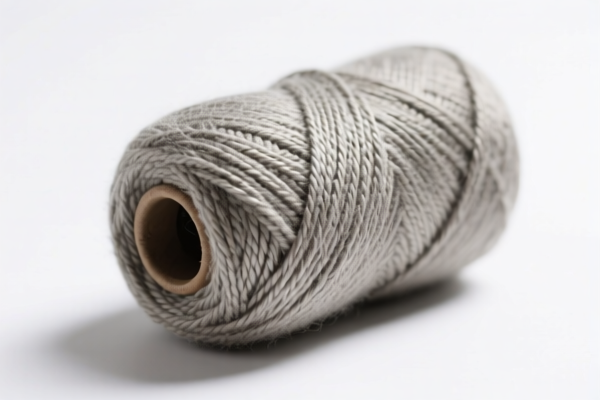
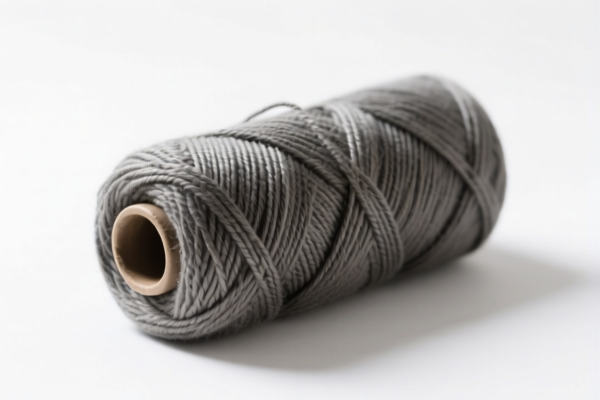

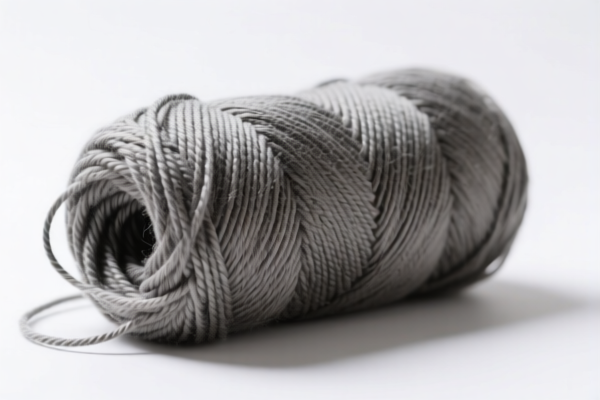
AI Analysis
🧵 Industrial Rope Yarn & Textile Belts
🌐 HS Code Reference & Clearance Guide | 2026 Latest Tariff Analysis | Professional Compliance Strategy
📌 I. Product Definition & Classification: What is "Industrial Rope Yarn"?
"Industrial Rope Yarn" is a broad term that typically refers to two distinct categories in international trade: 1. High-Strength Textile Yarns: Synthetic fibers (like Nylon/Polyamide, Polyester, or Viscose Rayon) used for high-tenacity applications, often impregnated or coated with rubber/plastics for durability. 2. Metallic Wire Ropes/Cables: Stranded wires of iron or steel, used for heavy-duty lifting, mooring, or structural support. 3. Plastic/Textile Belts: Machinery belting containing textile fibers, used for power transmission.
⚠️ Critical Distinction:
- If the product is High-Tenacity Synthetic Yarn (Nylon/Polyester/Rayon) → Check HS 5604.
- If the product is Steel/Iron Wire Rope → Check HS 7312.
- If the product is a Machinery Belt (Plastic + Textile) → Check HS 3926.
- Do not mix these categories! Misclassification leads to massive duty discrepancies.
📦 II. HS Code Classification Details (Based on Provided Data)
The provided data indicates specific classifications for yarns, steel ropes, and belts. Below is the detailed breakdown:
| HS Code | Product Description | Material/Type | Key Characteristics |
|---|---|---|---|
5604.90.20.00 |
High tenacity yarn of polyesters, nylon, or viscose rayon, impregnated/coated | Synthetic Textile | High strength; coated in rubber/plastics; used for industrial reinforcement. |
5604.90.90.00 |
Other rubber-thread/textile-covered cords | Other Textile/Rubber | General textile yarns covered with rubber; not high-tenacity synthetics. |
7312.10.60.60 |
Stranded wire, ropes, cables of Stainless Steel | Metallic (Steel) | Heavy-duty; not electrically insulated; stainless composition. |
7312.10.90.90 |
Stranded wire, ropes, cables Other (Iron/Steel) | Metallic (Steel) | General iron/steel ropes; includes stranded wires, cables, cordage. |
3926.90.57.00 |
Plastic belting containing textile fibers (Man-made fibers predominate) | Plastic/Textile Composite | Machinery belts; synthetic fibers (e.g., polyester) are the main textile component. |
3926.90.59.00 |
Plastic belting containing textile fibers (Other) | Plastic/Textile Composite | Machinery belts; other textile mixtures not dominated by man-made fibers. |
💰 III. 2026 Tariff Rate Details (Detailed Breakdown)
✅ Context: The tax data provided includes specific "Additional Duties" (likely referencing US Section 301 tariffs or similar trade restrictions).
✅ Origin Implication: The high rates on steel and plastics suggest China Origin subject to US/Global trade restrictions.
🎯 1. High-Tenacity Synthetic Yarns (5604.90.20.00)
| Item | Detail |
|---|---|
| Product | Nylon/Polyester/Rayon Yarn, Impregnated/Coated |
| Basic Tariff | 0.0% |
| Additional Duty | 0.0% |
| Total Tax Rate | 0.0% |
| Explanation | These specific high-tenacity synthetic yarns are currently duty-free in this dataset. |
| Risk Level | 🟢 Low |
🎯 2. Other Textile-Rubber Cords (5604.90.90.00)
| Item | Detail |
|---|---|
| Product | Rubber-covered textile yarns/cords (General) |
| Basic Tariff | 0.0% |
| Additional Duty | 0.0% |
| Total Tax Rate | 0.0% |
| Explanation | General textile cords covered in rubber are also duty-free in this dataset. |
| Risk Level | 🟢 Low |
🎯 3. Stainless Steel Wire Ropes (7312.10.60.60)
| Item | Detail |
|---|---|
| Product | Stranded Wire/Cables of Stainless Steel |
| Basic Tariff | 0.0% |
| Additional Duty | 25.0% (Steel/Aluminum/Copper Tariff) + 50% (Specific Steel Levy) |
| Total Tax Rate | 75.0% |
| Explanation | Heavy trade barriers apply to steel products. Note the composite rate: Base (0%) + General Steel Duty (25%) + Specific Steel Levy (50%). |
| Risk Level | 🔴 CRITICAL HIGH |
🎯 4. Other Steel/Iron Ropes (7312.10.90.90)
| Item | Detail |
|---|---|
| Product | Stranded Wire/Cables of Iron/Steel (Non-Stainless) |
| Basic Tariff | 0.0% |
| Additional Duty | 25.0% (Steel/Aluminum/Copper Tariff) + 50% (Specific Steel Levy) |
| Total Tax Rate | 75.0% |
| Explanation | General iron/steel ropes attract the same punitive rates as stainless steel. |
| Risk Level | 🔴 CRITICAL HIGH |
🎯 5. Plastic Belts with Predominant Man-Made Fibers (3926.90.57.00)
| Item | Detail |
|---|---|
| Product | Machinery Belts (Plastic + Textile, Synthetic Fiber Dominant) |
| Basic Tariff | 0.0% |
| Additional Duty | 0.0% |
| Total Tax Rate | 0.0% |
| Explanation | If man-made fibers (polyester, nylon, etc.) predominate by weight, these belts are currently duty-free in this dataset. |
| Risk Level | 🟢 Low |
🎯 6. Other Plastic Belts (3926.90.59.00)
| Item | Detail |
|---|---|
| Product | Machinery Belts (Plastic + Textile, Other Mixtures) |
| Basic Tariff | 2.4% |
| Additional Duty | 25.0% |
| Total Tax Rate | 27.4% |
| Explanation | Belts where synthetic fibers do not predominate, or other textile compositions, incur a moderate duty. |
| Risk Level | 🟡 Medium |
🛠️ IV. Clearance Practical Advice (Pitfall Avoidance Guide)
✅ 1. Critical Documentation Checklist
| Document | Requirement | Why It Matters |
|---|---|---|
| Material Composition Statement | Must specify % of Polyester/Nylon vs. Steel vs. Rubber | Essential to distinguish between 5604 (0%), 7312 (75%), and 3926 (0-27.4%). |
| Technical Data Sheet | Show "Impregnation" or "Coating" details | Determines if it's 5604.90.20 (Coated) vs. 5604.90.90 (Uncoated/Covered). |
| Steel Certification | Mill Test Certificate (MTC) | Required for 7312 codes to prove Stainless vs. Carbon Steel. |
| Bill of Lading/Invoice | Clear Description: "Industrial Rope Yarn" is TOO VAGUE | Must specify: "Nylon Rope, 10mm, Marine Grade" OR "Stainless Steel Cable, 304". |
✅ 2. Classification Strategy (The "Who is Who?" Rule)
🔥 Golden Rule: "Check the Material First, Then the Form!"
| Scenario | Correct HS Code | Tax Rate | Action |
|---|---|---|---|
| You are shipping Nylon/Rubber Rope for lifting gear | 5604.90.20.00 |
0% | ✅ Optimal – Low risk, low tax. |
| You are shipping Steel Cable for cranes/mooring | 7312.10.60.60 or .90 |
75% | ❌ Avoid if possible – Huge duty cost. Consider sourcing from non-target countries. |
| You are shipping Conveyor Belts (Plastic + Polyester) | 3926.90.57.00 |
0% | ✅ Optimal – Ensure Polyester > Other fibers. |
| You are shipping Conveyor Belts (Rubber + Cotton) | 3926.90.59.00 |
27.4% | ⚠️ Moderate – Verify fiber content to avoid misclassification. |
✅ 3. Special Notes on "Steel" Tariffs (7312)
- The 75% Trap: The data explicitly states
25.0%(Steel/Al/Cu) +50%(Steel Levy). This is a compound tariff on steel products. - Mitigation: If you are exporting steel ropes, check if any exemptions apply (e.g., specific end-use certifications, though rare for general cargo).
- Packaging: Ensure steel ropes are packaged to prevent rust, as customs may inspect for "used" vs. "new" status, though HS 7312 is generally for new products.
✅ 4. Special Notes on Textile Yarns (5604)
- "Impregnated/Coated": Ensure the documentation explicitly states the yarn is impregnated (soaked) or coated (surface layer). If it's just "covered" (wrapped loosely), it might fall under
5604.90.90.00(still 0%, but different description). - High Tenacity: For
5604.90.20.00, the yarn must be of "High Tenacity" (high strength). If it's low-strength cotton/poly blend, it may not qualify, risking reclassification.
🌍 V. Global Market Comparison (2026 Outlook)
| Market | Primary HS Code | Est. Duty (China Origin) | Key Requirement |
|---|---|---|---|
| 🇺🇸 USA | 5604.90.20.00 / 7312.10.60.60 |
0% (Yarn) / 75% (Steel) | Section 301 Tariffs apply heavily to Steel. |
| 🇪🇺 EU | 5604.90 / 7312.10 |
~5-12% (General) | No specific "Levy" seen in data, but general MFN rates apply. |
| 🇨🇳 China (Export) | N/A | 0% (Export Duty) | Focus on destination import duties. |
📌 Conclusion:
- Synthetic Yarns (5604) are High Value, Low Risk exports.
- Steel Ropes (7312) are High Risk, High Cost exports due to 75% duty.
- Plastic Belts (3926) are Moderate, depending on fiber composition.
📌 VI. Common Errors & Pitfalls (Lessons Learned)
❌ Error 1: Describing all ropes as "Industrial Rope"
👉 Consequence: Customs cannot classify. May default to highest duty rate (Steel 75%) or reject shipment.
👉 Fix: Specify material: "Nylon Rope" or "Steel Cable".
❌ Error 2: Mislabeling Steel Ropes as "Textile Cables"
👉 Consequence: Fraud/Smuggling allegation. Heavy penalties.
👉 Fix: Be transparent about material composition.
❌ Error 3: Ignoring "Man-Made Fiber Predominance" for Belts
👉 Consequence: Declared as 3926.90.59 (27.4%) when eligible for 3926.90.57 (0%).
👉 Fix: Provide lab test results proving Polyester/Nylon weight > Cotton/Wool.
🎯 VII. Conclusion: Optimize Your Supply Chain
🎯 Key Takeaways:
🔹 For Yarns/Ropes: Use
5604codes for synthetic/textile ropes to enjoy 0% duty.
🔹 For Steel: Avoid7312if targeting markets with 75% steel tariffs; consider alternative markets or components.
🔹 For Belts: Ensure Man-Made Fibers Predominate to qualify for 0% duty (3926.90.57.00).
📌 Pro Tip:
Always include a Material Composition Certificate with your commercial invoice. For steel products, verify if any duty-free quota or exemption exists in the destination country.
✨ Professional Clearance Starts with Accurate Classification!
💼 Don't let 75% duties eat your margins. Classify correctly, clear smoothly.
Customer Reviews
About HS Code Classification
The Harmonized System (HS) is an internationally standardized nomenclature developed by the World Customs Organization (WCO) to classify traded products. Over 200 countries use the HS system as the basis for customs tariffs, trade statistics, and import/export regulations.
Each HS code follows a hierarchical structure:
- Chapter (2 digits) — Broad category of goods (e.g., Chapter 84: Machinery and Mechanical Appliances)
- Heading (4 digits) — More specific grouping within the chapter
- Subheading (6 digits) — Internationally standardized breakdown, used by all WCO member countries
- National subdivisions (8-10 digits) — Country-specific extensions for further classification, such as US HTSUS 10-digit codes
Correct HS code classification is essential for smooth customs clearance, accurate duty payment, and compliance with trade regulations. Misclassification can lead to customs delays, overpayment of duties, or penalties.
When importing from CN to US, the applicable tariff rates may include:
- Most-Favored-Nation (MFN) rate — The standard duty rate applied to WTO members
- General rate — Applied to countries without trade agreements
- Trade remedy duties — Additional tariffs such as Section 301 (anti-dumping), Section 232 (national security), or countervailing duties
The information provided on this page is for reference purposes only. For official classification, please consult with your local customs authority or a licensed customs broker.