Industrial Wet Blue Pigskin
CN → US| HS编码 | 关税税率 | 原产国 | 目的国 | 文档 |
|---|---|---|---|---|
| 4113200000 | 39.2% | CN | US | 官方文档 |
| 4103301000 | 17.5% | CN | US | 官方文档 |
| 4103302000 | 21.7% | CN | US | 官方文档 |
| 4106311000 | 39.2% | CN | US | 官方文档 |
| 4106319000 | 39.2% | CN | US | 官方文档 |
商品图片
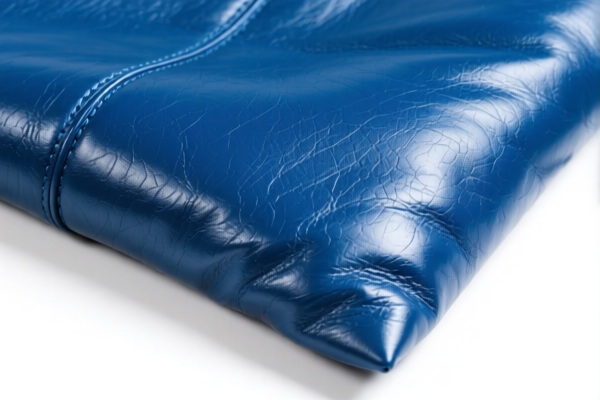
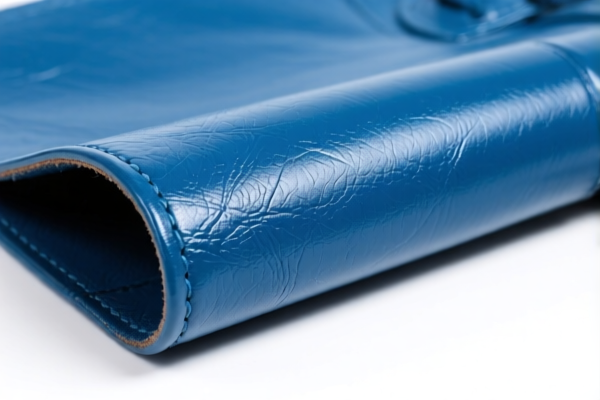
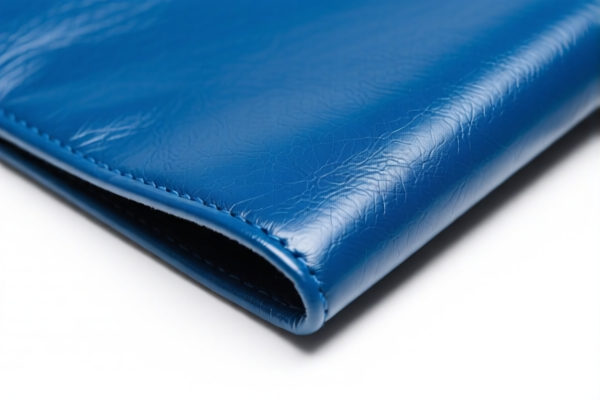
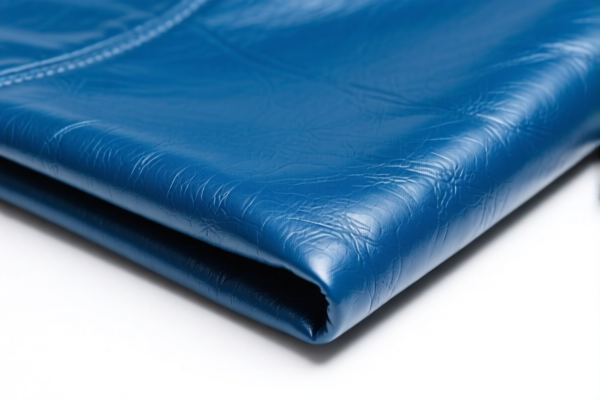
AI分析
🐖 Industrial Wet Blue Pigskin (Raw Hides)
🌐 HS Code Reference & Customs Clearance Guide | 2026 Latest Tariff Analysis | Professional Clearance Strategy
📌 I. Product Definition & Classification: Do You Really Understand "Industrial Wet Blue Pigskin"?
Wet Blue Pigskin is a semi-processed leather product obtained by salting and chrome-tanning raw pig hides. In international trade, it is primarily used as an intermediate material for manufacturing shoes, gloves, bags, and upholstery. However, due to differences in pre-treatment processes (salting vs. partial tanning) and state preservation, it falls into multiple HS Code categories with drastically different tax liabilities.
⚠️ Key Distinction Point:
- If the product is raw hide (fresh, salted, or pickled) but NOT pre-tanned: It belongs to Chapter 41 (Hides) → HS Codes starting with4103or4106.
- If the product is pre-tanned (wet blue, meaning chrome-tanned but not yet finished/dyed): It belongs to "Other Tanned Leather" → HS Codes starting with4113or4106(depending on specific processing steps).
📦 II. HS Code Classification Details (2026 Latest Tariff Authority Comparison)
| HS Code | Product Description | Applicable Scenario | Tax Rate (Total) | Tax Detail Breakdown |
|---|---|---|---|---|
4103.30.10.00 |
Wet Blue Pigskin, material is pig skin, state is wet, fits description of salted/pickled/preserved but unpre-tanned. | Raw hides preserved by salting/pickling, no chrome tanning applied yet. | 17.5% | Base: 0.0%, Section 301: 7.5%, Section 122: 10% |
4103.30.20.00 |
Wet Blue Pigskin, material is original raw pigskin, state is wet, belongs to fresh, salted, pickled, or otherwise preserved unprocessed raw skins. | Similar to above, but potentially different sub-category for "original raw skin." | 21.7% | Base: 4.2%, Section 301: 7.5%, Section 122: 10% |
4113.20.00.00 |
Wet Blue Pigskin, material is pig skin, state is wet, belongs to coarse tanned or further processed leather. | Leather that has undergone initial tanning (e.g., chrome tanning) but not finishing. | 39.2% | Base: 4.2%, Section 301: 25.0%, Section 122: 10% |
4106.31.10.00 |
Wet Blue Pigskin, material and state fully consistent with classification explanation. | Semi-finished leather (wet blue) ready for further processing. | 39.2% | Base: 4.2%, Section 301: 25.0%, Section 122: 10% |
4106.31.90.00 |
Wet Blue Pigskin, material is pig skin, state is wet/blue, fully complies with specified conditions. | Other semi-finished tanned leather (wet blue) not specifically listed elsewhere. | 39.2% | Base: 4.2%, Section 301: 25.0%, Section 122: 10% |
🔍 Important Reminder:
- "Wet Blue" implies tanning: Technically, "Wet Blue" means the hide has been chrome-tanned. Therefore, codes like4113or4106(tanned leather) are more accurate than4103(unprocessed/salted hides).
- Misclassification Risk: Declaring tanned leather as "salted raw hide" (4103) to save taxes is a high-risk violation. Customs may reclassify and impose penalties.
- Section 301 Impact: The 25% additional tariff is a major cost driver for tanned leather (4113/4106), compared to only 7.5% for raw/salted hides (4103).
💰 III. 2026 Latest Tariff Rate Details (Including Surtaxes & Policy Add-ons)
✅ Applicable Country: United States (US)
✅ Origin: China (CN)
✅ Effective Date: Current as of 2026
🎯 1. 4103.30.10.00 & 4103.30.20.00 —— Raw/Salted Pigskins (Unprocessed)
| Item | Content |
|---|---|
| Base Tariff | 0.0% - 4.2% (ad valorem) |
| USITC Additional Tariff (Section 301) | +7.5% |
| Section 122 Tariff | +10% |
| Total Tariff | 17.5% - 21.7% |
| Tax Calculation | CIF Value × Rate |
| De Minimis Eligibility | ❌ No (Deny De Minimis) |
| Legal Basis Path | HTSUS:4103 → USITC Footnote → Section 122 |
📌 Explanation:
- These codes apply to hides that are not tanned. If your "Wet Blue" is actually just salted raw hides, these rates apply.
- Lower Section 301 duty (7.5%) compared to tanned leather.
🎯 2. 4113.20.00.00, 4106.31.10.00, 4106.31.90.00 —— Semi-Finished Tanned Leather (Wet Blue)
| Item | Content |
|---|---|
| Base Tariff | 4.2% (ad valorem) |
| USITC Additional Tariff (Section 301) | +25% |
| Section 122 Tariff | +10% |
| Total Tariff | 39.2% |
| Tax Calculation | CIF Value × 39.2% |
| De Minimis Eligibility | ❌ No (Deny De Minimis) |
| Legal Basis Path | HTSUS:4113/4106 → USITC Footnote → Section 122 |
📌 Note:
- "Wet Blue" = Tanned: If the leather has undergone chrome tanning, it is legally "tanned leather," not "raw hide."
- High Duty Risk: The 25% Section 301 duty significantly increases costs.
- Consistency: All three codes under this category share the same total tax rate of 39.2%.
🛠️ IV. Customs Clearance Practical Advice (Real-World Pitfall Avoidance)
✅ 1. Required Documentation Checklist (Missing Any One Will Cause Delays)
| Document | Mandatory? | Explanation |
|---|---|---|
| ✅ Product Specification Sheet | ✔️ | Must clearly state: Material (Pigskin), State (Wet/Blue), Processing Method (Chrome Tainted vs. Salted). |
| ✅ Technical Data Sheet (TDS) | ✔️ | Details chrome content, thickness, and tanning process. Crucial for distinguishing 4103 vs 4113. |
| ✅ Product Photos (Label & Interior) | ✔️ | Show texture, moisture level, and any labels indicating "Wet Blue" or "Chrome Tanned." |
| ✅ Commercial Invoice | ✔️ | Description must match HS code: e.g., "Chrome-Tanned Pigskin Hides" vs "Salted Pigskin Hides." |
| ✅ Packing List | ✔️ | Weight and quantity details. |
| ✅ Certificate of Origin (CO) | ✔️ | Proof of Chinese origin to apply correct Section 301 duties. |
✅ 2. Declaration Tips (Key Mantras)
🔥 "Tanned is 39%, Raw is 17%: Truth in Name Saves Money!"
| Scenario | Correct Declaration | Wrong Practice |
|---|---|---|
| Actual: Chrome-Tanned (Wet Blue) | 4113.20.00.00 or 4106.31.xxxx |
Misdeclare as "Salted Hides" (4103) → Smuggling Risk + Penalties |
| Actual: Salted/Preserved Raw Hide | 4103.30.10.00 |
Declare as "Tanned Leather" → Overpayment (21.7% vs 39.2%) |
| Mixed Shipment (Raw + Tanned) | Separate Line Items | Mix in one invoice → Reclassification of Entire Shipment |
| Labeling | Use "Wet Blue Pigskin (Chrome Tanned)" | Use vague term "Leather Hides" → Customs Inspection Delay |
✅ 3. Special Situation Handling
| Situation | Handling Advice |
|---|---|
| "Wet Blue" Ambiguity | If unsure, provide a lab test report proving chrome content. If chrome > threshold, it’s tanned (4113). |
| Moisture Content | Ensure hides are not too dry (risk of being classified as "finished") or too wet (risk of spoilage/duty issues). |
| OEM Custom Orders | Provide end-use information. If for specific luxury goods, ensure consistency in branding and specs. |
| Transshipment | If shipped via third country, ensure origin is still declared as China to apply correct duties. |
🌍 V. Global Market Comparison (2026 Latest)
| Country/Region | Recommended HS Code | Tariff (China Origin) | Certification Required | Notes |
|---|---|---|---|---|
| 🇺🇸 USA | 4113.20.00.00 (Tanned) |
39.2% | No specific certification | High due to 301 Tariffs. Critical to classify correctly. |
| 🇪🇺 EU | 4113.20.00 (Tanned) |
~4.2% | REACH Compliance | No Section 301 equivalent. Lower cost than US. |
| 🇨🇳 China | 4113.20.00 |
~4.2% | No extra surtax | Domestic market favors accurate classification for VAT input. |
| 🇬🇧 UK | 4113.20.00 |
~4.2% | UKCA | Post-Brexit rules similar to EU but separate certification. |
📌 Conclusion:
- The US market imposes the highest barrier due to the combination of base duty, Section 301, and Section 122.
- Classification accuracy is paramount: Misdeclaring tanned leather as raw hide to save 21.7% is a federal offense.
📌 VI. Common Errors & Pitfall Guide (Lessons Learned)
❌ Error 1: Declaring "Wet Blue" (Chrome-Tanned) as "Salted Hides" (4103)
👉 Consequence: Customs lab test reveals chrome content → Reclassification to 39.2%, fines, and potential seizure.
❌ Error 2: Vague Description: "Leather Hides"
👉 Consequence: Customs unsure of tanning status → Extended hold for inspection, demurrage fees.
❌ Error 3: Ignoring Section 122
👉 Consequence: Forgetting the additional 10% duty → Short payment, interest, and penalties.
❌ Error 4: Mixing Raw and Tanned in One Line Item
👉 Consequence: Entire shipment reclassified to the higher tax rate or rejected.
✅ Correct Practice:
"Wet Blue Pigskin Hides, Chrome-Tanned, Wet State, Unfinished, HS 4113.20.00.00"
🎯 VII. Conclusion: Professional Classification, Cost Efficiency!
🎯 Remember the Mantra:
🔹 "Wet Blue = Tanned = 39.2% (US)"
🔹 "Salted/Raw = Unprocessed = 17.5-21.7% (US)"
🔹 "Truth in Description Avoids Disaster!"
📌 Pro Tip:
If your product is genuinely raw/salted (not tanned), insist on using 4103 codes. If it is Wet Blue (tanned), accept the 39.2% rate but ensure all documentation proves the tanning process to avoid audits. Consider Advance Ruling from CBP if the classification is ambiguous.
📣 Immediate Action:
📞 Consult a licensed customs broker + Provide Technical Data Sheet + Verify Chrome Content
🚀 Ensure your "Wet Blue" is classified correctly to avoid 100% penalty risks!
✨ Professional Customs Clearance Starts with Accurate Classification!
💼 Every Percent of Duty Matters in the Leather Industry!
用户评价
关于 HS 编码归类
协调制度(HS)是由世界海关组织(WCO)制定的国际贸易商品分类标准。全球 200 多个国家采用 HS 系统作为海关关税、贸易统计和进出口监管的基础。
每个 HS 编码遵循以下层级结构:
- 章(2 位)——商品大类(例如:第 84 章:机器和机械设备)
- 品目(4 位)——章内的更具体分类
- 子目(6 位)——国际通用细分,所有 WCO 成员国统一使用
- 本国细分(8-10 位)——各国自行扩展的细分编码,如美国 HTSUS 10 位编码
正确的 HS 编码归类对于顺利通关、准确缴纳关税和遵守贸易法规至关重要。错误归类可能导致海关延误、多缴关税或罚款。
从CN进口到US时,适用的关税税率可能包括:
- 最惠国(MFN)税率——适用于 WTO 成员国的标准关税税率
- 普通税率——适用于无贸易协定国家
- 贸易救济关税——附加关税,如 301 条款(反倾销)、232 条款(国家安全)或反补贴税
本页内容仅供参考。如需正式归类,请咨询当地海关或持牌报关代理。