Industrial Wet Blue Pigskin
CN → US| HS Code | Tariff Rate | Origin | Destination | Doc |
|---|---|---|---|---|
| 4113200000 | 39.2% | CN | US | Official Doc |
| 4103301000 | 17.5% | CN | US | Official Doc |
| 4103302000 | 21.7% | CN | US | Official Doc |
| 4106311000 | 39.2% | CN | US | Official Doc |
| 4106319000 | 39.2% | CN | US | Official Doc |
Product Images
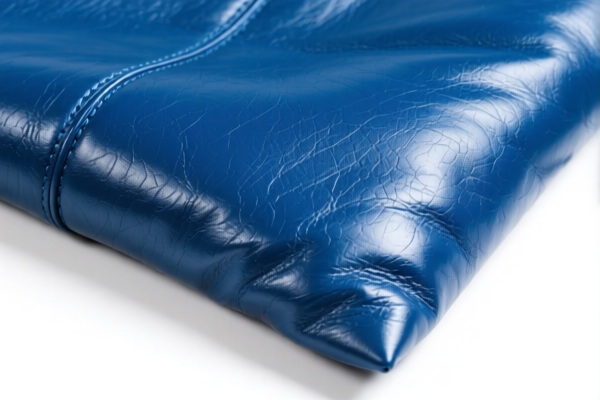
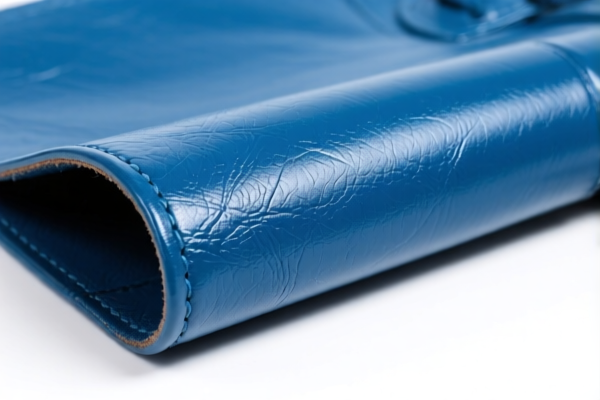
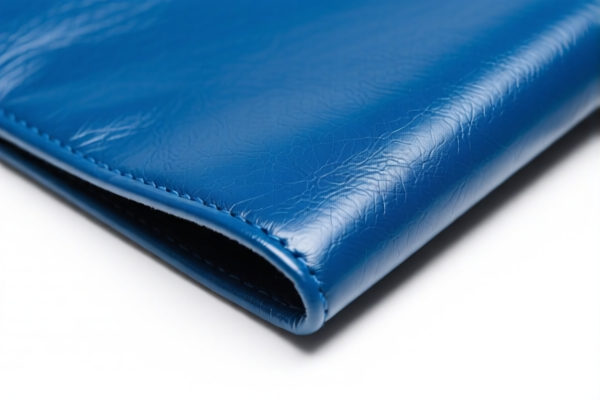
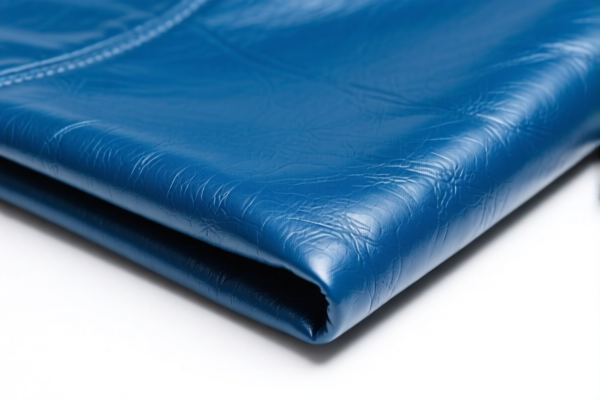
AI Analysis
🐖 Industrial Wet Blue Pigskin (Raw Hides)
🌐 HS Code Reference & Customs Clearance Guide | 2026 Latest Tariff Analysis | Professional Clearance Strategy
📌 I. Product Definition & Classification: Do You Really Understand "Industrial Wet Blue Pigskin"?
Wet Blue Pigskin is a semi-processed leather product obtained by salting and chrome-tanning raw pig hides. In international trade, it is primarily used as an intermediate material for manufacturing shoes, gloves, bags, and upholstery. However, due to differences in pre-treatment processes (salting vs. partial tanning) and state preservation, it falls into multiple HS Code categories with drastically different tax liabilities.
⚠️ Key Distinction Point:
- If the product is raw hide (fresh, salted, or pickled) but NOT pre-tanned: It belongs to Chapter 41 (Hides) → HS Codes starting with4103or4106.
- If the product is pre-tanned (wet blue, meaning chrome-tanned but not yet finished/dyed): It belongs to "Other Tanned Leather" → HS Codes starting with4113or4106(depending on specific processing steps).
📦 II. HS Code Classification Details (2026 Latest Tariff Authority Comparison)
| HS Code | Product Description | Applicable Scenario | Tax Rate (Total) | Tax Detail Breakdown |
|---|---|---|---|---|
4103.30.10.00 |
Wet Blue Pigskin, material is pig skin, state is wet, fits description of salted/pickled/preserved but unpre-tanned. | Raw hides preserved by salting/pickling, no chrome tanning applied yet. | 17.5% | Base: 0.0%, Section 301: 7.5%, Section 122: 10% |
4103.30.20.00 |
Wet Blue Pigskin, material is original raw pigskin, state is wet, belongs to fresh, salted, pickled, or otherwise preserved unprocessed raw skins. | Similar to above, but potentially different sub-category for "original raw skin." | 21.7% | Base: 4.2%, Section 301: 7.5%, Section 122: 10% |
4113.20.00.00 |
Wet Blue Pigskin, material is pig skin, state is wet, belongs to coarse tanned or further processed leather. | Leather that has undergone initial tanning (e.g., chrome tanning) but not finishing. | 39.2% | Base: 4.2%, Section 301: 25.0%, Section 122: 10% |
4106.31.10.00 |
Wet Blue Pigskin, material and state fully consistent with classification explanation. | Semi-finished leather (wet blue) ready for further processing. | 39.2% | Base: 4.2%, Section 301: 25.0%, Section 122: 10% |
4106.31.90.00 |
Wet Blue Pigskin, material is pig skin, state is wet/blue, fully complies with specified conditions. | Other semi-finished tanned leather (wet blue) not specifically listed elsewhere. | 39.2% | Base: 4.2%, Section 301: 25.0%, Section 122: 10% |
🔍 Important Reminder:
- "Wet Blue" implies tanning: Technically, "Wet Blue" means the hide has been chrome-tanned. Therefore, codes like4113or4106(tanned leather) are more accurate than4103(unprocessed/salted hides).
- Misclassification Risk: Declaring tanned leather as "salted raw hide" (4103) to save taxes is a high-risk violation. Customs may reclassify and impose penalties.
- Section 301 Impact: The 25% additional tariff is a major cost driver for tanned leather (4113/4106), compared to only 7.5% for raw/salted hides (4103).
💰 III. 2026 Latest Tariff Rate Details (Including Surtaxes & Policy Add-ons)
✅ Applicable Country: United States (US)
✅ Origin: China (CN)
✅ Effective Date: Current as of 2026
🎯 1. 4103.30.10.00 & 4103.30.20.00 —— Raw/Salted Pigskins (Unprocessed)
| Item | Content |
|---|---|
| Base Tariff | 0.0% - 4.2% (ad valorem) |
| USITC Additional Tariff (Section 301) | +7.5% |
| Section 122 Tariff | +10% |
| Total Tariff | 17.5% - 21.7% |
| Tax Calculation | CIF Value × Rate |
| De Minimis Eligibility | ❌ No (Deny De Minimis) |
| Legal Basis Path | HTSUS:4103 → USITC Footnote → Section 122 |
📌 Explanation:
- These codes apply to hides that are not tanned. If your "Wet Blue" is actually just salted raw hides, these rates apply.
- Lower Section 301 duty (7.5%) compared to tanned leather.
🎯 2. 4113.20.00.00, 4106.31.10.00, 4106.31.90.00 —— Semi-Finished Tanned Leather (Wet Blue)
| Item | Content |
|---|---|
| Base Tariff | 4.2% (ad valorem) |
| USITC Additional Tariff (Section 301) | +25% |
| Section 122 Tariff | +10% |
| Total Tariff | 39.2% |
| Tax Calculation | CIF Value × 39.2% |
| De Minimis Eligibility | ❌ No (Deny De Minimis) |
| Legal Basis Path | HTSUS:4113/4106 → USITC Footnote → Section 122 |
📌 Note:
- "Wet Blue" = Tanned: If the leather has undergone chrome tanning, it is legally "tanned leather," not "raw hide."
- High Duty Risk: The 25% Section 301 duty significantly increases costs.
- Consistency: All three codes under this category share the same total tax rate of 39.2%.
🛠️ IV. Customs Clearance Practical Advice (Real-World Pitfall Avoidance)
✅ 1. Required Documentation Checklist (Missing Any One Will Cause Delays)
| Document | Mandatory? | Explanation |
|---|---|---|
| ✅ Product Specification Sheet | ✔️ | Must clearly state: Material (Pigskin), State (Wet/Blue), Processing Method (Chrome Tainted vs. Salted). |
| ✅ Technical Data Sheet (TDS) | ✔️ | Details chrome content, thickness, and tanning process. Crucial for distinguishing 4103 vs 4113. |
| ✅ Product Photos (Label & Interior) | ✔️ | Show texture, moisture level, and any labels indicating "Wet Blue" or "Chrome Tanned." |
| ✅ Commercial Invoice | ✔️ | Description must match HS code: e.g., "Chrome-Tanned Pigskin Hides" vs "Salted Pigskin Hides." |
| ✅ Packing List | ✔️ | Weight and quantity details. |
| ✅ Certificate of Origin (CO) | ✔️ | Proof of Chinese origin to apply correct Section 301 duties. |
✅ 2. Declaration Tips (Key Mantras)
🔥 "Tanned is 39%, Raw is 17%: Truth in Name Saves Money!"
| Scenario | Correct Declaration | Wrong Practice |
|---|---|---|
| Actual: Chrome-Tanned (Wet Blue) | 4113.20.00.00 or 4106.31.xxxx |
Misdeclare as "Salted Hides" (4103) → Smuggling Risk + Penalties |
| Actual: Salted/Preserved Raw Hide | 4103.30.10.00 |
Declare as "Tanned Leather" → Overpayment (21.7% vs 39.2%) |
| Mixed Shipment (Raw + Tanned) | Separate Line Items | Mix in one invoice → Reclassification of Entire Shipment |
| Labeling | Use "Wet Blue Pigskin (Chrome Tanned)" | Use vague term "Leather Hides" → Customs Inspection Delay |
✅ 3. Special Situation Handling
| Situation | Handling Advice |
|---|---|
| "Wet Blue" Ambiguity | If unsure, provide a lab test report proving chrome content. If chrome > threshold, it’s tanned (4113). |
| Moisture Content | Ensure hides are not too dry (risk of being classified as "finished") or too wet (risk of spoilage/duty issues). |
| OEM Custom Orders | Provide end-use information. If for specific luxury goods, ensure consistency in branding and specs. |
| Transshipment | If shipped via third country, ensure origin is still declared as China to apply correct duties. |
🌍 V. Global Market Comparison (2026 Latest)
| Country/Region | Recommended HS Code | Tariff (China Origin) | Certification Required | Notes |
|---|---|---|---|---|
| 🇺🇸 USA | 4113.20.00.00 (Tanned) |
39.2% | No specific certification | High due to 301 Tariffs. Critical to classify correctly. |
| 🇪🇺 EU | 4113.20.00 (Tanned) |
~4.2% | REACH Compliance | No Section 301 equivalent. Lower cost than US. |
| 🇨🇳 China | 4113.20.00 |
~4.2% | No extra surtax | Domestic market favors accurate classification for VAT input. |
| 🇬🇧 UK | 4113.20.00 |
~4.2% | UKCA | Post-Brexit rules similar to EU but separate certification. |
📌 Conclusion:
- The US market imposes the highest barrier due to the combination of base duty, Section 301, and Section 122.
- Classification accuracy is paramount: Misdeclaring tanned leather as raw hide to save 21.7% is a federal offense.
📌 VI. Common Errors & Pitfall Guide (Lessons Learned)
❌ Error 1: Declaring "Wet Blue" (Chrome-Tanned) as "Salted Hides" (4103)
👉 Consequence: Customs lab test reveals chrome content → Reclassification to 39.2%, fines, and potential seizure.
❌ Error 2: Vague Description: "Leather Hides"
👉 Consequence: Customs unsure of tanning status → Extended hold for inspection, demurrage fees.
❌ Error 3: Ignoring Section 122
👉 Consequence: Forgetting the additional 10% duty → Short payment, interest, and penalties.
❌ Error 4: Mixing Raw and Tanned in One Line Item
👉 Consequence: Entire shipment reclassified to the higher tax rate or rejected.
✅ Correct Practice:
"Wet Blue Pigskin Hides, Chrome-Tanned, Wet State, Unfinished, HS 4113.20.00.00"
🎯 VII. Conclusion: Professional Classification, Cost Efficiency!
🎯 Remember the Mantra:
🔹 "Wet Blue = Tanned = 39.2% (US)"
🔹 "Salted/Raw = Unprocessed = 17.5-21.7% (US)"
🔹 "Truth in Description Avoids Disaster!"
📌 Pro Tip:
If your product is genuinely raw/salted (not tanned), insist on using 4103 codes. If it is Wet Blue (tanned), accept the 39.2% rate but ensure all documentation proves the tanning process to avoid audits. Consider Advance Ruling from CBP if the classification is ambiguous.
📣 Immediate Action:
📞 Consult a licensed customs broker + Provide Technical Data Sheet + Verify Chrome Content
🚀 Ensure your "Wet Blue" is classified correctly to avoid 100% penalty risks!
✨ Professional Customs Clearance Starts with Accurate Classification!
💼 Every Percent of Duty Matters in the Leather Industry!
Customer Reviews
About HS Code Classification
The Harmonized System (HS) is an internationally standardized nomenclature developed by the World Customs Organization (WCO) to classify traded products. Over 200 countries use the HS system as the basis for customs tariffs, trade statistics, and import/export regulations.
Each HS code follows a hierarchical structure:
- Chapter (2 digits) — Broad category of goods (e.g., Chapter 84: Machinery and Mechanical Appliances)
- Heading (4 digits) — More specific grouping within the chapter
- Subheading (6 digits) — Internationally standardized breakdown, used by all WCO member countries
- National subdivisions (8-10 digits) — Country-specific extensions for further classification, such as US HTSUS 10-digit codes
Correct HS code classification is essential for smooth customs clearance, accurate duty payment, and compliance with trade regulations. Misclassification can lead to customs delays, overpayment of duties, or penalties.
When importing from CN to US, the applicable tariff rates may include:
- Most-Favored-Nation (MFN) rate — The standard duty rate applied to WTO members
- General rate — Applied to countries without trade agreements
- Trade remedy duties — Additional tariffs such as Section 301 (anti-dumping), Section 232 (national security), or countervailing duties
The information provided on this page is for reference purposes only. For official classification, please consult with your local customs authority or a licensed customs broker.