Inert Sprocket
CN → US| HS编码 | 关税税率 | 原产国 | 目的国 | 文档 |
|---|---|---|---|---|
| 7326190080 | 87.9% | CN | US | 官方文档 |
| 8483901010 | 37.8% | CN | US | 官方文档 |
| 8431499050 | 85.0% | CN | US | 官方文档 |
| 8431499084 | 85.0% | CN | US | 官方文档 |
| 7326908688 | 87.9% | CN | US | 官方文档 |
商品图片
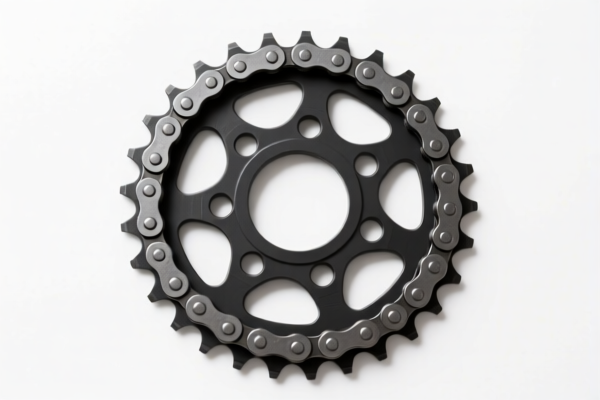
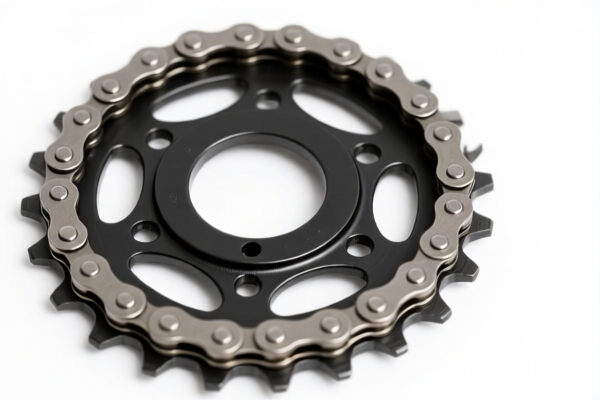
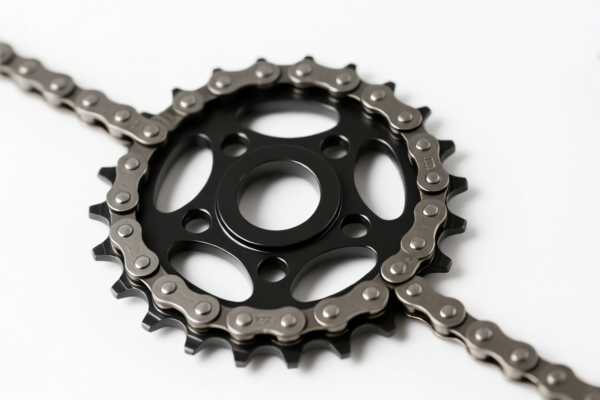
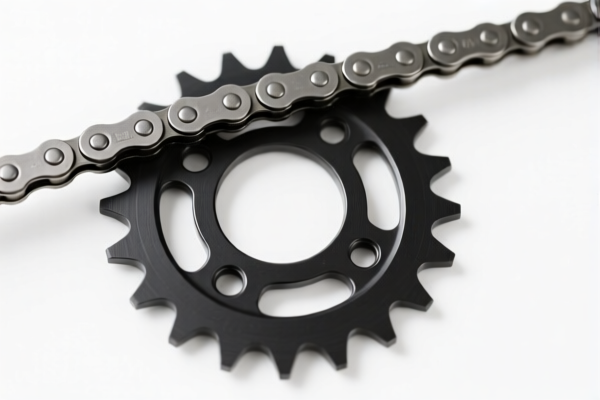
AI分析
⚙️ Inert Sprocket (Chain Sprocket)
🌐 HS Code Reference & Customs Clearance Guide | 2026 Tariff Analysis | Strategic Compliance Strategy
📌 1. Product Definition & Classification: Is It a Mechanical Part or a Steel Article?
An "Inert Sprocket" is a mechanical component used in power transmission systems (often in chains, belts, or tracks). The term "Inert" in this context typically refers to the component being a passive mechanical part (non-powered, non-electronic) rather than a propulsion unit itself.
In international trade, sprockets are classified based on two conflicting principles: 1. Functional Classification (Chapter 84): As a "Part of Machinery" if it is specifically identifiable as a component for specific machines (e.g., excavators, tractors). 2. Material Classification (Chapter 73): As an "Article of Iron or Steel" if it is considered a generic manufactured item without specific machine identification.
⚠️ Critical Distinction Point:
- If the sprocket is specifically designed for a particular machine (e.g., "Track Wheel for Excavator") → Chapter 84 (Parts).
- If the sprocket is generic (used in various conveyors, industrial drives, or unspecified machinery) → Chapter 73 (Articles of Iron/Steel).
📦 2. HS Code Classification Matrix (2026 Latest Tariff Data)
The provided data suggests four potential HS Codes for an "Inert Sprocket," split between Steel Articles (Ch 73) and Machinery Parts (Ch 84).
| HS Code | Product Description | Classification Logic | Total Tax Rate |
|---|---|---|---|
7326.19.00.80 |
Other Articles of Iron or Steel (General Parts) | Material-Based: Deemed as a generic "part/component" of steel. Matches the "Other" catch-all category for steel products. | 87.9% |
8483.90.10.10 |
Parts of Transmission Shafts, Cranks, etc. | Functional-Based: Classified under "Sprockets" in Chapter 84. Assumed to be "Forged" type. No material conflict noted. | 37.8% |
8431.49.90.50 |
Parts of Track-Laying Vehicles (e.g., Excavators/Tractors) | Application-Based: Inferred as a mechanical transmission part for tracked vehicles (like "Track Links"). Uses the "Parts" catch-all logic. | 85.0% |
8431.49.90.84 |
Other Parts of Track-Laying Vehicles | Application-Based: Similar to above, but falls under "Other Parts" for road wheels/other parts of tracked vehicles. | 85.0% |
7326.90.86.88 |
Other Articles of Iron or Steel (Miscellaneous) | Material-Based: Generic steel product. Material is metal; form is mechanical part. Fits "Other Steel Articles" catch-all. | 87.9% |
🔍 Key Insight:
- Cheapest Option:8483.90.10.10at 37.8% (if the sprocket is strictly categorized as a transmission component).
- Most Expensive Options:7326codes at 87.9% (due to heavy steel/aluminum/copper tariffs).
- Middle Ground:8431codes at 85.0% (if used in heavy tracked machinery, still high due to steel tariffs).
💰 3. 2026 Tariff Breakdown (Detailed Tax Clauses)
✅ Applicable Market: United States (US)
✅ Origin: China (CN)
✅ Effective Date: 2025–2026 (Subject to Section 301 & IEEPA measures)
🎯 1. 7326.19.00.80 & 7326.90.86.88 — Steel Articles (High Tariff)
| Item | Detail |
|---|---|
| Base Duty | 2.9% |
| Section 301 Additional Duty | +25.0% |
| IEEPA Additional Duty (122 Clause) | +10% |
| Steel/Aluminum/Copper Additional Duty | +50.0% |
| Total Effective Rate | 87.9% |
| De Minimis Exemption? | ❌ No (Denied) |
| Legal Path | IEEPA: 9903.01.25 → USITC: 7326.19.00.80 + Steel Tariff (EO 14081) |
📌 Explanation:
- The 50% additional duty is triggered because these HS codes are classified under "Steel Products" (Section 232/301 overlap).
- This is the highest tax bracket for mechanical parts if classified by material rather than function.
🎯 2. 8483.90.10.10 — Transmission Parts (Moderate Tariff)
| Item | Detail |
|---|---|
| Base Duty | 2.8% |
| Section 301 Additional Duty | +25.0% |
| IEEPA Additional Duty (122 Clause) | +10% |
| Total Effective Rate | 37.8% |
| De Minimis Exemption? | ❌ No (Denied) |
| Legal Path | IEEPA: 9901.25 → USITC: 8483.90.10.10 |
📌 Explanation:
- This code falls under Chapter 84 (Machinery), so it avoids the 50% Steel/Aluminum/Copper surcharge.
- It is the most cost-effective option if the sprocket can be legitimately classified as a "Transmission Component" (e.g., for motorcycles, industrial conveyors, or general machinery).
🎯 3. 8431.49.90.50 & 8431.49.90.84 — Tracked Vehicle Parts (High Tariff)
| Item | Detail |
|---|---|
| Base Duty | 0.0% |
| Section 301 Additional Duty | +25.0% |
| IEEPA Additional Duty (122 Clause) | +10% |
| Steel/Aluminum/Copper Additional Duty | +50.0% |
| Total Effective Rate | 85.0% |
| De Minimis Exemption? | ❌ No (Denied) |
| Legal Path | IEEPA: 9903.01.25 → USITC: 8431.49.90.50 + Steel Tariff |
📌 Explanation:
- Even though the base duty is 0%, the 50% Steel Tariff applies because these parts are deemed "Steel Products" used in heavy machinery.
- This is risky if the sprocket is not exclusively for tracked vehicles (e.g., excavators). Misclassification here can lead to audits.
🛠️ 4. Customs Clearance Practical Advice
✅ 1. Documentation Checklist (Must-Haves)
| Document | Required | Purpose |
|---|---|---|
| Product Specification Sheet | ✔️ | Must specify: Material (Steel/Alloy), Dimensions, Number of Teeth, Bore Size. |
| Intended Use Statement | ✔️ | Critical: Does it go into a tracked vehicle (8431)? Or general transmission (8483)? Or is it generic steel (7326)? |
| Technical Drawings | ✔️ | To prove if it is "Forged" (supports 8483.90.10.10) or "Cast" (may support 7326). |
| Commercial Invoice | ✔️ | Must clearly state: "Sprocket for [Machine Name/Type]". Avoid vague terms like "Metal Part." |
| Bill of Lading | ✔️ | Ensure packaging matches declared weight/volume to avoid discrepancies. |
✅ 2. Classification Strategy (How to Save Money)
| Strategy | Action | Benefit |
|---|---|---|
| Maximize Chapter 84 Usage | Provide evidence that the sprocket is specifically designed for a machine (e.g., "Sprocket for Model X Excavator" or "Transmission Sprocket for Industrial Conveyor"). | Avoids 50% Steel Tariff. Lowers rate from 87.9% to 37.8% or 85.0%. |
| Avoid Chapter 73 if Possible | Do not classify generic sprockets as "Other Steel Articles" (7326) unless necessary. | 87.9% is extremely high. Only use if the sprocket is a raw/unspecified steel item. |
| Choose 8483 over 8431 | If the sprocket is for general transmission (not tracked vehicles), use 8483.90.10.10. |
37.8% vs 85.0%. Saves nearly half the tariff. |
✅ 3. Common Pitfalls & Warnings
❌ Pitfall 1: Calling it "Steel Part" on the invoice.
👉 Result: Customs may default to 7326 (87.9%).
✅ Fix: Use specific terms like "Chain Sprocket for Transmission" or "Track Drive Sprocket."
❌ Pitfall 2: Misclassifying a general sprocket as an "Excavator Part" (8431).
👉 Result: You pay 85.0% (due to steel tariff) instead of 37.8%. Also, high audit risk if it’s not for tracked vehicles.
✅ Fix: Only use 8431 if it is exclusively for track-laying vehicles.
❌ Pitfall 3: Ignoring the "122 Clause" (IEEPA 10%).
👉 Result: All listed HS codes include a 10% IEEPA tariff. This is non-negotiable for Chinese-origin goods.
✅ Fix: Factor this into your landed cost calculation immediately.
🌍 5. Global Comparison (2026)
| Market | Recommended HS Code | Est. Tariff (CN Origin) | Notes |
|---|---|---|---|
| 🇺🇸 USA | 8483.90.10.10 |
37.8% | Best option for general sprockets. Avoid 7326/8431 if possible. |
| 🇪🇺 EU | 8483.40 |
0-3% | No Section 301 equivalent. Steel tariffs do not apply in the same way. |
| 🇨🇳 China | 8483.40 |
3-5% | Low base duty. No additional penalties for US-China trade war. |
| 🇬🇧 UK | 8483.40 |
0-5% | Post-Brexit tariff schedules may favor machinery parts. |
📌 Conclusion:
- The US market is the most challenging due to layered tariffs (Base + 301 + IEEPA + Steel).
- Chapter 84 (Machinery Parts) is significantly cheaper than Chapter 73 (Steel Articles).
- Chapter 8483 is the "Sweet Spot" for generic sprockets.
- Chapter 8431 is only viable if you can prove specific use in tracked vehicles, but the steel tariff negates the base duty savings.
📌 6. Final Recommendations
🎯 For Exporters/Importers:
1. Specify Intended Use: Clearly document the sprocket's application. If it’s for general machinery, declare it under 8483.
2. Avoid "Generic" Steel Classifications: Do not use 7326 unless the item is truly a raw/unspecified steel component. The 87.9% tariff is prohibitive.
3. Prepare for Audits: Keep technical drawings and use statements ready. Customs may challenge the "Part of Machine" classification vs. "Article of Steel."
4. Calculate Landed Cost: Add 37.8% (minimum) to your FOB price for US-bound goods. Do not plan with base duties only.
🔥 Golden Rule:
"Function over Material! If it’s a mechanical part, fight for Chapter 84. If you lose to Chapter 73, you pay 87.9%!"
✨ Professional Clearance Starts with Precision!
💼 Your Cost Savings Depend on the Right HS Code!
用户评价
关于 HS 编码归类
协调制度(HS)是由世界海关组织(WCO)制定的国际贸易商品分类标准。全球 200 多个国家采用 HS 系统作为海关关税、贸易统计和进出口监管的基础。
每个 HS 编码遵循以下层级结构:
- 章(2 位)——商品大类(例如:第 84 章:机器和机械设备)
- 品目(4 位)——章内的更具体分类
- 子目(6 位)——国际通用细分,所有 WCO 成员国统一使用
- 本国细分(8-10 位)——各国自行扩展的细分编码,如美国 HTSUS 10 位编码
正确的 HS 编码归类对于顺利通关、准确缴纳关税和遵守贸易法规至关重要。错误归类可能导致海关延误、多缴关税或罚款。
从CN进口到US时,适用的关税税率可能包括:
- 最惠国(MFN)税率——适用于 WTO 成员国的标准关税税率
- 普通税率——适用于无贸易协定国家
- 贸易救济关税——附加关税,如 301 条款(反倾销)、232 条款(国家安全)或反补贴税
本页内容仅供参考。如需正式归类,请咨询当地海关或持牌报关代理。