Inner Liner Divider
CN → US| HS编码 | 关税税率 | 原产国 | 目的国 | 文档 |
|---|---|---|---|---|
| 3923102000 | 35.0% | CN | US | 官方文档 |
| 3923900080 | 38.0% | CN | US | 官方文档 |
| 4819504060 | 35.0% | CN | US | 官方文档 |
| 4819504040 | 35.0% | CN | US | 官方文档 |
| 4415103000 | 35.0% | CN | US | 官方文档 |
商品图片
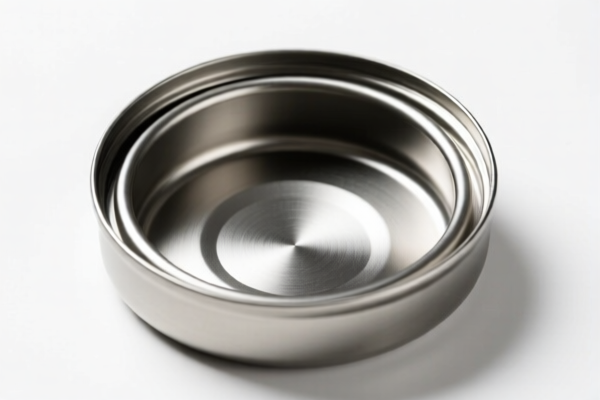
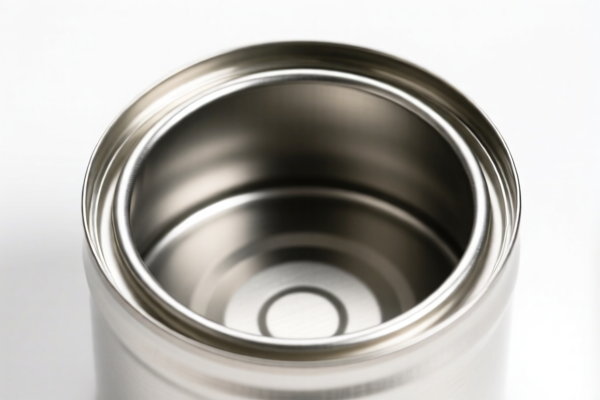
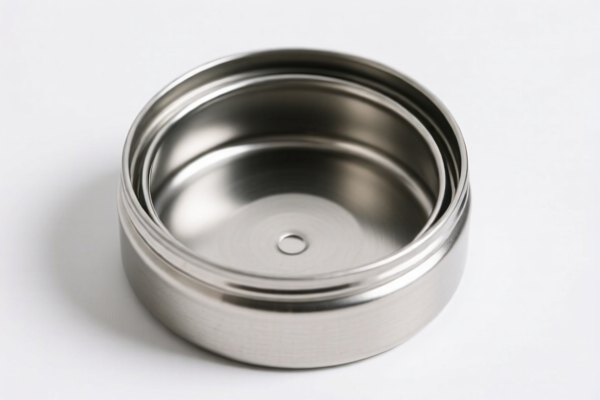
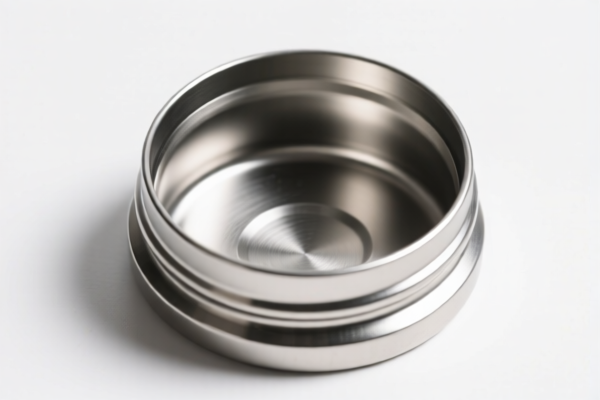
AI分析
📦 Inner Liner Dividers: The "Invisible" Heroes of Packaging Logistics
🌐 HS Code Classification & Customs Clearance Guide | 2026 Latest Tariff Analysis | Strategic Import Strategy
📌 I. Product Definition: What Exactly is an "Inner Liner Divider"?
An Inner Liner Divider (also known as a partition, insert, or divider board) is an auxiliary structural component placed inside packaging containers. Its primary function is to separate, support, or protect individual items within a carton, box, or pallet.
In international trade, these are not final consumer products but packaging accessories. However, their classification depends heavily on material composition (Plastic vs. Paper/Cardboard vs. Wood). Misclassification leads to massive tariff discrepancies!
⚠️ Critical Distinction:
- Plastic Dividers: Classified under Chapter 39 (Plastics).
- Paper/Cardboard Dividers: Classified under Chapter 48 (Paper/Paperboard).
- Wood Dividers: Classified under Chapter 44 (Wood/Wood Products).Note: The following analysis is strictly based on the provided DATA for HS Codes 3923.10.20.00, 3923.90.00.80, 4819.50.40.60, 4819.50.40.40, and 4415.10.30.00.
📊 II. HS Code Classification Matrix (Based on Provided Data)
| HS Code | Material Type | Summary from Data | Total Tax Rate |
|---|---|---|---|
| 3923.10.20.00 | Plastic | Auxiliary structure inside container; plastic/assumed plastic form. | 35.0% |
| 3923.90.00.80 | Plastic | Dividing/packaging structure; fits plastic packaging supplies category. | 38.0% |
| 4819.50.40.60 | Paper/Cardboard | Packaging component; paper/cardboard material. | 35.0% |
| 4819.50.40.40 | Paper/Cardboard | Packaging component; paper/cardboard material (no conflict). | 35.0% |
| 4415.10.30.00 | Wood | Packaging component; no conflict with wooden material; spare part/standby category. | 35.0% |
🔍 Key Insight:
- Plastic dividers carry a 3% base tariff (Code 3923.90) vs. 0% base tariff (Code 3923.10).
- Paper and Wood dividers carry a 0% base tariff.
- All categories face significant additional tariffs (See Section III).
💰 III. Detailed Tariff Breakdown (2026 Analysis)
✅ Applicable Market: USA (US)
✅ Origin: China (CN)
✅ Effective Date: 2025+ (Post-2025 tariff structure)
🎯 1. Plastic Dividers (Chapter 39)
A. HS Code 3923.10.20.00 (Plastic Boxes/Crates/Drums)
| Item | Detail |
|---|---|
| Base Tariff | 0.0% |
| Section 301 Tariff | +25.0% |
| Section 122 Tariff | +10.0% |
| Total Tax Rate | 35.0% |
| Tax Calculation | CIF Value × 35% |
| De Minimis Exemption | ❌ Not Eligible (Section 301 & 122 tariffs generally exclude de minimis) |
📌 Explanation:
- This code falls under "Plastic Boxes, Crates, Cases..."
- 0% Base makes it attractive, but the +35% total is still high.
- The Section 122 Tariff (+10%) is a specific surcharge, likely related to national security or specific trade remedies.
B. HS Code 3923.90.00.80 (Other Plastic Packings)
| Item | Detail |
|---|---|
| Base Tariff | 3.0% |
| Section 301 Tariff | +25.0% |
| Section 122 Tariff | +10.0% |
| Total Tax Rate | 38.0% |
| Tax Calculation | CIF Value × 38% |
| De Minimis Exemption | ❌ Not Eligible |
📌 Explanation:
- This code is a "catch-all" for plastic packaging not elsewhere specified.
- Higher Base Tariff (3%) results in a 38% total tax, making it more expensive than3923.10.20.00.
- Strategy: If your plastic divider fits the description of "boxes/crates/containers" even loosely,3923.10.20.00is preferable.
🎯 2. Paper/Cardboard Dividers (Chapter 48)
A. HS Code 4819.50.40.60 & 4819.50.40.40
| Item | Detail |
|---|---|
| Base Tariff | 0.0% |
| Section 301 Tariff | +25.0% |
| Section 122 Tariff | +10.0% |
| Total Tax Rate | 35.0% |
| Tax Calculation | CIF Value × 35% |
| De Minimis Exemption | ❌ Not Eligible |
📌 Explanation:
- Both4819.50.40.60and4819.50.40.40have identical tax structures.
- They fall under "Other packing containers of paper/paperboard."
- Why two codes? Likely minor distinctions in size, folding type, or specific use. However, tariff-wise, they are equal.
- Strategy: Choose the code that best matches your product's physical description (e.g., folded vs. molded).
🎯 3. Wood Dividers (Chapter 44)
A. HS Code 4415.10.30.00 (Wooden Packing Cases/Boxes/Crates)
| Item | Detail |
|---|---|
| Base Tariff | 0.0% |
| Section 301 Tariff | +25.0% |
| Section 122 Tariff | +10.0% |
| Total Tax Rate | 35.0% |
| Tax Calculation | CIF Value × 35% |
| De Minimis Exemption | ❌ Not Eligible |
📌 Explanation:
- Classified as "Packing cases, boxes, crates, drums... of wood."
- 0% Base Tariff aligns with paper dividers.
- Note: Wood products often face additional phytosanitary (ISPM 15) requirements. Ensure wood is heat-treated or fumigated to avoid customs delays.
🛠️ IV. Customs Clearance Recommendations (Practical Pitfalls Guide)
✅ 1. Documentation Checklist (Must-Haves)
| Document | Required? | Purpose |
|---|---|---|
| Product Specification Sheet | ✅ Yes | Must explicitly state Material (Plastic/Paper/Wood) to justify HS Code. |
| Product Photos (Inside/Outside) | ✅ Yes | Show how the divider sits inside the container. |
| Commercial Invoice | ✅ Yes | Description must match HS Code logic (e.g., "Plastic Inner Divider for Boxes"). |
| Packing List | ✅ Yes | Confirm quantity and weight. |
| Material Certificate | ✅ Yes (if Plastic/Wood) | Proves material type to avoid misclassification. |
| Phytosanitary Certificate | ✅ Yes (if Wood) | Critical for Wood Dividers to meet ISPM 15 standards. |
✅ 2. Classification Strategy (Avoiding the 38% Trap)
| Scenario | Recommended HS Code | Why? |
|---|---|---|
| Plastic Divider, fits in "Box/Crate" category | 3923.10.20.00 |
35% Tax vs. 38% for 3923.90.00.80. |
| Plastic Divider, complex/non-standard shape | 3923.90.00.80 |
Only if it doesn't fit "boxes/crates." Accept 38% tax. |
| Paper/Cardboard Divider | 4819.50.40.60 or 40.40 |
35% Tax. Choose based on structural detail. |
| Wood Divider | 4415.10.30.00 |
35% Tax. Must have ISPM 15 mark. |
🔥 Pro Tip:
"Material Dictates Chapter, Structure Dictates Subheading!"
- If you can argue your plastic divider is part of a "plastic box system," use3923.10.20.00.
- If it's a loose insert,3923.90.00.80might be safer, but costs 3% more.
✅ 3. Special Considerations
| Issue | Solution |
|---|---|
| Mixed Materials | If divider is paper with plastic coating, classify as Paper (4819) unless plastic is >50% by weight. Check with customs broker. |
| Wood Treatment | Ensure all wooden dividers have the IPPC Mark. Without it, cargo will be quarantined or destroyed. |
| Section 122 Tariff | This +10% is non-negotiable for these codes. Factor it into your pricing model. |
| De Minimis | Do NOT rely on $800 de minimis exemption for these items if they are subject to Section 301/122. Many carriers may still withhold them. |
🌍 V. Global Market Comparison (2026)
| Country | HS Code Reference | Base Tariff | Total Tariff (China Origin) | Key Requirements |
|---|---|---|---|---|
| 🇺🇸 USA | 3923/4819/4415 | 0-3% | 35-38% | Section 301 & 122 apply; ISPM 15 for wood. |
| 🇨🇳 China | 3923/4819/4415 | 5-12% | ~10-15% | No additional tariffs. |
| 🇪🇺 EU | 3923/4819/4415 | 3-6% | ~3-6% | No Section 301/122. |
| 🇯🇵 Japan | 3923/4819/4415 | 3-6% | ~3-6% | No additional tariffs. |
📌 Conclusion:
- USA is the most expensive market due to punitive tariffs (Section 301 + 122).
- Total cost of 35-38% is significant. Consider supplier diversification (e.g., manufacture dividers in Vietnam/Thailand) to avoid Section 301 tariffs if possible.
📌 VI. Common Errors & Pitfalls (Learn from Others' Mistakes)
❌ Error 1: Calling "Plastic Dividers" as "Plastic Parts" (Chapter 39 without specific code).
👉 Result: Misclassification → Penalty + Back Taxes.
❌ Error 2: Using Wood Dividers without IPPC Mark.
👉 Result: Cargo Rejected at US Port. Destruction or Re-export.
❌ Error 3: Assuming "Paper Dividers" can use De Minimis ($800).
👉 Result: Seizure. Section 301 goods often exclude de minimis.
❌ Error 4: Choosing 3923.90.00.80 when 3923.10.20.00 is applicable.
👉 Result: Unnecessary 3% extra tax on every shipment.
✅ Correct Approach:
"Plastic Inner Liner Divider, Model XYZ, Used for Packaging Boxes, Material: HDPE, HS Code: 3923.10.20.00"
🎯 VII. Final Advice: Optimize Your Costs!
🎯 Remember:
🔹 "Check the Base Tariff: 0% vs 3% matters!"
🔹 "Wood Needs IPPC: Don't get stuck at customs!"
🔹 "Total Tax is 35-38%: Plan your margins accordingly!"
📌 Pro Tip:
If your supplier is in Vietnam, Mexico, or Thailand, you may avoid Section 301 (25%) and Section 122 (10%) tariffs.
Action:
1. Verify Origin: Ensure >60% transformation occurs in third-country.
2. Apply for Preferential Tariff: Use Form A or Certificate of Origin.
3. Result: Tax drops from 35-38% to 0-3% (Base Tariff only).
📣 Immediate Action:
📞 Consult a Customs Broker: Confirm if
3923.10.20.00applies to your plastic divider.
📄 Prepare IPPC Certification: For any wooden components.
🚀 Optimize Supply Chain: Consider non-China origin to save 35%+ in tariffs.
✨ Professional Customs Clearance Starts with Precise Classification!
💼 Your Profit Margin Depends on Accurate HS Codes!
用户评价
关于 HS 编码归类
协调制度(HS)是由世界海关组织(WCO)制定的国际贸易商品分类标准。全球 200 多个国家采用 HS 系统作为海关关税、贸易统计和进出口监管的基础。
每个 HS 编码遵循以下层级结构:
- 章(2 位)——商品大类(例如:第 84 章:机器和机械设备)
- 品目(4 位)——章内的更具体分类
- 子目(6 位)——国际通用细分,所有 WCO 成员国统一使用
- 本国细分(8-10 位)——各国自行扩展的细分编码,如美国 HTSUS 10 位编码
正确的 HS 编码归类对于顺利通关、准确缴纳关税和遵守贸易法规至关重要。错误归类可能导致海关延误、多缴关税或罚款。
从CN进口到US时,适用的关税税率可能包括:
- 最惠国(MFN)税率——适用于 WTO 成员国的标准关税税率
- 普通税率——适用于无贸易协定国家
- 贸易救济关税——附加关税,如 301 条款(反倾销)、232 条款(国家安全)或反补贴税
本页内容仅供参考。如需正式归类,请咨询当地海关或持牌报关代理。