Inner Liner Divider
CN → US| HS Code | Tariff Rate | Origin | Destination | Doc |
|---|---|---|---|---|
| 3923102000 | 35.0% | CN | US | Official Doc |
| 3923900080 | 38.0% | CN | US | Official Doc |
| 4819504060 | 35.0% | CN | US | Official Doc |
| 4819504040 | 35.0% | CN | US | Official Doc |
| 4415103000 | 35.0% | CN | US | Official Doc |
Product Images
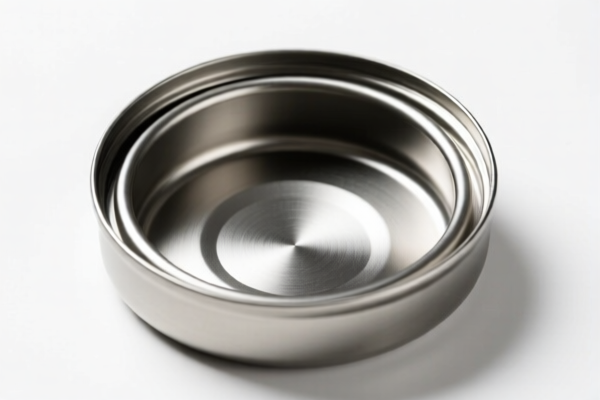
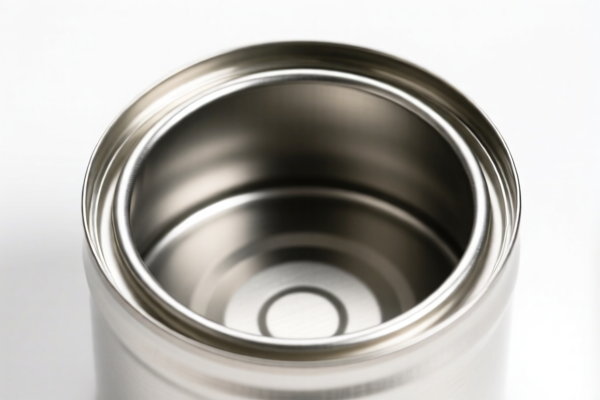
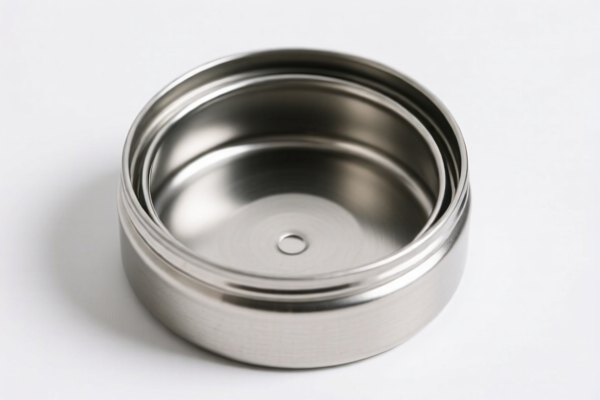
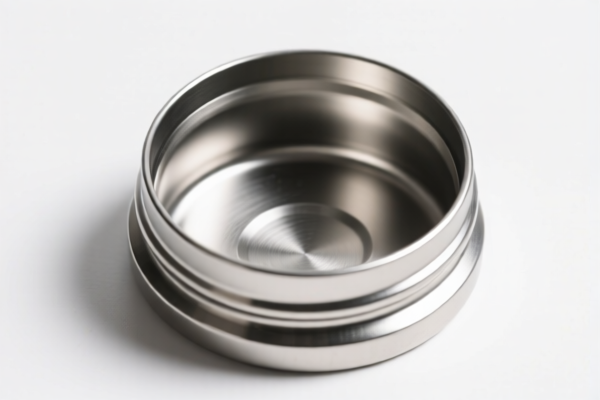
AI Analysis
📦 Inner Liner Dividers: The "Invisible" Heroes of Packaging Logistics
🌐 HS Code Classification & Customs Clearance Guide | 2026 Latest Tariff Analysis | Strategic Import Strategy
📌 I. Product Definition: What Exactly is an "Inner Liner Divider"?
An Inner Liner Divider (also known as a partition, insert, or divider board) is an auxiliary structural component placed inside packaging containers. Its primary function is to separate, support, or protect individual items within a carton, box, or pallet.
In international trade, these are not final consumer products but packaging accessories. However, their classification depends heavily on material composition (Plastic vs. Paper/Cardboard vs. Wood). Misclassification leads to massive tariff discrepancies!
⚠️ Critical Distinction:
- Plastic Dividers: Classified under Chapter 39 (Plastics).
- Paper/Cardboard Dividers: Classified under Chapter 48 (Paper/Paperboard).
- Wood Dividers: Classified under Chapter 44 (Wood/Wood Products).Note: The following analysis is strictly based on the provided DATA for HS Codes 3923.10.20.00, 3923.90.00.80, 4819.50.40.60, 4819.50.40.40, and 4415.10.30.00.
📊 II. HS Code Classification Matrix (Based on Provided Data)
| HS Code | Material Type | Summary from Data | Total Tax Rate |
|---|---|---|---|
| 3923.10.20.00 | Plastic | Auxiliary structure inside container; plastic/assumed plastic form. | 35.0% |
| 3923.90.00.80 | Plastic | Dividing/packaging structure; fits plastic packaging supplies category. | 38.0% |
| 4819.50.40.60 | Paper/Cardboard | Packaging component; paper/cardboard material. | 35.0% |
| 4819.50.40.40 | Paper/Cardboard | Packaging component; paper/cardboard material (no conflict). | 35.0% |
| 4415.10.30.00 | Wood | Packaging component; no conflict with wooden material; spare part/standby category. | 35.0% |
🔍 Key Insight:
- Plastic dividers carry a 3% base tariff (Code 3923.90) vs. 0% base tariff (Code 3923.10).
- Paper and Wood dividers carry a 0% base tariff.
- All categories face significant additional tariffs (See Section III).
💰 III. Detailed Tariff Breakdown (2026 Analysis)
✅ Applicable Market: USA (US)
✅ Origin: China (CN)
✅ Effective Date: 2025+ (Post-2025 tariff structure)
🎯 1. Plastic Dividers (Chapter 39)
A. HS Code 3923.10.20.00 (Plastic Boxes/Crates/Drums)
| Item | Detail |
|---|---|
| Base Tariff | 0.0% |
| Section 301 Tariff | +25.0% |
| Section 122 Tariff | +10.0% |
| Total Tax Rate | 35.0% |
| Tax Calculation | CIF Value × 35% |
| De Minimis Exemption | ❌ Not Eligible (Section 301 & 122 tariffs generally exclude de minimis) |
📌 Explanation:
- This code falls under "Plastic Boxes, Crates, Cases..."
- 0% Base makes it attractive, but the +35% total is still high.
- The Section 122 Tariff (+10%) is a specific surcharge, likely related to national security or specific trade remedies.
B. HS Code 3923.90.00.80 (Other Plastic Packings)
| Item | Detail |
|---|---|
| Base Tariff | 3.0% |
| Section 301 Tariff | +25.0% |
| Section 122 Tariff | +10.0% |
| Total Tax Rate | 38.0% |
| Tax Calculation | CIF Value × 38% |
| De Minimis Exemption | ❌ Not Eligible |
📌 Explanation:
- This code is a "catch-all" for plastic packaging not elsewhere specified.
- Higher Base Tariff (3%) results in a 38% total tax, making it more expensive than3923.10.20.00.
- Strategy: If your plastic divider fits the description of "boxes/crates/containers" even loosely,3923.10.20.00is preferable.
🎯 2. Paper/Cardboard Dividers (Chapter 48)
A. HS Code 4819.50.40.60 & 4819.50.40.40
| Item | Detail |
|---|---|
| Base Tariff | 0.0% |
| Section 301 Tariff | +25.0% |
| Section 122 Tariff | +10.0% |
| Total Tax Rate | 35.0% |
| Tax Calculation | CIF Value × 35% |
| De Minimis Exemption | ❌ Not Eligible |
📌 Explanation:
- Both4819.50.40.60and4819.50.40.40have identical tax structures.
- They fall under "Other packing containers of paper/paperboard."
- Why two codes? Likely minor distinctions in size, folding type, or specific use. However, tariff-wise, they are equal.
- Strategy: Choose the code that best matches your product's physical description (e.g., folded vs. molded).
🎯 3. Wood Dividers (Chapter 44)
A. HS Code 4415.10.30.00 (Wooden Packing Cases/Boxes/Crates)
| Item | Detail |
|---|---|
| Base Tariff | 0.0% |
| Section 301 Tariff | +25.0% |
| Section 122 Tariff | +10.0% |
| Total Tax Rate | 35.0% |
| Tax Calculation | CIF Value × 35% |
| De Minimis Exemption | ❌ Not Eligible |
📌 Explanation:
- Classified as "Packing cases, boxes, crates, drums... of wood."
- 0% Base Tariff aligns with paper dividers.
- Note: Wood products often face additional phytosanitary (ISPM 15) requirements. Ensure wood is heat-treated or fumigated to avoid customs delays.
🛠️ IV. Customs Clearance Recommendations (Practical Pitfalls Guide)
✅ 1. Documentation Checklist (Must-Haves)
| Document | Required? | Purpose |
|---|---|---|
| Product Specification Sheet | ✅ Yes | Must explicitly state Material (Plastic/Paper/Wood) to justify HS Code. |
| Product Photos (Inside/Outside) | ✅ Yes | Show how the divider sits inside the container. |
| Commercial Invoice | ✅ Yes | Description must match HS Code logic (e.g., "Plastic Inner Divider for Boxes"). |
| Packing List | ✅ Yes | Confirm quantity and weight. |
| Material Certificate | ✅ Yes (if Plastic/Wood) | Proves material type to avoid misclassification. |
| Phytosanitary Certificate | ✅ Yes (if Wood) | Critical for Wood Dividers to meet ISPM 15 standards. |
✅ 2. Classification Strategy (Avoiding the 38% Trap)
| Scenario | Recommended HS Code | Why? |
|---|---|---|
| Plastic Divider, fits in "Box/Crate" category | 3923.10.20.00 |
35% Tax vs. 38% for 3923.90.00.80. |
| Plastic Divider, complex/non-standard shape | 3923.90.00.80 |
Only if it doesn't fit "boxes/crates." Accept 38% tax. |
| Paper/Cardboard Divider | 4819.50.40.60 or 40.40 |
35% Tax. Choose based on structural detail. |
| Wood Divider | 4415.10.30.00 |
35% Tax. Must have ISPM 15 mark. |
🔥 Pro Tip:
"Material Dictates Chapter, Structure Dictates Subheading!"
- If you can argue your plastic divider is part of a "plastic box system," use3923.10.20.00.
- If it's a loose insert,3923.90.00.80might be safer, but costs 3% more.
✅ 3. Special Considerations
| Issue | Solution |
|---|---|
| Mixed Materials | If divider is paper with plastic coating, classify as Paper (4819) unless plastic is >50% by weight. Check with customs broker. |
| Wood Treatment | Ensure all wooden dividers have the IPPC Mark. Without it, cargo will be quarantined or destroyed. |
| Section 122 Tariff | This +10% is non-negotiable for these codes. Factor it into your pricing model. |
| De Minimis | Do NOT rely on $800 de minimis exemption for these items if they are subject to Section 301/122. Many carriers may still withhold them. |
🌍 V. Global Market Comparison (2026)
| Country | HS Code Reference | Base Tariff | Total Tariff (China Origin) | Key Requirements |
|---|---|---|---|---|
| 🇺🇸 USA | 3923/4819/4415 | 0-3% | 35-38% | Section 301 & 122 apply; ISPM 15 for wood. |
| 🇨🇳 China | 3923/4819/4415 | 5-12% | ~10-15% | No additional tariffs. |
| 🇪🇺 EU | 3923/4819/4415 | 3-6% | ~3-6% | No Section 301/122. |
| 🇯🇵 Japan | 3923/4819/4415 | 3-6% | ~3-6% | No additional tariffs. |
📌 Conclusion:
- USA is the most expensive market due to punitive tariffs (Section 301 + 122).
- Total cost of 35-38% is significant. Consider supplier diversification (e.g., manufacture dividers in Vietnam/Thailand) to avoid Section 301 tariffs if possible.
📌 VI. Common Errors & Pitfalls (Learn from Others' Mistakes)
❌ Error 1: Calling "Plastic Dividers" as "Plastic Parts" (Chapter 39 without specific code).
👉 Result: Misclassification → Penalty + Back Taxes.
❌ Error 2: Using Wood Dividers without IPPC Mark.
👉 Result: Cargo Rejected at US Port. Destruction or Re-export.
❌ Error 3: Assuming "Paper Dividers" can use De Minimis ($800).
👉 Result: Seizure. Section 301 goods often exclude de minimis.
❌ Error 4: Choosing 3923.90.00.80 when 3923.10.20.00 is applicable.
👉 Result: Unnecessary 3% extra tax on every shipment.
✅ Correct Approach:
"Plastic Inner Liner Divider, Model XYZ, Used for Packaging Boxes, Material: HDPE, HS Code: 3923.10.20.00"
🎯 VII. Final Advice: Optimize Your Costs!
🎯 Remember:
🔹 "Check the Base Tariff: 0% vs 3% matters!"
🔹 "Wood Needs IPPC: Don't get stuck at customs!"
🔹 "Total Tax is 35-38%: Plan your margins accordingly!"
📌 Pro Tip:
If your supplier is in Vietnam, Mexico, or Thailand, you may avoid Section 301 (25%) and Section 122 (10%) tariffs.
Action:
1. Verify Origin: Ensure >60% transformation occurs in third-country.
2. Apply for Preferential Tariff: Use Form A or Certificate of Origin.
3. Result: Tax drops from 35-38% to 0-3% (Base Tariff only).
📣 Immediate Action:
📞 Consult a Customs Broker: Confirm if
3923.10.20.00applies to your plastic divider.
📄 Prepare IPPC Certification: For any wooden components.
🚀 Optimize Supply Chain: Consider non-China origin to save 35%+ in tariffs.
✨ Professional Customs Clearance Starts with Precise Classification!
💼 Your Profit Margin Depends on Accurate HS Codes!
Customer Reviews
About HS Code Classification
The Harmonized System (HS) is an internationally standardized nomenclature developed by the World Customs Organization (WCO) to classify traded products. Over 200 countries use the HS system as the basis for customs tariffs, trade statistics, and import/export regulations.
Each HS code follows a hierarchical structure:
- Chapter (2 digits) — Broad category of goods (e.g., Chapter 84: Machinery and Mechanical Appliances)
- Heading (4 digits) — More specific grouping within the chapter
- Subheading (6 digits) — Internationally standardized breakdown, used by all WCO member countries
- National subdivisions (8-10 digits) — Country-specific extensions for further classification, such as US HTSUS 10-digit codes
Correct HS code classification is essential for smooth customs clearance, accurate duty payment, and compliance with trade regulations. Misclassification can lead to customs delays, overpayment of duties, or penalties.
When importing from CN to US, the applicable tariff rates may include:
- Most-Favored-Nation (MFN) rate — The standard duty rate applied to WTO members
- General rate — Applied to countries without trade agreements
- Trade remedy duties — Additional tariffs such as Section 301 (anti-dumping), Section 232 (national security), or countervailing duties
The information provided on this page is for reference purposes only. For official classification, please consult with your local customs authority or a licensed customs broker.