Insecticide Spray Can
CN → US| HS编码 | 关税税率 | 原产国 | 目的国 | 文档 |
|---|---|---|---|---|
| 3808912501 | 41.5% | CN | US | 官方文档 |
| 2933696021 | 21.0% | CN | US | 官方文档 |
| 3801105090 | 35.0% | CN | US | 官方文档 |
| 3808915001 | 40.0% | CN | US | 官方文档 |
| 2933991701 | 16.5% | CN | US | 官方文档 |
商品图片
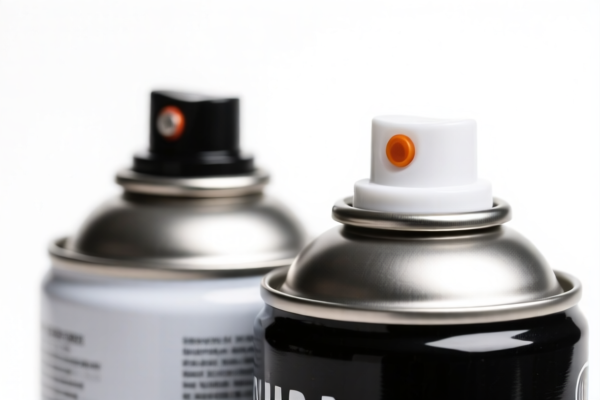
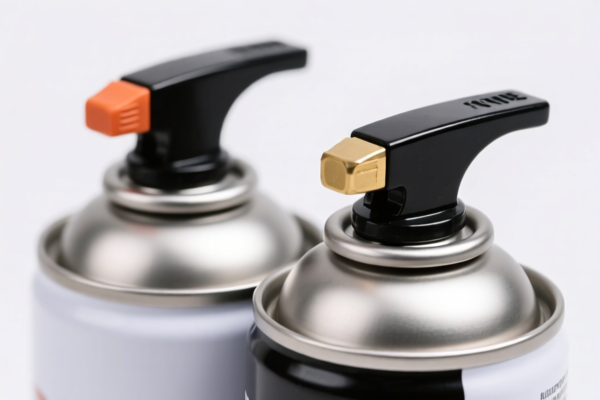
AI分析
🐛 Insecticide Spray Can (Homestic Pest Control)
🌐 HS Code Reference & Customs Clearance Guide | 2026 Latest Tariff Analysis | Professional Strategy for High-Tax Goods
📌 Part 1: Product Definition & Classification: Is It Just "Spray"?
Insecticide spray cans, specifically those designed for household use, are complex chemical products. In international trade, they are not classified as a single uniform item. Their Harmonized System (HS) Code depends heavily on: 1. Chemical Composition: Are they organic compounds? Chemical mixtures? 2. State/Formulation: Is it a solution, suspension, or aerosol? 3. Regulatory Status: Is it legally classified as a "Pesticide" or a "Chemical Preparation"?
⚠️ Critical Distinction:
- If the product is a mixture/preparation of insecticides → Likely 3808.xx (Pesticides/Insecticides).
- If the product is a pure chemical compound (e.g., a specific organic molecule) → Likely 2933.xx (Organic Chemicals).
- Mistake Alert: You cannot simply label it "Spray." The chemical nature dictates the code, which drastically changes the tax burden.
📦 Part 2: HS Code Classification Matrix (2026 Latest Data)
Based on the provided data, here are the 5 possible HS Codes for Household Insecticide Spray Cans. The tax rates vary significantly due to different chemical classifications and trade policy applications.
| HS Code | Product Description | Classification Logic | Key Components |
|---|---|---|---|
3808.91.25.01 |
Household Insecticide Spray | Classified as a preparation (mixture) for insect control. | Insecticidal ingredients + solvents/aerosol propellants. |
2933.69.60.21 |
Agricultural/Chemical Insecticide | Classified as a Pesticide under chemical organic compounds. | Specific organic insecticide compound (nitrogen-based heterocycles). |
3801.10.50.90 |
Chemical Preparation (Insecticidal) | Classified as a Chemical Mixture containing insecticidal agents. | Broad chemical preparation, not strictly defined as pure pesticide in 3808. |
3808.91.50.01 |
Household Spray Formulation | Classified as a Spray Formulation under pesticide preparations. | Similar to 3808.91.25 but different sub-formulation code. |
2933.99.17.01 |
Nitrogen-Containing Organic Compound | Classified as a Pure Chemical (not a mixture). | Heteroatoms are only Nitrogen; no other heteroatoms. |
🔍 Key Insight:
- Codes starting with 3808 are for Pesticides/Insecticides (mixtures/preparations).
- Codes starting with 2933 are for Organic Chemicals (pure substances or specific intermediates).
- Why 5 codes? Different manufacturers may use different active ingredients or formulations, leading to different customs classifications.
💰 Part 3: 2026 Latest Tariff Rate Breakdown (Including Surcharges)
✅ Applicable Country: United States (US)
✅ Origin: China (CN)
✅ Effective Time: 2025+ (Subject to current trade policies)
🎯 1. 3808.91.25.01 – Household Insecticide Spray (Preparation)
| Item | Content |
|---|---|
| Base Tariff | 6.5% |
| Section 301 Surcharge | 25.0% |
| Section 122 Surcharge | 10.0% |
| Total Rate | 41.5% |
| Tax Calculation | CIF Value × 41.5% |
| De Minimis Exemption | ❌ NO (High tax rate disqualifies from low-value exemption) |
📌 Explanation:
- This is a high-tax category. The 25% Section 301 tariff is significant.
- Risk: High probability of customs scrutiny for chemical composition verification.
🎯 2. 2933.69.60.21 – Pesticide Chemical (Organic Compound)
| Item | Content |
|---|---|
| Base Tariff | 3.5% |
| Section 301 Surcharge | 7.5% |
| Section 122 Surcharge | 10.0% |
| Total Rate | 21.0% |
| Tax Calculation | CIF Value × 21.0% |
| De Minimis Exemption | ❌ NO |
📌 Explanation:
- Lower tax rate than preparation codes because it’s classified as a chemical, not a finished pesticide product.
- Warning: Customs may reclassify this as 3808 if it’s clearly a ready-to-use spray, leading to back taxes + penalties.
🎯 3. 3801.10.50.90 – Chemical Preparation (Insecticidal)
| Item | Content |
|---|---|
| Base Tariff | 0.0% |
| Section 301 Surcharge | 25.0% |
| Section 122 Surcharge | 10.0% |
| Total Rate | 35.0% |
| Tax Calculation | CIF Value × 35.0% |
| De Minimis Exemption | ❌ NO |
📌 Explanation:
- Base tariff is 0%, but surcharges apply.
- Risk: This code is often used for "other chemical preparations." If it’s clearly an insecticide, customs may force a change to 3808.xx, increasing the tax.
🎯 4. 3808.91.50.01 – Household Spray Formulation
| Item | Content |
|---|---|
| Base Tariff | 5.0% |
| Section 301 Surcharge | 25.0% |
| Section 122 Surcharge | 10.0% |
| Total Rate | 40.0% |
| Tax Calculation | CIF Value × 40.0% |
| De Minimis Exemption | ❌ NO |
📌 Explanation:
- Very similar to 3808.91.25.01. The 1% difference in base tariff is minor.
- Consistency is key: Use the same code as your supplier’s previous shipments to avoid scrutiny.
🎯 5. 2933.99.17.01 – Nitrogen-Containing Organic Compound
| Item | Content |
|---|---|
| Base Tariff | 6.5% |
| Section 301 Surcharge | 0.0% |
| Section 122 Surcharge | 10.0% |
| Total Rate | 16.5% |
| Tax Calculation | CIF Value × 16.5% |
| De Minimis Exemption | ❌ NO |
📌 Explanation:
- Lowest Total Tax Rate (16.5%).
- Why? No Section 301 Surcharge (7.5% savings vs. 3808 codes).
- CRITICAL WARNING: This code is for pure chemicals. If you import a ready-to-use spray, customs will likely reject this code and reclassify it to 3808 (41.5% tax). Only use if you are importing the active chemical ingredient, not the finished spray.
🛠️ Part 4: Customs Clearance Practical Advice (Avoid Pitfalls)
✅ 1. Documentation Checklist (Must-Have)
| Document | Required? | Notes |
|---|---|---|
| ✅ Product Specification Sheet | ✔️ | Must list Active Ingredients, percentage, and chemical structure. |
| ✅ Safety Data Sheet (SDS) | ✔️ | Required for chemical classification. |
| ✅ EPA Registration (if US) | ✔️ | Mandatory for insecticides in the US. Without EPA Reg. No., goods will be seized. |
| ✅ Certificate of Analysis (COA) | ✔️ | Proves chemical purity/constitution (critical for 2933 codes). |
| ✅ Commercial Invoice | ✔️ | Clearly state "Insecticide Spray for Household Use." |
| ✅ Packing List | ✔️ | Show net/gross weight, volume, and container type (aerosol). |
⚠️ EPA Note: The US Environmental Protection Agency (EPA) strictly regulates insecticides. No EPA registration = No clearance.
✅ 2. Classification Strategy (How to Choose)
| Scenario | Recommended HS Code | Reason |
|---|---|---|
| Ready-to-Use Spray (Aerosol Can) | 3808.91.25.01 or 3808.91.50.01 |
Legally classified as a pesticide preparation. |
| Active Ingredient Only (Liquid/Gas) | 2933.69.60.21 or 2933.99.17.01 |
Classified as organic chemical. Lower tax, but NOT for finished goods. |
| Unclear Formulation | 3801.10.50.90 |
Fallback for chemical mixtures, but risky. |
🔥 Golden Rule:
“Finished Product → 3808. Pure Chemical → 2933.”
Do not try to downplay a spray as a "chemical" to save tax. Customs tests will reveal the truth.
✅ 3. Special Handling Tips
| Situation | Advice |
|---|---|
| Aerosol Cans | Classified as "Dangerous Goods" for shipping. Ensure proper UN packaging and labeling. |
| Low-Value Shipments | ❌ No De Minimis Exemption. Even $100 shipments are subject to full tax. |
| EPA Compliance | Apply for EPA registration before shipping. Processing takes 3-6 months. |
| Customs Audit | Be prepared for chemical testing. Provide SDS and COA proactively. |
🌍 Part 5: Global Market Comparison (2026)
| Country | HS Code | Base Tax | Surcharge | Total Tax | Notes |
|---|---|---|---|---|---|
| 🇺🇸 USA | 3808.91.25.01 | 6.5% | 35% (301+122) | 41.5% | High tax, EPA mandatory. |
| 🇺🇸 USA | 2933.99.17.01 | 6.5% | 10% (122 only) | 16.5% | Lowest tax, but only for pure chemicals. |
| 🇨🇳 China | 3808.91.25.01 | 5.0% | 0% | 5.0% | Low tax, no surcharge. |
| 🇪🇺 EU | 3808.91 | 0% | 0% | 0% | VAT applies (19-25%), but no import duty. |
| 🇯🇵 Japan | 3808.91 | 0% | 0% | 0% | Tax-exempt, but strict safety standards. |
📌 Conclusion:
- USA: High tax (16.5%-41.5%) + EPA compliance.
- EU/Japan: Low/no import duty, but high regulatory/safety standards.
- China: Lowest tax, but consider domestic market rules.
📌 Part 6: Common Mistakes & Pitfalls (Blood-Taught Lessons)
❌ Mistake 1: Importing finished spray under 2933 code to save tax.
👉 Consequence: Customs reclassifies to 3808, charges 41.5% + penalties + seizure risk.
❌ Mistake 2: Ignoring EPA Registration.
👉 Consequence: Goods seized and destroyed by US Customs + EPA.
❌ Mistake 3: Treating aerosols as non-hazardous.
👉 Consequence: Shipping rejection, fines, or safety hazards.
❌ Mistake 4: Assuming De Minimis applies.
👉 Consequence: Tax evasion accusation. All shipments >$800 are taxed; < $800 still taxed due to high rate.
✅ Correct Approach:
"Insecticide Spray, Household Use, EPA Reg. No. [XXX], Active Ingredient: [XXX], Aerosol Formulation, UN1950."
🎯 Part 7: Conclusion: Smart Classification, Save Money, Stay Compliant
🎯 Remember the Key Takeaways:
🔹 Finished Spray → 3808.41.5% (High Tax)
🔹 Pure Chemical → 2933.16.5% (Low Tax, but NOT for sprays)
🔹 EPA Registration → MANDATORY in US
🔹 No De Minimis Exemption for these goods.
📌 Pro Tip:
If you are importing pure active ingredients (not sprays), use 2933.99.17.01 for the lowest tax (16.5%).
If you are importing finished sprays, expect 41.5% tax and ensure EPA compliance.
📣 Immediate Action:
📞 Consult a Customs Broker for pre-classification.
📄 Get EPA Registration before shipping.
📦 Label Clearly as "Insecticide" with chemical details.
✨ Professional Clearance Starts with Accurate Classification!
💼 Every Percent of Tax Saved is Pure Profit!
用户评价
关于 HS 编码归类
协调制度(HS)是由世界海关组织(WCO)制定的国际贸易商品分类标准。全球 200 多个国家采用 HS 系统作为海关关税、贸易统计和进出口监管的基础。
每个 HS 编码遵循以下层级结构:
- 章(2 位)——商品大类(例如:第 84 章:机器和机械设备)
- 品目(4 位)——章内的更具体分类
- 子目(6 位)——国际通用细分,所有 WCO 成员国统一使用
- 本国细分(8-10 位)——各国自行扩展的细分编码,如美国 HTSUS 10 位编码
正确的 HS 编码归类对于顺利通关、准确缴纳关税和遵守贸易法规至关重要。错误归类可能导致海关延误、多缴关税或罚款。
从CN进口到US时,适用的关税税率可能包括:
- 最惠国(MFN)税率——适用于 WTO 成员国的标准关税税率
- 普通税率——适用于无贸易协定国家
- 贸易救济关税——附加关税,如 301 条款(反倾销)、232 条款(国家安全)或反补贴税
本页内容仅供参考。如需正式归类,请咨询当地海关或持牌报关代理。